
15 rehabilitation centres slapped with closure notices over lack of medical personnel
Source: The Standard
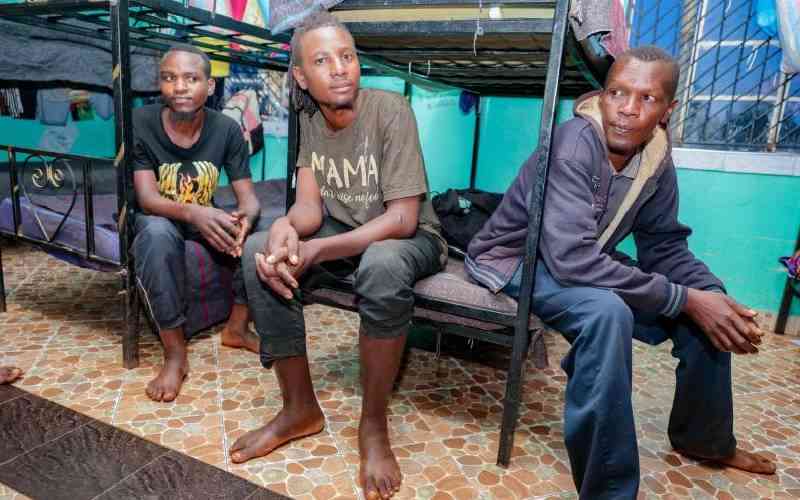
John Mathia Wairimu 25, John Mathia Migwi 40 and Peter Mathia 28 from Muranga at St Nicolas Rehabilitation Psychiatric Hospital and CounsellingCentre after they were rescued from alcoholism.[DPCS]The National Authority for the Campaign Against Alcohol and Drug Abuse (NACADA) has ordered the immediate closure of 15 rehabilitation centres for lack of qualified medical personnel.Follow The Standard
channel
on WhatsAppThe authority in a statement said the affected centres exhibited serious violations that pose risks to clients, including expired medicines, poor hygiene and unsafe structures.The order comes after the authority conducted a nationwide inspection of treatment and rehabilitation facilities in November 2025 under a Rapid Results Initiative (RRI).The authority’s CEO, Anthony Omerikwa, said the exercise was conducted by a Multi-Agency Team comprising relevant Government Agencies and 236 facilities were inspected across 36 Counties.He said the exercise provides the mostcomprehensive assessmentto date of Kenya's addiction treatment and rehabilitation capacity.“Following the inspections, 135 facilities were fully accredited, offering a combined residential bed capacity of nearly 3,800. These accredited centres, many providing Level 3 residential services, form the backbone of the country's treatment and recovery response,” said Omerikwa.According to him, 30 facilities were denied accreditation, while 15 facilities were issued immediate closure notices.“An additional 56 facilities were found to have compliance gaps and will remain under close monitoring,” he noted.The CEO said that the findings also reveal major systemic gaps where most accredited facilities are privately owned, making quality inpatient care unaffordable for many families.He said as a result, there is a critical shortage of public outpatient and community-based services, and an alarming lack of specialised rehabilitation services for women and adolescents.“From our last national survey on the status of alcohol and drug abuse in the country, over 1.3 million Kenyans need treatment and rehabilitation services for alcohol and drug use disorders,” Omerikwa said, adding, “These outcomes underscore the urgency of the Presidential directive to establish a rehabilitation centre in every county.”The authority in the statement called on county governments to prioritise public, accessible treatment facilities and urged partners to invest in community-based and specialised services.Stay informed. Subscribe to our newsletterBy clicking on theSIGN UPbutton, you agree to ourTerms & Conditionsand thePrivacy PolicySIGN UPOmerikwa said a strong, inclusive continuum of care is essential to ensure every Kenyan can access recovery, restoration, and reintegration.Stay Informed, Stay Empowered: Download the Standard ePaper App!Follow The Standard
channel
on WhatsApp
John Mathia Wairimu 25, John Mathia Migwi 40 and Peter Mathia 28 from Muranga at St Nicolas Rehabilitation Psychiatric Hospital and CounsellingCentre after they were rescued from alcoholism.[DPCS]
The National Authority for the Campaign Against Alcohol and Drug Abuse (NACADA) has ordered the immediate closure of 15 rehabilitation centres for lack of qualified medical personnel.Follow The Standard
channel
on WhatsAppThe authority in a statement said the affected centres exhibited serious violations that pose risks to clients, including expired medicines, poor hygiene and unsafe structures.The order comes after the authority conducted a nationwide inspection of treatment and rehabilitation facilities in November 2025 under a Rapid Results Initiative (RRI).The authority’s CEO, Anthony Omerikwa, said the exercise was conducted by a Multi-Agency Team comprising relevant Government Agencies and 236 facilities were inspected across 36 Counties.He said the exercise provides the mostcomprehensive assessmentto date of Kenya's addiction treatment and rehabilitation capacity.“Following the inspections, 135 facilities were fully accredited, offering a combined residential bed capacity of nearly 3,800. These accredited centres, many providing Level 3 residential services, form the backbone of the country's treatment and recovery response,” said Omerikwa.According to him, 30 facilities were denied accreditation, while 15 facilities were issued immediate closure notices.“An additional 56 facilities were found to have compliance gaps and will remain under close monitoring,” he noted.The CEO said that the findings also reveal major systemic gaps where most accredited facilities are privately owned, making quality inpatient care unaffordable for many families.He said as a result, there is a critical shortage of public outpatient and community-based services, and an alarming lack of specialised rehabilitation services for women and adolescents.“From our last national survey on the status of alcohol and drug abuse in the country, over 1.3 million Kenyans need treatment and rehabilitation services for alcohol and drug use disorders,” Omerikwa said, adding, “These outcomes underscore the urgency of the Presidential directive to establish a rehabilitation centre in every county.”The authority in the statement called on county governments to prioritise public, accessible treatment facilities and urged partners to invest in community-based and specialised services.Stay informed. Subscribe to our newsletterBy clicking on theSIGN UPbutton, you agree to ourTerms & Conditionsand thePrivacy PolicySIGN UPOmerikwa said a strong, inclusive continuum of care is essential to ensure every Kenyan can access recovery, restoration, and reintegration.Stay Informed, Stay Empowered: Download the Standard ePaper App!Follow The Standard
channel
on WhatsApp
The National Authority for the Campaign Against Alcohol and Drug Abuse (NACADA) has ordered the immediate closure of 15 rehabilitation centres for lack of qualified medical personnel.Follow The Standard
channel
on WhatsAppThe authority in a statement said the affected centres exhibited serious violations that pose risks to clients, including expired medicines, poor hygiene and unsafe structures.The order comes after the authority conducted a nationwide inspection of treatment and rehabilitation facilities in November 2025 under a Rapid Results Initiative (RRI).The authority’s CEO, Anthony Omerikwa, said the exercise was conducted by a Multi-Agency Team comprising relevant Government Agencies and 236 facilities were inspected across 36 Counties.He said the exercise provides the mostcomprehensive assessmentto date of Kenya's addiction treatment and rehabilitation capacity.“Following the inspections, 135 facilities were fully accredited, offering a combined residential bed capacity of nearly 3,800. These accredited centres, many providing Level 3 residential services, form the backbone of the country's treatment and recovery response,” said Omerikwa.According to him, 30 facilities were denied accreditation, while 15 facilities were issued immediate closure notices.“An additional 56 facilities were found to have compliance gaps and will remain under close monitoring,” he noted.The CEO said that the findings also reveal major systemic gaps where most accredited facilities are privately owned, making quality inpatient care unaffordable for many families.He said as a result, there is a critical shortage of public outpatient and community-based services, and an alarming lack of specialised rehabilitation services for women and adolescents.“From our last national survey on the status of alcohol and drug abuse in the country, over 1.3 million Kenyans need treatment and rehabilitation services for alcohol and drug use disorders,” Omerikwa said, adding, “These outcomes underscore the urgency of the Presidential directive to establish a rehabilitation centre in every county.”The authority in the statement called on county governments to prioritise public, accessible treatment facilities and urged partners to invest in community-based and specialised services.Stay informed. Subscribe to our newsletterBy clicking on theSIGN UPbutton, you agree to ourTerms & Conditionsand thePrivacy PolicySIGN UPOmerikwa said a strong, inclusive continuum of care is essential to ensure every Kenyan can access recovery, restoration, and reintegration.Stay Informed, Stay Empowered: Download the Standard ePaper App!Follow The Standard
channel
on WhatsApp
The authority in a statement said the affected centres exhibited serious violations that pose risks to clients, including expired medicines, poor hygiene and unsafe structures.The order comes after the authority conducted a nationwide inspection of treatment and rehabilitation facilities in November 2025 under a Rapid Results Initiative (RRI).The authority’s CEO, Anthony Omerikwa, said the exercise was conducted by a Multi-Agency Team comprising relevant Government Agencies and 236 facilities were inspected across 36 Counties.He said the exercise provides the mostcomprehensive assessmentto date of Kenya's addiction treatment and rehabilitation capacity.“Following the inspections, 135 facilities were fully accredited, offering a combined residential bed capacity of nearly 3,800. These accredited centres, many providing Level 3 residential services, form the backbone of the country's treatment and recovery response,” said Omerikwa.According to him, 30 facilities were denied accreditation, while 15 facilities were issued immediate closure notices.“An additional 56 facilities were found to have compliance gaps and will remain under close monitoring,” he noted.The CEO said that the findings also reveal major systemic gaps where most accredited facilities are privately owned, making quality inpatient care unaffordable for many families.He said as a result, there is a critical shortage of public outpatient and community-based services, and an alarming lack of specialised rehabilitation services for women and adolescents.“From our last national survey on the status of alcohol and drug abuse in the country, over 1.3 million Kenyans need treatment and rehabilitation services for alcohol and drug use disorders,” Omerikwa said, adding, “These outcomes underscore the urgency of the Presidential directive to establish a rehabilitation centre in every county.”The authority in the statement called on county governments to prioritise public, accessible treatment facilities and urged partners to invest in community-based and specialised services.Stay informed. Subscribe to our newsletterBy clicking on theSIGN UPbutton, you agree to ourTerms & Conditionsand thePrivacy PolicySIGN UPOmerikwa said a strong, inclusive continuum of care is essential to ensure every Kenyan can access recovery, restoration, and reintegration.Stay Informed, Stay Empowered: Download the Standard ePaper App!Follow The Standard
channel
on WhatsApp
The order comes after the authority conducted a nationwide inspection of treatment and rehabilitation facilities in November 2025 under a Rapid Results Initiative (RRI).The authority’s CEO, Anthony Omerikwa, said the exercise was conducted by a Multi-Agency Team comprising relevant Government Agencies and 236 facilities were inspected across 36 Counties.He said the exercise provides the mostcomprehensive assessmentto date of Kenya's addiction treatment and rehabilitation capacity.“Following the inspections, 135 facilities were fully accredited, offering a combined residential bed capacity of nearly 3,800. These accredited centres, many providing Level 3 residential services, form the backbone of the country's treatment and recovery response,” said Omerikwa.According to him, 30 facilities were denied accreditation, while 15 facilities were issued immediate closure notices.“An additional 56 facilities were found to have compliance gaps and will remain under close monitoring,” he noted.The CEO said that the findings also reveal major systemic gaps where most accredited facilities are privately owned, making quality inpatient care unaffordable for many families.He said as a result, there is a critical shortage of public outpatient and community-based services, and an alarming lack of specialised rehabilitation services for women and adolescents.“From our last national survey on the status of alcohol and drug abuse in the country, over 1.3 million Kenyans need treatment and rehabilitation services for alcohol and drug use disorders,” Omerikwa said, adding, “These outcomes underscore the urgency of the Presidential directive to establish a rehabilitation centre in every county.”The authority in the statement called on county governments to prioritise public, accessible treatment facilities and urged partners to invest in community-based and specialised services.Stay informed. Subscribe to our newsletterBy clicking on theSIGN UPbutton, you agree to ourTerms & Conditionsand thePrivacy PolicySIGN UPOmerikwa said a strong, inclusive continuum of care is essential to ensure every Kenyan can access recovery, restoration, and reintegration.Stay Informed, Stay Empowered: Download the Standard ePaper App!Follow The Standard
channel
on WhatsApp
The authority’s CEO, Anthony Omerikwa, said the exercise was conducted by a Multi-Agency Team comprising relevant Government Agencies and 236 facilities were inspected across 36 Counties.He said the exercise provides the mostcomprehensive assessmentto date of Kenya's addiction treatment and rehabilitation capacity.“Following the inspections, 135 facilities were fully accredited, offering a combined residential bed capacity of nearly 3,800. These accredited centres, many providing Level 3 residential services, form the backbone of the country's treatment and recovery response,” said Omerikwa.According to him, 30 facilities were denied accreditation, while 15 facilities were issued immediate closure notices.“An additional 56 facilities were found to have compliance gaps and will remain under close monitoring,” he noted.The CEO said that the findings also reveal major systemic gaps where most accredited facilities are privately owned, making quality inpatient care unaffordable for many families.He said as a result, there is a critical shortage of public outpatient and community-based services, and an alarming lack of specialised rehabilitation services for women and adolescents.“From our last national survey on the status of alcohol and drug abuse in the country, over 1.3 million Kenyans need treatment and rehabilitation services for alcohol and drug use disorders,” Omerikwa said, adding, “These outcomes underscore the urgency of the Presidential directive to establish a rehabilitation centre in every county.”The authority in the statement called on county governments to prioritise public, accessible treatment facilities and urged partners to invest in community-based and specialised services.Stay informed. Subscribe to our newsletterBy clicking on theSIGN UPbutton, you agree to ourTerms & Conditionsand thePrivacy PolicySIGN UPOmerikwa said a strong, inclusive continuum of care is essential to ensure every Kenyan can access recovery, restoration, and reintegration.Stay Informed, Stay Empowered: Download the Standard ePaper App!Follow The Standard
channel
on WhatsApp
He said the exercise provides the mostcomprehensive assessmentto date of Kenya's addiction treatment and rehabilitation capacity.“Following the inspections, 135 facilities were fully accredited, offering a combined residential bed capacity of nearly 3,800. These accredited centres, many providing Level 3 residential services, form the backbone of the country's treatment and recovery response,” said Omerikwa.According to him, 30 facilities were denied accreditation, while 15 facilities were issued immediate closure notices.“An additional 56 facilities were found to have compliance gaps and will remain under close monitoring,” he noted.The CEO said that the findings also reveal major systemic gaps where most accredited facilities are privately owned, making quality inpatient care unaffordable for many families.He said as a result, there is a critical shortage of public outpatient and community-based services, and an alarming lack of specialised rehabilitation services for women and adolescents.“From our last national survey on the status of alcohol and drug abuse in the country, over 1.3 million Kenyans need treatment and rehabilitation services for alcohol and drug use disorders,” Omerikwa said, adding, “These outcomes underscore the urgency of the Presidential directive to establish a rehabilitation centre in every county.”The authority in the statement called on county governments to prioritise public, accessible treatment facilities and urged partners to invest in community-based and specialised services.Stay informed. Subscribe to our newsletterBy clicking on theSIGN UPbutton, you agree to ourTerms & Conditionsand thePrivacy PolicySIGN UPOmerikwa said a strong, inclusive continuum of care is essential to ensure every Kenyan can access recovery, restoration, and reintegration.Stay Informed, Stay Empowered: Download the Standard ePaper App!Follow The Standard
channel
on WhatsApp
“Following the inspections, 135 facilities were fully accredited, offering a combined residential bed capacity of nearly 3,800. These accredited centres, many providing Level 3 residential services, form the backbone of the country's treatment and recovery response,” said Omerikwa.According to him, 30 facilities were denied accreditation, while 15 facilities were issued immediate closure notices.“An additional 56 facilities were found to have compliance gaps and will remain under close monitoring,” he noted.The CEO said that the findings also reveal major systemic gaps where most accredited facilities are privately owned, making quality inpatient care unaffordable for many families.He said as a result, there is a critical shortage of public outpatient and community-based services, and an alarming lack of specialised rehabilitation services for women and adolescents.“From our last national survey on the status of alcohol and drug abuse in the country, over 1.3 million Kenyans need treatment and rehabilitation services for alcohol and drug use disorders,” Omerikwa said, adding, “These outcomes underscore the urgency of the Presidential directive to establish a rehabilitation centre in every county.”The authority in the statement called on county governments to prioritise public, accessible treatment facilities and urged partners to invest in community-based and specialised services.Stay informed. Subscribe to our newsletterBy clicking on theSIGN UPbutton, you agree to ourTerms & Conditionsand thePrivacy PolicySIGN UPOmerikwa said a strong, inclusive continuum of care is essential to ensure every Kenyan can access recovery, restoration, and reintegration.Stay Informed, Stay Empowered: Download the Standard ePaper App!Follow The Standard
channel
on WhatsApp
According to him, 30 facilities were denied accreditation, while 15 facilities were issued immediate closure notices.“An additional 56 facilities were found to have compliance gaps and will remain under close monitoring,” he noted.The CEO said that the findings also reveal major systemic gaps where most accredited facilities are privately owned, making quality inpatient care unaffordable for many families.He said as a result, there is a critical shortage of public outpatient and community-based services, and an alarming lack of specialised rehabilitation services for women and adolescents.“From our last national survey on the status of alcohol and drug abuse in the country, over 1.3 million Kenyans need treatment and rehabilitation services for alcohol and drug use disorders,” Omerikwa said, adding, “These outcomes underscore the urgency of the Presidential directive to establish a rehabilitation centre in every county.”The authority in the statement called on county governments to prioritise public, accessible treatment facilities and urged partners to invest in community-based and specialised services.Stay informed. Subscribe to our newsletterBy clicking on theSIGN UPbutton, you agree to ourTerms & Conditionsand thePrivacy PolicySIGN UPOmerikwa said a strong, inclusive continuum of care is essential to ensure every Kenyan can access recovery, restoration, and reintegration.Stay Informed, Stay Empowered: Download the Standard ePaper App!Follow The Standard
channel
on WhatsApp
“An additional 56 facilities were found to have compliance gaps and will remain under close monitoring,” he noted.The CEO said that the findings also reveal major systemic gaps where most accredited facilities are privately owned, making quality inpatient care unaffordable for many families.He said as a result, there is a critical shortage of public outpatient and community-based services, and an alarming lack of specialised rehabilitation services for women and adolescents.“From our last national survey on the status of alcohol and drug abuse in the country, over 1.3 million Kenyans need treatment and rehabilitation services for alcohol and drug use disorders,” Omerikwa said, adding, “These outcomes underscore the urgency of the Presidential directive to establish a rehabilitation centre in every county.”The authority in the statement called on county governments to prioritise public, accessible treatment facilities and urged partners to invest in community-based and specialised services.Stay informed. Subscribe to our newsletterBy clicking on theSIGN UPbutton, you agree to ourTerms & Conditionsand thePrivacy PolicySIGN UPOmerikwa said a strong, inclusive continuum of care is essential to ensure every Kenyan can access recovery, restoration, and reintegration.Stay Informed, Stay Empowered: Download the Standard ePaper App!Follow The Standard
channel
on WhatsApp
The CEO said that the findings also reveal major systemic gaps where most accredited facilities are privately owned, making quality inpatient care unaffordable for many families.He said as a result, there is a critical shortage of public outpatient and community-based services, and an alarming lack of specialised rehabilitation services for women and adolescents.“From our last national survey on the status of alcohol and drug abuse in the country, over 1.3 million Kenyans need treatment and rehabilitation services for alcohol and drug use disorders,” Omerikwa said, adding, “These outcomes underscore the urgency of the Presidential directive to establish a rehabilitation centre in every county.”The authority in the statement called on county governments to prioritise public, accessible treatment facilities and urged partners to invest in community-based and specialised services.Stay informed. Subscribe to our newsletterBy clicking on theSIGN UPbutton, you agree to ourTerms & Conditionsand thePrivacy PolicySIGN UPOmerikwa said a strong, inclusive continuum of care is essential to ensure every Kenyan can access recovery, restoration, and reintegration.Stay Informed, Stay Empowered: Download the Standard ePaper App!Follow The Standard
channel
on WhatsApp
He said as a result, there is a critical shortage of public outpatient and community-based services, and an alarming lack of specialised rehabilitation services for women and adolescents.“From our last national survey on the status of alcohol and drug abuse in the country, over 1.3 million Kenyans need treatment and rehabilitation services for alcohol and drug use disorders,” Omerikwa said, adding, “These outcomes underscore the urgency of the Presidential directive to establish a rehabilitation centre in every county.”The authority in the statement called on county governments to prioritise public, accessible treatment facilities and urged partners to invest in community-based and specialised services.Stay informed. Subscribe to our newsletterBy clicking on theSIGN UPbutton, you agree to ourTerms & Conditionsand thePrivacy PolicySIGN UPOmerikwa said a strong, inclusive continuum of care is essential to ensure every Kenyan can access recovery, restoration, and reintegration.Stay Informed, Stay Empowered: Download the Standard ePaper App!Follow The Standard
channel
on WhatsApp
“From our last national survey on the status of alcohol and drug abuse in the country, over 1.3 million Kenyans need treatment and rehabilitation services for alcohol and drug use disorders,” Omerikwa said, adding, “These outcomes underscore the urgency of the Presidential directive to establish a rehabilitation centre in every county.”The authority in the statement called on county governments to prioritise public, accessible treatment facilities and urged partners to invest in community-based and specialised services.Stay informed. Subscribe to our newsletterBy clicking on theSIGN UPbutton, you agree to ourTerms & Conditionsand thePrivacy PolicySIGN UPOmerikwa said a strong, inclusive continuum of care is essential to ensure every Kenyan can access recovery, restoration, and reintegration.Stay Informed, Stay Empowered: Download the Standard ePaper App!Follow The Standard
channel
on WhatsApp
The authority in the statement called on county governments to prioritise public, accessible treatment facilities and urged partners to invest in community-based and specialised services.Stay informed. Subscribe to our newsletterBy clicking on theSIGN UPbutton, you agree to ourTerms & Conditionsand thePrivacy PolicySIGN UPOmerikwa said a strong, inclusive continuum of care is essential to ensure every Kenyan can access recovery, restoration, and reintegration.Stay Informed, Stay Empowered: Download the Standard ePaper App!Follow The Standard
channel
on WhatsApp
Omerikwa said a strong, inclusive continuum of care is essential to ensure every Kenyan can access recovery, restoration, and reintegration.Stay Informed, Stay Empowered: Download the Standard ePaper App!Follow The Standard
channel
on WhatsApp
Subscribe to our newsletter and stay updated on the latest developments and special
offers!
Pick your favourite topics below for a tailor made homepage just for you