
2025 KCSE by the numbers
Source: The Standard
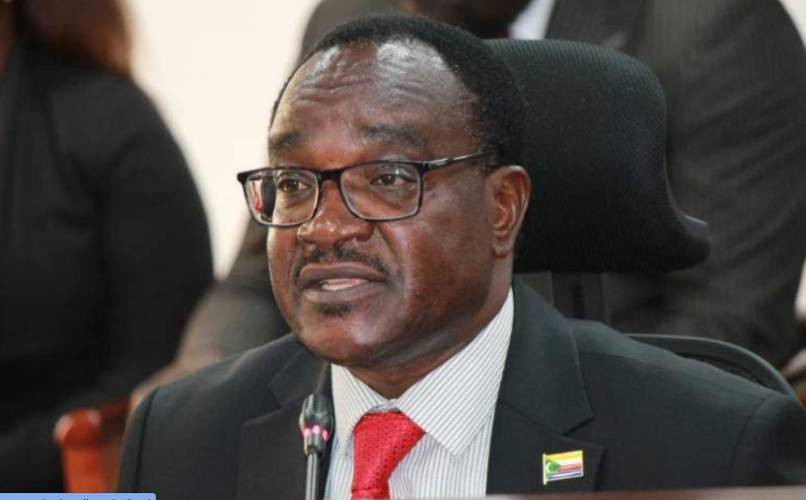
A total of 993,226 candidates sat the 2025 Kenya Certificate of Secondary Education (KCSE) examination compared to 962,512 in 2024, representing a 3.19 per cent increase, Education Cabinet Secretary Julius Ogamba has said.Speaking on Thursday, January 9, during the release of KCSE 2025 results in Eldoret, Ogamba said the number of candidates scoring an overall mean grade A increased to 1,932, up from 1,693 in 2024.Female candidates outnumbered male candidates for the second consecutive year, with 501,214 girls (50.46 per cent) and 492,012 boys (49.54 per cent) taking the exam."This moment stands as both a culmination of a long-standing tradition and the dawn of a new era, affirming our collective commitment to assessments that not only measure achievement but also nurture the competencies required for the future," Ogamba said at AIC Chebisaas Boys Secondary School.Follow The Standard
channel
on WhatsAppThe number of candidates qualifying for direct university entry with a mean grade of C+ and above rose to 270,715 (27.18 per cent) from 246,391 (25.53 per cent) in 2024.Candidates attaining grade C- and above numbered 507,131 (50.92 per cent), up from 476,889 (49.41 per cent) the previous year.National schools produced the highest number of A grade candidates at 1,526, followed by extra county schools with 197 and private schools with 185. Sub-county schools surpassed county schools in the C+ and above category, with 72,699 and 36,600 candidates, respectively.The government cancelled the results for 1,180 candidates found to have engaged in examination irregularities.Seventeen subjects recorded significant performance improvement, similar to 2024, while 11 subjects showed a decline compared to 10 subjects in the previous year.Female candidates outperformed male candidates in six subjects: English, Kiswahili, Kenyan Sign Language, Home Science, Christian Religious Education (CRE) and Art & Design.Male candidates performed better in 11 subjects, including Mathematics, Biology, Chemistry, General Science, History & Government and Geography.Performance remained comparable between genders in seven subjects: Physics, Agriculture, Computer Studies, French, German, Arabic and Music.The number of candidates aged 16 years and below increased to 26,391 (2.65 per cent) from 20,546 (2.13 per cent) in 2024. The majority of candidates, 716,048 (72.02 per cent), fell within the appropriate age bracket of 17 to 19 years.Ten counties registered significantly more male than female candidates, led by Garissa at 66.24 per cent male representation, Mandera at 65.09 per cent and Wajir at 60.10 per cent.Fourteen counties recorded higher numbers of female candidates, with Vihiga leading at 55.91 per cent, followed by Elgeyo Marakwet at 55.06 per cent and Kisumu at 53.87 per cent.Stay informed. Subscribe to our newsletterBy clicking on theSIGN UPbutton, you agree to ourTerms & Conditionsand thePrivacy PolicySIGN UPTwenty-three counties achieved near-perfect gender parity.Stay Informed, Stay Empowered: Download the Standard ePaper App!The results mark the third-to-last cohort to undertake KCSE under the 8-4-4 system as the country transitions to Competency Based Assessment (CBA).Ogamba noted the government employed a record 100,000 teachers since 2023, with 24,000 recruited this year and 25,000 promoted.The government also constructed 23,000 classrooms in the 2024/2025 financial year to support the transition of the first Grade 9 cohort and plans to build 1,600 laboratories in senior schools this year.The government released 44.2 billion shillings as capitation for learners in public basic education institutions ahead of the school opening, marking the first time in over 10 years that the funds were disbursed before schools opened.Candidates can access individual results online through the Kenya National Examinations Council website at results.knec.ac.ke using their index number and registered name.The government rationalised fees for academic programs in public universities by 15 per cent to 40 per cent, bringing costs to between 5,800 and 75,000 shillings per semester.Follow The Standard
channel
on WhatsApp
Speaking on Thursday, January 9, during the release of KCSE 2025 results in Eldoret, Ogamba said the number of candidates scoring an overall mean grade A increased to 1,932, up from 1,693 in 2024.Female candidates outnumbered male candidates for the second consecutive year, with 501,214 girls (50.46 per cent) and 492,012 boys (49.54 per cent) taking the exam."This moment stands as both a culmination of a long-standing tradition and the dawn of a new era, affirming our collective commitment to assessments that not only measure achievement but also nurture the competencies required for the future," Ogamba said at AIC Chebisaas Boys Secondary School.Follow The Standard
channel
on WhatsAppThe number of candidates qualifying for direct university entry with a mean grade of C+ and above rose to 270,715 (27.18 per cent) from 246,391 (25.53 per cent) in 2024.Candidates attaining grade C- and above numbered 507,131 (50.92 per cent), up from 476,889 (49.41 per cent) the previous year.National schools produced the highest number of A grade candidates at 1,526, followed by extra county schools with 197 and private schools with 185. Sub-county schools surpassed county schools in the C+ and above category, with 72,699 and 36,600 candidates, respectively.The government cancelled the results for 1,180 candidates found to have engaged in examination irregularities.Seventeen subjects recorded significant performance improvement, similar to 2024, while 11 subjects showed a decline compared to 10 subjects in the previous year.Female candidates outperformed male candidates in six subjects: English, Kiswahili, Kenyan Sign Language, Home Science, Christian Religious Education (CRE) and Art & Design.Male candidates performed better in 11 subjects, including Mathematics, Biology, Chemistry, General Science, History & Government and Geography.Performance remained comparable between genders in seven subjects: Physics, Agriculture, Computer Studies, French, German, Arabic and Music.The number of candidates aged 16 years and below increased to 26,391 (2.65 per cent) from 20,546 (2.13 per cent) in 2024. The majority of candidates, 716,048 (72.02 per cent), fell within the appropriate age bracket of 17 to 19 years.Ten counties registered significantly more male than female candidates, led by Garissa at 66.24 per cent male representation, Mandera at 65.09 per cent and Wajir at 60.10 per cent.Fourteen counties recorded higher numbers of female candidates, with Vihiga leading at 55.91 per cent, followed by Elgeyo Marakwet at 55.06 per cent and Kisumu at 53.87 per cent.Stay informed. Subscribe to our newsletterBy clicking on theSIGN UPbutton, you agree to ourTerms & Conditionsand thePrivacy PolicySIGN UPTwenty-three counties achieved near-perfect gender parity.Stay Informed, Stay Empowered: Download the Standard ePaper App!The results mark the third-to-last cohort to undertake KCSE under the 8-4-4 system as the country transitions to Competency Based Assessment (CBA).Ogamba noted the government employed a record 100,000 teachers since 2023, with 24,000 recruited this year and 25,000 promoted.The government also constructed 23,000 classrooms in the 2024/2025 financial year to support the transition of the first Grade 9 cohort and plans to build 1,600 laboratories in senior schools this year.The government released 44.2 billion shillings as capitation for learners in public basic education institutions ahead of the school opening, marking the first time in over 10 years that the funds were disbursed before schools opened.Candidates can access individual results online through the Kenya National Examinations Council website at results.knec.ac.ke using their index number and registered name.The government rationalised fees for academic programs in public universities by 15 per cent to 40 per cent, bringing costs to between 5,800 and 75,000 shillings per semester.Follow The Standard
channel
on WhatsApp
Female candidates outnumbered male candidates for the second consecutive year, with 501,214 girls (50.46 per cent) and 492,012 boys (49.54 per cent) taking the exam."This moment stands as both a culmination of a long-standing tradition and the dawn of a new era, affirming our collective commitment to assessments that not only measure achievement but also nurture the competencies required for the future," Ogamba said at AIC Chebisaas Boys Secondary School.Follow The Standard
channel
on WhatsAppThe number of candidates qualifying for direct university entry with a mean grade of C+ and above rose to 270,715 (27.18 per cent) from 246,391 (25.53 per cent) in 2024.Candidates attaining grade C- and above numbered 507,131 (50.92 per cent), up from 476,889 (49.41 per cent) the previous year.National schools produced the highest number of A grade candidates at 1,526, followed by extra county schools with 197 and private schools with 185. Sub-county schools surpassed county schools in the C+ and above category, with 72,699 and 36,600 candidates, respectively.The government cancelled the results for 1,180 candidates found to have engaged in examination irregularities.Seventeen subjects recorded significant performance improvement, similar to 2024, while 11 subjects showed a decline compared to 10 subjects in the previous year.Female candidates outperformed male candidates in six subjects: English, Kiswahili, Kenyan Sign Language, Home Science, Christian Religious Education (CRE) and Art & Design.Male candidates performed better in 11 subjects, including Mathematics, Biology, Chemistry, General Science, History & Government and Geography.Performance remained comparable between genders in seven subjects: Physics, Agriculture, Computer Studies, French, German, Arabic and Music.The number of candidates aged 16 years and below increased to 26,391 (2.65 per cent) from 20,546 (2.13 per cent) in 2024. The majority of candidates, 716,048 (72.02 per cent), fell within the appropriate age bracket of 17 to 19 years.Ten counties registered significantly more male than female candidates, led by Garissa at 66.24 per cent male representation, Mandera at 65.09 per cent and Wajir at 60.10 per cent.Fourteen counties recorded higher numbers of female candidates, with Vihiga leading at 55.91 per cent, followed by Elgeyo Marakwet at 55.06 per cent and Kisumu at 53.87 per cent.Stay informed. Subscribe to our newsletterBy clicking on theSIGN UPbutton, you agree to ourTerms & Conditionsand thePrivacy PolicySIGN UPTwenty-three counties achieved near-perfect gender parity.Stay Informed, Stay Empowered: Download the Standard ePaper App!The results mark the third-to-last cohort to undertake KCSE under the 8-4-4 system as the country transitions to Competency Based Assessment (CBA).Ogamba noted the government employed a record 100,000 teachers since 2023, with 24,000 recruited this year and 25,000 promoted.The government also constructed 23,000 classrooms in the 2024/2025 financial year to support the transition of the first Grade 9 cohort and plans to build 1,600 laboratories in senior schools this year.The government released 44.2 billion shillings as capitation for learners in public basic education institutions ahead of the school opening, marking the first time in over 10 years that the funds were disbursed before schools opened.Candidates can access individual results online through the Kenya National Examinations Council website at results.knec.ac.ke using their index number and registered name.The government rationalised fees for academic programs in public universities by 15 per cent to 40 per cent, bringing costs to between 5,800 and 75,000 shillings per semester.Follow The Standard
channel
on WhatsApp
"This moment stands as both a culmination of a long-standing tradition and the dawn of a new era, affirming our collective commitment to assessments that not only measure achievement but also nurture the competencies required for the future," Ogamba said at AIC Chebisaas Boys Secondary School.Follow The Standard
channel
on WhatsAppThe number of candidates qualifying for direct university entry with a mean grade of C+ and above rose to 270,715 (27.18 per cent) from 246,391 (25.53 per cent) in 2024.Candidates attaining grade C- and above numbered 507,131 (50.92 per cent), up from 476,889 (49.41 per cent) the previous year.National schools produced the highest number of A grade candidates at 1,526, followed by extra county schools with 197 and private schools with 185. Sub-county schools surpassed county schools in the C+ and above category, with 72,699 and 36,600 candidates, respectively.The government cancelled the results for 1,180 candidates found to have engaged in examination irregularities.Seventeen subjects recorded significant performance improvement, similar to 2024, while 11 subjects showed a decline compared to 10 subjects in the previous year.Female candidates outperformed male candidates in six subjects: English, Kiswahili, Kenyan Sign Language, Home Science, Christian Religious Education (CRE) and Art & Design.Male candidates performed better in 11 subjects, including Mathematics, Biology, Chemistry, General Science, History & Government and Geography.Performance remained comparable between genders in seven subjects: Physics, Agriculture, Computer Studies, French, German, Arabic and Music.The number of candidates aged 16 years and below increased to 26,391 (2.65 per cent) from 20,546 (2.13 per cent) in 2024. The majority of candidates, 716,048 (72.02 per cent), fell within the appropriate age bracket of 17 to 19 years.Ten counties registered significantly more male than female candidates, led by Garissa at 66.24 per cent male representation, Mandera at 65.09 per cent and Wajir at 60.10 per cent.Fourteen counties recorded higher numbers of female candidates, with Vihiga leading at 55.91 per cent, followed by Elgeyo Marakwet at 55.06 per cent and Kisumu at 53.87 per cent.Stay informed. Subscribe to our newsletterBy clicking on theSIGN UPbutton, you agree to ourTerms & Conditionsand thePrivacy PolicySIGN UPTwenty-three counties achieved near-perfect gender parity.Stay Informed, Stay Empowered: Download the Standard ePaper App!The results mark the third-to-last cohort to undertake KCSE under the 8-4-4 system as the country transitions to Competency Based Assessment (CBA).Ogamba noted the government employed a record 100,000 teachers since 2023, with 24,000 recruited this year and 25,000 promoted.The government also constructed 23,000 classrooms in the 2024/2025 financial year to support the transition of the first Grade 9 cohort and plans to build 1,600 laboratories in senior schools this year.The government released 44.2 billion shillings as capitation for learners in public basic education institutions ahead of the school opening, marking the first time in over 10 years that the funds were disbursed before schools opened.Candidates can access individual results online through the Kenya National Examinations Council website at results.knec.ac.ke using their index number and registered name.The government rationalised fees for academic programs in public universities by 15 per cent to 40 per cent, bringing costs to between 5,800 and 75,000 shillings per semester.Follow The Standard
channel
on WhatsApp
The number of candidates qualifying for direct university entry with a mean grade of C+ and above rose to 270,715 (27.18 per cent) from 246,391 (25.53 per cent) in 2024.Candidates attaining grade C- and above numbered 507,131 (50.92 per cent), up from 476,889 (49.41 per cent) the previous year.National schools produced the highest number of A grade candidates at 1,526, followed by extra county schools with 197 and private schools with 185. Sub-county schools surpassed county schools in the C+ and above category, with 72,699 and 36,600 candidates, respectively.The government cancelled the results for 1,180 candidates found to have engaged in examination irregularities.Seventeen subjects recorded significant performance improvement, similar to 2024, while 11 subjects showed a decline compared to 10 subjects in the previous year.Female candidates outperformed male candidates in six subjects: English, Kiswahili, Kenyan Sign Language, Home Science, Christian Religious Education (CRE) and Art & Design.Male candidates performed better in 11 subjects, including Mathematics, Biology, Chemistry, General Science, History & Government and Geography.Performance remained comparable between genders in seven subjects: Physics, Agriculture, Computer Studies, French, German, Arabic and Music.The number of candidates aged 16 years and below increased to 26,391 (2.65 per cent) from 20,546 (2.13 per cent) in 2024. The majority of candidates, 716,048 (72.02 per cent), fell within the appropriate age bracket of 17 to 19 years.Ten counties registered significantly more male than female candidates, led by Garissa at 66.24 per cent male representation, Mandera at 65.09 per cent and Wajir at 60.10 per cent.Fourteen counties recorded higher numbers of female candidates, with Vihiga leading at 55.91 per cent, followed by Elgeyo Marakwet at 55.06 per cent and Kisumu at 53.87 per cent.Stay informed. Subscribe to our newsletterBy clicking on theSIGN UPbutton, you agree to ourTerms & Conditionsand thePrivacy PolicySIGN UPTwenty-three counties achieved near-perfect gender parity.Stay Informed, Stay Empowered: Download the Standard ePaper App!The results mark the third-to-last cohort to undertake KCSE under the 8-4-4 system as the country transitions to Competency Based Assessment (CBA).Ogamba noted the government employed a record 100,000 teachers since 2023, with 24,000 recruited this year and 25,000 promoted.The government also constructed 23,000 classrooms in the 2024/2025 financial year to support the transition of the first Grade 9 cohort and plans to build 1,600 laboratories in senior schools this year.The government released 44.2 billion shillings as capitation for learners in public basic education institutions ahead of the school opening, marking the first time in over 10 years that the funds were disbursed before schools opened.Candidates can access individual results online through the Kenya National Examinations Council website at results.knec.ac.ke using their index number and registered name.The government rationalised fees for academic programs in public universities by 15 per cent to 40 per cent, bringing costs to between 5,800 and 75,000 shillings per semester.Follow The Standard
channel
on WhatsApp
Candidates attaining grade C- and above numbered 507,131 (50.92 per cent), up from 476,889 (49.41 per cent) the previous year.National schools produced the highest number of A grade candidates at 1,526, followed by extra county schools with 197 and private schools with 185. Sub-county schools surpassed county schools in the C+ and above category, with 72,699 and 36,600 candidates, respectively.The government cancelled the results for 1,180 candidates found to have engaged in examination irregularities.Seventeen subjects recorded significant performance improvement, similar to 2024, while 11 subjects showed a decline compared to 10 subjects in the previous year.Female candidates outperformed male candidates in six subjects: English, Kiswahili, Kenyan Sign Language, Home Science, Christian Religious Education (CRE) and Art & Design.Male candidates performed better in 11 subjects, including Mathematics, Biology, Chemistry, General Science, History & Government and Geography.Performance remained comparable between genders in seven subjects: Physics, Agriculture, Computer Studies, French, German, Arabic and Music.The number of candidates aged 16 years and below increased to 26,391 (2.65 per cent) from 20,546 (2.13 per cent) in 2024. The majority of candidates, 716,048 (72.02 per cent), fell within the appropriate age bracket of 17 to 19 years.Ten counties registered significantly more male than female candidates, led by Garissa at 66.24 per cent male representation, Mandera at 65.09 per cent and Wajir at 60.10 per cent.Fourteen counties recorded higher numbers of female candidates, with Vihiga leading at 55.91 per cent, followed by Elgeyo Marakwet at 55.06 per cent and Kisumu at 53.87 per cent.Stay informed. Subscribe to our newsletterBy clicking on theSIGN UPbutton, you agree to ourTerms & Conditionsand thePrivacy PolicySIGN UPTwenty-three counties achieved near-perfect gender parity.Stay Informed, Stay Empowered: Download the Standard ePaper App!The results mark the third-to-last cohort to undertake KCSE under the 8-4-4 system as the country transitions to Competency Based Assessment (CBA).Ogamba noted the government employed a record 100,000 teachers since 2023, with 24,000 recruited this year and 25,000 promoted.The government also constructed 23,000 classrooms in the 2024/2025 financial year to support the transition of the first Grade 9 cohort and plans to build 1,600 laboratories in senior schools this year.The government released 44.2 billion shillings as capitation for learners in public basic education institutions ahead of the school opening, marking the first time in over 10 years that the funds were disbursed before schools opened.Candidates can access individual results online through the Kenya National Examinations Council website at results.knec.ac.ke using their index number and registered name.The government rationalised fees for academic programs in public universities by 15 per cent to 40 per cent, bringing costs to between 5,800 and 75,000 shillings per semester.Follow The Standard
channel
on WhatsApp
National schools produced the highest number of A grade candidates at 1,526, followed by extra county schools with 197 and private schools with 185. Sub-county schools surpassed county schools in the C+ and above category, with 72,699 and 36,600 candidates, respectively.The government cancelled the results for 1,180 candidates found to have engaged in examination irregularities.Seventeen subjects recorded significant performance improvement, similar to 2024, while 11 subjects showed a decline compared to 10 subjects in the previous year.Female candidates outperformed male candidates in six subjects: English, Kiswahili, Kenyan Sign Language, Home Science, Christian Religious Education (CRE) and Art & Design.Male candidates performed better in 11 subjects, including Mathematics, Biology, Chemistry, General Science, History & Government and Geography.Performance remained comparable between genders in seven subjects: Physics, Agriculture, Computer Studies, French, German, Arabic and Music.The number of candidates aged 16 years and below increased to 26,391 (2.65 per cent) from 20,546 (2.13 per cent) in 2024. The majority of candidates, 716,048 (72.02 per cent), fell within the appropriate age bracket of 17 to 19 years.Ten counties registered significantly more male than female candidates, led by Garissa at 66.24 per cent male representation, Mandera at 65.09 per cent and Wajir at 60.10 per cent.Fourteen counties recorded higher numbers of female candidates, with Vihiga leading at 55.91 per cent, followed by Elgeyo Marakwet at 55.06 per cent and Kisumu at 53.87 per cent.Stay informed. Subscribe to our newsletterBy clicking on theSIGN UPbutton, you agree to ourTerms & Conditionsand thePrivacy PolicySIGN UPTwenty-three counties achieved near-perfect gender parity.Stay Informed, Stay Empowered: Download the Standard ePaper App!The results mark the third-to-last cohort to undertake KCSE under the 8-4-4 system as the country transitions to Competency Based Assessment (CBA).Ogamba noted the government employed a record 100,000 teachers since 2023, with 24,000 recruited this year and 25,000 promoted.The government also constructed 23,000 classrooms in the 2024/2025 financial year to support the transition of the first Grade 9 cohort and plans to build 1,600 laboratories in senior schools this year.The government released 44.2 billion shillings as capitation for learners in public basic education institutions ahead of the school opening, marking the first time in over 10 years that the funds were disbursed before schools opened.Candidates can access individual results online through the Kenya National Examinations Council website at results.knec.ac.ke using their index number and registered name.The government rationalised fees for academic programs in public universities by 15 per cent to 40 per cent, bringing costs to between 5,800 and 75,000 shillings per semester.Follow The Standard
channel
on WhatsApp
The government cancelled the results for 1,180 candidates found to have engaged in examination irregularities.Seventeen subjects recorded significant performance improvement, similar to 2024, while 11 subjects showed a decline compared to 10 subjects in the previous year.Female candidates outperformed male candidates in six subjects: English, Kiswahili, Kenyan Sign Language, Home Science, Christian Religious Education (CRE) and Art & Design.Male candidates performed better in 11 subjects, including Mathematics, Biology, Chemistry, General Science, History & Government and Geography.Performance remained comparable between genders in seven subjects: Physics, Agriculture, Computer Studies, French, German, Arabic and Music.The number of candidates aged 16 years and below increased to 26,391 (2.65 per cent) from 20,546 (2.13 per cent) in 2024. The majority of candidates, 716,048 (72.02 per cent), fell within the appropriate age bracket of 17 to 19 years.Ten counties registered significantly more male than female candidates, led by Garissa at 66.24 per cent male representation, Mandera at 65.09 per cent and Wajir at 60.10 per cent.Fourteen counties recorded higher numbers of female candidates, with Vihiga leading at 55.91 per cent, followed by Elgeyo Marakwet at 55.06 per cent and Kisumu at 53.87 per cent.Stay informed. Subscribe to our newsletterBy clicking on theSIGN UPbutton, you agree to ourTerms & Conditionsand thePrivacy PolicySIGN UPTwenty-three counties achieved near-perfect gender parity.Stay Informed, Stay Empowered: Download the Standard ePaper App!The results mark the third-to-last cohort to undertake KCSE under the 8-4-4 system as the country transitions to Competency Based Assessment (CBA).Ogamba noted the government employed a record 100,000 teachers since 2023, with 24,000 recruited this year and 25,000 promoted.The government also constructed 23,000 classrooms in the 2024/2025 financial year to support the transition of the first Grade 9 cohort and plans to build 1,600 laboratories in senior schools this year.The government released 44.2 billion shillings as capitation for learners in public basic education institutions ahead of the school opening, marking the first time in over 10 years that the funds were disbursed before schools opened.Candidates can access individual results online through the Kenya National Examinations Council website at results.knec.ac.ke using their index number and registered name.The government rationalised fees for academic programs in public universities by 15 per cent to 40 per cent, bringing costs to between 5,800 and 75,000 shillings per semester.Follow The Standard
channel
on WhatsApp
Seventeen subjects recorded significant performance improvement, similar to 2024, while 11 subjects showed a decline compared to 10 subjects in the previous year.Female candidates outperformed male candidates in six subjects: English, Kiswahili, Kenyan Sign Language, Home Science, Christian Religious Education (CRE) and Art & Design.Male candidates performed better in 11 subjects, including Mathematics, Biology, Chemistry, General Science, History & Government and Geography.Performance remained comparable between genders in seven subjects: Physics, Agriculture, Computer Studies, French, German, Arabic and Music.The number of candidates aged 16 years and below increased to 26,391 (2.65 per cent) from 20,546 (2.13 per cent) in 2024. The majority of candidates, 716,048 (72.02 per cent), fell within the appropriate age bracket of 17 to 19 years.Ten counties registered significantly more male than female candidates, led by Garissa at 66.24 per cent male representation, Mandera at 65.09 per cent and Wajir at 60.10 per cent.Fourteen counties recorded higher numbers of female candidates, with Vihiga leading at 55.91 per cent, followed by Elgeyo Marakwet at 55.06 per cent and Kisumu at 53.87 per cent.Stay informed. Subscribe to our newsletterBy clicking on theSIGN UPbutton, you agree to ourTerms & Conditionsand thePrivacy PolicySIGN UPTwenty-three counties achieved near-perfect gender parity.Stay Informed, Stay Empowered: Download the Standard ePaper App!The results mark the third-to-last cohort to undertake KCSE under the 8-4-4 system as the country transitions to Competency Based Assessment (CBA).Ogamba noted the government employed a record 100,000 teachers since 2023, with 24,000 recruited this year and 25,000 promoted.The government also constructed 23,000 classrooms in the 2024/2025 financial year to support the transition of the first Grade 9 cohort and plans to build 1,600 laboratories in senior schools this year.The government released 44.2 billion shillings as capitation for learners in public basic education institutions ahead of the school opening, marking the first time in over 10 years that the funds were disbursed before schools opened.Candidates can access individual results online through the Kenya National Examinations Council website at results.knec.ac.ke using their index number and registered name.The government rationalised fees for academic programs in public universities by 15 per cent to 40 per cent, bringing costs to between 5,800 and 75,000 shillings per semester.Follow The Standard
channel
on WhatsApp
Female candidates outperformed male candidates in six subjects: English, Kiswahili, Kenyan Sign Language, Home Science, Christian Religious Education (CRE) and Art & Design.Male candidates performed better in 11 subjects, including Mathematics, Biology, Chemistry, General Science, History & Government and Geography.Performance remained comparable between genders in seven subjects: Physics, Agriculture, Computer Studies, French, German, Arabic and Music.The number of candidates aged 16 years and below increased to 26,391 (2.65 per cent) from 20,546 (2.13 per cent) in 2024. The majority of candidates, 716,048 (72.02 per cent), fell within the appropriate age bracket of 17 to 19 years.Ten counties registered significantly more male than female candidates, led by Garissa at 66.24 per cent male representation, Mandera at 65.09 per cent and Wajir at 60.10 per cent.Fourteen counties recorded higher numbers of female candidates, with Vihiga leading at 55.91 per cent, followed by Elgeyo Marakwet at 55.06 per cent and Kisumu at 53.87 per cent.Stay informed. Subscribe to our newsletterBy clicking on theSIGN UPbutton, you agree to ourTerms & Conditionsand thePrivacy PolicySIGN UPTwenty-three counties achieved near-perfect gender parity.Stay Informed, Stay Empowered: Download the Standard ePaper App!The results mark the third-to-last cohort to undertake KCSE under the 8-4-4 system as the country transitions to Competency Based Assessment (CBA).Ogamba noted the government employed a record 100,000 teachers since 2023, with 24,000 recruited this year and 25,000 promoted.The government also constructed 23,000 classrooms in the 2024/2025 financial year to support the transition of the first Grade 9 cohort and plans to build 1,600 laboratories in senior schools this year.The government released 44.2 billion shillings as capitation for learners in public basic education institutions ahead of the school opening, marking the first time in over 10 years that the funds were disbursed before schools opened.Candidates can access individual results online through the Kenya National Examinations Council website at results.knec.ac.ke using their index number and registered name.The government rationalised fees for academic programs in public universities by 15 per cent to 40 per cent, bringing costs to between 5,800 and 75,000 shillings per semester.Follow The Standard
channel
on WhatsApp
Male candidates performed better in 11 subjects, including Mathematics, Biology, Chemistry, General Science, History & Government and Geography.Performance remained comparable between genders in seven subjects: Physics, Agriculture, Computer Studies, French, German, Arabic and Music.The number of candidates aged 16 years and below increased to 26,391 (2.65 per cent) from 20,546 (2.13 per cent) in 2024. The majority of candidates, 716,048 (72.02 per cent), fell within the appropriate age bracket of 17 to 19 years.Ten counties registered significantly more male than female candidates, led by Garissa at 66.24 per cent male representation, Mandera at 65.09 per cent and Wajir at 60.10 per cent.Fourteen counties recorded higher numbers of female candidates, with Vihiga leading at 55.91 per cent, followed by Elgeyo Marakwet at 55.06 per cent and Kisumu at 53.87 per cent.Stay informed. Subscribe to our newsletterBy clicking on theSIGN UPbutton, you agree to ourTerms & Conditionsand thePrivacy PolicySIGN UPTwenty-three counties achieved near-perfect gender parity.Stay Informed, Stay Empowered: Download the Standard ePaper App!The results mark the third-to-last cohort to undertake KCSE under the 8-4-4 system as the country transitions to Competency Based Assessment (CBA).Ogamba noted the government employed a record 100,000 teachers since 2023, with 24,000 recruited this year and 25,000 promoted.The government also constructed 23,000 classrooms in the 2024/2025 financial year to support the transition of the first Grade 9 cohort and plans to build 1,600 laboratories in senior schools this year.The government released 44.2 billion shillings as capitation for learners in public basic education institutions ahead of the school opening, marking the first time in over 10 years that the funds were disbursed before schools opened.Candidates can access individual results online through the Kenya National Examinations Council website at results.knec.ac.ke using their index number and registered name.The government rationalised fees for academic programs in public universities by 15 per cent to 40 per cent, bringing costs to between 5,800 and 75,000 shillings per semester.Follow The Standard
channel
on WhatsApp
Performance remained comparable between genders in seven subjects: Physics, Agriculture, Computer Studies, French, German, Arabic and Music.The number of candidates aged 16 years and below increased to 26,391 (2.65 per cent) from 20,546 (2.13 per cent) in 2024. The majority of candidates, 716,048 (72.02 per cent), fell within the appropriate age bracket of 17 to 19 years.Ten counties registered significantly more male than female candidates, led by Garissa at 66.24 per cent male representation, Mandera at 65.09 per cent and Wajir at 60.10 per cent.Fourteen counties recorded higher numbers of female candidates, with Vihiga leading at 55.91 per cent, followed by Elgeyo Marakwet at 55.06 per cent and Kisumu at 53.87 per cent.Stay informed. Subscribe to our newsletterBy clicking on theSIGN UPbutton, you agree to ourTerms & Conditionsand thePrivacy PolicySIGN UPTwenty-three counties achieved near-perfect gender parity.Stay Informed, Stay Empowered: Download the Standard ePaper App!The results mark the third-to-last cohort to undertake KCSE under the 8-4-4 system as the country transitions to Competency Based Assessment (CBA).Ogamba noted the government employed a record 100,000 teachers since 2023, with 24,000 recruited this year and 25,000 promoted.The government also constructed 23,000 classrooms in the 2024/2025 financial year to support the transition of the first Grade 9 cohort and plans to build 1,600 laboratories in senior schools this year.The government released 44.2 billion shillings as capitation for learners in public basic education institutions ahead of the school opening, marking the first time in over 10 years that the funds were disbursed before schools opened.Candidates can access individual results online through the Kenya National Examinations Council website at results.knec.ac.ke using their index number and registered name.The government rationalised fees for academic programs in public universities by 15 per cent to 40 per cent, bringing costs to between 5,800 and 75,000 shillings per semester.Follow The Standard
channel
on WhatsApp
The number of candidates aged 16 years and below increased to 26,391 (2.65 per cent) from 20,546 (2.13 per cent) in 2024. The majority of candidates, 716,048 (72.02 per cent), fell within the appropriate age bracket of 17 to 19 years.Ten counties registered significantly more male than female candidates, led by Garissa at 66.24 per cent male representation, Mandera at 65.09 per cent and Wajir at 60.10 per cent.Fourteen counties recorded higher numbers of female candidates, with Vihiga leading at 55.91 per cent, followed by Elgeyo Marakwet at 55.06 per cent and Kisumu at 53.87 per cent.Stay informed. Subscribe to our newsletterBy clicking on theSIGN UPbutton, you agree to ourTerms & Conditionsand thePrivacy PolicySIGN UPTwenty-three counties achieved near-perfect gender parity.Stay Informed, Stay Empowered: Download the Standard ePaper App!The results mark the third-to-last cohort to undertake KCSE under the 8-4-4 system as the country transitions to Competency Based Assessment (CBA).Ogamba noted the government employed a record 100,000 teachers since 2023, with 24,000 recruited this year and 25,000 promoted.The government also constructed 23,000 classrooms in the 2024/2025 financial year to support the transition of the first Grade 9 cohort and plans to build 1,600 laboratories in senior schools this year.The government released 44.2 billion shillings as capitation for learners in public basic education institutions ahead of the school opening, marking the first time in over 10 years that the funds were disbursed before schools opened.Candidates can access individual results online through the Kenya National Examinations Council website at results.knec.ac.ke using their index number and registered name.The government rationalised fees for academic programs in public universities by 15 per cent to 40 per cent, bringing costs to between 5,800 and 75,000 shillings per semester.Follow The Standard
channel
on WhatsApp
Ten counties registered significantly more male than female candidates, led by Garissa at 66.24 per cent male representation, Mandera at 65.09 per cent and Wajir at 60.10 per cent.Fourteen counties recorded higher numbers of female candidates, with Vihiga leading at 55.91 per cent, followed by Elgeyo Marakwet at 55.06 per cent and Kisumu at 53.87 per cent.Stay informed. Subscribe to our newsletterBy clicking on theSIGN UPbutton, you agree to ourTerms & Conditionsand thePrivacy PolicySIGN UPTwenty-three counties achieved near-perfect gender parity.Stay Informed, Stay Empowered: Download the Standard ePaper App!The results mark the third-to-last cohort to undertake KCSE under the 8-4-4 system as the country transitions to Competency Based Assessment (CBA).Ogamba noted the government employed a record 100,000 teachers since 2023, with 24,000 recruited this year and 25,000 promoted.The government also constructed 23,000 classrooms in the 2024/2025 financial year to support the transition of the first Grade 9 cohort and plans to build 1,600 laboratories in senior schools this year.The government released 44.2 billion shillings as capitation for learners in public basic education institutions ahead of the school opening, marking the first time in over 10 years that the funds were disbursed before schools opened.Candidates can access individual results online through the Kenya National Examinations Council website at results.knec.ac.ke using their index number and registered name.The government rationalised fees for academic programs in public universities by 15 per cent to 40 per cent, bringing costs to between 5,800 and 75,000 shillings per semester.Follow The Standard
channel
on WhatsApp
Fourteen counties recorded higher numbers of female candidates, with Vihiga leading at 55.91 per cent, followed by Elgeyo Marakwet at 55.06 per cent and Kisumu at 53.87 per cent.Stay informed. Subscribe to our newsletterBy clicking on theSIGN UPbutton, you agree to ourTerms & Conditionsand thePrivacy PolicySIGN UPTwenty-three counties achieved near-perfect gender parity.Stay Informed, Stay Empowered: Download the Standard ePaper App!The results mark the third-to-last cohort to undertake KCSE under the 8-4-4 system as the country transitions to Competency Based Assessment (CBA).Ogamba noted the government employed a record 100,000 teachers since 2023, with 24,000 recruited this year and 25,000 promoted.The government also constructed 23,000 classrooms in the 2024/2025 financial year to support the transition of the first Grade 9 cohort and plans to build 1,600 laboratories in senior schools this year.The government released 44.2 billion shillings as capitation for learners in public basic education institutions ahead of the school opening, marking the first time in over 10 years that the funds were disbursed before schools opened.Candidates can access individual results online through the Kenya National Examinations Council website at results.knec.ac.ke using their index number and registered name.The government rationalised fees for academic programs in public universities by 15 per cent to 40 per cent, bringing costs to between 5,800 and 75,000 shillings per semester.Follow The Standard
channel
on WhatsApp
Twenty-three counties achieved near-perfect gender parity.Stay Informed, Stay Empowered: Download the Standard ePaper App!The results mark the third-to-last cohort to undertake KCSE under the 8-4-4 system as the country transitions to Competency Based Assessment (CBA).Ogamba noted the government employed a record 100,000 teachers since 2023, with 24,000 recruited this year and 25,000 promoted.The government also constructed 23,000 classrooms in the 2024/2025 financial year to support the transition of the first Grade 9 cohort and plans to build 1,600 laboratories in senior schools this year.The government released 44.2 billion shillings as capitation for learners in public basic education institutions ahead of the school opening, marking the first time in over 10 years that the funds were disbursed before schools opened.Candidates can access individual results online through the Kenya National Examinations Council website at results.knec.ac.ke using their index number and registered name.The government rationalised fees for academic programs in public universities by 15 per cent to 40 per cent, bringing costs to between 5,800 and 75,000 shillings per semester.Follow The Standard
channel
on WhatsApp
The results mark the third-to-last cohort to undertake KCSE under the 8-4-4 system as the country transitions to Competency Based Assessment (CBA).Ogamba noted the government employed a record 100,000 teachers since 2023, with 24,000 recruited this year and 25,000 promoted.The government also constructed 23,000 classrooms in the 2024/2025 financial year to support the transition of the first Grade 9 cohort and plans to build 1,600 laboratories in senior schools this year.The government released 44.2 billion shillings as capitation for learners in public basic education institutions ahead of the school opening, marking the first time in over 10 years that the funds were disbursed before schools opened.Candidates can access individual results online through the Kenya National Examinations Council website at results.knec.ac.ke using their index number and registered name.The government rationalised fees for academic programs in public universities by 15 per cent to 40 per cent, bringing costs to between 5,800 and 75,000 shillings per semester.Follow The Standard
channel
on WhatsApp
Ogamba noted the government employed a record 100,000 teachers since 2023, with 24,000 recruited this year and 25,000 promoted.The government also constructed 23,000 classrooms in the 2024/2025 financial year to support the transition of the first Grade 9 cohort and plans to build 1,600 laboratories in senior schools this year.The government released 44.2 billion shillings as capitation for learners in public basic education institutions ahead of the school opening, marking the first time in over 10 years that the funds were disbursed before schools opened.Candidates can access individual results online through the Kenya National Examinations Council website at results.knec.ac.ke using their index number and registered name.The government rationalised fees for academic programs in public universities by 15 per cent to 40 per cent, bringing costs to between 5,800 and 75,000 shillings per semester.Follow The Standard
channel
on WhatsApp
The government also constructed 23,000 classrooms in the 2024/2025 financial year to support the transition of the first Grade 9 cohort and plans to build 1,600 laboratories in senior schools this year.The government released 44.2 billion shillings as capitation for learners in public basic education institutions ahead of the school opening, marking the first time in over 10 years that the funds were disbursed before schools opened.Candidates can access individual results online through the Kenya National Examinations Council website at results.knec.ac.ke using their index number and registered name.The government rationalised fees for academic programs in public universities by 15 per cent to 40 per cent, bringing costs to between 5,800 and 75,000 shillings per semester.Follow The Standard
channel
on WhatsApp
The government released 44.2 billion shillings as capitation for learners in public basic education institutions ahead of the school opening, marking the first time in over 10 years that the funds were disbursed before schools opened.Candidates can access individual results online through the Kenya National Examinations Council website at results.knec.ac.ke using their index number and registered name.The government rationalised fees for academic programs in public universities by 15 per cent to 40 per cent, bringing costs to between 5,800 and 75,000 shillings per semester.Follow The Standard
channel
on WhatsApp
Candidates can access individual results online through the Kenya National Examinations Council website at results.knec.ac.ke using their index number and registered name.The government rationalised fees for academic programs in public universities by 15 per cent to 40 per cent, bringing costs to between 5,800 and 75,000 shillings per semester.Follow The Standard
channel
on WhatsApp
The government rationalised fees for academic programs in public universities by 15 per cent to 40 per cent, bringing costs to between 5,800 and 75,000 shillings per semester.Follow The Standard
channel
on WhatsApp
Subscribe to our newsletter and stay updated on the latest developments and special
offers!
Pick your favourite topics below for a tailor made homepage just for you