
Caregiver College: Has the future arrived prematurely?
Source: The Standard
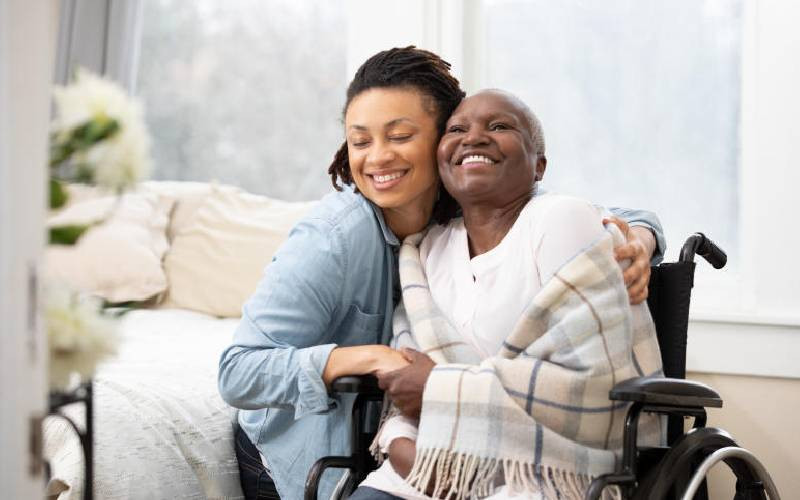
Many Kenyans in developed countries work in the healthcare industry. One subset of this industry is caregiving. If you have elderly parents, you probably have an idea what caregiving is all about.As we age, we are unable to do lots of things we easily did, from walking, cooking, showering, feeding and other activities. Caregivers come in to assist the elderly. We got such care as babies.The longevity in the developed countries, thanks to advances in medicine and the ability to pay for caregiving, drives the caregiving industry.Follow The Standard
channel
on WhatsAppFamilies have fewer children, meaning the pool of caregivers is small. It is not surprising that immigrants play a big role in the developed countries‘ caregiving industry. Traditionally, younger family members took care of the elderly. That industry is finally here. A signboard for “Caregiver College “on Kiambu road shows that the demand is on the rise.Not so surprisingly, we are living longer and having fewer children, which in turn creates a demand for caregivers. We may not import immigrants; we have enough caregivers courtesy of our youthful population.We probably never thought of the unintended consequences of smaller families, and that development was not just about highways, cars, and household technology. We were too mesmerised by the exuberance of the youth and middle-aged. Yet old age is never far.Faith-based organisationsIn addition to caregiver colleges, nursing homes, as homes for the elderly, as they are called in the West, will become common.Some are owned by faith-based organisations, but it’s a matter of time before private homes start filling the void. The future has arrived prematurely.The next phase of the premature arrival of the future will be “downgrading, “selling off our big houses as children leave home, and we head to nursing homes. Didn’t we finally accept cremation?In the last 60 years, we have been too focused on the rosy part of development. We now must face the unintended consequences, like caring for the elderly as we get fewer children and live longer.Ageing is part of the lifecycle, but we hope to delay it as much as possible. But not indefinitely. We hope the emerging facilities for the elderly will be homely and lovely as the elders spend the last phase of their lives.But the best place to age is your home, surrounded by family and love. Economic reality has upended that comfort. Maybe with artificial intelligence (AI), we could one day get a drug that will stop ageing.Unfortunately, that would have unintended consequences, unless we find some empty and habitable exoplanets to accommodate the excess population.Stay informed. Subscribe to our newsletterBy clicking on theSIGN UPbutton, you agree to ourTerms & Conditionsand thePrivacy PolicySIGN UPStay Informed, Stay Empowered: Download the Standard ePaper App!Follow The Standard
channel
on WhatsApp
Many Kenyans in developed countries work in the healthcare industry. One subset of this industry is caregiving. If you have elderly parents, you probably have an idea what caregiving is all about.As we age, we are unable to do lots of things we easily did, from walking, cooking, showering, feeding and other activities. Caregivers come in to assist the elderly. We got such care as babies.The longevity in the developed countries, thanks to advances in medicine and the ability to pay for caregiving, drives the caregiving industry.Follow The Standard
channel
on WhatsAppFamilies have fewer children, meaning the pool of caregivers is small. It is not surprising that immigrants play a big role in the developed countries‘ caregiving industry. Traditionally, younger family members took care of the elderly. That industry is finally here. A signboard for “Caregiver College “on Kiambu road shows that the demand is on the rise.Not so surprisingly, we are living longer and having fewer children, which in turn creates a demand for caregivers. We may not import immigrants; we have enough caregivers courtesy of our youthful population.We probably never thought of the unintended consequences of smaller families, and that development was not just about highways, cars, and household technology. We were too mesmerised by the exuberance of the youth and middle-aged. Yet old age is never far.Faith-based organisationsIn addition to caregiver colleges, nursing homes, as homes for the elderly, as they are called in the West, will become common.Some are owned by faith-based organisations, but it’s a matter of time before private homes start filling the void. The future has arrived prematurely.The next phase of the premature arrival of the future will be “downgrading, “selling off our big houses as children leave home, and we head to nursing homes. Didn’t we finally accept cremation?In the last 60 years, we have been too focused on the rosy part of development. We now must face the unintended consequences, like caring for the elderly as we get fewer children and live longer.Ageing is part of the lifecycle, but we hope to delay it as much as possible. But not indefinitely. We hope the emerging facilities for the elderly will be homely and lovely as the elders spend the last phase of their lives.But the best place to age is your home, surrounded by family and love. Economic reality has upended that comfort. Maybe with artificial intelligence (AI), we could one day get a drug that will stop ageing.Unfortunately, that would have unintended consequences, unless we find some empty and habitable exoplanets to accommodate the excess population.Stay informed. Subscribe to our newsletterBy clicking on theSIGN UPbutton, you agree to ourTerms & Conditionsand thePrivacy PolicySIGN UPStay Informed, Stay Empowered: Download the Standard ePaper App!Follow The Standard
channel
on WhatsApp
As we age, we are unable to do lots of things we easily did, from walking, cooking, showering, feeding and other activities. Caregivers come in to assist the elderly. We got such care as babies.The longevity in the developed countries, thanks to advances in medicine and the ability to pay for caregiving, drives the caregiving industry.Follow The Standard
channel
on WhatsAppFamilies have fewer children, meaning the pool of caregivers is small. It is not surprising that immigrants play a big role in the developed countries‘ caregiving industry. Traditionally, younger family members took care of the elderly. That industry is finally here. A signboard for “Caregiver College “on Kiambu road shows that the demand is on the rise.Not so surprisingly, we are living longer and having fewer children, which in turn creates a demand for caregivers. We may not import immigrants; we have enough caregivers courtesy of our youthful population.We probably never thought of the unintended consequences of smaller families, and that development was not just about highways, cars, and household technology. We were too mesmerised by the exuberance of the youth and middle-aged. Yet old age is never far.Faith-based organisationsIn addition to caregiver colleges, nursing homes, as homes for the elderly, as they are called in the West, will become common.Some are owned by faith-based organisations, but it’s a matter of time before private homes start filling the void. The future has arrived prematurely.The next phase of the premature arrival of the future will be “downgrading, “selling off our big houses as children leave home, and we head to nursing homes. Didn’t we finally accept cremation?In the last 60 years, we have been too focused on the rosy part of development. We now must face the unintended consequences, like caring for the elderly as we get fewer children and live longer.Ageing is part of the lifecycle, but we hope to delay it as much as possible. But not indefinitely. We hope the emerging facilities for the elderly will be homely and lovely as the elders spend the last phase of their lives.But the best place to age is your home, surrounded by family and love. Economic reality has upended that comfort. Maybe with artificial intelligence (AI), we could one day get a drug that will stop ageing.Unfortunately, that would have unintended consequences, unless we find some empty and habitable exoplanets to accommodate the excess population.Stay informed. Subscribe to our newsletterBy clicking on theSIGN UPbutton, you agree to ourTerms & Conditionsand thePrivacy PolicySIGN UPStay Informed, Stay Empowered: Download the Standard ePaper App!Follow The Standard
channel
on WhatsApp
The longevity in the developed countries, thanks to advances in medicine and the ability to pay for caregiving, drives the caregiving industry.Follow The Standard
channel
on WhatsAppFamilies have fewer children, meaning the pool of caregivers is small. It is not surprising that immigrants play a big role in the developed countries‘ caregiving industry. Traditionally, younger family members took care of the elderly. That industry is finally here. A signboard for “Caregiver College “on Kiambu road shows that the demand is on the rise.Not so surprisingly, we are living longer and having fewer children, which in turn creates a demand for caregivers. We may not import immigrants; we have enough caregivers courtesy of our youthful population.We probably never thought of the unintended consequences of smaller families, and that development was not just about highways, cars, and household technology. We were too mesmerised by the exuberance of the youth and middle-aged. Yet old age is never far.Faith-based organisationsIn addition to caregiver colleges, nursing homes, as homes for the elderly, as they are called in the West, will become common.Some are owned by faith-based organisations, but it’s a matter of time before private homes start filling the void. The future has arrived prematurely.The next phase of the premature arrival of the future will be “downgrading, “selling off our big houses as children leave home, and we head to nursing homes. Didn’t we finally accept cremation?In the last 60 years, we have been too focused on the rosy part of development. We now must face the unintended consequences, like caring for the elderly as we get fewer children and live longer.Ageing is part of the lifecycle, but we hope to delay it as much as possible. But not indefinitely. We hope the emerging facilities for the elderly will be homely and lovely as the elders spend the last phase of their lives.But the best place to age is your home, surrounded by family and love. Economic reality has upended that comfort. Maybe with artificial intelligence (AI), we could one day get a drug that will stop ageing.Unfortunately, that would have unintended consequences, unless we find some empty and habitable exoplanets to accommodate the excess population.Stay informed. Subscribe to our newsletterBy clicking on theSIGN UPbutton, you agree to ourTerms & Conditionsand thePrivacy PolicySIGN UPStay Informed, Stay Empowered: Download the Standard ePaper App!Follow The Standard
channel
on WhatsApp
Families have fewer children, meaning the pool of caregivers is small. It is not surprising that immigrants play a big role in the developed countries‘ caregiving industry. Traditionally, younger family members took care of the elderly. That industry is finally here. A signboard for “Caregiver College “on Kiambu road shows that the demand is on the rise.Not so surprisingly, we are living longer and having fewer children, which in turn creates a demand for caregivers. We may not import immigrants; we have enough caregivers courtesy of our youthful population.We probably never thought of the unintended consequences of smaller families, and that development was not just about highways, cars, and household technology. We were too mesmerised by the exuberance of the youth and middle-aged. Yet old age is never far.Faith-based organisationsIn addition to caregiver colleges, nursing homes, as homes for the elderly, as they are called in the West, will become common.Some are owned by faith-based organisations, but it’s a matter of time before private homes start filling the void. The future has arrived prematurely.The next phase of the premature arrival of the future will be “downgrading, “selling off our big houses as children leave home, and we head to nursing homes. Didn’t we finally accept cremation?In the last 60 years, we have been too focused on the rosy part of development. We now must face the unintended consequences, like caring for the elderly as we get fewer children and live longer.Ageing is part of the lifecycle, but we hope to delay it as much as possible. But not indefinitely. We hope the emerging facilities for the elderly will be homely and lovely as the elders spend the last phase of their lives.But the best place to age is your home, surrounded by family and love. Economic reality has upended that comfort. Maybe with artificial intelligence (AI), we could one day get a drug that will stop ageing.Unfortunately, that would have unintended consequences, unless we find some empty and habitable exoplanets to accommodate the excess population.Stay informed. Subscribe to our newsletterBy clicking on theSIGN UPbutton, you agree to ourTerms & Conditionsand thePrivacy PolicySIGN UPStay Informed, Stay Empowered: Download the Standard ePaper App!Follow The Standard
channel
on WhatsApp
Not so surprisingly, we are living longer and having fewer children, which in turn creates a demand for caregivers. We may not import immigrants; we have enough caregivers courtesy of our youthful population.We probably never thought of the unintended consequences of smaller families, and that development was not just about highways, cars, and household technology. We were too mesmerised by the exuberance of the youth and middle-aged. Yet old age is never far.Faith-based organisationsIn addition to caregiver colleges, nursing homes, as homes for the elderly, as they are called in the West, will become common.Some are owned by faith-based organisations, but it’s a matter of time before private homes start filling the void. The future has arrived prematurely.The next phase of the premature arrival of the future will be “downgrading, “selling off our big houses as children leave home, and we head to nursing homes. Didn’t we finally accept cremation?In the last 60 years, we have been too focused on the rosy part of development. We now must face the unintended consequences, like caring for the elderly as we get fewer children and live longer.Ageing is part of the lifecycle, but we hope to delay it as much as possible. But not indefinitely. We hope the emerging facilities for the elderly will be homely and lovely as the elders spend the last phase of their lives.But the best place to age is your home, surrounded by family and love. Economic reality has upended that comfort. Maybe with artificial intelligence (AI), we could one day get a drug that will stop ageing.Unfortunately, that would have unintended consequences, unless we find some empty and habitable exoplanets to accommodate the excess population.Stay informed. Subscribe to our newsletterBy clicking on theSIGN UPbutton, you agree to ourTerms & Conditionsand thePrivacy PolicySIGN UPStay Informed, Stay Empowered: Download the Standard ePaper App!Follow The Standard
channel
on WhatsApp
We probably never thought of the unintended consequences of smaller families, and that development was not just about highways, cars, and household technology. We were too mesmerised by the exuberance of the youth and middle-aged. Yet old age is never far.Faith-based organisationsIn addition to caregiver colleges, nursing homes, as homes for the elderly, as they are called in the West, will become common.Some are owned by faith-based organisations, but it’s a matter of time before private homes start filling the void. The future has arrived prematurely.The next phase of the premature arrival of the future will be “downgrading, “selling off our big houses as children leave home, and we head to nursing homes. Didn’t we finally accept cremation?In the last 60 years, we have been too focused on the rosy part of development. We now must face the unintended consequences, like caring for the elderly as we get fewer children and live longer.Ageing is part of the lifecycle, but we hope to delay it as much as possible. But not indefinitely. We hope the emerging facilities for the elderly will be homely and lovely as the elders spend the last phase of their lives.But the best place to age is your home, surrounded by family and love. Economic reality has upended that comfort. Maybe with artificial intelligence (AI), we could one day get a drug that will stop ageing.Unfortunately, that would have unintended consequences, unless we find some empty and habitable exoplanets to accommodate the excess population.Stay informed. Subscribe to our newsletterBy clicking on theSIGN UPbutton, you agree to ourTerms & Conditionsand thePrivacy PolicySIGN UPStay Informed, Stay Empowered: Download the Standard ePaper App!Follow The Standard
channel
on WhatsApp
Faith-based organisationsIn addition to caregiver colleges, nursing homes, as homes for the elderly, as they are called in the West, will become common.Some are owned by faith-based organisations, but it’s a matter of time before private homes start filling the void. The future has arrived prematurely.The next phase of the premature arrival of the future will be “downgrading, “selling off our big houses as children leave home, and we head to nursing homes. Didn’t we finally accept cremation?In the last 60 years, we have been too focused on the rosy part of development. We now must face the unintended consequences, like caring for the elderly as we get fewer children and live longer.Ageing is part of the lifecycle, but we hope to delay it as much as possible. But not indefinitely. We hope the emerging facilities for the elderly will be homely and lovely as the elders spend the last phase of their lives.But the best place to age is your home, surrounded by family and love. Economic reality has upended that comfort. Maybe with artificial intelligence (AI), we could one day get a drug that will stop ageing.Unfortunately, that would have unintended consequences, unless we find some empty and habitable exoplanets to accommodate the excess population.Stay informed. Subscribe to our newsletterBy clicking on theSIGN UPbutton, you agree to ourTerms & Conditionsand thePrivacy PolicySIGN UPStay Informed, Stay Empowered: Download the Standard ePaper App!Follow The Standard
channel
on WhatsApp
In addition to caregiver colleges, nursing homes, as homes for the elderly, as they are called in the West, will become common.Some are owned by faith-based organisations, but it’s a matter of time before private homes start filling the void. The future has arrived prematurely.The next phase of the premature arrival of the future will be “downgrading, “selling off our big houses as children leave home, and we head to nursing homes. Didn’t we finally accept cremation?In the last 60 years, we have been too focused on the rosy part of development. We now must face the unintended consequences, like caring for the elderly as we get fewer children and live longer.Ageing is part of the lifecycle, but we hope to delay it as much as possible. But not indefinitely. We hope the emerging facilities for the elderly will be homely and lovely as the elders spend the last phase of their lives.But the best place to age is your home, surrounded by family and love. Economic reality has upended that comfort. Maybe with artificial intelligence (AI), we could one day get a drug that will stop ageing.Unfortunately, that would have unintended consequences, unless we find some empty and habitable exoplanets to accommodate the excess population.Stay informed. Subscribe to our newsletterBy clicking on theSIGN UPbutton, you agree to ourTerms & Conditionsand thePrivacy PolicySIGN UPStay Informed, Stay Empowered: Download the Standard ePaper App!Follow The Standard
channel
on WhatsApp
Some are owned by faith-based organisations, but it’s a matter of time before private homes start filling the void. The future has arrived prematurely.The next phase of the premature arrival of the future will be “downgrading, “selling off our big houses as children leave home, and we head to nursing homes. Didn’t we finally accept cremation?In the last 60 years, we have been too focused on the rosy part of development. We now must face the unintended consequences, like caring for the elderly as we get fewer children and live longer.Ageing is part of the lifecycle, but we hope to delay it as much as possible. But not indefinitely. We hope the emerging facilities for the elderly will be homely and lovely as the elders spend the last phase of their lives.But the best place to age is your home, surrounded by family and love. Economic reality has upended that comfort. Maybe with artificial intelligence (AI), we could one day get a drug that will stop ageing.Unfortunately, that would have unintended consequences, unless we find some empty and habitable exoplanets to accommodate the excess population.Stay informed. Subscribe to our newsletterBy clicking on theSIGN UPbutton, you agree to ourTerms & Conditionsand thePrivacy PolicySIGN UPStay Informed, Stay Empowered: Download the Standard ePaper App!Follow The Standard
channel
on WhatsApp
The next phase of the premature arrival of the future will be “downgrading, “selling off our big houses as children leave home, and we head to nursing homes. Didn’t we finally accept cremation?In the last 60 years, we have been too focused on the rosy part of development. We now must face the unintended consequences, like caring for the elderly as we get fewer children and live longer.Ageing is part of the lifecycle, but we hope to delay it as much as possible. But not indefinitely. We hope the emerging facilities for the elderly will be homely and lovely as the elders spend the last phase of their lives.But the best place to age is your home, surrounded by family and love. Economic reality has upended that comfort. Maybe with artificial intelligence (AI), we could one day get a drug that will stop ageing.Unfortunately, that would have unintended consequences, unless we find some empty and habitable exoplanets to accommodate the excess population.Stay informed. Subscribe to our newsletterBy clicking on theSIGN UPbutton, you agree to ourTerms & Conditionsand thePrivacy PolicySIGN UPStay Informed, Stay Empowered: Download the Standard ePaper App!Follow The Standard
channel
on WhatsApp
In the last 60 years, we have been too focused on the rosy part of development. We now must face the unintended consequences, like caring for the elderly as we get fewer children and live longer.Ageing is part of the lifecycle, but we hope to delay it as much as possible. But not indefinitely. We hope the emerging facilities for the elderly will be homely and lovely as the elders spend the last phase of their lives.But the best place to age is your home, surrounded by family and love. Economic reality has upended that comfort. Maybe with artificial intelligence (AI), we could one day get a drug that will stop ageing.Unfortunately, that would have unintended consequences, unless we find some empty and habitable exoplanets to accommodate the excess population.Stay informed. Subscribe to our newsletterBy clicking on theSIGN UPbutton, you agree to ourTerms & Conditionsand thePrivacy PolicySIGN UPStay Informed, Stay Empowered: Download the Standard ePaper App!Follow The Standard
channel
on WhatsApp
Ageing is part of the lifecycle, but we hope to delay it as much as possible. But not indefinitely. We hope the emerging facilities for the elderly will be homely and lovely as the elders spend the last phase of their lives.But the best place to age is your home, surrounded by family and love. Economic reality has upended that comfort. Maybe with artificial intelligence (AI), we could one day get a drug that will stop ageing.Unfortunately, that would have unintended consequences, unless we find some empty and habitable exoplanets to accommodate the excess population.Stay informed. Subscribe to our newsletterBy clicking on theSIGN UPbutton, you agree to ourTerms & Conditionsand thePrivacy PolicySIGN UPStay Informed, Stay Empowered: Download the Standard ePaper App!Follow The Standard
channel
on WhatsApp
But the best place to age is your home, surrounded by family and love. Economic reality has upended that comfort. Maybe with artificial intelligence (AI), we could one day get a drug that will stop ageing.Unfortunately, that would have unintended consequences, unless we find some empty and habitable exoplanets to accommodate the excess population.Stay informed. Subscribe to our newsletterBy clicking on theSIGN UPbutton, you agree to ourTerms & Conditionsand thePrivacy PolicySIGN UPStay Informed, Stay Empowered: Download the Standard ePaper App!Follow The Standard
channel
on WhatsApp
Unfortunately, that would have unintended consequences, unless we find some empty and habitable exoplanets to accommodate the excess population.Stay informed. Subscribe to our newsletterBy clicking on theSIGN UPbutton, you agree to ourTerms & Conditionsand thePrivacy PolicySIGN UPStay Informed, Stay Empowered: Download the Standard ePaper App!Follow The Standard
channel
on WhatsApp
Stay Informed, Stay Empowered: Download the Standard ePaper App!Follow The Standard
channel
on WhatsApp
Subscribe to our newsletter and stay updated on the latest developments and special
offers!
Pick your favourite topics below for a tailor made homepage just for you