
COP30 of Truth: How summit pulled the wool over our eyes
Source: The Standard
COP30 had one job: to demonstrate real global cooperation against the climate crisis. Marking ten years since the Paris Agreement, this summit needed to accelerate action, not merely reaffirm intentions. Brazil captured this spirit by branding COP30 an “implementation COP,” with host President Luiz Inácio Lula da Silva further describing it as the “COP of Truth.”And what better location than the Amazon, one of the world’s most vital ecosystems and a living symbol of what is at stake?Yet to live up to its promise, Belem needed to unlock finance to help people adapt to climate extremes, push meaningful emission cuts, protect natural ecosystems, and ensure all voices, especially those of Indigenous communities, were heard. Instead, COP30 delivered half-measures and comforting illusions, failing the planet at a moment when courage was needed.Follow The Standard
channel
on WhatsAppVoluntary action versus obligationIf any place should have propelled adaptation funding forward, it was the Amazon. The region is feeling the intensifying effects of extreme weather, while rampant deforestation threatens global climate stability. But instead of prioritising adaptation, Belem severely underfunded it and produced a weak finance outcome.The call to “at least triple adaptation finance by 2035” sounded promising until you notice the missing baseline year and lack of binding commitments. Worse, the final text merely urged developed countries to increase adaptation finance in a language that sounded more voluntary than obligatory, as demanded by the Paris Agreement, which requires wealthy nations to provide financial resources to developing countries.Little surprise then that COP30 became a grand theatre for voluntary initiatives. Although voluntary climate finance is valuable and morally right, it cannot substitute national government grants required under the Paris Agreement.Belem, despite being a biodiversity powerhouse with much to lose, also fell short on deforestation. It secured only a non-binding roadmap outside of the formal UN process, missing the opportunity to halt global forest loss.Europe retreated when it mattered the mostBelem was expected to be the moment when rich nations finally showed climate leadership and ambition after years of negligence and delay. Ironically, Europe vowed to reject any COP deal without a plan to phase out dirty fuels, a totally disingenuous move coming from a bloc that continues to flagrantly trade and consume dirty energy, and whose own plan to cut emissions can, at best, be described as awkwardly inconsistent with a 1.5°C pathway.With the US absent from the talks, Europe had an open goal to score a victory for climate cooperation by putting climate finance on the table. Instead, when so much was at stake, and with the whole world watching, Europe blew their chance. In Winston Churchill’s words, Europe reacted to the weight of responsibility with fear, rather than a conscious decision to stand with courage for people and the planet. While the fractious geopolitical climate played its part, Europe squandered a moment to show leadership.Just as one man in the White House won’t stop the juggernaut of climate action, a lethargic European Union won’t stop the world from transitioning into a clean, just, and fair future for all humanity and the planet. It’s Europe’s choice to make – join the world in the fight for a safe and secure future or cower in fear.Loss and damage remains unfundedDespite the growing occurrence of climate shocks that devastate communities from Namibia to Niue, COP30 failed to demonstrate the willingness and urgency needed to address these losses and damages. Granted, Belem did complete the third review of the Warsaw International Mechanism for Loss and Damage, which will enhance dialogue and coordination. This must be implemented to save lives, livelihoods, economies, and ecosystems bearing the brunt of climate change.Stay informed. Subscribe to our newsletterBy clicking on theSIGN UPbutton, you agree to ourTerms & Conditionsand thePrivacy PolicySIGN UPBut the undeniable truth is that the Loss and Damage Fund is critically underfunded. So far, only $788 million has been pledged.Stay Informed, Stay Empowered: Download the Standard ePaper App!The summit had an opportunity to provide a clear plan for filling this vital fund with the approximately $400 billion needed annually to respond to climate-induced loss and damage. It failed. How then does the fund move forward after disbursing the initial $250 million to needy countries? It might run out of cash in two years.Credit to COP30 despite failuresDespite the missed opportunities, Belem gave us the Just Transition Action Mechanism, recognising that the global transition from fossil fuels will not abandon workers and frontline communities affected by the transition away from coal, oil and gas. This mechanism sets us on a path to realise socioeconomic stability and inclusion for workers and communities, build public support for climate action, and avoid the exclusion synonymous with the fossil fuel regime.This COP revived hope of ending the dirty, destructive, and doomed era of fossil fuels. That the world is finally talking about a roadmap to ending dirty energy is welcome. Two years ago, at COP28, nations agreed to transition away from fossil fuels. There’s now a growing drumbeat for that to happen with more than 80 countries calling for a clear roadmap for this in Belem. That movement will grow and a special summit specifically on this will take place in Colombia next year.After taking baby steps towards climate action for 30 years, we must now sprint towards a future powered by clean renewable energy. The science demands it, climate victims need it and our survival depends on it.Mohamed Adow is the Director of Power Shift AfricaFollow The Standard
channel
on WhatsApp
COP30 had one job: to demonstrate real global cooperation against the climate crisis. Marking ten years since the Paris Agreement, this summit needed to accelerate action, not merely reaffirm intentions. Brazil captured this spirit by branding COP30 an “implementation COP,” with host President Luiz Inácio Lula da Silva further describing it as the “COP of Truth.”And what better location than the Amazon, one of the world’s most vital ecosystems and a living symbol of what is at stake?Yet to live up to its promise, Belem needed to unlock finance to help people adapt to climate extremes, push meaningful emission cuts, protect natural ecosystems, and ensure all voices, especially those of Indigenous communities, were heard. Instead, COP30 delivered half-measures and comforting illusions, failing the planet at a moment when courage was needed.Follow The Standard
channel
on WhatsAppVoluntary action versus obligationIf any place should have propelled adaptation funding forward, it was the Amazon. The region is feeling the intensifying effects of extreme weather, while rampant deforestation threatens global climate stability. But instead of prioritising adaptation, Belem severely underfunded it and produced a weak finance outcome.The call to “at least triple adaptation finance by 2035” sounded promising until you notice the missing baseline year and lack of binding commitments. Worse, the final text merely urged developed countries to increase adaptation finance in a language that sounded more voluntary than obligatory, as demanded by the Paris Agreement, which requires wealthy nations to provide financial resources to developing countries.Little surprise then that COP30 became a grand theatre for voluntary initiatives. Although voluntary climate finance is valuable and morally right, it cannot substitute national government grants required under the Paris Agreement.Belem, despite being a biodiversity powerhouse with much to lose, also fell short on deforestation. It secured only a non-binding roadmap outside of the formal UN process, missing the opportunity to halt global forest loss.Europe retreated when it mattered the mostBelem was expected to be the moment when rich nations finally showed climate leadership and ambition after years of negligence and delay. Ironically, Europe vowed to reject any COP deal without a plan to phase out dirty fuels, a totally disingenuous move coming from a bloc that continues to flagrantly trade and consume dirty energy, and whose own plan to cut emissions can, at best, be described as awkwardly inconsistent with a 1.5°C pathway.With the US absent from the talks, Europe had an open goal to score a victory for climate cooperation by putting climate finance on the table. Instead, when so much was at stake, and with the whole world watching, Europe blew their chance. In Winston Churchill’s words, Europe reacted to the weight of responsibility with fear, rather than a conscious decision to stand with courage for people and the planet. While the fractious geopolitical climate played its part, Europe squandered a moment to show leadership.Just as one man in the White House won’t stop the juggernaut of climate action, a lethargic European Union won’t stop the world from transitioning into a clean, just, and fair future for all humanity and the planet. It’s Europe’s choice to make – join the world in the fight for a safe and secure future or cower in fear.Loss and damage remains unfundedDespite the growing occurrence of climate shocks that devastate communities from Namibia to Niue, COP30 failed to demonstrate the willingness and urgency needed to address these losses and damages. Granted, Belem did complete the third review of the Warsaw International Mechanism for Loss and Damage, which will enhance dialogue and coordination. This must be implemented to save lives, livelihoods, economies, and ecosystems bearing the brunt of climate change.Stay informed. Subscribe to our newsletterBy clicking on theSIGN UPbutton, you agree to ourTerms & Conditionsand thePrivacy PolicySIGN UPBut the undeniable truth is that the Loss and Damage Fund is critically underfunded. So far, only $788 million has been pledged.Stay Informed, Stay Empowered: Download the Standard ePaper App!The summit had an opportunity to provide a clear plan for filling this vital fund with the approximately $400 billion needed annually to respond to climate-induced loss and damage. It failed. How then does the fund move forward after disbursing the initial $250 million to needy countries? It might run out of cash in two years.Credit to COP30 despite failuresDespite the missed opportunities, Belem gave us the Just Transition Action Mechanism, recognising that the global transition from fossil fuels will not abandon workers and frontline communities affected by the transition away from coal, oil and gas. This mechanism sets us on a path to realise socioeconomic stability and inclusion for workers and communities, build public support for climate action, and avoid the exclusion synonymous with the fossil fuel regime.This COP revived hope of ending the dirty, destructive, and doomed era of fossil fuels. That the world is finally talking about a roadmap to ending dirty energy is welcome. Two years ago, at COP28, nations agreed to transition away from fossil fuels. There’s now a growing drumbeat for that to happen with more than 80 countries calling for a clear roadmap for this in Belem. That movement will grow and a special summit specifically on this will take place in Colombia next year.After taking baby steps towards climate action for 30 years, we must now sprint towards a future powered by clean renewable energy. The science demands it, climate victims need it and our survival depends on it.Mohamed Adow is the Director of Power Shift AfricaFollow The Standard
channel
on WhatsApp
And what better location than the Amazon, one of the world’s most vital ecosystems and a living symbol of what is at stake?Yet to live up to its promise, Belem needed to unlock finance to help people adapt to climate extremes, push meaningful emission cuts, protect natural ecosystems, and ensure all voices, especially those of Indigenous communities, were heard. Instead, COP30 delivered half-measures and comforting illusions, failing the planet at a moment when courage was needed.Follow The Standard
channel
on WhatsAppVoluntary action versus obligationIf any place should have propelled adaptation funding forward, it was the Amazon. The region is feeling the intensifying effects of extreme weather, while rampant deforestation threatens global climate stability. But instead of prioritising adaptation, Belem severely underfunded it and produced a weak finance outcome.The call to “at least triple adaptation finance by 2035” sounded promising until you notice the missing baseline year and lack of binding commitments. Worse, the final text merely urged developed countries to increase adaptation finance in a language that sounded more voluntary than obligatory, as demanded by the Paris Agreement, which requires wealthy nations to provide financial resources to developing countries.Little surprise then that COP30 became a grand theatre for voluntary initiatives. Although voluntary climate finance is valuable and morally right, it cannot substitute national government grants required under the Paris Agreement.Belem, despite being a biodiversity powerhouse with much to lose, also fell short on deforestation. It secured only a non-binding roadmap outside of the formal UN process, missing the opportunity to halt global forest loss.Europe retreated when it mattered the mostBelem was expected to be the moment when rich nations finally showed climate leadership and ambition after years of negligence and delay. Ironically, Europe vowed to reject any COP deal without a plan to phase out dirty fuels, a totally disingenuous move coming from a bloc that continues to flagrantly trade and consume dirty energy, and whose own plan to cut emissions can, at best, be described as awkwardly inconsistent with a 1.5°C pathway.With the US absent from the talks, Europe had an open goal to score a victory for climate cooperation by putting climate finance on the table. Instead, when so much was at stake, and with the whole world watching, Europe blew their chance. In Winston Churchill’s words, Europe reacted to the weight of responsibility with fear, rather than a conscious decision to stand with courage for people and the planet. While the fractious geopolitical climate played its part, Europe squandered a moment to show leadership.Just as one man in the White House won’t stop the juggernaut of climate action, a lethargic European Union won’t stop the world from transitioning into a clean, just, and fair future for all humanity and the planet. It’s Europe’s choice to make – join the world in the fight for a safe and secure future or cower in fear.Loss and damage remains unfundedDespite the growing occurrence of climate shocks that devastate communities from Namibia to Niue, COP30 failed to demonstrate the willingness and urgency needed to address these losses and damages. Granted, Belem did complete the third review of the Warsaw International Mechanism for Loss and Damage, which will enhance dialogue and coordination. This must be implemented to save lives, livelihoods, economies, and ecosystems bearing the brunt of climate change.Stay informed. Subscribe to our newsletterBy clicking on theSIGN UPbutton, you agree to ourTerms & Conditionsand thePrivacy PolicySIGN UPBut the undeniable truth is that the Loss and Damage Fund is critically underfunded. So far, only $788 million has been pledged.Stay Informed, Stay Empowered: Download the Standard ePaper App!The summit had an opportunity to provide a clear plan for filling this vital fund with the approximately $400 billion needed annually to respond to climate-induced loss and damage. It failed. How then does the fund move forward after disbursing the initial $250 million to needy countries? It might run out of cash in two years.Credit to COP30 despite failuresDespite the missed opportunities, Belem gave us the Just Transition Action Mechanism, recognising that the global transition from fossil fuels will not abandon workers and frontline communities affected by the transition away from coal, oil and gas. This mechanism sets us on a path to realise socioeconomic stability and inclusion for workers and communities, build public support for climate action, and avoid the exclusion synonymous with the fossil fuel regime.This COP revived hope of ending the dirty, destructive, and doomed era of fossil fuels. That the world is finally talking about a roadmap to ending dirty energy is welcome. Two years ago, at COP28, nations agreed to transition away from fossil fuels. There’s now a growing drumbeat for that to happen with more than 80 countries calling for a clear roadmap for this in Belem. That movement will grow and a special summit specifically on this will take place in Colombia next year.After taking baby steps towards climate action for 30 years, we must now sprint towards a future powered by clean renewable energy. The science demands it, climate victims need it and our survival depends on it.Mohamed Adow is the Director of Power Shift AfricaFollow The Standard
channel
on WhatsApp
Yet to live up to its promise, Belem needed to unlock finance to help people adapt to climate extremes, push meaningful emission cuts, protect natural ecosystems, and ensure all voices, especially those of Indigenous communities, were heard. Instead, COP30 delivered half-measures and comforting illusions, failing the planet at a moment when courage was needed.Follow The Standard
channel
on WhatsAppVoluntary action versus obligationIf any place should have propelled adaptation funding forward, it was the Amazon. The region is feeling the intensifying effects of extreme weather, while rampant deforestation threatens global climate stability. But instead of prioritising adaptation, Belem severely underfunded it and produced a weak finance outcome.The call to “at least triple adaptation finance by 2035” sounded promising until you notice the missing baseline year and lack of binding commitments. Worse, the final text merely urged developed countries to increase adaptation finance in a language that sounded more voluntary than obligatory, as demanded by the Paris Agreement, which requires wealthy nations to provide financial resources to developing countries.Little surprise then that COP30 became a grand theatre for voluntary initiatives. Although voluntary climate finance is valuable and morally right, it cannot substitute national government grants required under the Paris Agreement.Belem, despite being a biodiversity powerhouse with much to lose, also fell short on deforestation. It secured only a non-binding roadmap outside of the formal UN process, missing the opportunity to halt global forest loss.Europe retreated when it mattered the mostBelem was expected to be the moment when rich nations finally showed climate leadership and ambition after years of negligence and delay. Ironically, Europe vowed to reject any COP deal without a plan to phase out dirty fuels, a totally disingenuous move coming from a bloc that continues to flagrantly trade and consume dirty energy, and whose own plan to cut emissions can, at best, be described as awkwardly inconsistent with a 1.5°C pathway.With the US absent from the talks, Europe had an open goal to score a victory for climate cooperation by putting climate finance on the table. Instead, when so much was at stake, and with the whole world watching, Europe blew their chance. In Winston Churchill’s words, Europe reacted to the weight of responsibility with fear, rather than a conscious decision to stand with courage for people and the planet. While the fractious geopolitical climate played its part, Europe squandered a moment to show leadership.Just as one man in the White House won’t stop the juggernaut of climate action, a lethargic European Union won’t stop the world from transitioning into a clean, just, and fair future for all humanity and the planet. It’s Europe’s choice to make – join the world in the fight for a safe and secure future or cower in fear.Loss and damage remains unfundedDespite the growing occurrence of climate shocks that devastate communities from Namibia to Niue, COP30 failed to demonstrate the willingness and urgency needed to address these losses and damages. Granted, Belem did complete the third review of the Warsaw International Mechanism for Loss and Damage, which will enhance dialogue and coordination. This must be implemented to save lives, livelihoods, economies, and ecosystems bearing the brunt of climate change.Stay informed. Subscribe to our newsletterBy clicking on theSIGN UPbutton, you agree to ourTerms & Conditionsand thePrivacy PolicySIGN UPBut the undeniable truth is that the Loss and Damage Fund is critically underfunded. So far, only $788 million has been pledged.Stay Informed, Stay Empowered: Download the Standard ePaper App!The summit had an opportunity to provide a clear plan for filling this vital fund with the approximately $400 billion needed annually to respond to climate-induced loss and damage. It failed. How then does the fund move forward after disbursing the initial $250 million to needy countries? It might run out of cash in two years.Credit to COP30 despite failuresDespite the missed opportunities, Belem gave us the Just Transition Action Mechanism, recognising that the global transition from fossil fuels will not abandon workers and frontline communities affected by the transition away from coal, oil and gas. This mechanism sets us on a path to realise socioeconomic stability and inclusion for workers and communities, build public support for climate action, and avoid the exclusion synonymous with the fossil fuel regime.This COP revived hope of ending the dirty, destructive, and doomed era of fossil fuels. That the world is finally talking about a roadmap to ending dirty energy is welcome. Two years ago, at COP28, nations agreed to transition away from fossil fuels. There’s now a growing drumbeat for that to happen with more than 80 countries calling for a clear roadmap for this in Belem. That movement will grow and a special summit specifically on this will take place in Colombia next year.After taking baby steps towards climate action for 30 years, we must now sprint towards a future powered by clean renewable energy. The science demands it, climate victims need it and our survival depends on it.Mohamed Adow is the Director of Power Shift AfricaFollow The Standard
channel
on WhatsApp
Voluntary action versus obligationIf any place should have propelled adaptation funding forward, it was the Amazon. The region is feeling the intensifying effects of extreme weather, while rampant deforestation threatens global climate stability. But instead of prioritising adaptation, Belem severely underfunded it and produced a weak finance outcome.The call to “at least triple adaptation finance by 2035” sounded promising until you notice the missing baseline year and lack of binding commitments. Worse, the final text merely urged developed countries to increase adaptation finance in a language that sounded more voluntary than obligatory, as demanded by the Paris Agreement, which requires wealthy nations to provide financial resources to developing countries.Little surprise then that COP30 became a grand theatre for voluntary initiatives. Although voluntary climate finance is valuable and morally right, it cannot substitute national government grants required under the Paris Agreement.Belem, despite being a biodiversity powerhouse with much to lose, also fell short on deforestation. It secured only a non-binding roadmap outside of the formal UN process, missing the opportunity to halt global forest loss.Europe retreated when it mattered the mostBelem was expected to be the moment when rich nations finally showed climate leadership and ambition after years of negligence and delay. Ironically, Europe vowed to reject any COP deal without a plan to phase out dirty fuels, a totally disingenuous move coming from a bloc that continues to flagrantly trade and consume dirty energy, and whose own plan to cut emissions can, at best, be described as awkwardly inconsistent with a 1.5°C pathway.With the US absent from the talks, Europe had an open goal to score a victory for climate cooperation by putting climate finance on the table. Instead, when so much was at stake, and with the whole world watching, Europe blew their chance. In Winston Churchill’s words, Europe reacted to the weight of responsibility with fear, rather than a conscious decision to stand with courage for people and the planet. While the fractious geopolitical climate played its part, Europe squandered a moment to show leadership.Just as one man in the White House won’t stop the juggernaut of climate action, a lethargic European Union won’t stop the world from transitioning into a clean, just, and fair future for all humanity and the planet. It’s Europe’s choice to make – join the world in the fight for a safe and secure future or cower in fear.Loss and damage remains unfundedDespite the growing occurrence of climate shocks that devastate communities from Namibia to Niue, COP30 failed to demonstrate the willingness and urgency needed to address these losses and damages. Granted, Belem did complete the third review of the Warsaw International Mechanism for Loss and Damage, which will enhance dialogue and coordination. This must be implemented to save lives, livelihoods, economies, and ecosystems bearing the brunt of climate change.Stay informed. Subscribe to our newsletterBy clicking on theSIGN UPbutton, you agree to ourTerms & Conditionsand thePrivacy PolicySIGN UPBut the undeniable truth is that the Loss and Damage Fund is critically underfunded. So far, only $788 million has been pledged.Stay Informed, Stay Empowered: Download the Standard ePaper App!The summit had an opportunity to provide a clear plan for filling this vital fund with the approximately $400 billion needed annually to respond to climate-induced loss and damage. It failed. How then does the fund move forward after disbursing the initial $250 million to needy countries? It might run out of cash in two years.Credit to COP30 despite failuresDespite the missed opportunities, Belem gave us the Just Transition Action Mechanism, recognising that the global transition from fossil fuels will not abandon workers and frontline communities affected by the transition away from coal, oil and gas. This mechanism sets us on a path to realise socioeconomic stability and inclusion for workers and communities, build public support for climate action, and avoid the exclusion synonymous with the fossil fuel regime.This COP revived hope of ending the dirty, destructive, and doomed era of fossil fuels. That the world is finally talking about a roadmap to ending dirty energy is welcome. Two years ago, at COP28, nations agreed to transition away from fossil fuels. There’s now a growing drumbeat for that to happen with more than 80 countries calling for a clear roadmap for this in Belem. That movement will grow and a special summit specifically on this will take place in Colombia next year.After taking baby steps towards climate action for 30 years, we must now sprint towards a future powered by clean renewable energy. The science demands it, climate victims need it and our survival depends on it.Mohamed Adow is the Director of Power Shift AfricaFollow The Standard
channel
on WhatsApp
If any place should have propelled adaptation funding forward, it was the Amazon. The region is feeling the intensifying effects of extreme weather, while rampant deforestation threatens global climate stability. But instead of prioritising adaptation, Belem severely underfunded it and produced a weak finance outcome.The call to “at least triple adaptation finance by 2035” sounded promising until you notice the missing baseline year and lack of binding commitments. Worse, the final text merely urged developed countries to increase adaptation finance in a language that sounded more voluntary than obligatory, as demanded by the Paris Agreement, which requires wealthy nations to provide financial resources to developing countries.Little surprise then that COP30 became a grand theatre for voluntary initiatives. Although voluntary climate finance is valuable and morally right, it cannot substitute national government grants required under the Paris Agreement.Belem, despite being a biodiversity powerhouse with much to lose, also fell short on deforestation. It secured only a non-binding roadmap outside of the formal UN process, missing the opportunity to halt global forest loss.Europe retreated when it mattered the mostBelem was expected to be the moment when rich nations finally showed climate leadership and ambition after years of negligence and delay. Ironically, Europe vowed to reject any COP deal without a plan to phase out dirty fuels, a totally disingenuous move coming from a bloc that continues to flagrantly trade and consume dirty energy, and whose own plan to cut emissions can, at best, be described as awkwardly inconsistent with a 1.5°C pathway.With the US absent from the talks, Europe had an open goal to score a victory for climate cooperation by putting climate finance on the table. Instead, when so much was at stake, and with the whole world watching, Europe blew their chance. In Winston Churchill’s words, Europe reacted to the weight of responsibility with fear, rather than a conscious decision to stand with courage for people and the planet. While the fractious geopolitical climate played its part, Europe squandered a moment to show leadership.Just as one man in the White House won’t stop the juggernaut of climate action, a lethargic European Union won’t stop the world from transitioning into a clean, just, and fair future for all humanity and the planet. It’s Europe’s choice to make – join the world in the fight for a safe and secure future or cower in fear.Loss and damage remains unfundedDespite the growing occurrence of climate shocks that devastate communities from Namibia to Niue, COP30 failed to demonstrate the willingness and urgency needed to address these losses and damages. Granted, Belem did complete the third review of the Warsaw International Mechanism for Loss and Damage, which will enhance dialogue and coordination. This must be implemented to save lives, livelihoods, economies, and ecosystems bearing the brunt of climate change.Stay informed. Subscribe to our newsletterBy clicking on theSIGN UPbutton, you agree to ourTerms & Conditionsand thePrivacy PolicySIGN UPBut the undeniable truth is that the Loss and Damage Fund is critically underfunded. So far, only $788 million has been pledged.Stay Informed, Stay Empowered: Download the Standard ePaper App!The summit had an opportunity to provide a clear plan for filling this vital fund with the approximately $400 billion needed annually to respond to climate-induced loss and damage. It failed. How then does the fund move forward after disbursing the initial $250 million to needy countries? It might run out of cash in two years.Credit to COP30 despite failuresDespite the missed opportunities, Belem gave us the Just Transition Action Mechanism, recognising that the global transition from fossil fuels will not abandon workers and frontline communities affected by the transition away from coal, oil and gas. This mechanism sets us on a path to realise socioeconomic stability and inclusion for workers and communities, build public support for climate action, and avoid the exclusion synonymous with the fossil fuel regime.This COP revived hope of ending the dirty, destructive, and doomed era of fossil fuels. That the world is finally talking about a roadmap to ending dirty energy is welcome. Two years ago, at COP28, nations agreed to transition away from fossil fuels. There’s now a growing drumbeat for that to happen with more than 80 countries calling for a clear roadmap for this in Belem. That movement will grow and a special summit specifically on this will take place in Colombia next year.After taking baby steps towards climate action for 30 years, we must now sprint towards a future powered by clean renewable energy. The science demands it, climate victims need it and our survival depends on it.Mohamed Adow is the Director of Power Shift AfricaFollow The Standard
channel
on WhatsApp
The call to “at least triple adaptation finance by 2035” sounded promising until you notice the missing baseline year and lack of binding commitments. Worse, the final text merely urged developed countries to increase adaptation finance in a language that sounded more voluntary than obligatory, as demanded by the Paris Agreement, which requires wealthy nations to provide financial resources to developing countries.Little surprise then that COP30 became a grand theatre for voluntary initiatives. Although voluntary climate finance is valuable and morally right, it cannot substitute national government grants required under the Paris Agreement.Belem, despite being a biodiversity powerhouse with much to lose, also fell short on deforestation. It secured only a non-binding roadmap outside of the formal UN process, missing the opportunity to halt global forest loss.Europe retreated when it mattered the mostBelem was expected to be the moment when rich nations finally showed climate leadership and ambition after years of negligence and delay. Ironically, Europe vowed to reject any COP deal without a plan to phase out dirty fuels, a totally disingenuous move coming from a bloc that continues to flagrantly trade and consume dirty energy, and whose own plan to cut emissions can, at best, be described as awkwardly inconsistent with a 1.5°C pathway.With the US absent from the talks, Europe had an open goal to score a victory for climate cooperation by putting climate finance on the table. Instead, when so much was at stake, and with the whole world watching, Europe blew their chance. In Winston Churchill’s words, Europe reacted to the weight of responsibility with fear, rather than a conscious decision to stand with courage for people and the planet. While the fractious geopolitical climate played its part, Europe squandered a moment to show leadership.Just as one man in the White House won’t stop the juggernaut of climate action, a lethargic European Union won’t stop the world from transitioning into a clean, just, and fair future for all humanity and the planet. It’s Europe’s choice to make – join the world in the fight for a safe and secure future or cower in fear.Loss and damage remains unfundedDespite the growing occurrence of climate shocks that devastate communities from Namibia to Niue, COP30 failed to demonstrate the willingness and urgency needed to address these losses and damages. Granted, Belem did complete the third review of the Warsaw International Mechanism for Loss and Damage, which will enhance dialogue and coordination. This must be implemented to save lives, livelihoods, economies, and ecosystems bearing the brunt of climate change.Stay informed. Subscribe to our newsletterBy clicking on theSIGN UPbutton, you agree to ourTerms & Conditionsand thePrivacy PolicySIGN UPBut the undeniable truth is that the Loss and Damage Fund is critically underfunded. So far, only $788 million has been pledged.Stay Informed, Stay Empowered: Download the Standard ePaper App!The summit had an opportunity to provide a clear plan for filling this vital fund with the approximately $400 billion needed annually to respond to climate-induced loss and damage. It failed. How then does the fund move forward after disbursing the initial $250 million to needy countries? It might run out of cash in two years.Credit to COP30 despite failuresDespite the missed opportunities, Belem gave us the Just Transition Action Mechanism, recognising that the global transition from fossil fuels will not abandon workers and frontline communities affected by the transition away from coal, oil and gas. This mechanism sets us on a path to realise socioeconomic stability and inclusion for workers and communities, build public support for climate action, and avoid the exclusion synonymous with the fossil fuel regime.This COP revived hope of ending the dirty, destructive, and doomed era of fossil fuels. That the world is finally talking about a roadmap to ending dirty energy is welcome. Two years ago, at COP28, nations agreed to transition away from fossil fuels. There’s now a growing drumbeat for that to happen with more than 80 countries calling for a clear roadmap for this in Belem. That movement will grow and a special summit specifically on this will take place in Colombia next year.After taking baby steps towards climate action for 30 years, we must now sprint towards a future powered by clean renewable energy. The science demands it, climate victims need it and our survival depends on it.Mohamed Adow is the Director of Power Shift AfricaFollow The Standard
channel
on WhatsApp
Little surprise then that COP30 became a grand theatre for voluntary initiatives. Although voluntary climate finance is valuable and morally right, it cannot substitute national government grants required under the Paris Agreement.Belem, despite being a biodiversity powerhouse with much to lose, also fell short on deforestation. It secured only a non-binding roadmap outside of the formal UN process, missing the opportunity to halt global forest loss.Europe retreated when it mattered the mostBelem was expected to be the moment when rich nations finally showed climate leadership and ambition after years of negligence and delay. Ironically, Europe vowed to reject any COP deal without a plan to phase out dirty fuels, a totally disingenuous move coming from a bloc that continues to flagrantly trade and consume dirty energy, and whose own plan to cut emissions can, at best, be described as awkwardly inconsistent with a 1.5°C pathway.With the US absent from the talks, Europe had an open goal to score a victory for climate cooperation by putting climate finance on the table. Instead, when so much was at stake, and with the whole world watching, Europe blew their chance. In Winston Churchill’s words, Europe reacted to the weight of responsibility with fear, rather than a conscious decision to stand with courage for people and the planet. While the fractious geopolitical climate played its part, Europe squandered a moment to show leadership.Just as one man in the White House won’t stop the juggernaut of climate action, a lethargic European Union won’t stop the world from transitioning into a clean, just, and fair future for all humanity and the planet. It’s Europe’s choice to make – join the world in the fight for a safe and secure future or cower in fear.Loss and damage remains unfundedDespite the growing occurrence of climate shocks that devastate communities from Namibia to Niue, COP30 failed to demonstrate the willingness and urgency needed to address these losses and damages. Granted, Belem did complete the third review of the Warsaw International Mechanism for Loss and Damage, which will enhance dialogue and coordination. This must be implemented to save lives, livelihoods, economies, and ecosystems bearing the brunt of climate change.Stay informed. Subscribe to our newsletterBy clicking on theSIGN UPbutton, you agree to ourTerms & Conditionsand thePrivacy PolicySIGN UPBut the undeniable truth is that the Loss and Damage Fund is critically underfunded. So far, only $788 million has been pledged.Stay Informed, Stay Empowered: Download the Standard ePaper App!The summit had an opportunity to provide a clear plan for filling this vital fund with the approximately $400 billion needed annually to respond to climate-induced loss and damage. It failed. How then does the fund move forward after disbursing the initial $250 million to needy countries? It might run out of cash in two years.Credit to COP30 despite failuresDespite the missed opportunities, Belem gave us the Just Transition Action Mechanism, recognising that the global transition from fossil fuels will not abandon workers and frontline communities affected by the transition away from coal, oil and gas. This mechanism sets us on a path to realise socioeconomic stability and inclusion for workers and communities, build public support for climate action, and avoid the exclusion synonymous with the fossil fuel regime.This COP revived hope of ending the dirty, destructive, and doomed era of fossil fuels. That the world is finally talking about a roadmap to ending dirty energy is welcome. Two years ago, at COP28, nations agreed to transition away from fossil fuels. There’s now a growing drumbeat for that to happen with more than 80 countries calling for a clear roadmap for this in Belem. That movement will grow and a special summit specifically on this will take place in Colombia next year.After taking baby steps towards climate action for 30 years, we must now sprint towards a future powered by clean renewable energy. The science demands it, climate victims need it and our survival depends on it.Mohamed Adow is the Director of Power Shift AfricaFollow The Standard
channel
on WhatsApp
Belem, despite being a biodiversity powerhouse with much to lose, also fell short on deforestation. It secured only a non-binding roadmap outside of the formal UN process, missing the opportunity to halt global forest loss.Europe retreated when it mattered the mostBelem was expected to be the moment when rich nations finally showed climate leadership and ambition after years of negligence and delay. Ironically, Europe vowed to reject any COP deal without a plan to phase out dirty fuels, a totally disingenuous move coming from a bloc that continues to flagrantly trade and consume dirty energy, and whose own plan to cut emissions can, at best, be described as awkwardly inconsistent with a 1.5°C pathway.With the US absent from the talks, Europe had an open goal to score a victory for climate cooperation by putting climate finance on the table. Instead, when so much was at stake, and with the whole world watching, Europe blew their chance. In Winston Churchill’s words, Europe reacted to the weight of responsibility with fear, rather than a conscious decision to stand with courage for people and the planet. While the fractious geopolitical climate played its part, Europe squandered a moment to show leadership.Just as one man in the White House won’t stop the juggernaut of climate action, a lethargic European Union won’t stop the world from transitioning into a clean, just, and fair future for all humanity and the planet. It’s Europe’s choice to make – join the world in the fight for a safe and secure future or cower in fear.Loss and damage remains unfundedDespite the growing occurrence of climate shocks that devastate communities from Namibia to Niue, COP30 failed to demonstrate the willingness and urgency needed to address these losses and damages. Granted, Belem did complete the third review of the Warsaw International Mechanism for Loss and Damage, which will enhance dialogue and coordination. This must be implemented to save lives, livelihoods, economies, and ecosystems bearing the brunt of climate change.Stay informed. Subscribe to our newsletterBy clicking on theSIGN UPbutton, you agree to ourTerms & Conditionsand thePrivacy PolicySIGN UPBut the undeniable truth is that the Loss and Damage Fund is critically underfunded. So far, only $788 million has been pledged.Stay Informed, Stay Empowered: Download the Standard ePaper App!The summit had an opportunity to provide a clear plan for filling this vital fund with the approximately $400 billion needed annually to respond to climate-induced loss and damage. It failed. How then does the fund move forward after disbursing the initial $250 million to needy countries? It might run out of cash in two years.Credit to COP30 despite failuresDespite the missed opportunities, Belem gave us the Just Transition Action Mechanism, recognising that the global transition from fossil fuels will not abandon workers and frontline communities affected by the transition away from coal, oil and gas. This mechanism sets us on a path to realise socioeconomic stability and inclusion for workers and communities, build public support for climate action, and avoid the exclusion synonymous with the fossil fuel regime.This COP revived hope of ending the dirty, destructive, and doomed era of fossil fuels. That the world is finally talking about a roadmap to ending dirty energy is welcome. Two years ago, at COP28, nations agreed to transition away from fossil fuels. There’s now a growing drumbeat for that to happen with more than 80 countries calling for a clear roadmap for this in Belem. That movement will grow and a special summit specifically on this will take place in Colombia next year.After taking baby steps towards climate action for 30 years, we must now sprint towards a future powered by clean renewable energy. The science demands it, climate victims need it and our survival depends on it.Mohamed Adow is the Director of Power Shift AfricaFollow The Standard
channel
on WhatsApp
Europe retreated when it mattered the mostBelem was expected to be the moment when rich nations finally showed climate leadership and ambition after years of negligence and delay. Ironically, Europe vowed to reject any COP deal without a plan to phase out dirty fuels, a totally disingenuous move coming from a bloc that continues to flagrantly trade and consume dirty energy, and whose own plan to cut emissions can, at best, be described as awkwardly inconsistent with a 1.5°C pathway.With the US absent from the talks, Europe had an open goal to score a victory for climate cooperation by putting climate finance on the table. Instead, when so much was at stake, and with the whole world watching, Europe blew their chance. In Winston Churchill’s words, Europe reacted to the weight of responsibility with fear, rather than a conscious decision to stand with courage for people and the planet. While the fractious geopolitical climate played its part, Europe squandered a moment to show leadership.Just as one man in the White House won’t stop the juggernaut of climate action, a lethargic European Union won’t stop the world from transitioning into a clean, just, and fair future for all humanity and the planet. It’s Europe’s choice to make – join the world in the fight for a safe and secure future or cower in fear.Loss and damage remains unfundedDespite the growing occurrence of climate shocks that devastate communities from Namibia to Niue, COP30 failed to demonstrate the willingness and urgency needed to address these losses and damages. Granted, Belem did complete the third review of the Warsaw International Mechanism for Loss and Damage, which will enhance dialogue and coordination. This must be implemented to save lives, livelihoods, economies, and ecosystems bearing the brunt of climate change.Stay informed. Subscribe to our newsletterBy clicking on theSIGN UPbutton, you agree to ourTerms & Conditionsand thePrivacy PolicySIGN UPBut the undeniable truth is that the Loss and Damage Fund is critically underfunded. So far, only $788 million has been pledged.Stay Informed, Stay Empowered: Download the Standard ePaper App!The summit had an opportunity to provide a clear plan for filling this vital fund with the approximately $400 billion needed annually to respond to climate-induced loss and damage. It failed. How then does the fund move forward after disbursing the initial $250 million to needy countries? It might run out of cash in two years.Credit to COP30 despite failuresDespite the missed opportunities, Belem gave us the Just Transition Action Mechanism, recognising that the global transition from fossil fuels will not abandon workers and frontline communities affected by the transition away from coal, oil and gas. This mechanism sets us on a path to realise socioeconomic stability and inclusion for workers and communities, build public support for climate action, and avoid the exclusion synonymous with the fossil fuel regime.This COP revived hope of ending the dirty, destructive, and doomed era of fossil fuels. That the world is finally talking about a roadmap to ending dirty energy is welcome. Two years ago, at COP28, nations agreed to transition away from fossil fuels. There’s now a growing drumbeat for that to happen with more than 80 countries calling for a clear roadmap for this in Belem. That movement will grow and a special summit specifically on this will take place in Colombia next year.After taking baby steps towards climate action for 30 years, we must now sprint towards a future powered by clean renewable energy. The science demands it, climate victims need it and our survival depends on it.Mohamed Adow is the Director of Power Shift AfricaFollow The Standard
channel
on WhatsApp
Belem was expected to be the moment when rich nations finally showed climate leadership and ambition after years of negligence and delay. Ironically, Europe vowed to reject any COP deal without a plan to phase out dirty fuels, a totally disingenuous move coming from a bloc that continues to flagrantly trade and consume dirty energy, and whose own plan to cut emissions can, at best, be described as awkwardly inconsistent with a 1.5°C pathway.With the US absent from the talks, Europe had an open goal to score a victory for climate cooperation by putting climate finance on the table. Instead, when so much was at stake, and with the whole world watching, Europe blew their chance. In Winston Churchill’s words, Europe reacted to the weight of responsibility with fear, rather than a conscious decision to stand with courage for people and the planet. While the fractious geopolitical climate played its part, Europe squandered a moment to show leadership.Just as one man in the White House won’t stop the juggernaut of climate action, a lethargic European Union won’t stop the world from transitioning into a clean, just, and fair future for all humanity and the planet. It’s Europe’s choice to make – join the world in the fight for a safe and secure future or cower in fear.Loss and damage remains unfundedDespite the growing occurrence of climate shocks that devastate communities from Namibia to Niue, COP30 failed to demonstrate the willingness and urgency needed to address these losses and damages. Granted, Belem did complete the third review of the Warsaw International Mechanism for Loss and Damage, which will enhance dialogue and coordination. This must be implemented to save lives, livelihoods, economies, and ecosystems bearing the brunt of climate change.Stay informed. Subscribe to our newsletterBy clicking on theSIGN UPbutton, you agree to ourTerms & Conditionsand thePrivacy PolicySIGN UPBut the undeniable truth is that the Loss and Damage Fund is critically underfunded. So far, only $788 million has been pledged.Stay Informed, Stay Empowered: Download the Standard ePaper App!The summit had an opportunity to provide a clear plan for filling this vital fund with the approximately $400 billion needed annually to respond to climate-induced loss and damage. It failed. How then does the fund move forward after disbursing the initial $250 million to needy countries? It might run out of cash in two years.Credit to COP30 despite failuresDespite the missed opportunities, Belem gave us the Just Transition Action Mechanism, recognising that the global transition from fossil fuels will not abandon workers and frontline communities affected by the transition away from coal, oil and gas. This mechanism sets us on a path to realise socioeconomic stability and inclusion for workers and communities, build public support for climate action, and avoid the exclusion synonymous with the fossil fuel regime.This COP revived hope of ending the dirty, destructive, and doomed era of fossil fuels. That the world is finally talking about a roadmap to ending dirty energy is welcome. Two years ago, at COP28, nations agreed to transition away from fossil fuels. There’s now a growing drumbeat for that to happen with more than 80 countries calling for a clear roadmap for this in Belem. That movement will grow and a special summit specifically on this will take place in Colombia next year.After taking baby steps towards climate action for 30 years, we must now sprint towards a future powered by clean renewable energy. The science demands it, climate victims need it and our survival depends on it.Mohamed Adow is the Director of Power Shift AfricaFollow The Standard
channel
on WhatsApp
With the US absent from the talks, Europe had an open goal to score a victory for climate cooperation by putting climate finance on the table. Instead, when so much was at stake, and with the whole world watching, Europe blew their chance. In Winston Churchill’s words, Europe reacted to the weight of responsibility with fear, rather than a conscious decision to stand with courage for people and the planet. While the fractious geopolitical climate played its part, Europe squandered a moment to show leadership.Just as one man in the White House won’t stop the juggernaut of climate action, a lethargic European Union won’t stop the world from transitioning into a clean, just, and fair future for all humanity and the planet. It’s Europe’s choice to make – join the world in the fight for a safe and secure future or cower in fear.Loss and damage remains unfundedDespite the growing occurrence of climate shocks that devastate communities from Namibia to Niue, COP30 failed to demonstrate the willingness and urgency needed to address these losses and damages. Granted, Belem did complete the third review of the Warsaw International Mechanism for Loss and Damage, which will enhance dialogue and coordination. This must be implemented to save lives, livelihoods, economies, and ecosystems bearing the brunt of climate change.Stay informed. Subscribe to our newsletterBy clicking on theSIGN UPbutton, you agree to ourTerms & Conditionsand thePrivacy PolicySIGN UPBut the undeniable truth is that the Loss and Damage Fund is critically underfunded. So far, only $788 million has been pledged.Stay Informed, Stay Empowered: Download the Standard ePaper App!The summit had an opportunity to provide a clear plan for filling this vital fund with the approximately $400 billion needed annually to respond to climate-induced loss and damage. It failed. How then does the fund move forward after disbursing the initial $250 million to needy countries? It might run out of cash in two years.Credit to COP30 despite failuresDespite the missed opportunities, Belem gave us the Just Transition Action Mechanism, recognising that the global transition from fossil fuels will not abandon workers and frontline communities affected by the transition away from coal, oil and gas. This mechanism sets us on a path to realise socioeconomic stability and inclusion for workers and communities, build public support for climate action, and avoid the exclusion synonymous with the fossil fuel regime.This COP revived hope of ending the dirty, destructive, and doomed era of fossil fuels. That the world is finally talking about a roadmap to ending dirty energy is welcome. Two years ago, at COP28, nations agreed to transition away from fossil fuels. There’s now a growing drumbeat for that to happen with more than 80 countries calling for a clear roadmap for this in Belem. That movement will grow and a special summit specifically on this will take place in Colombia next year.After taking baby steps towards climate action for 30 years, we must now sprint towards a future powered by clean renewable energy. The science demands it, climate victims need it and our survival depends on it.Mohamed Adow is the Director of Power Shift AfricaFollow The Standard
channel
on WhatsApp
Just as one man in the White House won’t stop the juggernaut of climate action, a lethargic European Union won’t stop the world from transitioning into a clean, just, and fair future for all humanity and the planet. It’s Europe’s choice to make – join the world in the fight for a safe and secure future or cower in fear.Loss and damage remains unfundedDespite the growing occurrence of climate shocks that devastate communities from Namibia to Niue, COP30 failed to demonstrate the willingness and urgency needed to address these losses and damages. Granted, Belem did complete the third review of the Warsaw International Mechanism for Loss and Damage, which will enhance dialogue and coordination. This must be implemented to save lives, livelihoods, economies, and ecosystems bearing the brunt of climate change.Stay informed. Subscribe to our newsletterBy clicking on theSIGN UPbutton, you agree to ourTerms & Conditionsand thePrivacy PolicySIGN UPBut the undeniable truth is that the Loss and Damage Fund is critically underfunded. So far, only $788 million has been pledged.Stay Informed, Stay Empowered: Download the Standard ePaper App!The summit had an opportunity to provide a clear plan for filling this vital fund with the approximately $400 billion needed annually to respond to climate-induced loss and damage. It failed. How then does the fund move forward after disbursing the initial $250 million to needy countries? It might run out of cash in two years.Credit to COP30 despite failuresDespite the missed opportunities, Belem gave us the Just Transition Action Mechanism, recognising that the global transition from fossil fuels will not abandon workers and frontline communities affected by the transition away from coal, oil and gas. This mechanism sets us on a path to realise socioeconomic stability and inclusion for workers and communities, build public support for climate action, and avoid the exclusion synonymous with the fossil fuel regime.This COP revived hope of ending the dirty, destructive, and doomed era of fossil fuels. That the world is finally talking about a roadmap to ending dirty energy is welcome. Two years ago, at COP28, nations agreed to transition away from fossil fuels. There’s now a growing drumbeat for that to happen with more than 80 countries calling for a clear roadmap for this in Belem. That movement will grow and a special summit specifically on this will take place in Colombia next year.After taking baby steps towards climate action for 30 years, we must now sprint towards a future powered by clean renewable energy. The science demands it, climate victims need it and our survival depends on it.Mohamed Adow is the Director of Power Shift AfricaFollow The Standard
channel
on WhatsApp
Loss and damage remains unfundedDespite the growing occurrence of climate shocks that devastate communities from Namibia to Niue, COP30 failed to demonstrate the willingness and urgency needed to address these losses and damages. Granted, Belem did complete the third review of the Warsaw International Mechanism for Loss and Damage, which will enhance dialogue and coordination. This must be implemented to save lives, livelihoods, economies, and ecosystems bearing the brunt of climate change.Stay informed. Subscribe to our newsletterBy clicking on theSIGN UPbutton, you agree to ourTerms & Conditionsand thePrivacy PolicySIGN UPBut the undeniable truth is that the Loss and Damage Fund is critically underfunded. So far, only $788 million has been pledged.Stay Informed, Stay Empowered: Download the Standard ePaper App!The summit had an opportunity to provide a clear plan for filling this vital fund with the approximately $400 billion needed annually to respond to climate-induced loss and damage. It failed. How then does the fund move forward after disbursing the initial $250 million to needy countries? It might run out of cash in two years.Credit to COP30 despite failuresDespite the missed opportunities, Belem gave us the Just Transition Action Mechanism, recognising that the global transition from fossil fuels will not abandon workers and frontline communities affected by the transition away from coal, oil and gas. This mechanism sets us on a path to realise socioeconomic stability and inclusion for workers and communities, build public support for climate action, and avoid the exclusion synonymous with the fossil fuel regime.This COP revived hope of ending the dirty, destructive, and doomed era of fossil fuels. That the world is finally talking about a roadmap to ending dirty energy is welcome. Two years ago, at COP28, nations agreed to transition away from fossil fuels. There’s now a growing drumbeat for that to happen with more than 80 countries calling for a clear roadmap for this in Belem. That movement will grow and a special summit specifically on this will take place in Colombia next year.After taking baby steps towards climate action for 30 years, we must now sprint towards a future powered by clean renewable energy. The science demands it, climate victims need it and our survival depends on it.Mohamed Adow is the Director of Power Shift AfricaFollow The Standard
channel
on WhatsApp
Despite the growing occurrence of climate shocks that devastate communities from Namibia to Niue, COP30 failed to demonstrate the willingness and urgency needed to address these losses and damages. Granted, Belem did complete the third review of the Warsaw International Mechanism for Loss and Damage, which will enhance dialogue and coordination. This must be implemented to save lives, livelihoods, economies, and ecosystems bearing the brunt of climate change.Stay informed. Subscribe to our newsletterBy clicking on theSIGN UPbutton, you agree to ourTerms & Conditionsand thePrivacy PolicySIGN UPBut the undeniable truth is that the Loss and Damage Fund is critically underfunded. So far, only $788 million has been pledged.Stay Informed, Stay Empowered: Download the Standard ePaper App!The summit had an opportunity to provide a clear plan for filling this vital fund with the approximately $400 billion needed annually to respond to climate-induced loss and damage. It failed. How then does the fund move forward after disbursing the initial $250 million to needy countries? It might run out of cash in two years.Credit to COP30 despite failuresDespite the missed opportunities, Belem gave us the Just Transition Action Mechanism, recognising that the global transition from fossil fuels will not abandon workers and frontline communities affected by the transition away from coal, oil and gas. This mechanism sets us on a path to realise socioeconomic stability and inclusion for workers and communities, build public support for climate action, and avoid the exclusion synonymous with the fossil fuel regime.This COP revived hope of ending the dirty, destructive, and doomed era of fossil fuels. That the world is finally talking about a roadmap to ending dirty energy is welcome. Two years ago, at COP28, nations agreed to transition away from fossil fuels. There’s now a growing drumbeat for that to happen with more than 80 countries calling for a clear roadmap for this in Belem. That movement will grow and a special summit specifically on this will take place in Colombia next year.After taking baby steps towards climate action for 30 years, we must now sprint towards a future powered by clean renewable energy. The science demands it, climate victims need it and our survival depends on it.Mohamed Adow is the Director of Power Shift AfricaFollow The Standard
channel
on WhatsApp
But the undeniable truth is that the Loss and Damage Fund is critically underfunded. So far, only $788 million has been pledged.Stay Informed, Stay Empowered: Download the Standard ePaper App!The summit had an opportunity to provide a clear plan for filling this vital fund with the approximately $400 billion needed annually to respond to climate-induced loss and damage. It failed. How then does the fund move forward after disbursing the initial $250 million to needy countries? It might run out of cash in two years.Credit to COP30 despite failuresDespite the missed opportunities, Belem gave us the Just Transition Action Mechanism, recognising that the global transition from fossil fuels will not abandon workers and frontline communities affected by the transition away from coal, oil and gas. This mechanism sets us on a path to realise socioeconomic stability and inclusion for workers and communities, build public support for climate action, and avoid the exclusion synonymous with the fossil fuel regime.This COP revived hope of ending the dirty, destructive, and doomed era of fossil fuels. That the world is finally talking about a roadmap to ending dirty energy is welcome. Two years ago, at COP28, nations agreed to transition away from fossil fuels. There’s now a growing drumbeat for that to happen with more than 80 countries calling for a clear roadmap for this in Belem. That movement will grow and a special summit specifically on this will take place in Colombia next year.After taking baby steps towards climate action for 30 years, we must now sprint towards a future powered by clean renewable energy. The science demands it, climate victims need it and our survival depends on it.Mohamed Adow is the Director of Power Shift AfricaFollow The Standard
channel
on WhatsApp
The summit had an opportunity to provide a clear plan for filling this vital fund with the approximately $400 billion needed annually to respond to climate-induced loss and damage. It failed. How then does the fund move forward after disbursing the initial $250 million to needy countries? It might run out of cash in two years.Credit to COP30 despite failuresDespite the missed opportunities, Belem gave us the Just Transition Action Mechanism, recognising that the global transition from fossil fuels will not abandon workers and frontline communities affected by the transition away from coal, oil and gas. This mechanism sets us on a path to realise socioeconomic stability and inclusion for workers and communities, build public support for climate action, and avoid the exclusion synonymous with the fossil fuel regime.This COP revived hope of ending the dirty, destructive, and doomed era of fossil fuels. That the world is finally talking about a roadmap to ending dirty energy is welcome. Two years ago, at COP28, nations agreed to transition away from fossil fuels. There’s now a growing drumbeat for that to happen with more than 80 countries calling for a clear roadmap for this in Belem. That movement will grow and a special summit specifically on this will take place in Colombia next year.After taking baby steps towards climate action for 30 years, we must now sprint towards a future powered by clean renewable energy. The science demands it, climate victims need it and our survival depends on it.Mohamed Adow is the Director of Power Shift AfricaFollow The Standard
channel
on WhatsApp
Credit to COP30 despite failuresDespite the missed opportunities, Belem gave us the Just Transition Action Mechanism, recognising that the global transition from fossil fuels will not abandon workers and frontline communities affected by the transition away from coal, oil and gas. This mechanism sets us on a path to realise socioeconomic stability and inclusion for workers and communities, build public support for climate action, and avoid the exclusion synonymous with the fossil fuel regime.This COP revived hope of ending the dirty, destructive, and doomed era of fossil fuels. That the world is finally talking about a roadmap to ending dirty energy is welcome. Two years ago, at COP28, nations agreed to transition away from fossil fuels. There’s now a growing drumbeat for that to happen with more than 80 countries calling for a clear roadmap for this in Belem. That movement will grow and a special summit specifically on this will take place in Colombia next year.After taking baby steps towards climate action for 30 years, we must now sprint towards a future powered by clean renewable energy. The science demands it, climate victims need it and our survival depends on it.Mohamed Adow is the Director of Power Shift AfricaFollow The Standard
channel
on WhatsApp
Despite the missed opportunities, Belem gave us the Just Transition Action Mechanism, recognising that the global transition from fossil fuels will not abandon workers and frontline communities affected by the transition away from coal, oil and gas. This mechanism sets us on a path to realise socioeconomic stability and inclusion for workers and communities, build public support for climate action, and avoid the exclusion synonymous with the fossil fuel regime.This COP revived hope of ending the dirty, destructive, and doomed era of fossil fuels. That the world is finally talking about a roadmap to ending dirty energy is welcome. Two years ago, at COP28, nations agreed to transition away from fossil fuels. There’s now a growing drumbeat for that to happen with more than 80 countries calling for a clear roadmap for this in Belem. That movement will grow and a special summit specifically on this will take place in Colombia next year.After taking baby steps towards climate action for 30 years, we must now sprint towards a future powered by clean renewable energy. The science demands it, climate victims need it and our survival depends on it.Mohamed Adow is the Director of Power Shift AfricaFollow The Standard
channel
on WhatsApp
This COP revived hope of ending the dirty, destructive, and doomed era of fossil fuels. That the world is finally talking about a roadmap to ending dirty energy is welcome. Two years ago, at COP28, nations agreed to transition away from fossil fuels. There’s now a growing drumbeat for that to happen with more than 80 countries calling for a clear roadmap for this in Belem. That movement will grow and a special summit specifically on this will take place in Colombia next year.After taking baby steps towards climate action for 30 years, we must now sprint towards a future powered by clean renewable energy. The science demands it, climate victims need it and our survival depends on it.Mohamed Adow is the Director of Power Shift AfricaFollow The Standard
channel
on WhatsApp
After taking baby steps towards climate action for 30 years, we must now sprint towards a future powered by clean renewable energy. The science demands it, climate victims need it and our survival depends on it.Mohamed Adow is the Director of Power Shift AfricaFollow The Standard
channel
on WhatsApp
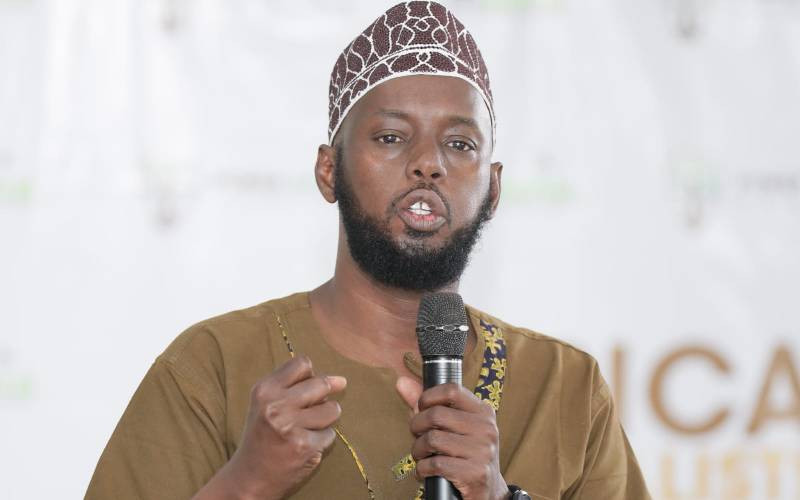
Mohamed Adow is the Director of Power Shift AfricaFollow The Standard
channel
on WhatsApp
Subscribe to our newsletter and stay updated on the latest developments and special
offers!
Pick your favourite topics below for a tailor made homepage just for you