
Court of Appeal allows JSC to continue handling complaints against judges
Source: The Standard
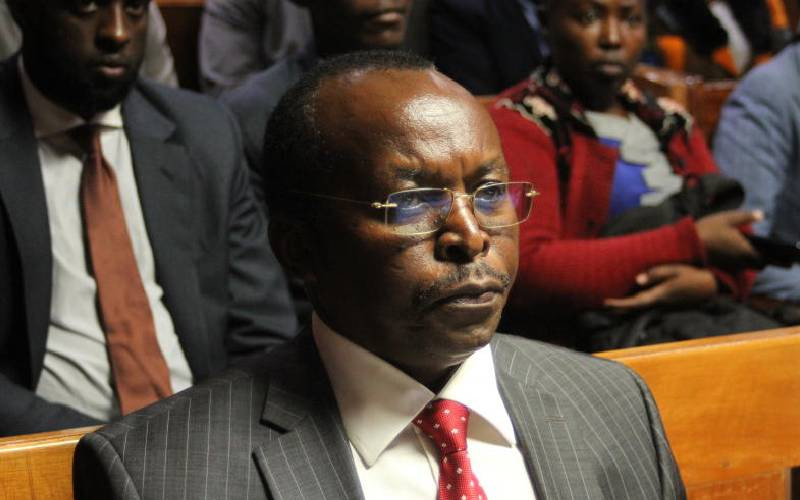
The Court of Appeal on Monday temporarily allowed the Judicial Service Commission (JSC) to continue processing and determining complaints against Judges.Justices Daniel Musinga, Mumbi Ngugi and George Odunga unanimously agreed that there was a need to suspend the implementation of the orders issued by High Court Judges Roselyn Aburili, John Chigiti and Alexander Muteti against the commission until they deliver a ruling on whether to freeze it.“Pending delivery of this Court's ruling on January 23, 2026, we grant an interim order of stay and suspension of the declaration and orders by the High Court in Petition No. E110 of 2025, stopping the Judicial Service Commission from considering and processing complaints against judges,” the bench headed by Justice Musinga ruled.Follow The Standard
channel
on WhatsAppJSC applied, arguing that the verdict by the High Court had crippled the commission. The commission’s lawyer Issa Mansur told the three judges that the judgment meant that the operations and the functions of the commission were being hinged to subsidiary legislation.At the same time, he said that the findings by the court also meant that the commission would not scrutinize or consider any complaint against judges who have applied to be Court of Appeal Judges.“Unless the stay and suspension of the judgment is granted, the intendedappeal will be rendered nugatory, as the Commission will not be in a position to discharge one of its core constitutional mandates to receive and consider Petitions for removal of Judges of Superior Courts,” argued Mansur.The bench headed by Justice Aburili froze all petitions for the removal of judges from office until it comes up with guidelines and regulations for processing them.They said that since its inception in 2011, the commission had a clear path to process petitions filed against judges, despite being directed to do so by the Supreme Court in a case filed by former Judiciary Registrar Gladys Boss Shollei.The three judges were of the view that it is unfair for the commission to take judges to undefined paths.“Until the commission gazettes regulations contemplated under Section 47 of the Judicial Service Act, the Commission cannot lawfully proceed with the hearing of petitions against judges. The Commission is prohibited from considering or hearing any of the pending petitions against judges until the regulations are in placed,” the bench headed by Justice Aburili ruled.The case was filed by lawyer Kennedy Echesa Lubengo, who was challenging JSC’s decision, requiring High Court Judge Dorah Chepkwony to respond to a removal petition filed by lawyer Aldrin Ojiambo.Lubengo’s contentions were similar to those raised by the Supreme Court Judges- Chief Justice Martha Koome, her deputy Philomena Mwilu and Justices Mohammed Ibrahim (deceased), Prof. Smokin Wanjala, Njoki Ndung’u, Isaac Lenaola and William Ouko.He argued that the commission had no powers to hear petitions based on the merits of judges and magistrates’ judgments or rulings.According to him, JSC’s decision to have Justice Chepkwony respond to the petition filed by Acord Law Advocates LLPset a dangerous precedent. He said JSC was encroaching upon the Judiciary's powers to determine cases without external interference.Stay informed. Subscribe to our newsletterBy clicking on theSIGN UPbutton, you agree to ourTerms & Conditionsand thePrivacy PolicySIGN UP“ Public interest compels urgent intervention because allowing the unconstitutional proceedings before the first respondent to proceed will continue to embolden vexatious litigants to misuse the JSC as a pseudo-appellate forum to challenge judicial decisions, weaponize the JSC to threaten and undermine judicial independence, destabilise the judiciary and foster a climate of intimidation against judges,” argued Lubengo.Stay Informed, Stay Empowered: Download the Standard ePaper App!On the other hand, the commission argued that it was premature for the court to determine the case. The commission said that it had yet to determine the petition; hence, it ought to be allowed to decide either to allow or dismiss it.Follow The Standard
channel
on WhatsApp
Justices Daniel Musinga, Mumbi Ngugi and George Odunga unanimously agreed that there was a need to suspend the implementation of the orders issued by High Court Judges Roselyn Aburili, John Chigiti and Alexander Muteti against the commission until they deliver a ruling on whether to freeze it.“Pending delivery of this Court's ruling on January 23, 2026, we grant an interim order of stay and suspension of the declaration and orders by the High Court in Petition No. E110 of 2025, stopping the Judicial Service Commission from considering and processing complaints against judges,” the bench headed by Justice Musinga ruled.Follow The Standard
channel
on WhatsAppJSC applied, arguing that the verdict by the High Court had crippled the commission. The commission’s lawyer Issa Mansur told the three judges that the judgment meant that the operations and the functions of the commission were being hinged to subsidiary legislation.At the same time, he said that the findings by the court also meant that the commission would not scrutinize or consider any complaint against judges who have applied to be Court of Appeal Judges.“Unless the stay and suspension of the judgment is granted, the intendedappeal will be rendered nugatory, as the Commission will not be in a position to discharge one of its core constitutional mandates to receive and consider Petitions for removal of Judges of Superior Courts,” argued Mansur.The bench headed by Justice Aburili froze all petitions for the removal of judges from office until it comes up with guidelines and regulations for processing them.They said that since its inception in 2011, the commission had a clear path to process petitions filed against judges, despite being directed to do so by the Supreme Court in a case filed by former Judiciary Registrar Gladys Boss Shollei.The three judges were of the view that it is unfair for the commission to take judges to undefined paths.“Until the commission gazettes regulations contemplated under Section 47 of the Judicial Service Act, the Commission cannot lawfully proceed with the hearing of petitions against judges. The Commission is prohibited from considering or hearing any of the pending petitions against judges until the regulations are in placed,” the bench headed by Justice Aburili ruled.The case was filed by lawyer Kennedy Echesa Lubengo, who was challenging JSC’s decision, requiring High Court Judge Dorah Chepkwony to respond to a removal petition filed by lawyer Aldrin Ojiambo.Lubengo’s contentions were similar to those raised by the Supreme Court Judges- Chief Justice Martha Koome, her deputy Philomena Mwilu and Justices Mohammed Ibrahim (deceased), Prof. Smokin Wanjala, Njoki Ndung’u, Isaac Lenaola and William Ouko.He argued that the commission had no powers to hear petitions based on the merits of judges and magistrates’ judgments or rulings.According to him, JSC’s decision to have Justice Chepkwony respond to the petition filed by Acord Law Advocates LLPset a dangerous precedent. He said JSC was encroaching upon the Judiciary's powers to determine cases without external interference.Stay informed. Subscribe to our newsletterBy clicking on theSIGN UPbutton, you agree to ourTerms & Conditionsand thePrivacy PolicySIGN UP“ Public interest compels urgent intervention because allowing the unconstitutional proceedings before the first respondent to proceed will continue to embolden vexatious litigants to misuse the JSC as a pseudo-appellate forum to challenge judicial decisions, weaponize the JSC to threaten and undermine judicial independence, destabilise the judiciary and foster a climate of intimidation against judges,” argued Lubengo.Stay Informed, Stay Empowered: Download the Standard ePaper App!On the other hand, the commission argued that it was premature for the court to determine the case. The commission said that it had yet to determine the petition; hence, it ought to be allowed to decide either to allow or dismiss it.Follow The Standard
channel
on WhatsApp
“Pending delivery of this Court's ruling on January 23, 2026, we grant an interim order of stay and suspension of the declaration and orders by the High Court in Petition No. E110 of 2025, stopping the Judicial Service Commission from considering and processing complaints against judges,” the bench headed by Justice Musinga ruled.Follow The Standard
channel
on WhatsAppJSC applied, arguing that the verdict by the High Court had crippled the commission. The commission’s lawyer Issa Mansur told the three judges that the judgment meant that the operations and the functions of the commission were being hinged to subsidiary legislation.At the same time, he said that the findings by the court also meant that the commission would not scrutinize or consider any complaint against judges who have applied to be Court of Appeal Judges.“Unless the stay and suspension of the judgment is granted, the intendedappeal will be rendered nugatory, as the Commission will not be in a position to discharge one of its core constitutional mandates to receive and consider Petitions for removal of Judges of Superior Courts,” argued Mansur.The bench headed by Justice Aburili froze all petitions for the removal of judges from office until it comes up with guidelines and regulations for processing them.They said that since its inception in 2011, the commission had a clear path to process petitions filed against judges, despite being directed to do so by the Supreme Court in a case filed by former Judiciary Registrar Gladys Boss Shollei.The three judges were of the view that it is unfair for the commission to take judges to undefined paths.“Until the commission gazettes regulations contemplated under Section 47 of the Judicial Service Act, the Commission cannot lawfully proceed with the hearing of petitions against judges. The Commission is prohibited from considering or hearing any of the pending petitions against judges until the regulations are in placed,” the bench headed by Justice Aburili ruled.The case was filed by lawyer Kennedy Echesa Lubengo, who was challenging JSC’s decision, requiring High Court Judge Dorah Chepkwony to respond to a removal petition filed by lawyer Aldrin Ojiambo.Lubengo’s contentions were similar to those raised by the Supreme Court Judges- Chief Justice Martha Koome, her deputy Philomena Mwilu and Justices Mohammed Ibrahim (deceased), Prof. Smokin Wanjala, Njoki Ndung’u, Isaac Lenaola and William Ouko.He argued that the commission had no powers to hear petitions based on the merits of judges and magistrates’ judgments or rulings.According to him, JSC’s decision to have Justice Chepkwony respond to the petition filed by Acord Law Advocates LLPset a dangerous precedent. He said JSC was encroaching upon the Judiciary's powers to determine cases without external interference.Stay informed. Subscribe to our newsletterBy clicking on theSIGN UPbutton, you agree to ourTerms & Conditionsand thePrivacy PolicySIGN UP“ Public interest compels urgent intervention because allowing the unconstitutional proceedings before the first respondent to proceed will continue to embolden vexatious litigants to misuse the JSC as a pseudo-appellate forum to challenge judicial decisions, weaponize the JSC to threaten and undermine judicial independence, destabilise the judiciary and foster a climate of intimidation against judges,” argued Lubengo.Stay Informed, Stay Empowered: Download the Standard ePaper App!On the other hand, the commission argued that it was premature for the court to determine the case. The commission said that it had yet to determine the petition; hence, it ought to be allowed to decide either to allow or dismiss it.Follow The Standard
channel
on WhatsApp
Follow The Standard
channel
on WhatsAppJSC applied, arguing that the verdict by the High Court had crippled the commission. The commission’s lawyer Issa Mansur told the three judges that the judgment meant that the operations and the functions of the commission were being hinged to subsidiary legislation.At the same time, he said that the findings by the court also meant that the commission would not scrutinize or consider any complaint against judges who have applied to be Court of Appeal Judges.“Unless the stay and suspension of the judgment is granted, the intendedappeal will be rendered nugatory, as the Commission will not be in a position to discharge one of its core constitutional mandates to receive and consider Petitions for removal of Judges of Superior Courts,” argued Mansur.The bench headed by Justice Aburili froze all petitions for the removal of judges from office until it comes up with guidelines and regulations for processing them.They said that since its inception in 2011, the commission had a clear path to process petitions filed against judges, despite being directed to do so by the Supreme Court in a case filed by former Judiciary Registrar Gladys Boss Shollei.The three judges were of the view that it is unfair for the commission to take judges to undefined paths.“Until the commission gazettes regulations contemplated under Section 47 of the Judicial Service Act, the Commission cannot lawfully proceed with the hearing of petitions against judges. The Commission is prohibited from considering or hearing any of the pending petitions against judges until the regulations are in placed,” the bench headed by Justice Aburili ruled.The case was filed by lawyer Kennedy Echesa Lubengo, who was challenging JSC’s decision, requiring High Court Judge Dorah Chepkwony to respond to a removal petition filed by lawyer Aldrin Ojiambo.Lubengo’s contentions were similar to those raised by the Supreme Court Judges- Chief Justice Martha Koome, her deputy Philomena Mwilu and Justices Mohammed Ibrahim (deceased), Prof. Smokin Wanjala, Njoki Ndung’u, Isaac Lenaola and William Ouko.He argued that the commission had no powers to hear petitions based on the merits of judges and magistrates’ judgments or rulings.According to him, JSC’s decision to have Justice Chepkwony respond to the petition filed by Acord Law Advocates LLPset a dangerous precedent. He said JSC was encroaching upon the Judiciary's powers to determine cases without external interference.Stay informed. Subscribe to our newsletterBy clicking on theSIGN UPbutton, you agree to ourTerms & Conditionsand thePrivacy PolicySIGN UP“ Public interest compels urgent intervention because allowing the unconstitutional proceedings before the first respondent to proceed will continue to embolden vexatious litigants to misuse the JSC as a pseudo-appellate forum to challenge judicial decisions, weaponize the JSC to threaten and undermine judicial independence, destabilise the judiciary and foster a climate of intimidation against judges,” argued Lubengo.Stay Informed, Stay Empowered: Download the Standard ePaper App!On the other hand, the commission argued that it was premature for the court to determine the case. The commission said that it had yet to determine the petition; hence, it ought to be allowed to decide either to allow or dismiss it.Follow The Standard
channel
on WhatsApp
JSC applied, arguing that the verdict by the High Court had crippled the commission. The commission’s lawyer Issa Mansur told the three judges that the judgment meant that the operations and the functions of the commission were being hinged to subsidiary legislation.At the same time, he said that the findings by the court also meant that the commission would not scrutinize or consider any complaint against judges who have applied to be Court of Appeal Judges.“Unless the stay and suspension of the judgment is granted, the intendedappeal will be rendered nugatory, as the Commission will not be in a position to discharge one of its core constitutional mandates to receive and consider Petitions for removal of Judges of Superior Courts,” argued Mansur.The bench headed by Justice Aburili froze all petitions for the removal of judges from office until it comes up with guidelines and regulations for processing them.They said that since its inception in 2011, the commission had a clear path to process petitions filed against judges, despite being directed to do so by the Supreme Court in a case filed by former Judiciary Registrar Gladys Boss Shollei.The three judges were of the view that it is unfair for the commission to take judges to undefined paths.“Until the commission gazettes regulations contemplated under Section 47 of the Judicial Service Act, the Commission cannot lawfully proceed with the hearing of petitions against judges. The Commission is prohibited from considering or hearing any of the pending petitions against judges until the regulations are in placed,” the bench headed by Justice Aburili ruled.The case was filed by lawyer Kennedy Echesa Lubengo, who was challenging JSC’s decision, requiring High Court Judge Dorah Chepkwony to respond to a removal petition filed by lawyer Aldrin Ojiambo.Lubengo’s contentions were similar to those raised by the Supreme Court Judges- Chief Justice Martha Koome, her deputy Philomena Mwilu and Justices Mohammed Ibrahim (deceased), Prof. Smokin Wanjala, Njoki Ndung’u, Isaac Lenaola and William Ouko.He argued that the commission had no powers to hear petitions based on the merits of judges and magistrates’ judgments or rulings.According to him, JSC’s decision to have Justice Chepkwony respond to the petition filed by Acord Law Advocates LLPset a dangerous precedent. He said JSC was encroaching upon the Judiciary's powers to determine cases without external interference.Stay informed. Subscribe to our newsletterBy clicking on theSIGN UPbutton, you agree to ourTerms & Conditionsand thePrivacy PolicySIGN UP“ Public interest compels urgent intervention because allowing the unconstitutional proceedings before the first respondent to proceed will continue to embolden vexatious litigants to misuse the JSC as a pseudo-appellate forum to challenge judicial decisions, weaponize the JSC to threaten and undermine judicial independence, destabilise the judiciary and foster a climate of intimidation against judges,” argued Lubengo.Stay Informed, Stay Empowered: Download the Standard ePaper App!On the other hand, the commission argued that it was premature for the court to determine the case. The commission said that it had yet to determine the petition; hence, it ought to be allowed to decide either to allow or dismiss it.Follow The Standard
channel
on WhatsApp
At the same time, he said that the findings by the court also meant that the commission would not scrutinize or consider any complaint against judges who have applied to be Court of Appeal Judges.“Unless the stay and suspension of the judgment is granted, the intendedappeal will be rendered nugatory, as the Commission will not be in a position to discharge one of its core constitutional mandates to receive and consider Petitions for removal of Judges of Superior Courts,” argued Mansur.The bench headed by Justice Aburili froze all petitions for the removal of judges from office until it comes up with guidelines and regulations for processing them.They said that since its inception in 2011, the commission had a clear path to process petitions filed against judges, despite being directed to do so by the Supreme Court in a case filed by former Judiciary Registrar Gladys Boss Shollei.The three judges were of the view that it is unfair for the commission to take judges to undefined paths.“Until the commission gazettes regulations contemplated under Section 47 of the Judicial Service Act, the Commission cannot lawfully proceed with the hearing of petitions against judges. The Commission is prohibited from considering or hearing any of the pending petitions against judges until the regulations are in placed,” the bench headed by Justice Aburili ruled.The case was filed by lawyer Kennedy Echesa Lubengo, who was challenging JSC’s decision, requiring High Court Judge Dorah Chepkwony to respond to a removal petition filed by lawyer Aldrin Ojiambo.Lubengo’s contentions were similar to those raised by the Supreme Court Judges- Chief Justice Martha Koome, her deputy Philomena Mwilu and Justices Mohammed Ibrahim (deceased), Prof. Smokin Wanjala, Njoki Ndung’u, Isaac Lenaola and William Ouko.He argued that the commission had no powers to hear petitions based on the merits of judges and magistrates’ judgments or rulings.According to him, JSC’s decision to have Justice Chepkwony respond to the petition filed by Acord Law Advocates LLPset a dangerous precedent. He said JSC was encroaching upon the Judiciary's powers to determine cases without external interference.Stay informed. Subscribe to our newsletterBy clicking on theSIGN UPbutton, you agree to ourTerms & Conditionsand thePrivacy PolicySIGN UP“ Public interest compels urgent intervention because allowing the unconstitutional proceedings before the first respondent to proceed will continue to embolden vexatious litigants to misuse the JSC as a pseudo-appellate forum to challenge judicial decisions, weaponize the JSC to threaten and undermine judicial independence, destabilise the judiciary and foster a climate of intimidation against judges,” argued Lubengo.Stay Informed, Stay Empowered: Download the Standard ePaper App!On the other hand, the commission argued that it was premature for the court to determine the case. The commission said that it had yet to determine the petition; hence, it ought to be allowed to decide either to allow or dismiss it.Follow The Standard
channel
on WhatsApp
“Unless the stay and suspension of the judgment is granted, the intendedappeal will be rendered nugatory, as the Commission will not be in a position to discharge one of its core constitutional mandates to receive and consider Petitions for removal of Judges of Superior Courts,” argued Mansur.The bench headed by Justice Aburili froze all petitions for the removal of judges from office until it comes up with guidelines and regulations for processing them.They said that since its inception in 2011, the commission had a clear path to process petitions filed against judges, despite being directed to do so by the Supreme Court in a case filed by former Judiciary Registrar Gladys Boss Shollei.The three judges were of the view that it is unfair for the commission to take judges to undefined paths.“Until the commission gazettes regulations contemplated under Section 47 of the Judicial Service Act, the Commission cannot lawfully proceed with the hearing of petitions against judges. The Commission is prohibited from considering or hearing any of the pending petitions against judges until the regulations are in placed,” the bench headed by Justice Aburili ruled.The case was filed by lawyer Kennedy Echesa Lubengo, who was challenging JSC’s decision, requiring High Court Judge Dorah Chepkwony to respond to a removal petition filed by lawyer Aldrin Ojiambo.Lubengo’s contentions were similar to those raised by the Supreme Court Judges- Chief Justice Martha Koome, her deputy Philomena Mwilu and Justices Mohammed Ibrahim (deceased), Prof. Smokin Wanjala, Njoki Ndung’u, Isaac Lenaola and William Ouko.He argued that the commission had no powers to hear petitions based on the merits of judges and magistrates’ judgments or rulings.According to him, JSC’s decision to have Justice Chepkwony respond to the petition filed by Acord Law Advocates LLPset a dangerous precedent. He said JSC was encroaching upon the Judiciary's powers to determine cases without external interference.Stay informed. Subscribe to our newsletterBy clicking on theSIGN UPbutton, you agree to ourTerms & Conditionsand thePrivacy PolicySIGN UP“ Public interest compels urgent intervention because allowing the unconstitutional proceedings before the first respondent to proceed will continue to embolden vexatious litigants to misuse the JSC as a pseudo-appellate forum to challenge judicial decisions, weaponize the JSC to threaten and undermine judicial independence, destabilise the judiciary and foster a climate of intimidation against judges,” argued Lubengo.Stay Informed, Stay Empowered: Download the Standard ePaper App!On the other hand, the commission argued that it was premature for the court to determine the case. The commission said that it had yet to determine the petition; hence, it ought to be allowed to decide either to allow or dismiss it.Follow The Standard
channel
on WhatsApp
The bench headed by Justice Aburili froze all petitions for the removal of judges from office until it comes up with guidelines and regulations for processing them.They said that since its inception in 2011, the commission had a clear path to process petitions filed against judges, despite being directed to do so by the Supreme Court in a case filed by former Judiciary Registrar Gladys Boss Shollei.The three judges were of the view that it is unfair for the commission to take judges to undefined paths.“Until the commission gazettes regulations contemplated under Section 47 of the Judicial Service Act, the Commission cannot lawfully proceed with the hearing of petitions against judges. The Commission is prohibited from considering or hearing any of the pending petitions against judges until the regulations are in placed,” the bench headed by Justice Aburili ruled.The case was filed by lawyer Kennedy Echesa Lubengo, who was challenging JSC’s decision, requiring High Court Judge Dorah Chepkwony to respond to a removal petition filed by lawyer Aldrin Ojiambo.Lubengo’s contentions were similar to those raised by the Supreme Court Judges- Chief Justice Martha Koome, her deputy Philomena Mwilu and Justices Mohammed Ibrahim (deceased), Prof. Smokin Wanjala, Njoki Ndung’u, Isaac Lenaola and William Ouko.He argued that the commission had no powers to hear petitions based on the merits of judges and magistrates’ judgments or rulings.According to him, JSC’s decision to have Justice Chepkwony respond to the petition filed by Acord Law Advocates LLPset a dangerous precedent. He said JSC was encroaching upon the Judiciary's powers to determine cases without external interference.Stay informed. Subscribe to our newsletterBy clicking on theSIGN UPbutton, you agree to ourTerms & Conditionsand thePrivacy PolicySIGN UP“ Public interest compels urgent intervention because allowing the unconstitutional proceedings before the first respondent to proceed will continue to embolden vexatious litigants to misuse the JSC as a pseudo-appellate forum to challenge judicial decisions, weaponize the JSC to threaten and undermine judicial independence, destabilise the judiciary and foster a climate of intimidation against judges,” argued Lubengo.Stay Informed, Stay Empowered: Download the Standard ePaper App!On the other hand, the commission argued that it was premature for the court to determine the case. The commission said that it had yet to determine the petition; hence, it ought to be allowed to decide either to allow or dismiss it.Follow The Standard
channel
on WhatsApp
They said that since its inception in 2011, the commission had a clear path to process petitions filed against judges, despite being directed to do so by the Supreme Court in a case filed by former Judiciary Registrar Gladys Boss Shollei.The three judges were of the view that it is unfair for the commission to take judges to undefined paths.“Until the commission gazettes regulations contemplated under Section 47 of the Judicial Service Act, the Commission cannot lawfully proceed with the hearing of petitions against judges. The Commission is prohibited from considering or hearing any of the pending petitions against judges until the regulations are in placed,” the bench headed by Justice Aburili ruled.The case was filed by lawyer Kennedy Echesa Lubengo, who was challenging JSC’s decision, requiring High Court Judge Dorah Chepkwony to respond to a removal petition filed by lawyer Aldrin Ojiambo.Lubengo’s contentions were similar to those raised by the Supreme Court Judges- Chief Justice Martha Koome, her deputy Philomena Mwilu and Justices Mohammed Ibrahim (deceased), Prof. Smokin Wanjala, Njoki Ndung’u, Isaac Lenaola and William Ouko.He argued that the commission had no powers to hear petitions based on the merits of judges and magistrates’ judgments or rulings.According to him, JSC’s decision to have Justice Chepkwony respond to the petition filed by Acord Law Advocates LLPset a dangerous precedent. He said JSC was encroaching upon the Judiciary's powers to determine cases without external interference.Stay informed. Subscribe to our newsletterBy clicking on theSIGN UPbutton, you agree to ourTerms & Conditionsand thePrivacy PolicySIGN UP“ Public interest compels urgent intervention because allowing the unconstitutional proceedings before the first respondent to proceed will continue to embolden vexatious litigants to misuse the JSC as a pseudo-appellate forum to challenge judicial decisions, weaponize the JSC to threaten and undermine judicial independence, destabilise the judiciary and foster a climate of intimidation against judges,” argued Lubengo.Stay Informed, Stay Empowered: Download the Standard ePaper App!On the other hand, the commission argued that it was premature for the court to determine the case. The commission said that it had yet to determine the petition; hence, it ought to be allowed to decide either to allow or dismiss it.Follow The Standard
channel
on WhatsApp
The three judges were of the view that it is unfair for the commission to take judges to undefined paths.“Until the commission gazettes regulations contemplated under Section 47 of the Judicial Service Act, the Commission cannot lawfully proceed with the hearing of petitions against judges. The Commission is prohibited from considering or hearing any of the pending petitions against judges until the regulations are in placed,” the bench headed by Justice Aburili ruled.The case was filed by lawyer Kennedy Echesa Lubengo, who was challenging JSC’s decision, requiring High Court Judge Dorah Chepkwony to respond to a removal petition filed by lawyer Aldrin Ojiambo.Lubengo’s contentions were similar to those raised by the Supreme Court Judges- Chief Justice Martha Koome, her deputy Philomena Mwilu and Justices Mohammed Ibrahim (deceased), Prof. Smokin Wanjala, Njoki Ndung’u, Isaac Lenaola and William Ouko.He argued that the commission had no powers to hear petitions based on the merits of judges and magistrates’ judgments or rulings.According to him, JSC’s decision to have Justice Chepkwony respond to the petition filed by Acord Law Advocates LLPset a dangerous precedent. He said JSC was encroaching upon the Judiciary's powers to determine cases without external interference.Stay informed. Subscribe to our newsletterBy clicking on theSIGN UPbutton, you agree to ourTerms & Conditionsand thePrivacy PolicySIGN UP“ Public interest compels urgent intervention because allowing the unconstitutional proceedings before the first respondent to proceed will continue to embolden vexatious litigants to misuse the JSC as a pseudo-appellate forum to challenge judicial decisions, weaponize the JSC to threaten and undermine judicial independence, destabilise the judiciary and foster a climate of intimidation against judges,” argued Lubengo.Stay Informed, Stay Empowered: Download the Standard ePaper App!On the other hand, the commission argued that it was premature for the court to determine the case. The commission said that it had yet to determine the petition; hence, it ought to be allowed to decide either to allow or dismiss it.Follow The Standard
channel
on WhatsApp
“Until the commission gazettes regulations contemplated under Section 47 of the Judicial Service Act, the Commission cannot lawfully proceed with the hearing of petitions against judges. The Commission is prohibited from considering or hearing any of the pending petitions against judges until the regulations are in placed,” the bench headed by Justice Aburili ruled.The case was filed by lawyer Kennedy Echesa Lubengo, who was challenging JSC’s decision, requiring High Court Judge Dorah Chepkwony to respond to a removal petition filed by lawyer Aldrin Ojiambo.Lubengo’s contentions were similar to those raised by the Supreme Court Judges- Chief Justice Martha Koome, her deputy Philomena Mwilu and Justices Mohammed Ibrahim (deceased), Prof. Smokin Wanjala, Njoki Ndung’u, Isaac Lenaola and William Ouko.He argued that the commission had no powers to hear petitions based on the merits of judges and magistrates’ judgments or rulings.According to him, JSC’s decision to have Justice Chepkwony respond to the petition filed by Acord Law Advocates LLPset a dangerous precedent. He said JSC was encroaching upon the Judiciary's powers to determine cases without external interference.Stay informed. Subscribe to our newsletterBy clicking on theSIGN UPbutton, you agree to ourTerms & Conditionsand thePrivacy PolicySIGN UP“ Public interest compels urgent intervention because allowing the unconstitutional proceedings before the first respondent to proceed will continue to embolden vexatious litigants to misuse the JSC as a pseudo-appellate forum to challenge judicial decisions, weaponize the JSC to threaten and undermine judicial independence, destabilise the judiciary and foster a climate of intimidation against judges,” argued Lubengo.Stay Informed, Stay Empowered: Download the Standard ePaper App!On the other hand, the commission argued that it was premature for the court to determine the case. The commission said that it had yet to determine the petition; hence, it ought to be allowed to decide either to allow or dismiss it.Follow The Standard
channel
on WhatsApp
The case was filed by lawyer Kennedy Echesa Lubengo, who was challenging JSC’s decision, requiring High Court Judge Dorah Chepkwony to respond to a removal petition filed by lawyer Aldrin Ojiambo.Lubengo’s contentions were similar to those raised by the Supreme Court Judges- Chief Justice Martha Koome, her deputy Philomena Mwilu and Justices Mohammed Ibrahim (deceased), Prof. Smokin Wanjala, Njoki Ndung’u, Isaac Lenaola and William Ouko.He argued that the commission had no powers to hear petitions based on the merits of judges and magistrates’ judgments or rulings.According to him, JSC’s decision to have Justice Chepkwony respond to the petition filed by Acord Law Advocates LLPset a dangerous precedent. He said JSC was encroaching upon the Judiciary's powers to determine cases without external interference.Stay informed. Subscribe to our newsletterBy clicking on theSIGN UPbutton, you agree to ourTerms & Conditionsand thePrivacy PolicySIGN UP“ Public interest compels urgent intervention because allowing the unconstitutional proceedings before the first respondent to proceed will continue to embolden vexatious litigants to misuse the JSC as a pseudo-appellate forum to challenge judicial decisions, weaponize the JSC to threaten and undermine judicial independence, destabilise the judiciary and foster a climate of intimidation against judges,” argued Lubengo.Stay Informed, Stay Empowered: Download the Standard ePaper App!On the other hand, the commission argued that it was premature for the court to determine the case. The commission said that it had yet to determine the petition; hence, it ought to be allowed to decide either to allow or dismiss it.Follow The Standard
channel
on WhatsApp
Lubengo’s contentions were similar to those raised by the Supreme Court Judges- Chief Justice Martha Koome, her deputy Philomena Mwilu and Justices Mohammed Ibrahim (deceased), Prof. Smokin Wanjala, Njoki Ndung’u, Isaac Lenaola and William Ouko.He argued that the commission had no powers to hear petitions based on the merits of judges and magistrates’ judgments or rulings.According to him, JSC’s decision to have Justice Chepkwony respond to the petition filed by Acord Law Advocates LLPset a dangerous precedent. He said JSC was encroaching upon the Judiciary's powers to determine cases without external interference.Stay informed. Subscribe to our newsletterBy clicking on theSIGN UPbutton, you agree to ourTerms & Conditionsand thePrivacy PolicySIGN UP“ Public interest compels urgent intervention because allowing the unconstitutional proceedings before the first respondent to proceed will continue to embolden vexatious litigants to misuse the JSC as a pseudo-appellate forum to challenge judicial decisions, weaponize the JSC to threaten and undermine judicial independence, destabilise the judiciary and foster a climate of intimidation against judges,” argued Lubengo.Stay Informed, Stay Empowered: Download the Standard ePaper App!On the other hand, the commission argued that it was premature for the court to determine the case. The commission said that it had yet to determine the petition; hence, it ought to be allowed to decide either to allow or dismiss it.Follow The Standard
channel
on WhatsApp
He argued that the commission had no powers to hear petitions based on the merits of judges and magistrates’ judgments or rulings.According to him, JSC’s decision to have Justice Chepkwony respond to the petition filed by Acord Law Advocates LLPset a dangerous precedent. He said JSC was encroaching upon the Judiciary's powers to determine cases without external interference.Stay informed. Subscribe to our newsletterBy clicking on theSIGN UPbutton, you agree to ourTerms & Conditionsand thePrivacy PolicySIGN UP“ Public interest compels urgent intervention because allowing the unconstitutional proceedings before the first respondent to proceed will continue to embolden vexatious litigants to misuse the JSC as a pseudo-appellate forum to challenge judicial decisions, weaponize the JSC to threaten and undermine judicial independence, destabilise the judiciary and foster a climate of intimidation against judges,” argued Lubengo.Stay Informed, Stay Empowered: Download the Standard ePaper App!On the other hand, the commission argued that it was premature for the court to determine the case. The commission said that it had yet to determine the petition; hence, it ought to be allowed to decide either to allow or dismiss it.Follow The Standard
channel
on WhatsApp
According to him, JSC’s decision to have Justice Chepkwony respond to the petition filed by Acord Law Advocates LLPset a dangerous precedent. He said JSC was encroaching upon the Judiciary's powers to determine cases without external interference.Stay informed. Subscribe to our newsletterBy clicking on theSIGN UPbutton, you agree to ourTerms & Conditionsand thePrivacy PolicySIGN UP“ Public interest compels urgent intervention because allowing the unconstitutional proceedings before the first respondent to proceed will continue to embolden vexatious litigants to misuse the JSC as a pseudo-appellate forum to challenge judicial decisions, weaponize the JSC to threaten and undermine judicial independence, destabilise the judiciary and foster a climate of intimidation against judges,” argued Lubengo.Stay Informed, Stay Empowered: Download the Standard ePaper App!On the other hand, the commission argued that it was premature for the court to determine the case. The commission said that it had yet to determine the petition; hence, it ought to be allowed to decide either to allow or dismiss it.Follow The Standard
channel
on WhatsApp
“ Public interest compels urgent intervention because allowing the unconstitutional proceedings before the first respondent to proceed will continue to embolden vexatious litigants to misuse the JSC as a pseudo-appellate forum to challenge judicial decisions, weaponize the JSC to threaten and undermine judicial independence, destabilise the judiciary and foster a climate of intimidation against judges,” argued Lubengo.Stay Informed, Stay Empowered: Download the Standard ePaper App!On the other hand, the commission argued that it was premature for the court to determine the case. The commission said that it had yet to determine the petition; hence, it ought to be allowed to decide either to allow or dismiss it.Follow The Standard
channel
on WhatsApp
On the other hand, the commission argued that it was premature for the court to determine the case. The commission said that it had yet to determine the petition; hence, it ought to be allowed to decide either to allow or dismiss it.Follow The Standard
channel
on WhatsApp
Subscribe to our newsletter and stay updated on the latest developments and special
offers!
Pick your favourite topics below for a tailor made homepage just for you