
Education lobby group decries chaotic transition as Grade 10 reporting begins
Source: The Standard
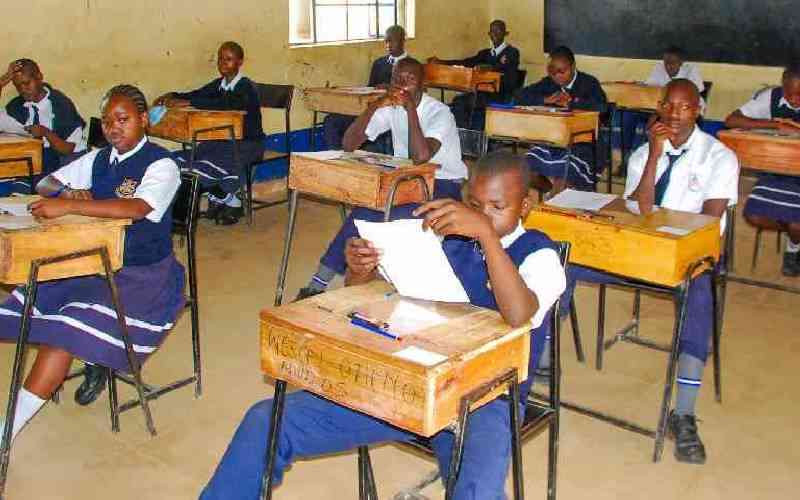
As more than 1.13 million pioneer CBE learners begin reporting to senior school on Monday, the Elimu Bora Working Group (EBWG) has raised alarm over what it describes as a chaotic, corrupt, and poorly funded transition from junior to senior school.Speaking on behalf of the coalition,Elimu Yetu deputy executive director Cornelius Oduol faulted the Ministry of Education for an incompetent and opaque placement process that has left thousands of learners uncertain about their school placement.“We are witnessing a systemic failure of the Grade 10 placement system that risks locking thousands of learners out of school. Instead of guaranteeing access, the process has exposed parents to corruption and extortion, while some schools are illegally withholding academic transcripts over unlawful levies,” Oduol said.According to EBWG, numerous learners were placed in pathways that do not align with their abilities or career interests, while others were assigned to distant day schools, disregarding proximity to their homes.Follow The Standard
channel
on WhatsAppPublic frustration over the placements saw 355,457 learners apply for reviews by December 2025, but 143,821 appeals were rejected, largely due to overcrowding in preferred schools.Oduol criticised the Ministry of Education’s decision to shift part of the placement review process to school-based admissions, saying it undermined transparency and accountability.“Handing admissions to individualschools opened the floodgates to briberyand favoritism. This approach commodifies access to public education and entrenches inequality, in direct violation of the Constitution,” he said.The group also expressed concern over inadequate infrastructure in schools expected to receive Grade 10 learners.Despite repeated government assurances of readiness, the construction of 1,600 physical laboratories promised from January 2025 remains largely unfulfilled.The situation is most difficult in clusters three and four in rural areas and informal urban settlements.“You cannot talk about competency-based education when learners lack laboratories, workshops, and sports facilities. What we are seeing is a system that privileges a few well-resourced schools while condemning the majority to institutions that are ill-prepared,” he said.On funding, EBWG said delayed and partial capitation disbursements throughout 2025 left public secondary schools with arrears of up to Sh22.5 billion, disrupting basic operations, science practicals, and the provision of learning materials.The Sh26.08 billion allocated for free day secondary education in Term One 2026, Oduol noted, neither clears historical debts nor ensures predictable financing.“Chronic underfunding has rendered the competency-based curriculum unsustainable, especially in marginalised communities. This amounts to a constructive denial of the constitutional right to quality education,” he said.The group has called on the Ministry of Education to urgently resolve Grade 10 placement challenges, audit school infrastructure development and the automated placement system, and immediately prohibit the withholding of academic transcripts due to illegal levies.Stay informed. Subscribe to our newsletterBy clicking on theSIGN UPbutton, you agree to ourTerms & Conditionsand thePrivacy PolicySIGN UPThey also urged the National Treasury to clear outstanding debts to suppliers, release Term One 2026 capitation funds without delay, and establish a long-term, predictable funding framework to support competency-based education, including teacher recruitment, training, and retentionStay Informed, Stay Empowered: Download the Standard ePaper App!Follow The Standard
channel
on WhatsApp
Speaking on behalf of the coalition,Elimu Yetu deputy executive director Cornelius Oduol faulted the Ministry of Education for an incompetent and opaque placement process that has left thousands of learners uncertain about their school placement.“We are witnessing a systemic failure of the Grade 10 placement system that risks locking thousands of learners out of school. Instead of guaranteeing access, the process has exposed parents to corruption and extortion, while some schools are illegally withholding academic transcripts over unlawful levies,” Oduol said.According to EBWG, numerous learners were placed in pathways that do not align with their abilities or career interests, while others were assigned to distant day schools, disregarding proximity to their homes.Follow The Standard
channel
on WhatsAppPublic frustration over the placements saw 355,457 learners apply for reviews by December 2025, but 143,821 appeals were rejected, largely due to overcrowding in preferred schools.Oduol criticised the Ministry of Education’s decision to shift part of the placement review process to school-based admissions, saying it undermined transparency and accountability.“Handing admissions to individualschools opened the floodgates to briberyand favoritism. This approach commodifies access to public education and entrenches inequality, in direct violation of the Constitution,” he said.The group also expressed concern over inadequate infrastructure in schools expected to receive Grade 10 learners.Despite repeated government assurances of readiness, the construction of 1,600 physical laboratories promised from January 2025 remains largely unfulfilled.The situation is most difficult in clusters three and four in rural areas and informal urban settlements.“You cannot talk about competency-based education when learners lack laboratories, workshops, and sports facilities. What we are seeing is a system that privileges a few well-resourced schools while condemning the majority to institutions that are ill-prepared,” he said.On funding, EBWG said delayed and partial capitation disbursements throughout 2025 left public secondary schools with arrears of up to Sh22.5 billion, disrupting basic operations, science practicals, and the provision of learning materials.The Sh26.08 billion allocated for free day secondary education in Term One 2026, Oduol noted, neither clears historical debts nor ensures predictable financing.“Chronic underfunding has rendered the competency-based curriculum unsustainable, especially in marginalised communities. This amounts to a constructive denial of the constitutional right to quality education,” he said.The group has called on the Ministry of Education to urgently resolve Grade 10 placement challenges, audit school infrastructure development and the automated placement system, and immediately prohibit the withholding of academic transcripts due to illegal levies.Stay informed. Subscribe to our newsletterBy clicking on theSIGN UPbutton, you agree to ourTerms & Conditionsand thePrivacy PolicySIGN UPThey also urged the National Treasury to clear outstanding debts to suppliers, release Term One 2026 capitation funds without delay, and establish a long-term, predictable funding framework to support competency-based education, including teacher recruitment, training, and retentionStay Informed, Stay Empowered: Download the Standard ePaper App!Follow The Standard
channel
on WhatsApp
“We are witnessing a systemic failure of the Grade 10 placement system that risks locking thousands of learners out of school. Instead of guaranteeing access, the process has exposed parents to corruption and extortion, while some schools are illegally withholding academic transcripts over unlawful levies,” Oduol said.According to EBWG, numerous learners were placed in pathways that do not align with their abilities or career interests, while others were assigned to distant day schools, disregarding proximity to their homes.Follow The Standard
channel
on WhatsAppPublic frustration over the placements saw 355,457 learners apply for reviews by December 2025, but 143,821 appeals were rejected, largely due to overcrowding in preferred schools.Oduol criticised the Ministry of Education’s decision to shift part of the placement review process to school-based admissions, saying it undermined transparency and accountability.“Handing admissions to individualschools opened the floodgates to briberyand favoritism. This approach commodifies access to public education and entrenches inequality, in direct violation of the Constitution,” he said.The group also expressed concern over inadequate infrastructure in schools expected to receive Grade 10 learners.Despite repeated government assurances of readiness, the construction of 1,600 physical laboratories promised from January 2025 remains largely unfulfilled.The situation is most difficult in clusters three and four in rural areas and informal urban settlements.“You cannot talk about competency-based education when learners lack laboratories, workshops, and sports facilities. What we are seeing is a system that privileges a few well-resourced schools while condemning the majority to institutions that are ill-prepared,” he said.On funding, EBWG said delayed and partial capitation disbursements throughout 2025 left public secondary schools with arrears of up to Sh22.5 billion, disrupting basic operations, science practicals, and the provision of learning materials.The Sh26.08 billion allocated for free day secondary education in Term One 2026, Oduol noted, neither clears historical debts nor ensures predictable financing.“Chronic underfunding has rendered the competency-based curriculum unsustainable, especially in marginalised communities. This amounts to a constructive denial of the constitutional right to quality education,” he said.The group has called on the Ministry of Education to urgently resolve Grade 10 placement challenges, audit school infrastructure development and the automated placement system, and immediately prohibit the withholding of academic transcripts due to illegal levies.Stay informed. Subscribe to our newsletterBy clicking on theSIGN UPbutton, you agree to ourTerms & Conditionsand thePrivacy PolicySIGN UPThey also urged the National Treasury to clear outstanding debts to suppliers, release Term One 2026 capitation funds without delay, and establish a long-term, predictable funding framework to support competency-based education, including teacher recruitment, training, and retentionStay Informed, Stay Empowered: Download the Standard ePaper App!Follow The Standard
channel
on WhatsApp
According to EBWG, numerous learners were placed in pathways that do not align with their abilities or career interests, while others were assigned to distant day schools, disregarding proximity to their homes.Follow The Standard
channel
on WhatsAppPublic frustration over the placements saw 355,457 learners apply for reviews by December 2025, but 143,821 appeals were rejected, largely due to overcrowding in preferred schools.Oduol criticised the Ministry of Education’s decision to shift part of the placement review process to school-based admissions, saying it undermined transparency and accountability.“Handing admissions to individualschools opened the floodgates to briberyand favoritism. This approach commodifies access to public education and entrenches inequality, in direct violation of the Constitution,” he said.The group also expressed concern over inadequate infrastructure in schools expected to receive Grade 10 learners.Despite repeated government assurances of readiness, the construction of 1,600 physical laboratories promised from January 2025 remains largely unfulfilled.The situation is most difficult in clusters three and four in rural areas and informal urban settlements.“You cannot talk about competency-based education when learners lack laboratories, workshops, and sports facilities. What we are seeing is a system that privileges a few well-resourced schools while condemning the majority to institutions that are ill-prepared,” he said.On funding, EBWG said delayed and partial capitation disbursements throughout 2025 left public secondary schools with arrears of up to Sh22.5 billion, disrupting basic operations, science practicals, and the provision of learning materials.The Sh26.08 billion allocated for free day secondary education in Term One 2026, Oduol noted, neither clears historical debts nor ensures predictable financing.“Chronic underfunding has rendered the competency-based curriculum unsustainable, especially in marginalised communities. This amounts to a constructive denial of the constitutional right to quality education,” he said.The group has called on the Ministry of Education to urgently resolve Grade 10 placement challenges, audit school infrastructure development and the automated placement system, and immediately prohibit the withholding of academic transcripts due to illegal levies.Stay informed. Subscribe to our newsletterBy clicking on theSIGN UPbutton, you agree to ourTerms & Conditionsand thePrivacy PolicySIGN UPThey also urged the National Treasury to clear outstanding debts to suppliers, release Term One 2026 capitation funds without delay, and establish a long-term, predictable funding framework to support competency-based education, including teacher recruitment, training, and retentionStay Informed, Stay Empowered: Download the Standard ePaper App!Follow The Standard
channel
on WhatsApp
Public frustration over the placements saw 355,457 learners apply for reviews by December 2025, but 143,821 appeals were rejected, largely due to overcrowding in preferred schools.Oduol criticised the Ministry of Education’s decision to shift part of the placement review process to school-based admissions, saying it undermined transparency and accountability.“Handing admissions to individualschools opened the floodgates to briberyand favoritism. This approach commodifies access to public education and entrenches inequality, in direct violation of the Constitution,” he said.The group also expressed concern over inadequate infrastructure in schools expected to receive Grade 10 learners.Despite repeated government assurances of readiness, the construction of 1,600 physical laboratories promised from January 2025 remains largely unfulfilled.The situation is most difficult in clusters three and four in rural areas and informal urban settlements.“You cannot talk about competency-based education when learners lack laboratories, workshops, and sports facilities. What we are seeing is a system that privileges a few well-resourced schools while condemning the majority to institutions that are ill-prepared,” he said.On funding, EBWG said delayed and partial capitation disbursements throughout 2025 left public secondary schools with arrears of up to Sh22.5 billion, disrupting basic operations, science practicals, and the provision of learning materials.The Sh26.08 billion allocated for free day secondary education in Term One 2026, Oduol noted, neither clears historical debts nor ensures predictable financing.“Chronic underfunding has rendered the competency-based curriculum unsustainable, especially in marginalised communities. This amounts to a constructive denial of the constitutional right to quality education,” he said.The group has called on the Ministry of Education to urgently resolve Grade 10 placement challenges, audit school infrastructure development and the automated placement system, and immediately prohibit the withholding of academic transcripts due to illegal levies.Stay informed. Subscribe to our newsletterBy clicking on theSIGN UPbutton, you agree to ourTerms & Conditionsand thePrivacy PolicySIGN UPThey also urged the National Treasury to clear outstanding debts to suppliers, release Term One 2026 capitation funds without delay, and establish a long-term, predictable funding framework to support competency-based education, including teacher recruitment, training, and retentionStay Informed, Stay Empowered: Download the Standard ePaper App!Follow The Standard
channel
on WhatsApp
Oduol criticised the Ministry of Education’s decision to shift part of the placement review process to school-based admissions, saying it undermined transparency and accountability.“Handing admissions to individualschools opened the floodgates to briberyand favoritism. This approach commodifies access to public education and entrenches inequality, in direct violation of the Constitution,” he said.The group also expressed concern over inadequate infrastructure in schools expected to receive Grade 10 learners.Despite repeated government assurances of readiness, the construction of 1,600 physical laboratories promised from January 2025 remains largely unfulfilled.The situation is most difficult in clusters three and four in rural areas and informal urban settlements.“You cannot talk about competency-based education when learners lack laboratories, workshops, and sports facilities. What we are seeing is a system that privileges a few well-resourced schools while condemning the majority to institutions that are ill-prepared,” he said.On funding, EBWG said delayed and partial capitation disbursements throughout 2025 left public secondary schools with arrears of up to Sh22.5 billion, disrupting basic operations, science practicals, and the provision of learning materials.The Sh26.08 billion allocated for free day secondary education in Term One 2026, Oduol noted, neither clears historical debts nor ensures predictable financing.“Chronic underfunding has rendered the competency-based curriculum unsustainable, especially in marginalised communities. This amounts to a constructive denial of the constitutional right to quality education,” he said.The group has called on the Ministry of Education to urgently resolve Grade 10 placement challenges, audit school infrastructure development and the automated placement system, and immediately prohibit the withholding of academic transcripts due to illegal levies.Stay informed. Subscribe to our newsletterBy clicking on theSIGN UPbutton, you agree to ourTerms & Conditionsand thePrivacy PolicySIGN UPThey also urged the National Treasury to clear outstanding debts to suppliers, release Term One 2026 capitation funds without delay, and establish a long-term, predictable funding framework to support competency-based education, including teacher recruitment, training, and retentionStay Informed, Stay Empowered: Download the Standard ePaper App!Follow The Standard
channel
on WhatsApp
“Handing admissions to individualschools opened the floodgates to briberyand favoritism. This approach commodifies access to public education and entrenches inequality, in direct violation of the Constitution,” he said.The group also expressed concern over inadequate infrastructure in schools expected to receive Grade 10 learners.Despite repeated government assurances of readiness, the construction of 1,600 physical laboratories promised from January 2025 remains largely unfulfilled.The situation is most difficult in clusters three and four in rural areas and informal urban settlements.“You cannot talk about competency-based education when learners lack laboratories, workshops, and sports facilities. What we are seeing is a system that privileges a few well-resourced schools while condemning the majority to institutions that are ill-prepared,” he said.On funding, EBWG said delayed and partial capitation disbursements throughout 2025 left public secondary schools with arrears of up to Sh22.5 billion, disrupting basic operations, science practicals, and the provision of learning materials.The Sh26.08 billion allocated for free day secondary education in Term One 2026, Oduol noted, neither clears historical debts nor ensures predictable financing.“Chronic underfunding has rendered the competency-based curriculum unsustainable, especially in marginalised communities. This amounts to a constructive denial of the constitutional right to quality education,” he said.The group has called on the Ministry of Education to urgently resolve Grade 10 placement challenges, audit school infrastructure development and the automated placement system, and immediately prohibit the withholding of academic transcripts due to illegal levies.Stay informed. Subscribe to our newsletterBy clicking on theSIGN UPbutton, you agree to ourTerms & Conditionsand thePrivacy PolicySIGN UPThey also urged the National Treasury to clear outstanding debts to suppliers, release Term One 2026 capitation funds without delay, and establish a long-term, predictable funding framework to support competency-based education, including teacher recruitment, training, and retentionStay Informed, Stay Empowered: Download the Standard ePaper App!Follow The Standard
channel
on WhatsApp
The group also expressed concern over inadequate infrastructure in schools expected to receive Grade 10 learners.Despite repeated government assurances of readiness, the construction of 1,600 physical laboratories promised from January 2025 remains largely unfulfilled.The situation is most difficult in clusters three and four in rural areas and informal urban settlements.“You cannot talk about competency-based education when learners lack laboratories, workshops, and sports facilities. What we are seeing is a system that privileges a few well-resourced schools while condemning the majority to institutions that are ill-prepared,” he said.On funding, EBWG said delayed and partial capitation disbursements throughout 2025 left public secondary schools with arrears of up to Sh22.5 billion, disrupting basic operations, science practicals, and the provision of learning materials.The Sh26.08 billion allocated for free day secondary education in Term One 2026, Oduol noted, neither clears historical debts nor ensures predictable financing.“Chronic underfunding has rendered the competency-based curriculum unsustainable, especially in marginalised communities. This amounts to a constructive denial of the constitutional right to quality education,” he said.The group has called on the Ministry of Education to urgently resolve Grade 10 placement challenges, audit school infrastructure development and the automated placement system, and immediately prohibit the withholding of academic transcripts due to illegal levies.Stay informed. Subscribe to our newsletterBy clicking on theSIGN UPbutton, you agree to ourTerms & Conditionsand thePrivacy PolicySIGN UPThey also urged the National Treasury to clear outstanding debts to suppliers, release Term One 2026 capitation funds without delay, and establish a long-term, predictable funding framework to support competency-based education, including teacher recruitment, training, and retentionStay Informed, Stay Empowered: Download the Standard ePaper App!Follow The Standard
channel
on WhatsApp
Despite repeated government assurances of readiness, the construction of 1,600 physical laboratories promised from January 2025 remains largely unfulfilled.The situation is most difficult in clusters three and four in rural areas and informal urban settlements.“You cannot talk about competency-based education when learners lack laboratories, workshops, and sports facilities. What we are seeing is a system that privileges a few well-resourced schools while condemning the majority to institutions that are ill-prepared,” he said.On funding, EBWG said delayed and partial capitation disbursements throughout 2025 left public secondary schools with arrears of up to Sh22.5 billion, disrupting basic operations, science practicals, and the provision of learning materials.The Sh26.08 billion allocated for free day secondary education in Term One 2026, Oduol noted, neither clears historical debts nor ensures predictable financing.“Chronic underfunding has rendered the competency-based curriculum unsustainable, especially in marginalised communities. This amounts to a constructive denial of the constitutional right to quality education,” he said.The group has called on the Ministry of Education to urgently resolve Grade 10 placement challenges, audit school infrastructure development and the automated placement system, and immediately prohibit the withholding of academic transcripts due to illegal levies.Stay informed. Subscribe to our newsletterBy clicking on theSIGN UPbutton, you agree to ourTerms & Conditionsand thePrivacy PolicySIGN UPThey also urged the National Treasury to clear outstanding debts to suppliers, release Term One 2026 capitation funds without delay, and establish a long-term, predictable funding framework to support competency-based education, including teacher recruitment, training, and retentionStay Informed, Stay Empowered: Download the Standard ePaper App!Follow The Standard
channel
on WhatsApp
The situation is most difficult in clusters three and four in rural areas and informal urban settlements.“You cannot talk about competency-based education when learners lack laboratories, workshops, and sports facilities. What we are seeing is a system that privileges a few well-resourced schools while condemning the majority to institutions that are ill-prepared,” he said.On funding, EBWG said delayed and partial capitation disbursements throughout 2025 left public secondary schools with arrears of up to Sh22.5 billion, disrupting basic operations, science practicals, and the provision of learning materials.The Sh26.08 billion allocated for free day secondary education in Term One 2026, Oduol noted, neither clears historical debts nor ensures predictable financing.“Chronic underfunding has rendered the competency-based curriculum unsustainable, especially in marginalised communities. This amounts to a constructive denial of the constitutional right to quality education,” he said.The group has called on the Ministry of Education to urgently resolve Grade 10 placement challenges, audit school infrastructure development and the automated placement system, and immediately prohibit the withholding of academic transcripts due to illegal levies.Stay informed. Subscribe to our newsletterBy clicking on theSIGN UPbutton, you agree to ourTerms & Conditionsand thePrivacy PolicySIGN UPThey also urged the National Treasury to clear outstanding debts to suppliers, release Term One 2026 capitation funds without delay, and establish a long-term, predictable funding framework to support competency-based education, including teacher recruitment, training, and retentionStay Informed, Stay Empowered: Download the Standard ePaper App!Follow The Standard
channel
on WhatsApp
“You cannot talk about competency-based education when learners lack laboratories, workshops, and sports facilities. What we are seeing is a system that privileges a few well-resourced schools while condemning the majority to institutions that are ill-prepared,” he said.On funding, EBWG said delayed and partial capitation disbursements throughout 2025 left public secondary schools with arrears of up to Sh22.5 billion, disrupting basic operations, science practicals, and the provision of learning materials.The Sh26.08 billion allocated for free day secondary education in Term One 2026, Oduol noted, neither clears historical debts nor ensures predictable financing.“Chronic underfunding has rendered the competency-based curriculum unsustainable, especially in marginalised communities. This amounts to a constructive denial of the constitutional right to quality education,” he said.The group has called on the Ministry of Education to urgently resolve Grade 10 placement challenges, audit school infrastructure development and the automated placement system, and immediately prohibit the withholding of academic transcripts due to illegal levies.Stay informed. Subscribe to our newsletterBy clicking on theSIGN UPbutton, you agree to ourTerms & Conditionsand thePrivacy PolicySIGN UPThey also urged the National Treasury to clear outstanding debts to suppliers, release Term One 2026 capitation funds without delay, and establish a long-term, predictable funding framework to support competency-based education, including teacher recruitment, training, and retentionStay Informed, Stay Empowered: Download the Standard ePaper App!Follow The Standard
channel
on WhatsApp
On funding, EBWG said delayed and partial capitation disbursements throughout 2025 left public secondary schools with arrears of up to Sh22.5 billion, disrupting basic operations, science practicals, and the provision of learning materials.The Sh26.08 billion allocated for free day secondary education in Term One 2026, Oduol noted, neither clears historical debts nor ensures predictable financing.“Chronic underfunding has rendered the competency-based curriculum unsustainable, especially in marginalised communities. This amounts to a constructive denial of the constitutional right to quality education,” he said.The group has called on the Ministry of Education to urgently resolve Grade 10 placement challenges, audit school infrastructure development and the automated placement system, and immediately prohibit the withholding of academic transcripts due to illegal levies.Stay informed. Subscribe to our newsletterBy clicking on theSIGN UPbutton, you agree to ourTerms & Conditionsand thePrivacy PolicySIGN UPThey also urged the National Treasury to clear outstanding debts to suppliers, release Term One 2026 capitation funds without delay, and establish a long-term, predictable funding framework to support competency-based education, including teacher recruitment, training, and retentionStay Informed, Stay Empowered: Download the Standard ePaper App!Follow The Standard
channel
on WhatsApp
The Sh26.08 billion allocated for free day secondary education in Term One 2026, Oduol noted, neither clears historical debts nor ensures predictable financing.“Chronic underfunding has rendered the competency-based curriculum unsustainable, especially in marginalised communities. This amounts to a constructive denial of the constitutional right to quality education,” he said.The group has called on the Ministry of Education to urgently resolve Grade 10 placement challenges, audit school infrastructure development and the automated placement system, and immediately prohibit the withholding of academic transcripts due to illegal levies.Stay informed. Subscribe to our newsletterBy clicking on theSIGN UPbutton, you agree to ourTerms & Conditionsand thePrivacy PolicySIGN UPThey also urged the National Treasury to clear outstanding debts to suppliers, release Term One 2026 capitation funds without delay, and establish a long-term, predictable funding framework to support competency-based education, including teacher recruitment, training, and retentionStay Informed, Stay Empowered: Download the Standard ePaper App!Follow The Standard
channel
on WhatsApp
“Chronic underfunding has rendered the competency-based curriculum unsustainable, especially in marginalised communities. This amounts to a constructive denial of the constitutional right to quality education,” he said.The group has called on the Ministry of Education to urgently resolve Grade 10 placement challenges, audit school infrastructure development and the automated placement system, and immediately prohibit the withholding of academic transcripts due to illegal levies.Stay informed. Subscribe to our newsletterBy clicking on theSIGN UPbutton, you agree to ourTerms & Conditionsand thePrivacy PolicySIGN UPThey also urged the National Treasury to clear outstanding debts to suppliers, release Term One 2026 capitation funds without delay, and establish a long-term, predictable funding framework to support competency-based education, including teacher recruitment, training, and retentionStay Informed, Stay Empowered: Download the Standard ePaper App!Follow The Standard
channel
on WhatsApp
The group has called on the Ministry of Education to urgently resolve Grade 10 placement challenges, audit school infrastructure development and the automated placement system, and immediately prohibit the withholding of academic transcripts due to illegal levies.Stay informed. Subscribe to our newsletterBy clicking on theSIGN UPbutton, you agree to ourTerms & Conditionsand thePrivacy PolicySIGN UPThey also urged the National Treasury to clear outstanding debts to suppliers, release Term One 2026 capitation funds without delay, and establish a long-term, predictable funding framework to support competency-based education, including teacher recruitment, training, and retentionStay Informed, Stay Empowered: Download the Standard ePaper App!Follow The Standard
channel
on WhatsApp
They also urged the National Treasury to clear outstanding debts to suppliers, release Term One 2026 capitation funds without delay, and establish a long-term, predictable funding framework to support competency-based education, including teacher recruitment, training, and retentionStay Informed, Stay Empowered: Download the Standard ePaper App!Follow The Standard
channel
on WhatsApp
Subscribe to our newsletter and stay updated on the latest developments and special
offers!
Pick your favourite topics below for a tailor made homepage just for you