
EU anti-deforestation law delayed for second year
Source: The Standard
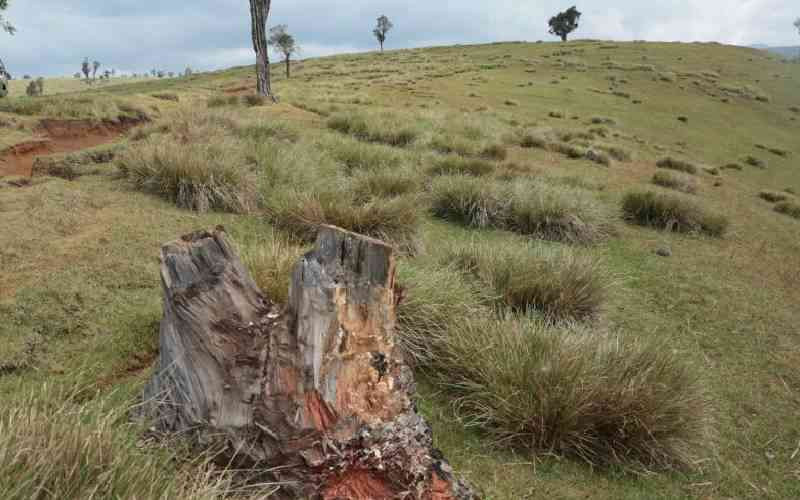
The European Union has officially delayed the implementation of itslandmark anti-deforestation lawfor the second year.A new regulation published in the Official Journal of the European Union confirms that global companies now have an extra year to prove their products are not destroying forests.This is the second time the law has been delayed. It was originally supposed to start in late 2024.Follow The Standard
channel
on WhatsAppBut the EU has set new dates where large and medium companies are supposed to comply with the regulations by December 30, 2026, while small and micro businesses have until June 30, 2027.The EU's Deforestation Regulation (EUDR) is a landmark lawbanning the importand export of commodities like cattle, cocoa, coffee, palm oil, soy, wood, and rubber linked to deforestation or forest degradation after December 31, 2020.It requires companies to prove their products are deforestation-free, legally produced, and traceable via due diligence statements.In the Official Journal, the EU cited technical glitches in its IT systems where companies upload their data. They noted that the systems were not yet ready to handle the massive amount of information.The delays are also a result of arguments by the EU’s global trading partners and industry groups, who argued that they were not ready for such strict rules. Farmers and small businesses exporting to the EU also found the regulations a bureaucratic nightmare.The implementation of EUDR has since faced delays and revisions.In December 2024, the European Union granted a 12-month additional phasing-in period, making the law applicable on 30 December 2025 for large and medium companies and 30 June 2026 for micro and small enterprises.The delays provide a vital window for countries like Kenya tofix technical hurdlesthat threatened to lock its goods out of the lucrative European market.While many countries face challenges with uncoordinated systems to track farmers’ data, many coffee farmers in the country are struggling to meet the requirements to continue exporting their coffee to the EU.To comply, farmers have to provide the geographic coordinates of the plots of land where the commodities were produced or harvested, which must then be submitted to the EU’s information system. This means that commodities that were produced illegally on deforested land after 31 December 2020 do not comply with the rules and cannot be placed on the EU market or exported.“Traceability to the plot of land is necessary to demonstrate that there is no deforestation occurring at a specific location,” the EU noted.Stay informed. Subscribe to our newsletterBy clicking on theSIGN UPbutton, you agree to ourTerms & Conditionsand thePrivacy PolicySIGN UPThis extension gives countries, operators, and traders additional time to prepare for their due diligence obligations.Stay Informed, Stay Empowered: Download the Standard ePaper App!Follow The Standard
channel
on WhatsApp
The European Union has officially delayed the implementation of itslandmark anti-deforestation lawfor the second year.A new regulation published in the Official Journal of the European Union confirms that global companies now have an extra year to prove their products are not destroying forests.This is the second time the law has been delayed. It was originally supposed to start in late 2024.Follow The Standard
channel
on WhatsAppBut the EU has set new dates where large and medium companies are supposed to comply with the regulations by December 30, 2026, while small and micro businesses have until June 30, 2027.The EU's Deforestation Regulation (EUDR) is a landmark lawbanning the importand export of commodities like cattle, cocoa, coffee, palm oil, soy, wood, and rubber linked to deforestation or forest degradation after December 31, 2020.It requires companies to prove their products are deforestation-free, legally produced, and traceable via due diligence statements.In the Official Journal, the EU cited technical glitches in its IT systems where companies upload their data. They noted that the systems were not yet ready to handle the massive amount of information.The delays are also a result of arguments by the EU’s global trading partners and industry groups, who argued that they were not ready for such strict rules. Farmers and small businesses exporting to the EU also found the regulations a bureaucratic nightmare.The implementation of EUDR has since faced delays and revisions.In December 2024, the European Union granted a 12-month additional phasing-in period, making the law applicable on 30 December 2025 for large and medium companies and 30 June 2026 for micro and small enterprises.The delays provide a vital window for countries like Kenya tofix technical hurdlesthat threatened to lock its goods out of the lucrative European market.While many countries face challenges with uncoordinated systems to track farmers’ data, many coffee farmers in the country are struggling to meet the requirements to continue exporting their coffee to the EU.To comply, farmers have to provide the geographic coordinates of the plots of land where the commodities were produced or harvested, which must then be submitted to the EU’s information system. This means that commodities that were produced illegally on deforested land after 31 December 2020 do not comply with the rules and cannot be placed on the EU market or exported.“Traceability to the plot of land is necessary to demonstrate that there is no deforestation occurring at a specific location,” the EU noted.Stay informed. Subscribe to our newsletterBy clicking on theSIGN UPbutton, you agree to ourTerms & Conditionsand thePrivacy PolicySIGN UPThis extension gives countries, operators, and traders additional time to prepare for their due diligence obligations.Stay Informed, Stay Empowered: Download the Standard ePaper App!Follow The Standard
channel
on WhatsApp
A new regulation published in the Official Journal of the European Union confirms that global companies now have an extra year to prove their products are not destroying forests.This is the second time the law has been delayed. It was originally supposed to start in late 2024.Follow The Standard
channel
on WhatsAppBut the EU has set new dates where large and medium companies are supposed to comply with the regulations by December 30, 2026, while small and micro businesses have until June 30, 2027.The EU's Deforestation Regulation (EUDR) is a landmark lawbanning the importand export of commodities like cattle, cocoa, coffee, palm oil, soy, wood, and rubber linked to deforestation or forest degradation after December 31, 2020.It requires companies to prove their products are deforestation-free, legally produced, and traceable via due diligence statements.In the Official Journal, the EU cited technical glitches in its IT systems where companies upload their data. They noted that the systems were not yet ready to handle the massive amount of information.The delays are also a result of arguments by the EU’s global trading partners and industry groups, who argued that they were not ready for such strict rules. Farmers and small businesses exporting to the EU also found the regulations a bureaucratic nightmare.The implementation of EUDR has since faced delays and revisions.In December 2024, the European Union granted a 12-month additional phasing-in period, making the law applicable on 30 December 2025 for large and medium companies and 30 June 2026 for micro and small enterprises.The delays provide a vital window for countries like Kenya tofix technical hurdlesthat threatened to lock its goods out of the lucrative European market.While many countries face challenges with uncoordinated systems to track farmers’ data, many coffee farmers in the country are struggling to meet the requirements to continue exporting their coffee to the EU.To comply, farmers have to provide the geographic coordinates of the plots of land where the commodities were produced or harvested, which must then be submitted to the EU’s information system. This means that commodities that were produced illegally on deforested land after 31 December 2020 do not comply with the rules and cannot be placed on the EU market or exported.“Traceability to the plot of land is necessary to demonstrate that there is no deforestation occurring at a specific location,” the EU noted.Stay informed. Subscribe to our newsletterBy clicking on theSIGN UPbutton, you agree to ourTerms & Conditionsand thePrivacy PolicySIGN UPThis extension gives countries, operators, and traders additional time to prepare for their due diligence obligations.Stay Informed, Stay Empowered: Download the Standard ePaper App!Follow The Standard
channel
on WhatsApp
This is the second time the law has been delayed. It was originally supposed to start in late 2024.Follow The Standard
channel
on WhatsAppBut the EU has set new dates where large and medium companies are supposed to comply with the regulations by December 30, 2026, while small and micro businesses have until June 30, 2027.The EU's Deforestation Regulation (EUDR) is a landmark lawbanning the importand export of commodities like cattle, cocoa, coffee, palm oil, soy, wood, and rubber linked to deforestation or forest degradation after December 31, 2020.It requires companies to prove their products are deforestation-free, legally produced, and traceable via due diligence statements.In the Official Journal, the EU cited technical glitches in its IT systems where companies upload their data. They noted that the systems were not yet ready to handle the massive amount of information.The delays are also a result of arguments by the EU’s global trading partners and industry groups, who argued that they were not ready for such strict rules. Farmers and small businesses exporting to the EU also found the regulations a bureaucratic nightmare.The implementation of EUDR has since faced delays and revisions.In December 2024, the European Union granted a 12-month additional phasing-in period, making the law applicable on 30 December 2025 for large and medium companies and 30 June 2026 for micro and small enterprises.The delays provide a vital window for countries like Kenya tofix technical hurdlesthat threatened to lock its goods out of the lucrative European market.While many countries face challenges with uncoordinated systems to track farmers’ data, many coffee farmers in the country are struggling to meet the requirements to continue exporting their coffee to the EU.To comply, farmers have to provide the geographic coordinates of the plots of land where the commodities were produced or harvested, which must then be submitted to the EU’s information system. This means that commodities that were produced illegally on deforested land after 31 December 2020 do not comply with the rules and cannot be placed on the EU market or exported.“Traceability to the plot of land is necessary to demonstrate that there is no deforestation occurring at a specific location,” the EU noted.Stay informed. Subscribe to our newsletterBy clicking on theSIGN UPbutton, you agree to ourTerms & Conditionsand thePrivacy PolicySIGN UPThis extension gives countries, operators, and traders additional time to prepare for their due diligence obligations.Stay Informed, Stay Empowered: Download the Standard ePaper App!Follow The Standard
channel
on WhatsApp
But the EU has set new dates where large and medium companies are supposed to comply with the regulations by December 30, 2026, while small and micro businesses have until June 30, 2027.The EU's Deforestation Regulation (EUDR) is a landmark lawbanning the importand export of commodities like cattle, cocoa, coffee, palm oil, soy, wood, and rubber linked to deforestation or forest degradation after December 31, 2020.It requires companies to prove their products are deforestation-free, legally produced, and traceable via due diligence statements.In the Official Journal, the EU cited technical glitches in its IT systems where companies upload their data. They noted that the systems were not yet ready to handle the massive amount of information.The delays are also a result of arguments by the EU’s global trading partners and industry groups, who argued that they were not ready for such strict rules. Farmers and small businesses exporting to the EU also found the regulations a bureaucratic nightmare.The implementation of EUDR has since faced delays and revisions.In December 2024, the European Union granted a 12-month additional phasing-in period, making the law applicable on 30 December 2025 for large and medium companies and 30 June 2026 for micro and small enterprises.The delays provide a vital window for countries like Kenya tofix technical hurdlesthat threatened to lock its goods out of the lucrative European market.While many countries face challenges with uncoordinated systems to track farmers’ data, many coffee farmers in the country are struggling to meet the requirements to continue exporting their coffee to the EU.To comply, farmers have to provide the geographic coordinates of the plots of land where the commodities were produced or harvested, which must then be submitted to the EU’s information system. This means that commodities that were produced illegally on deforested land after 31 December 2020 do not comply with the rules and cannot be placed on the EU market or exported.“Traceability to the plot of land is necessary to demonstrate that there is no deforestation occurring at a specific location,” the EU noted.Stay informed. Subscribe to our newsletterBy clicking on theSIGN UPbutton, you agree to ourTerms & Conditionsand thePrivacy PolicySIGN UPThis extension gives countries, operators, and traders additional time to prepare for their due diligence obligations.Stay Informed, Stay Empowered: Download the Standard ePaper App!Follow The Standard
channel
on WhatsApp
The EU's Deforestation Regulation (EUDR) is a landmark lawbanning the importand export of commodities like cattle, cocoa, coffee, palm oil, soy, wood, and rubber linked to deforestation or forest degradation after December 31, 2020.It requires companies to prove their products are deforestation-free, legally produced, and traceable via due diligence statements.In the Official Journal, the EU cited technical glitches in its IT systems where companies upload their data. They noted that the systems were not yet ready to handle the massive amount of information.The delays are also a result of arguments by the EU’s global trading partners and industry groups, who argued that they were not ready for such strict rules. Farmers and small businesses exporting to the EU also found the regulations a bureaucratic nightmare.The implementation of EUDR has since faced delays and revisions.In December 2024, the European Union granted a 12-month additional phasing-in period, making the law applicable on 30 December 2025 for large and medium companies and 30 June 2026 for micro and small enterprises.The delays provide a vital window for countries like Kenya tofix technical hurdlesthat threatened to lock its goods out of the lucrative European market.While many countries face challenges with uncoordinated systems to track farmers’ data, many coffee farmers in the country are struggling to meet the requirements to continue exporting their coffee to the EU.To comply, farmers have to provide the geographic coordinates of the plots of land where the commodities were produced or harvested, which must then be submitted to the EU’s information system. This means that commodities that were produced illegally on deforested land after 31 December 2020 do not comply with the rules and cannot be placed on the EU market or exported.“Traceability to the plot of land is necessary to demonstrate that there is no deforestation occurring at a specific location,” the EU noted.Stay informed. Subscribe to our newsletterBy clicking on theSIGN UPbutton, you agree to ourTerms & Conditionsand thePrivacy PolicySIGN UPThis extension gives countries, operators, and traders additional time to prepare for their due diligence obligations.Stay Informed, Stay Empowered: Download the Standard ePaper App!Follow The Standard
channel
on WhatsApp
It requires companies to prove their products are deforestation-free, legally produced, and traceable via due diligence statements.In the Official Journal, the EU cited technical glitches in its IT systems where companies upload their data. They noted that the systems were not yet ready to handle the massive amount of information.The delays are also a result of arguments by the EU’s global trading partners and industry groups, who argued that they were not ready for such strict rules. Farmers and small businesses exporting to the EU also found the regulations a bureaucratic nightmare.The implementation of EUDR has since faced delays and revisions.In December 2024, the European Union granted a 12-month additional phasing-in period, making the law applicable on 30 December 2025 for large and medium companies and 30 June 2026 for micro and small enterprises.The delays provide a vital window for countries like Kenya tofix technical hurdlesthat threatened to lock its goods out of the lucrative European market.While many countries face challenges with uncoordinated systems to track farmers’ data, many coffee farmers in the country are struggling to meet the requirements to continue exporting their coffee to the EU.To comply, farmers have to provide the geographic coordinates of the plots of land where the commodities were produced or harvested, which must then be submitted to the EU’s information system. This means that commodities that were produced illegally on deforested land after 31 December 2020 do not comply with the rules and cannot be placed on the EU market or exported.“Traceability to the plot of land is necessary to demonstrate that there is no deforestation occurring at a specific location,” the EU noted.Stay informed. Subscribe to our newsletterBy clicking on theSIGN UPbutton, you agree to ourTerms & Conditionsand thePrivacy PolicySIGN UPThis extension gives countries, operators, and traders additional time to prepare for their due diligence obligations.Stay Informed, Stay Empowered: Download the Standard ePaper App!Follow The Standard
channel
on WhatsApp
In the Official Journal, the EU cited technical glitches in its IT systems where companies upload their data. They noted that the systems were not yet ready to handle the massive amount of information.The delays are also a result of arguments by the EU’s global trading partners and industry groups, who argued that they were not ready for such strict rules. Farmers and small businesses exporting to the EU also found the regulations a bureaucratic nightmare.The implementation of EUDR has since faced delays and revisions.In December 2024, the European Union granted a 12-month additional phasing-in period, making the law applicable on 30 December 2025 for large and medium companies and 30 June 2026 for micro and small enterprises.The delays provide a vital window for countries like Kenya tofix technical hurdlesthat threatened to lock its goods out of the lucrative European market.While many countries face challenges with uncoordinated systems to track farmers’ data, many coffee farmers in the country are struggling to meet the requirements to continue exporting their coffee to the EU.To comply, farmers have to provide the geographic coordinates of the plots of land where the commodities were produced or harvested, which must then be submitted to the EU’s information system. This means that commodities that were produced illegally on deforested land after 31 December 2020 do not comply with the rules and cannot be placed on the EU market or exported.“Traceability to the plot of land is necessary to demonstrate that there is no deforestation occurring at a specific location,” the EU noted.Stay informed. Subscribe to our newsletterBy clicking on theSIGN UPbutton, you agree to ourTerms & Conditionsand thePrivacy PolicySIGN UPThis extension gives countries, operators, and traders additional time to prepare for their due diligence obligations.Stay Informed, Stay Empowered: Download the Standard ePaper App!Follow The Standard
channel
on WhatsApp
The delays are also a result of arguments by the EU’s global trading partners and industry groups, who argued that they were not ready for such strict rules. Farmers and small businesses exporting to the EU also found the regulations a bureaucratic nightmare.The implementation of EUDR has since faced delays and revisions.In December 2024, the European Union granted a 12-month additional phasing-in period, making the law applicable on 30 December 2025 for large and medium companies and 30 June 2026 for micro and small enterprises.The delays provide a vital window for countries like Kenya tofix technical hurdlesthat threatened to lock its goods out of the lucrative European market.While many countries face challenges with uncoordinated systems to track farmers’ data, many coffee farmers in the country are struggling to meet the requirements to continue exporting their coffee to the EU.To comply, farmers have to provide the geographic coordinates of the plots of land where the commodities were produced or harvested, which must then be submitted to the EU’s information system. This means that commodities that were produced illegally on deforested land after 31 December 2020 do not comply with the rules and cannot be placed on the EU market or exported.“Traceability to the plot of land is necessary to demonstrate that there is no deforestation occurring at a specific location,” the EU noted.Stay informed. Subscribe to our newsletterBy clicking on theSIGN UPbutton, you agree to ourTerms & Conditionsand thePrivacy PolicySIGN UPThis extension gives countries, operators, and traders additional time to prepare for their due diligence obligations.Stay Informed, Stay Empowered: Download the Standard ePaper App!Follow The Standard
channel
on WhatsApp
The implementation of EUDR has since faced delays and revisions.In December 2024, the European Union granted a 12-month additional phasing-in period, making the law applicable on 30 December 2025 for large and medium companies and 30 June 2026 for micro and small enterprises.The delays provide a vital window for countries like Kenya tofix technical hurdlesthat threatened to lock its goods out of the lucrative European market.While many countries face challenges with uncoordinated systems to track farmers’ data, many coffee farmers in the country are struggling to meet the requirements to continue exporting their coffee to the EU.To comply, farmers have to provide the geographic coordinates of the plots of land where the commodities were produced or harvested, which must then be submitted to the EU’s information system. This means that commodities that were produced illegally on deforested land after 31 December 2020 do not comply with the rules and cannot be placed on the EU market or exported.“Traceability to the plot of land is necessary to demonstrate that there is no deforestation occurring at a specific location,” the EU noted.Stay informed. Subscribe to our newsletterBy clicking on theSIGN UPbutton, you agree to ourTerms & Conditionsand thePrivacy PolicySIGN UPThis extension gives countries, operators, and traders additional time to prepare for their due diligence obligations.Stay Informed, Stay Empowered: Download the Standard ePaper App!Follow The Standard
channel
on WhatsApp
In December 2024, the European Union granted a 12-month additional phasing-in period, making the law applicable on 30 December 2025 for large and medium companies and 30 June 2026 for micro and small enterprises.The delays provide a vital window for countries like Kenya tofix technical hurdlesthat threatened to lock its goods out of the lucrative European market.While many countries face challenges with uncoordinated systems to track farmers’ data, many coffee farmers in the country are struggling to meet the requirements to continue exporting their coffee to the EU.To comply, farmers have to provide the geographic coordinates of the plots of land where the commodities were produced or harvested, which must then be submitted to the EU’s information system. This means that commodities that were produced illegally on deforested land after 31 December 2020 do not comply with the rules and cannot be placed on the EU market or exported.“Traceability to the plot of land is necessary to demonstrate that there is no deforestation occurring at a specific location,” the EU noted.Stay informed. Subscribe to our newsletterBy clicking on theSIGN UPbutton, you agree to ourTerms & Conditionsand thePrivacy PolicySIGN UPThis extension gives countries, operators, and traders additional time to prepare for their due diligence obligations.Stay Informed, Stay Empowered: Download the Standard ePaper App!Follow The Standard
channel
on WhatsApp
The delays provide a vital window for countries like Kenya tofix technical hurdlesthat threatened to lock its goods out of the lucrative European market.While many countries face challenges with uncoordinated systems to track farmers’ data, many coffee farmers in the country are struggling to meet the requirements to continue exporting their coffee to the EU.To comply, farmers have to provide the geographic coordinates of the plots of land where the commodities were produced or harvested, which must then be submitted to the EU’s information system. This means that commodities that were produced illegally on deforested land after 31 December 2020 do not comply with the rules and cannot be placed on the EU market or exported.“Traceability to the plot of land is necessary to demonstrate that there is no deforestation occurring at a specific location,” the EU noted.Stay informed. Subscribe to our newsletterBy clicking on theSIGN UPbutton, you agree to ourTerms & Conditionsand thePrivacy PolicySIGN UPThis extension gives countries, operators, and traders additional time to prepare for their due diligence obligations.Stay Informed, Stay Empowered: Download the Standard ePaper App!Follow The Standard
channel
on WhatsApp
While many countries face challenges with uncoordinated systems to track farmers’ data, many coffee farmers in the country are struggling to meet the requirements to continue exporting their coffee to the EU.To comply, farmers have to provide the geographic coordinates of the plots of land where the commodities were produced or harvested, which must then be submitted to the EU’s information system. This means that commodities that were produced illegally on deforested land after 31 December 2020 do not comply with the rules and cannot be placed on the EU market or exported.“Traceability to the plot of land is necessary to demonstrate that there is no deforestation occurring at a specific location,” the EU noted.Stay informed. Subscribe to our newsletterBy clicking on theSIGN UPbutton, you agree to ourTerms & Conditionsand thePrivacy PolicySIGN UPThis extension gives countries, operators, and traders additional time to prepare for their due diligence obligations.Stay Informed, Stay Empowered: Download the Standard ePaper App!Follow The Standard
channel
on WhatsApp
To comply, farmers have to provide the geographic coordinates of the plots of land where the commodities were produced or harvested, which must then be submitted to the EU’s information system. This means that commodities that were produced illegally on deforested land after 31 December 2020 do not comply with the rules and cannot be placed on the EU market or exported.“Traceability to the plot of land is necessary to demonstrate that there is no deforestation occurring at a specific location,” the EU noted.Stay informed. Subscribe to our newsletterBy clicking on theSIGN UPbutton, you agree to ourTerms & Conditionsand thePrivacy PolicySIGN UPThis extension gives countries, operators, and traders additional time to prepare for their due diligence obligations.Stay Informed, Stay Empowered: Download the Standard ePaper App!Follow The Standard
channel
on WhatsApp
“Traceability to the plot of land is necessary to demonstrate that there is no deforestation occurring at a specific location,” the EU noted.Stay informed. Subscribe to our newsletterBy clicking on theSIGN UPbutton, you agree to ourTerms & Conditionsand thePrivacy PolicySIGN UPThis extension gives countries, operators, and traders additional time to prepare for their due diligence obligations.Stay Informed, Stay Empowered: Download the Standard ePaper App!Follow The Standard
channel
on WhatsApp
This extension gives countries, operators, and traders additional time to prepare for their due diligence obligations.Stay Informed, Stay Empowered: Download the Standard ePaper App!Follow The Standard
channel
on WhatsApp
Subscribe to our newsletter and stay updated on the latest developments and special
offers!
Pick your favourite topics below for a tailor made homepage just for you