
Hoteliers hail campaign to eradicate invasive birds at Coast
Source: The Standard
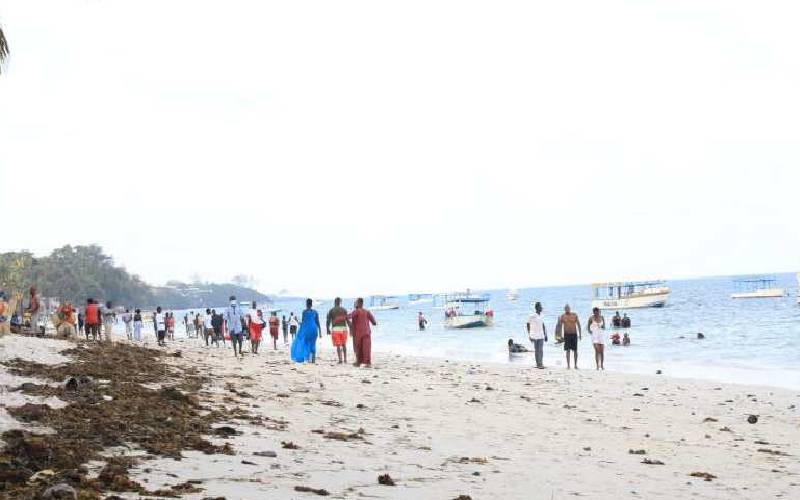
A campaign mooted by the Mombasa Tourism Council (MTC) to weed out the menacing Indian house crows through prebaiting has shown remarkable success, tourism stakeholders have said.Interviews with tourism stakeholdersin Mombasa revealed that there were fewer cases of the invasive birds encroaching on hospitality establishments during the last festive season."While there was marked improvement, with most resorts reporting a decrease in disturbances as a result of the crow menace after the prebaiting exercise was done, more still needs to be done with long-term plans to scale up the prebaiting exercise to include other urban areas and not just beach hotels. Other areas not targeted could easily become their hideouts and breeding sites," Mr Alfaxad Chege, General Manager at Mombasa Serena Beach Hotel, said.Another hotelier, Mr Cyrus Chamia, General Manager at Jacyjoka Holiday Apartments, said the damage and inconveniences caused by the crows were damaging the destination's reputation.Follow The Standard
channel
on WhatsAppA recent study by MTC revealed that the tourism sector at the Coast region losses about Sh200 million annually in revenue, guest compensation, and pest control due to the birds.MTC chairman, Dr Sam Ikwaye, said that over 65 percent of beachfront hotels reported significant guest complaints about the birds disruptions that grew by an estimated 30 in the past year.MTC has accelerated its countywideHouse Crow Control Programto protect the region’s vital tourism economy.Last December, MTC announced that prebaiting operations at key tourist sites had been successfully completed, setting the stage for a major eradication then.''This intervention comes in direct response to mounting evidence linking crow infestations to declining visitor satisfaction and reputational damage to Kenya’s premier coastal destination,'' he said.While emphasising the need for urgent action, Ikwaye noted that the time to act is now.“When tourists are driven indoors during breakfast or find their beach experience interrupted, we are not just losing a moment – we are risking repeat visits and our competitive edge. This is a direct threat to livelihoods in hospitality, tours, and retail, all of which depend on a positive visitor experience,'' he said.Experts have linked the house crow to the displacement of native bird species, affecting biodiversity and the natural appeal of coastal ecosystems.''However, the primary focus remains on safeguarding tourism, which employs over 50,000 people directly in Mombasa County,'' he said then.An inaugural tourism-focused fundraiser to raise funds for the prebaiting exercise was held last December with the sole aim of securing resources for monitoring, rapid response, and long-term reinvasion prevention.''There remains an urgent need to strengthen collaboration between hotels, county government, and conservation bodies as well as support real-time reporting and response systems to minimise tourist disruption, including participation in funding and advocacy to ensure a crow-managed coastline,'' Dr Ikwaye said.Stay informed. Subscribe to our newsletterBy clicking on theSIGN UPbutton, you agree to ourTerms & Conditionsand thePrivacy PolicySIGN UPIn the meantime, Ikwaye noted that MTC reaffirms that managing the house crow is not merely an environmental issue but an economic imperative for tourism recovery and growth.Stay Informed, Stay Empowered: Download the Standard ePaper App!Follow The Standard
channel
on WhatsApp
Interviews with tourism stakeholdersin Mombasa revealed that there were fewer cases of the invasive birds encroaching on hospitality establishments during the last festive season."While there was marked improvement, with most resorts reporting a decrease in disturbances as a result of the crow menace after the prebaiting exercise was done, more still needs to be done with long-term plans to scale up the prebaiting exercise to include other urban areas and not just beach hotels. Other areas not targeted could easily become their hideouts and breeding sites," Mr Alfaxad Chege, General Manager at Mombasa Serena Beach Hotel, said.Another hotelier, Mr Cyrus Chamia, General Manager at Jacyjoka Holiday Apartments, said the damage and inconveniences caused by the crows were damaging the destination's reputation.Follow The Standard
channel
on WhatsAppA recent study by MTC revealed that the tourism sector at the Coast region losses about Sh200 million annually in revenue, guest compensation, and pest control due to the birds.MTC chairman, Dr Sam Ikwaye, said that over 65 percent of beachfront hotels reported significant guest complaints about the birds disruptions that grew by an estimated 30 in the past year.MTC has accelerated its countywideHouse Crow Control Programto protect the region’s vital tourism economy.Last December, MTC announced that prebaiting operations at key tourist sites had been successfully completed, setting the stage for a major eradication then.''This intervention comes in direct response to mounting evidence linking crow infestations to declining visitor satisfaction and reputational damage to Kenya’s premier coastal destination,'' he said.While emphasising the need for urgent action, Ikwaye noted that the time to act is now.“When tourists are driven indoors during breakfast or find their beach experience interrupted, we are not just losing a moment – we are risking repeat visits and our competitive edge. This is a direct threat to livelihoods in hospitality, tours, and retail, all of which depend on a positive visitor experience,'' he said.Experts have linked the house crow to the displacement of native bird species, affecting biodiversity and the natural appeal of coastal ecosystems.''However, the primary focus remains on safeguarding tourism, which employs over 50,000 people directly in Mombasa County,'' he said then.An inaugural tourism-focused fundraiser to raise funds for the prebaiting exercise was held last December with the sole aim of securing resources for monitoring, rapid response, and long-term reinvasion prevention.''There remains an urgent need to strengthen collaboration between hotels, county government, and conservation bodies as well as support real-time reporting and response systems to minimise tourist disruption, including participation in funding and advocacy to ensure a crow-managed coastline,'' Dr Ikwaye said.Stay informed. Subscribe to our newsletterBy clicking on theSIGN UPbutton, you agree to ourTerms & Conditionsand thePrivacy PolicySIGN UPIn the meantime, Ikwaye noted that MTC reaffirms that managing the house crow is not merely an environmental issue but an economic imperative for tourism recovery and growth.Stay Informed, Stay Empowered: Download the Standard ePaper App!Follow The Standard
channel
on WhatsApp
"While there was marked improvement, with most resorts reporting a decrease in disturbances as a result of the crow menace after the prebaiting exercise was done, more still needs to be done with long-term plans to scale up the prebaiting exercise to include other urban areas and not just beach hotels. Other areas not targeted could easily become their hideouts and breeding sites," Mr Alfaxad Chege, General Manager at Mombasa Serena Beach Hotel, said.Another hotelier, Mr Cyrus Chamia, General Manager at Jacyjoka Holiday Apartments, said the damage and inconveniences caused by the crows were damaging the destination's reputation.Follow The Standard
channel
on WhatsAppA recent study by MTC revealed that the tourism sector at the Coast region losses about Sh200 million annually in revenue, guest compensation, and pest control due to the birds.MTC chairman, Dr Sam Ikwaye, said that over 65 percent of beachfront hotels reported significant guest complaints about the birds disruptions that grew by an estimated 30 in the past year.MTC has accelerated its countywideHouse Crow Control Programto protect the region’s vital tourism economy.Last December, MTC announced that prebaiting operations at key tourist sites had been successfully completed, setting the stage for a major eradication then.''This intervention comes in direct response to mounting evidence linking crow infestations to declining visitor satisfaction and reputational damage to Kenya’s premier coastal destination,'' he said.While emphasising the need for urgent action, Ikwaye noted that the time to act is now.“When tourists are driven indoors during breakfast or find their beach experience interrupted, we are not just losing a moment – we are risking repeat visits and our competitive edge. This is a direct threat to livelihoods in hospitality, tours, and retail, all of which depend on a positive visitor experience,'' he said.Experts have linked the house crow to the displacement of native bird species, affecting biodiversity and the natural appeal of coastal ecosystems.''However, the primary focus remains on safeguarding tourism, which employs over 50,000 people directly in Mombasa County,'' he said then.An inaugural tourism-focused fundraiser to raise funds for the prebaiting exercise was held last December with the sole aim of securing resources for monitoring, rapid response, and long-term reinvasion prevention.''There remains an urgent need to strengthen collaboration between hotels, county government, and conservation bodies as well as support real-time reporting and response systems to minimise tourist disruption, including participation in funding and advocacy to ensure a crow-managed coastline,'' Dr Ikwaye said.Stay informed. Subscribe to our newsletterBy clicking on theSIGN UPbutton, you agree to ourTerms & Conditionsand thePrivacy PolicySIGN UPIn the meantime, Ikwaye noted that MTC reaffirms that managing the house crow is not merely an environmental issue but an economic imperative for tourism recovery and growth.Stay Informed, Stay Empowered: Download the Standard ePaper App!Follow The Standard
channel
on WhatsApp
Another hotelier, Mr Cyrus Chamia, General Manager at Jacyjoka Holiday Apartments, said the damage and inconveniences caused by the crows were damaging the destination's reputation.Follow The Standard
channel
on WhatsAppA recent study by MTC revealed that the tourism sector at the Coast region losses about Sh200 million annually in revenue, guest compensation, and pest control due to the birds.MTC chairman, Dr Sam Ikwaye, said that over 65 percent of beachfront hotels reported significant guest complaints about the birds disruptions that grew by an estimated 30 in the past year.MTC has accelerated its countywideHouse Crow Control Programto protect the region’s vital tourism economy.Last December, MTC announced that prebaiting operations at key tourist sites had been successfully completed, setting the stage for a major eradication then.''This intervention comes in direct response to mounting evidence linking crow infestations to declining visitor satisfaction and reputational damage to Kenya’s premier coastal destination,'' he said.While emphasising the need for urgent action, Ikwaye noted that the time to act is now.“When tourists are driven indoors during breakfast or find their beach experience interrupted, we are not just losing a moment – we are risking repeat visits and our competitive edge. This is a direct threat to livelihoods in hospitality, tours, and retail, all of which depend on a positive visitor experience,'' he said.Experts have linked the house crow to the displacement of native bird species, affecting biodiversity and the natural appeal of coastal ecosystems.''However, the primary focus remains on safeguarding tourism, which employs over 50,000 people directly in Mombasa County,'' he said then.An inaugural tourism-focused fundraiser to raise funds for the prebaiting exercise was held last December with the sole aim of securing resources for monitoring, rapid response, and long-term reinvasion prevention.''There remains an urgent need to strengthen collaboration between hotels, county government, and conservation bodies as well as support real-time reporting and response systems to minimise tourist disruption, including participation in funding and advocacy to ensure a crow-managed coastline,'' Dr Ikwaye said.Stay informed. Subscribe to our newsletterBy clicking on theSIGN UPbutton, you agree to ourTerms & Conditionsand thePrivacy PolicySIGN UPIn the meantime, Ikwaye noted that MTC reaffirms that managing the house crow is not merely an environmental issue but an economic imperative for tourism recovery and growth.Stay Informed, Stay Empowered: Download the Standard ePaper App!Follow The Standard
channel
on WhatsApp
A recent study by MTC revealed that the tourism sector at the Coast region losses about Sh200 million annually in revenue, guest compensation, and pest control due to the birds.MTC chairman, Dr Sam Ikwaye, said that over 65 percent of beachfront hotels reported significant guest complaints about the birds disruptions that grew by an estimated 30 in the past year.MTC has accelerated its countywideHouse Crow Control Programto protect the region’s vital tourism economy.Last December, MTC announced that prebaiting operations at key tourist sites had been successfully completed, setting the stage for a major eradication then.''This intervention comes in direct response to mounting evidence linking crow infestations to declining visitor satisfaction and reputational damage to Kenya’s premier coastal destination,'' he said.While emphasising the need for urgent action, Ikwaye noted that the time to act is now.“When tourists are driven indoors during breakfast or find their beach experience interrupted, we are not just losing a moment – we are risking repeat visits and our competitive edge. This is a direct threat to livelihoods in hospitality, tours, and retail, all of which depend on a positive visitor experience,'' he said.Experts have linked the house crow to the displacement of native bird species, affecting biodiversity and the natural appeal of coastal ecosystems.''However, the primary focus remains on safeguarding tourism, which employs over 50,000 people directly in Mombasa County,'' he said then.An inaugural tourism-focused fundraiser to raise funds for the prebaiting exercise was held last December with the sole aim of securing resources for monitoring, rapid response, and long-term reinvasion prevention.''There remains an urgent need to strengthen collaboration between hotels, county government, and conservation bodies as well as support real-time reporting and response systems to minimise tourist disruption, including participation in funding and advocacy to ensure a crow-managed coastline,'' Dr Ikwaye said.Stay informed. Subscribe to our newsletterBy clicking on theSIGN UPbutton, you agree to ourTerms & Conditionsand thePrivacy PolicySIGN UPIn the meantime, Ikwaye noted that MTC reaffirms that managing the house crow is not merely an environmental issue but an economic imperative for tourism recovery and growth.Stay Informed, Stay Empowered: Download the Standard ePaper App!Follow The Standard
channel
on WhatsApp
MTC chairman, Dr Sam Ikwaye, said that over 65 percent of beachfront hotels reported significant guest complaints about the birds disruptions that grew by an estimated 30 in the past year.MTC has accelerated its countywideHouse Crow Control Programto protect the region’s vital tourism economy.Last December, MTC announced that prebaiting operations at key tourist sites had been successfully completed, setting the stage for a major eradication then.''This intervention comes in direct response to mounting evidence linking crow infestations to declining visitor satisfaction and reputational damage to Kenya’s premier coastal destination,'' he said.While emphasising the need for urgent action, Ikwaye noted that the time to act is now.“When tourists are driven indoors during breakfast or find their beach experience interrupted, we are not just losing a moment – we are risking repeat visits and our competitive edge. This is a direct threat to livelihoods in hospitality, tours, and retail, all of which depend on a positive visitor experience,'' he said.Experts have linked the house crow to the displacement of native bird species, affecting biodiversity and the natural appeal of coastal ecosystems.''However, the primary focus remains on safeguarding tourism, which employs over 50,000 people directly in Mombasa County,'' he said then.An inaugural tourism-focused fundraiser to raise funds for the prebaiting exercise was held last December with the sole aim of securing resources for monitoring, rapid response, and long-term reinvasion prevention.''There remains an urgent need to strengthen collaboration between hotels, county government, and conservation bodies as well as support real-time reporting and response systems to minimise tourist disruption, including participation in funding and advocacy to ensure a crow-managed coastline,'' Dr Ikwaye said.Stay informed. Subscribe to our newsletterBy clicking on theSIGN UPbutton, you agree to ourTerms & Conditionsand thePrivacy PolicySIGN UPIn the meantime, Ikwaye noted that MTC reaffirms that managing the house crow is not merely an environmental issue but an economic imperative for tourism recovery and growth.Stay Informed, Stay Empowered: Download the Standard ePaper App!Follow The Standard
channel
on WhatsApp
MTC has accelerated its countywideHouse Crow Control Programto protect the region’s vital tourism economy.Last December, MTC announced that prebaiting operations at key tourist sites had been successfully completed, setting the stage for a major eradication then.''This intervention comes in direct response to mounting evidence linking crow infestations to declining visitor satisfaction and reputational damage to Kenya’s premier coastal destination,'' he said.While emphasising the need for urgent action, Ikwaye noted that the time to act is now.“When tourists are driven indoors during breakfast or find their beach experience interrupted, we are not just losing a moment – we are risking repeat visits and our competitive edge. This is a direct threat to livelihoods in hospitality, tours, and retail, all of which depend on a positive visitor experience,'' he said.Experts have linked the house crow to the displacement of native bird species, affecting biodiversity and the natural appeal of coastal ecosystems.''However, the primary focus remains on safeguarding tourism, which employs over 50,000 people directly in Mombasa County,'' he said then.An inaugural tourism-focused fundraiser to raise funds for the prebaiting exercise was held last December with the sole aim of securing resources for monitoring, rapid response, and long-term reinvasion prevention.''There remains an urgent need to strengthen collaboration between hotels, county government, and conservation bodies as well as support real-time reporting and response systems to minimise tourist disruption, including participation in funding and advocacy to ensure a crow-managed coastline,'' Dr Ikwaye said.Stay informed. Subscribe to our newsletterBy clicking on theSIGN UPbutton, you agree to ourTerms & Conditionsand thePrivacy PolicySIGN UPIn the meantime, Ikwaye noted that MTC reaffirms that managing the house crow is not merely an environmental issue but an economic imperative for tourism recovery and growth.Stay Informed, Stay Empowered: Download the Standard ePaper App!Follow The Standard
channel
on WhatsApp
Last December, MTC announced that prebaiting operations at key tourist sites had been successfully completed, setting the stage for a major eradication then.''This intervention comes in direct response to mounting evidence linking crow infestations to declining visitor satisfaction and reputational damage to Kenya’s premier coastal destination,'' he said.While emphasising the need for urgent action, Ikwaye noted that the time to act is now.“When tourists are driven indoors during breakfast or find their beach experience interrupted, we are not just losing a moment – we are risking repeat visits and our competitive edge. This is a direct threat to livelihoods in hospitality, tours, and retail, all of which depend on a positive visitor experience,'' he said.Experts have linked the house crow to the displacement of native bird species, affecting biodiversity and the natural appeal of coastal ecosystems.''However, the primary focus remains on safeguarding tourism, which employs over 50,000 people directly in Mombasa County,'' he said then.An inaugural tourism-focused fundraiser to raise funds for the prebaiting exercise was held last December with the sole aim of securing resources for monitoring, rapid response, and long-term reinvasion prevention.''There remains an urgent need to strengthen collaboration between hotels, county government, and conservation bodies as well as support real-time reporting and response systems to minimise tourist disruption, including participation in funding and advocacy to ensure a crow-managed coastline,'' Dr Ikwaye said.Stay informed. Subscribe to our newsletterBy clicking on theSIGN UPbutton, you agree to ourTerms & Conditionsand thePrivacy PolicySIGN UPIn the meantime, Ikwaye noted that MTC reaffirms that managing the house crow is not merely an environmental issue but an economic imperative for tourism recovery and growth.Stay Informed, Stay Empowered: Download the Standard ePaper App!Follow The Standard
channel
on WhatsApp
''This intervention comes in direct response to mounting evidence linking crow infestations to declining visitor satisfaction and reputational damage to Kenya’s premier coastal destination,'' he said.While emphasising the need for urgent action, Ikwaye noted that the time to act is now.“When tourists are driven indoors during breakfast or find their beach experience interrupted, we are not just losing a moment – we are risking repeat visits and our competitive edge. This is a direct threat to livelihoods in hospitality, tours, and retail, all of which depend on a positive visitor experience,'' he said.Experts have linked the house crow to the displacement of native bird species, affecting biodiversity and the natural appeal of coastal ecosystems.''However, the primary focus remains on safeguarding tourism, which employs over 50,000 people directly in Mombasa County,'' he said then.An inaugural tourism-focused fundraiser to raise funds for the prebaiting exercise was held last December with the sole aim of securing resources for monitoring, rapid response, and long-term reinvasion prevention.''There remains an urgent need to strengthen collaboration between hotels, county government, and conservation bodies as well as support real-time reporting and response systems to minimise tourist disruption, including participation in funding and advocacy to ensure a crow-managed coastline,'' Dr Ikwaye said.Stay informed. Subscribe to our newsletterBy clicking on theSIGN UPbutton, you agree to ourTerms & Conditionsand thePrivacy PolicySIGN UPIn the meantime, Ikwaye noted that MTC reaffirms that managing the house crow is not merely an environmental issue but an economic imperative for tourism recovery and growth.Stay Informed, Stay Empowered: Download the Standard ePaper App!Follow The Standard
channel
on WhatsApp
While emphasising the need for urgent action, Ikwaye noted that the time to act is now.“When tourists are driven indoors during breakfast or find their beach experience interrupted, we are not just losing a moment – we are risking repeat visits and our competitive edge. This is a direct threat to livelihoods in hospitality, tours, and retail, all of which depend on a positive visitor experience,'' he said.Experts have linked the house crow to the displacement of native bird species, affecting biodiversity and the natural appeal of coastal ecosystems.''However, the primary focus remains on safeguarding tourism, which employs over 50,000 people directly in Mombasa County,'' he said then.An inaugural tourism-focused fundraiser to raise funds for the prebaiting exercise was held last December with the sole aim of securing resources for monitoring, rapid response, and long-term reinvasion prevention.''There remains an urgent need to strengthen collaboration between hotels, county government, and conservation bodies as well as support real-time reporting and response systems to minimise tourist disruption, including participation in funding and advocacy to ensure a crow-managed coastline,'' Dr Ikwaye said.Stay informed. Subscribe to our newsletterBy clicking on theSIGN UPbutton, you agree to ourTerms & Conditionsand thePrivacy PolicySIGN UPIn the meantime, Ikwaye noted that MTC reaffirms that managing the house crow is not merely an environmental issue but an economic imperative for tourism recovery and growth.Stay Informed, Stay Empowered: Download the Standard ePaper App!Follow The Standard
channel
on WhatsApp
“When tourists are driven indoors during breakfast or find their beach experience interrupted, we are not just losing a moment – we are risking repeat visits and our competitive edge. This is a direct threat to livelihoods in hospitality, tours, and retail, all of which depend on a positive visitor experience,'' he said.Experts have linked the house crow to the displacement of native bird species, affecting biodiversity and the natural appeal of coastal ecosystems.''However, the primary focus remains on safeguarding tourism, which employs over 50,000 people directly in Mombasa County,'' he said then.An inaugural tourism-focused fundraiser to raise funds for the prebaiting exercise was held last December with the sole aim of securing resources for monitoring, rapid response, and long-term reinvasion prevention.''There remains an urgent need to strengthen collaboration between hotels, county government, and conservation bodies as well as support real-time reporting and response systems to minimise tourist disruption, including participation in funding and advocacy to ensure a crow-managed coastline,'' Dr Ikwaye said.Stay informed. Subscribe to our newsletterBy clicking on theSIGN UPbutton, you agree to ourTerms & Conditionsand thePrivacy PolicySIGN UPIn the meantime, Ikwaye noted that MTC reaffirms that managing the house crow is not merely an environmental issue but an economic imperative for tourism recovery and growth.Stay Informed, Stay Empowered: Download the Standard ePaper App!Follow The Standard
channel
on WhatsApp
Experts have linked the house crow to the displacement of native bird species, affecting biodiversity and the natural appeal of coastal ecosystems.''However, the primary focus remains on safeguarding tourism, which employs over 50,000 people directly in Mombasa County,'' he said then.An inaugural tourism-focused fundraiser to raise funds for the prebaiting exercise was held last December with the sole aim of securing resources for monitoring, rapid response, and long-term reinvasion prevention.''There remains an urgent need to strengthen collaboration between hotels, county government, and conservation bodies as well as support real-time reporting and response systems to minimise tourist disruption, including participation in funding and advocacy to ensure a crow-managed coastline,'' Dr Ikwaye said.Stay informed. Subscribe to our newsletterBy clicking on theSIGN UPbutton, you agree to ourTerms & Conditionsand thePrivacy PolicySIGN UPIn the meantime, Ikwaye noted that MTC reaffirms that managing the house crow is not merely an environmental issue but an economic imperative for tourism recovery and growth.Stay Informed, Stay Empowered: Download the Standard ePaper App!Follow The Standard
channel
on WhatsApp
''However, the primary focus remains on safeguarding tourism, which employs over 50,000 people directly in Mombasa County,'' he said then.An inaugural tourism-focused fundraiser to raise funds for the prebaiting exercise was held last December with the sole aim of securing resources for monitoring, rapid response, and long-term reinvasion prevention.''There remains an urgent need to strengthen collaboration between hotels, county government, and conservation bodies as well as support real-time reporting and response systems to minimise tourist disruption, including participation in funding and advocacy to ensure a crow-managed coastline,'' Dr Ikwaye said.Stay informed. Subscribe to our newsletterBy clicking on theSIGN UPbutton, you agree to ourTerms & Conditionsand thePrivacy PolicySIGN UPIn the meantime, Ikwaye noted that MTC reaffirms that managing the house crow is not merely an environmental issue but an economic imperative for tourism recovery and growth.Stay Informed, Stay Empowered: Download the Standard ePaper App!Follow The Standard
channel
on WhatsApp
An inaugural tourism-focused fundraiser to raise funds for the prebaiting exercise was held last December with the sole aim of securing resources for monitoring, rapid response, and long-term reinvasion prevention.''There remains an urgent need to strengthen collaboration between hotels, county government, and conservation bodies as well as support real-time reporting and response systems to minimise tourist disruption, including participation in funding and advocacy to ensure a crow-managed coastline,'' Dr Ikwaye said.Stay informed. Subscribe to our newsletterBy clicking on theSIGN UPbutton, you agree to ourTerms & Conditionsand thePrivacy PolicySIGN UPIn the meantime, Ikwaye noted that MTC reaffirms that managing the house crow is not merely an environmental issue but an economic imperative for tourism recovery and growth.Stay Informed, Stay Empowered: Download the Standard ePaper App!Follow The Standard
channel
on WhatsApp
''There remains an urgent need to strengthen collaboration between hotels, county government, and conservation bodies as well as support real-time reporting and response systems to minimise tourist disruption, including participation in funding and advocacy to ensure a crow-managed coastline,'' Dr Ikwaye said.Stay informed. Subscribe to our newsletterBy clicking on theSIGN UPbutton, you agree to ourTerms & Conditionsand thePrivacy PolicySIGN UPIn the meantime, Ikwaye noted that MTC reaffirms that managing the house crow is not merely an environmental issue but an economic imperative for tourism recovery and growth.Stay Informed, Stay Empowered: Download the Standard ePaper App!Follow The Standard
channel
on WhatsApp
In the meantime, Ikwaye noted that MTC reaffirms that managing the house crow is not merely an environmental issue but an economic imperative for tourism recovery and growth.Stay Informed, Stay Empowered: Download the Standard ePaper App!Follow The Standard
channel
on WhatsApp
Subscribe to our newsletter and stay updated on the latest developments and special
offers!
Pick your favourite topics below for a tailor made homepage just for you