
How Pepfar funding cut will hurt Africa
Source: The Standard
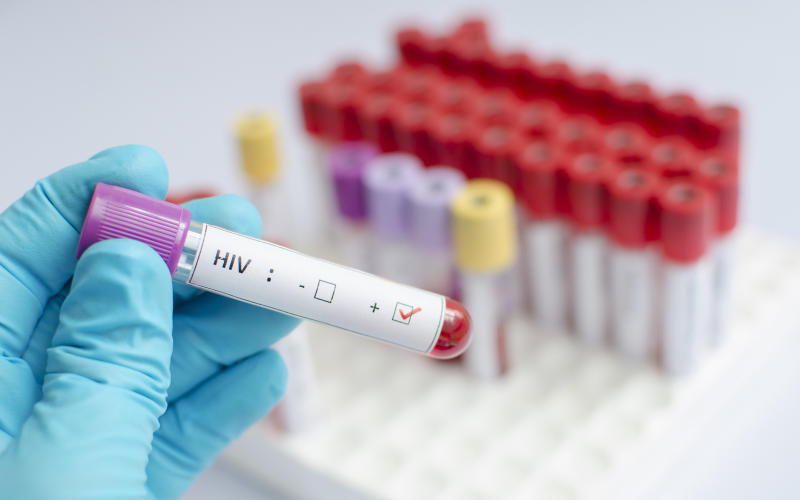
The US President’s Emergency Plan for AIDS Relief has been a cornerstone of global HIV/AIDS prevention, care, and treatment for over two decades. Pepfar has enjoyed broad bipartisan support in the US, but its future is now uncertain. Public health scholars Eric A. Friedman, Sarah A. Wetter, and Lawrence O. Gostin explain Pepfar’s history, its impacts, and what may lie ahead.
Many people today have forgotten the devastation the AIDS pandemic wrought on the African continent, first spreading widely in East Africa in the 1980s. By the end of the 20th century, life expectancy in the region had decreased from 64 to 47 years. Millions of children were infected, and many grew up as orphans, losing one or both parents to HIV.
Children, especially girls, were often taken out of school to nurse sick relatives or because school fees were unaffordable. Underfunded health systems were near collapse, as were the economies of many African countries. Infection rates in several countries topped 30% of the adult population.
These devastating figures persisted despite the discovery of highly effective antiretroviral therapies in the 1990s. The drugs quickly became widely available in wealthy countries beginning in 1996, leading to an 84% decline in death rates over four years. However, the cost kept the drugs out of reach for most African countries.
By 2003, only about 100,000 of the 20 million people infected with HIV in Africa were accessing treatment.
A major breakthrough came when US President George W. Bush proposed a bold global initiative, Pepfar, in his 2003 State of the Union Address. Pepfar would dedicate US$15 billion over five years to prevent 7 million new infections, treat 2 million people, and care for another 10 million infected with HIV or orphaned by the disease.
By 2005, more than 800,000 people were being treated for HIV in Africa—an eightfold increase from just two years prior. Under Pepfar, the cost of antiretroviral treatment per person per year in low- and middle-income countries fell from US$1,200 in 2003 to just US$58 in 2023.
Pepfar maintained bipartisan support throughout both Democratic and Republican-led administrations and Congresses. Through 2018, it had been reauthorised three times, each for five years. The program has lived up to its promise, with an investment of over US$110 billion since its launch, benefiting sub-Saharan Africa the most.
Globally, Pepfar has saved 26 million lives and prevented nearly 8 million babies from being born with HIV. In 2024, more than 20 million people received HIV treatment through Pepfar. The program also supported over 6 million orphans, vulnerable children, and their caregivers, and enabled nearly 84 million people to be tested for HIV that year.
Pepfar’s importance extends beyond AIDS. The program directly supports more than 340,000 health workers—a significant contribution given severe workforce shortages in Africa. Pepfar-supported health services integrate HIV care with tuberculosis prevention and treatment.
Since 2019, Pepfar has partnered to screen and treat women with HIV for cervical cancer, focusing on 12 high-burden countries in sub-Saharan Africa.
The past two years have been marked by political discord and major disruption. Problems started in May 2023, with Pepfar due for a five-year reauthorization. A key member of Congress, along with organisations opposed to abortion, raised concerns that Pepfar was supporting abortions, despite no evidence of this.
By law, Pepfar is prohibited from funding abortions. House Republicans sought to include abortion restrictions in the reauthorization, but Congress passed a bill without such provisions in March 2024, lasting until March 25, 2025. Since then, threats to a five-year Pepfar reauthorization have increased.
In January, Pepfar reported that four nurses in Mozambique had used Pepfar funds to perform abortions, which are legal in Mozambique. Pepfar froze their funds and required staff to attest to understanding the prohibition on using US-funded services for abortions.
Days later, Pepfar and most other US foreign assistance programs suffered a severe blow when President Donald Trump signed an executive order pausing all disbursements and new obligations for 90 days, pending a review. Four days later, Secretary of State Marco Rubio issued a directive requiring organisations to stop work, even those with funds already received. By January 27, nearly all US foreign assistance programs had halted, including Pepfar programs.
Following public outcry, Rubio issued a waiver on January 28 for lifesaving humanitarian assistance. Confusion over the waiver’s scope led to a second waiver on February 1, covering Pepfar treatment and care programs, including HIV treatment, TB prevention, and mother-to-child transmission prevention.
However, organisations still needed individual approval to resume work, and USAID staff—a central part of administering Pepfar—were placed on administrative leave. Many contractors embedded in USAID operations were furloughed or fired, leaving few people to process requests, and the payment system appeared nonfunctional.
The Trump administration’s decisions are being challenged in US courts as illegal and unconstitutional, for usurping Congress’s power to determine spending. Despite a court order to resume funding, most programs remain shut down. The day after the court ordered nearly US$2 billion to be paid to organisations for completed work, the administration terminated most foreign assistance awards, including some for Pepfar.
The effects were immediate. People on HIV treatment could not pick up medicine, leading to treatment interruptions. Pepfar-funded health services had to turn away patients, and health workers—among them 40,000 in Kenya—could no longer be paid.
Many organisations relying on Pepfar funds laid off staff, and community groups suspended services entirely. It remains unclear how severe the cuts will be and what programs will be affected. Near-term outcomes depend on the courts and whether the administration complies with court orders.
In the longer term, Congress could attempt to restore Pepfar funding to its former strength, but this would require acting against the administration’s wishes. Even then, it is uncertain whether allocated funds would be spent as intended, and the damage to programs and trust in the US government will not be repaired quickly.
Pepfar is currently funded at US$7.5 billion annually, accounting for over 10% of all US foreign assistance and more than half of US global health assistance. The separate Pepfar waiver suggests the strongest support remains for HIV treatment programs, which are most likely to be spared from cuts, though some grants covered by the waiver have already been terminated.
Other Pepfar programs, particularly HIV prevention initiatives, are the most vulnerable. The vulnerability of African countries to Pepfar cuts varies widely. South Africa funds 74% of its own HIV programs, with the remainder coming from Pepfar (17%) and the Global Fund (7%).
In contrast, Pepfar accounts for about 90% of HIV funding in Tanzania and Côte d’Ivoire. More than half of HIV medicines in the Democratic Republic of Congo, Mozambique, and Zambia are purchased through Pepfar. If significant cuts occur, it is doubtful that other wealthy countries or the Global Fund could fill the gap.
Unless countries increase domestic HIV spending, the dramatic progress in combating HIV/AIDS in Africa could be undone. The conversation in Africa must focus on ending reliance on foreign assistance and developing resilient financing mechanisms. Sustaining the fight to end AIDS requires both local commitment and long-term planning.
Subscribe to our newsletter and stay updated on the latest developments and special
offers!