
Lack of proper policies denies refugees access to job opportunities
Source: The Standard
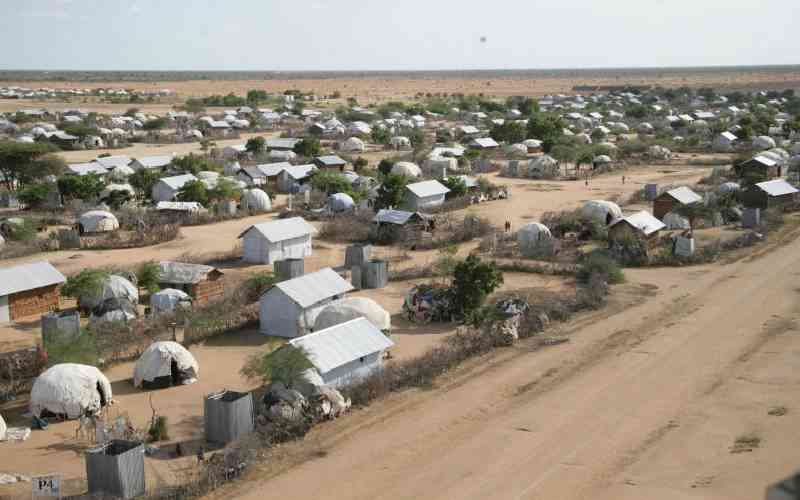
Ifo refugee camp in Dadaab, Garissa County.[File, Standard]
Delays in status determination and lack of harmonisation of documents are among the challenges that refugees face while looking for job opportunities.These are some of the issues that were highlighted during a two-day conference for the East African countries on Labour Migration organised by the Refugee Consortium of Kenya.It was also a platform for the East African countries to explore ways to include refugees in Labour Migration policies to ensure that they access meaningful livelihood opportunities.Follow The Standard
channel
on WhatsAppBonavanture Mutinwa, a law Professor at the University of Dar es Salaam who was among the panelists, said access to the labour market for refugees is an aspect of the right for them to engage in remunerated activities in their host countries."We have identified some of the obstacles, including misalignment between policies in various sectors, which make it hard for refugees to access the labour market," he said"For instance, a refugee might have an ID card which says it allows access to the labour market, but when they actually go to look for a job, they find that without a national ID card,” he added.Prof Mutinwa observed that there is a need to align various policies and identify some gaps that make it difficult for refugees to be able to work.Catherine Njoroge, Refugee Consortium of Kenya Director of Programmes, noted that while there exist robust policies in the countries, there aregaps in implementation, thus the refugees are still unable to access meaningful livelihoods."We have seen there are administrative and lack of legal framework in some countries, there are issues related to capacity within the refugees to know how to access various government services," she said.Njoroge said there are also challenges to do with recommendations, which require a refugee to be fully recognised as a refugee and documented for you to work in your host country."To ensure that the refugees are included in the labour market, there is a need to come up with refugee police like in the case of Kenya," she said"There is also a need to do legal reform, harmonise national laws with the refugee conventions, better collaboration and regional approach," she said.Stay informed. Subscribe to our newsletterBy clicking on theSIGN UPbutton, you agree to ourTerms & Conditionsand thePrivacy PolicySIGN UPFollow The Standard
channel
on WhatsApp
These are some of the issues that were highlighted during a two-day conference for the East African countries on Labour Migration organised by the Refugee Consortium of Kenya.It was also a platform for the East African countries to explore ways to include refugees in Labour Migration policies to ensure that they access meaningful livelihood opportunities.Follow The Standard
channel
on WhatsAppBonavanture Mutinwa, a law Professor at the University of Dar es Salaam who was among the panelists, said access to the labour market for refugees is an aspect of the right for them to engage in remunerated activities in their host countries."We have identified some of the obstacles, including misalignment between policies in various sectors, which make it hard for refugees to access the labour market," he said"For instance, a refugee might have an ID card which says it allows access to the labour market, but when they actually go to look for a job, they find that without a national ID card,” he added.Prof Mutinwa observed that there is a need to align various policies and identify some gaps that make it difficult for refugees to be able to work.Catherine Njoroge, Refugee Consortium of Kenya Director of Programmes, noted that while there exist robust policies in the countries, there aregaps in implementation, thus the refugees are still unable to access meaningful livelihoods."We have seen there are administrative and lack of legal framework in some countries, there are issues related to capacity within the refugees to know how to access various government services," she said.Njoroge said there are also challenges to do with recommendations, which require a refugee to be fully recognised as a refugee and documented for you to work in your host country."To ensure that the refugees are included in the labour market, there is a need to come up with refugee police like in the case of Kenya," she said"There is also a need to do legal reform, harmonise national laws with the refugee conventions, better collaboration and regional approach," she said.Stay informed. Subscribe to our newsletterBy clicking on theSIGN UPbutton, you agree to ourTerms & Conditionsand thePrivacy PolicySIGN UPFollow The Standard
channel
on WhatsApp
It was also a platform for the East African countries to explore ways to include refugees in Labour Migration policies to ensure that they access meaningful livelihood opportunities.Follow The Standard
channel
on WhatsAppBonavanture Mutinwa, a law Professor at the University of Dar es Salaam who was among the panelists, said access to the labour market for refugees is an aspect of the right for them to engage in remunerated activities in their host countries."We have identified some of the obstacles, including misalignment between policies in various sectors, which make it hard for refugees to access the labour market," he said"For instance, a refugee might have an ID card which says it allows access to the labour market, but when they actually go to look for a job, they find that without a national ID card,” he added.Prof Mutinwa observed that there is a need to align various policies and identify some gaps that make it difficult for refugees to be able to work.Catherine Njoroge, Refugee Consortium of Kenya Director of Programmes, noted that while there exist robust policies in the countries, there aregaps in implementation, thus the refugees are still unable to access meaningful livelihoods."We have seen there are administrative and lack of legal framework in some countries, there are issues related to capacity within the refugees to know how to access various government services," she said.Njoroge said there are also challenges to do with recommendations, which require a refugee to be fully recognised as a refugee and documented for you to work in your host country."To ensure that the refugees are included in the labour market, there is a need to come up with refugee police like in the case of Kenya," she said"There is also a need to do legal reform, harmonise national laws with the refugee conventions, better collaboration and regional approach," she said.Stay informed. Subscribe to our newsletterBy clicking on theSIGN UPbutton, you agree to ourTerms & Conditionsand thePrivacy PolicySIGN UPFollow The Standard
channel
on WhatsApp
Bonavanture Mutinwa, a law Professor at the University of Dar es Salaam who was among the panelists, said access to the labour market for refugees is an aspect of the right for them to engage in remunerated activities in their host countries."We have identified some of the obstacles, including misalignment between policies in various sectors, which make it hard for refugees to access the labour market," he said"For instance, a refugee might have an ID card which says it allows access to the labour market, but when they actually go to look for a job, they find that without a national ID card,” he added.Prof Mutinwa observed that there is a need to align various policies and identify some gaps that make it difficult for refugees to be able to work.Catherine Njoroge, Refugee Consortium of Kenya Director of Programmes, noted that while there exist robust policies in the countries, there aregaps in implementation, thus the refugees are still unable to access meaningful livelihoods."We have seen there are administrative and lack of legal framework in some countries, there are issues related to capacity within the refugees to know how to access various government services," she said.Njoroge said there are also challenges to do with recommendations, which require a refugee to be fully recognised as a refugee and documented for you to work in your host country."To ensure that the refugees are included in the labour market, there is a need to come up with refugee police like in the case of Kenya," she said"There is also a need to do legal reform, harmonise national laws with the refugee conventions, better collaboration and regional approach," she said.Stay informed. Subscribe to our newsletterBy clicking on theSIGN UPbutton, you agree to ourTerms & Conditionsand thePrivacy PolicySIGN UPFollow The Standard
channel
on WhatsApp
Bonavanture Mutinwa, a law Professor at the University of Dar es Salaam who was among the panelists, said access to the labour market for refugees is an aspect of the right for them to engage in remunerated activities in their host countries."We have identified some of the obstacles, including misalignment between policies in various sectors, which make it hard for refugees to access the labour market," he said"For instance, a refugee might have an ID card which says it allows access to the labour market, but when they actually go to look for a job, they find that without a national ID card,” he added.Prof Mutinwa observed that there is a need to align various policies and identify some gaps that make it difficult for refugees to be able to work.Catherine Njoroge, Refugee Consortium of Kenya Director of Programmes, noted that while there exist robust policies in the countries, there aregaps in implementation, thus the refugees are still unable to access meaningful livelihoods."We have seen there are administrative and lack of legal framework in some countries, there are issues related to capacity within the refugees to know how to access various government services," she said.Njoroge said there are also challenges to do with recommendations, which require a refugee to be fully recognised as a refugee and documented for you to work in your host country."To ensure that the refugees are included in the labour market, there is a need to come up with refugee police like in the case of Kenya," she said"There is also a need to do legal reform, harmonise national laws with the refugee conventions, better collaboration and regional approach," she said.Stay informed. Subscribe to our newsletterBy clicking on theSIGN UPbutton, you agree to ourTerms & Conditionsand thePrivacy PolicySIGN UPFollow The Standard
channel
on WhatsApp
"We have identified some of the obstacles, including misalignment between policies in various sectors, which make it hard for refugees to access the labour market," he said"For instance, a refugee might have an ID card which says it allows access to the labour market, but when they actually go to look for a job, they find that without a national ID card,” he added.Prof Mutinwa observed that there is a need to align various policies and identify some gaps that make it difficult for refugees to be able to work.Catherine Njoroge, Refugee Consortium of Kenya Director of Programmes, noted that while there exist robust policies in the countries, there aregaps in implementation, thus the refugees are still unable to access meaningful livelihoods."We have seen there are administrative and lack of legal framework in some countries, there are issues related to capacity within the refugees to know how to access various government services," she said.Njoroge said there are also challenges to do with recommendations, which require a refugee to be fully recognised as a refugee and documented for you to work in your host country."To ensure that the refugees are included in the labour market, there is a need to come up with refugee police like in the case of Kenya," she said"There is also a need to do legal reform, harmonise national laws with the refugee conventions, better collaboration and regional approach," she said.Stay informed. Subscribe to our newsletterBy clicking on theSIGN UPbutton, you agree to ourTerms & Conditionsand thePrivacy PolicySIGN UPFollow The Standard
channel
on WhatsApp
"For instance, a refugee might have an ID card which says it allows access to the labour market, but when they actually go to look for a job, they find that without a national ID card,” he added.Prof Mutinwa observed that there is a need to align various policies and identify some gaps that make it difficult for refugees to be able to work.Catherine Njoroge, Refugee Consortium of Kenya Director of Programmes, noted that while there exist robust policies in the countries, there aregaps in implementation, thus the refugees are still unable to access meaningful livelihoods."We have seen there are administrative and lack of legal framework in some countries, there are issues related to capacity within the refugees to know how to access various government services," she said.Njoroge said there are also challenges to do with recommendations, which require a refugee to be fully recognised as a refugee and documented for you to work in your host country."To ensure that the refugees are included in the labour market, there is a need to come up with refugee police like in the case of Kenya," she said"There is also a need to do legal reform, harmonise national laws with the refugee conventions, better collaboration and regional approach," she said.Stay informed. Subscribe to our newsletterBy clicking on theSIGN UPbutton, you agree to ourTerms & Conditionsand thePrivacy PolicySIGN UPFollow The Standard
channel
on WhatsApp
Prof Mutinwa observed that there is a need to align various policies and identify some gaps that make it difficult for refugees to be able to work.Catherine Njoroge, Refugee Consortium of Kenya Director of Programmes, noted that while there exist robust policies in the countries, there aregaps in implementation, thus the refugees are still unable to access meaningful livelihoods."We have seen there are administrative and lack of legal framework in some countries, there are issues related to capacity within the refugees to know how to access various government services," she said.Njoroge said there are also challenges to do with recommendations, which require a refugee to be fully recognised as a refugee and documented for you to work in your host country."To ensure that the refugees are included in the labour market, there is a need to come up with refugee police like in the case of Kenya," she said"There is also a need to do legal reform, harmonise national laws with the refugee conventions, better collaboration and regional approach," she said.Stay informed. Subscribe to our newsletterBy clicking on theSIGN UPbutton, you agree to ourTerms & Conditionsand thePrivacy PolicySIGN UPFollow The Standard
channel
on WhatsApp
Catherine Njoroge, Refugee Consortium of Kenya Director of Programmes, noted that while there exist robust policies in the countries, there aregaps in implementation, thus the refugees are still unable to access meaningful livelihoods."We have seen there are administrative and lack of legal framework in some countries, there are issues related to capacity within the refugees to know how to access various government services," she said.Njoroge said there are also challenges to do with recommendations, which require a refugee to be fully recognised as a refugee and documented for you to work in your host country."To ensure that the refugees are included in the labour market, there is a need to come up with refugee police like in the case of Kenya," she said"There is also a need to do legal reform, harmonise national laws with the refugee conventions, better collaboration and regional approach," she said.Stay informed. Subscribe to our newsletterBy clicking on theSIGN UPbutton, you agree to ourTerms & Conditionsand thePrivacy PolicySIGN UPFollow The Standard
channel
on WhatsApp
"We have seen there are administrative and lack of legal framework in some countries, there are issues related to capacity within the refugees to know how to access various government services," she said.Njoroge said there are also challenges to do with recommendations, which require a refugee to be fully recognised as a refugee and documented for you to work in your host country."To ensure that the refugees are included in the labour market, there is a need to come up with refugee police like in the case of Kenya," she said"There is also a need to do legal reform, harmonise national laws with the refugee conventions, better collaboration and regional approach," she said.Stay informed. Subscribe to our newsletterBy clicking on theSIGN UPbutton, you agree to ourTerms & Conditionsand thePrivacy PolicySIGN UPFollow The Standard
channel
on WhatsApp
Njoroge said there are also challenges to do with recommendations, which require a refugee to be fully recognised as a refugee and documented for you to work in your host country."To ensure that the refugees are included in the labour market, there is a need to come up with refugee police like in the case of Kenya," she said"There is also a need to do legal reform, harmonise national laws with the refugee conventions, better collaboration and regional approach," she said.Stay informed. Subscribe to our newsletterBy clicking on theSIGN UPbutton, you agree to ourTerms & Conditionsand thePrivacy PolicySIGN UPFollow The Standard
channel
on WhatsApp
"To ensure that the refugees are included in the labour market, there is a need to come up with refugee police like in the case of Kenya," she said"There is also a need to do legal reform, harmonise national laws with the refugee conventions, better collaboration and regional approach," she said.Stay informed. Subscribe to our newsletterBy clicking on theSIGN UPbutton, you agree to ourTerms & Conditionsand thePrivacy PolicySIGN UPFollow The Standard
channel
on WhatsApp
"There is also a need to do legal reform, harmonise national laws with the refugee conventions, better collaboration and regional approach," she said.Stay informed. Subscribe to our newsletterBy clicking on theSIGN UPbutton, you agree to ourTerms & Conditionsand thePrivacy PolicySIGN UPFollow The Standard
channel
on WhatsApp
Subscribe to our newsletter and stay updated on the latest developments and special
offers!
Pick your favourite topics below for a tailor made homepage just for you