
Lawyers seek to overturn legal outsourcing order
Source: The Standard
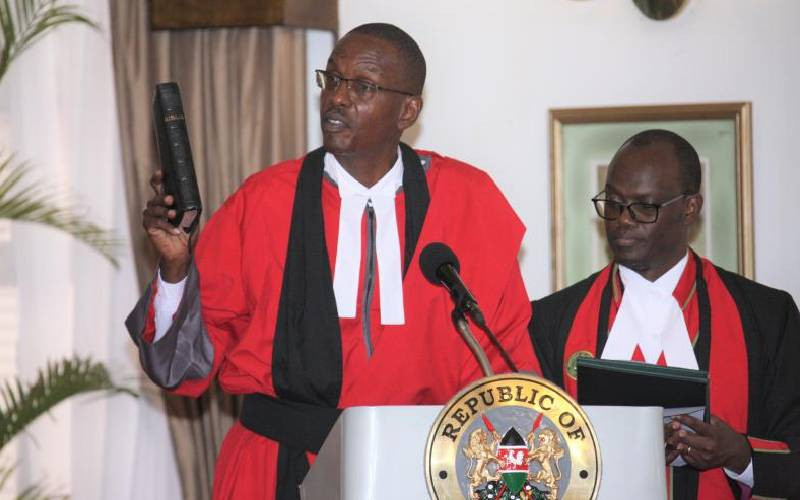
The High Court will on January 20, 2026, hear five urgent applications filed by law firms challenging an order that temporarily barred government entities from outsourcing legal services.Eight lawyers filed the applications, urging Nakuru High Court Judge Samwel Mohochi to set aside the order issued on January 12. The applications, filed between January 14 and January 16, have been certified as urgent and will be heard concurrently.Among the lawyers involved is Kisumu Senator Tom Ojienda, whose firm has represented the Nakuru County Government in several cases. His application, dated January 16, is supported by advocate Samwel Mwangi.Follow The Standard
channel
on WhatsAppOther applicants include Duncan Okatch, supported by Florence Muturi, and two applications filed by Kipkoech Ngetich and Renny Langat. Boniface Waweru’s application, dated January 16, is supported by Christine Ireri.The lawyers argue the order is unfair and unlawfully detrimental to their firms. “Private law firms who have already rendered legal services to public entities stand to suffer substantial andirreparable lossunless the orders are set aside,” submits Langat.He adds that the order was issued ex parte, without giving affected lawyers a chance to defend their positions.The applications contend that the petition which prompted the order raises procurement and administrative law disputes outside the High Court’s jurisdiction. They want the court to strike out the petition dated January 1, filed by Busia Senator Okiya Omtatah, Nakuru activists Dr Magare Gikenyi and Laban Omusundi, and four others.“The petition falls within the exclusive jurisdiction of the Public Procurement Administrative Review Board (PPARB),” Langat notes.They further seek to be allowed to participate in matters involving unpaid legal fees. “The order risks destabilising ongoing litigation and will encourage public entities to default on payment of legal fees rightfully earned by lawyers,” Langat states.They argue the petitioners filed the case without first exhausting remedies under Section 28 of the Public Procurement and Asset Disposal Act.The order bars engagement, procurement, and payment of private lawyers and law firms by all public entities, including county governments. Judge Mohochi ruled that the Attorney General, state counsels, Solicitor General, county attorneys, and other legal personnel are the officialsmandated to handle litigation.“The Controller of Budget and all public servants are barred from approving any vote or funds for external legal services,” he said.The ruling drew sharp criticism from the Law Society of Kenya (LSK), which described it as a bureaucratic blunder threatening livelihoods and public service delivery. “We forewarn that this action and court order threaten to unsettle the entire economic ecosystem, anchored in reliance on competent professionals,” said LSK President Faith Odhiambo.In their petition, Omtatah and others argue that outsourcing legal work wastes public funds and violates constitutional principles of prudent spending and cost-effective procurement, citing reports by the Auditor-General and Controller of Budget highlighting heavy expenditure on external legal services.Stay informed. Subscribe to our newsletterBy clicking on theSIGN UPbutton, you agree to ourTerms & Conditionsand thePrivacy PolicySIGN UPFollow The Standard
channel
on WhatsApp
Eight lawyers filed the applications, urging Nakuru High Court Judge Samwel Mohochi to set aside the order issued on January 12. The applications, filed between January 14 and January 16, have been certified as urgent and will be heard concurrently.Among the lawyers involved is Kisumu Senator Tom Ojienda, whose firm has represented the Nakuru County Government in several cases. His application, dated January 16, is supported by advocate Samwel Mwangi.Follow The Standard
channel
on WhatsAppOther applicants include Duncan Okatch, supported by Florence Muturi, and two applications filed by Kipkoech Ngetich and Renny Langat. Boniface Waweru’s application, dated January 16, is supported by Christine Ireri.The lawyers argue the order is unfair and unlawfully detrimental to their firms. “Private law firms who have already rendered legal services to public entities stand to suffer substantial andirreparable lossunless the orders are set aside,” submits Langat.He adds that the order was issued ex parte, without giving affected lawyers a chance to defend their positions.The applications contend that the petition which prompted the order raises procurement and administrative law disputes outside the High Court’s jurisdiction. They want the court to strike out the petition dated January 1, filed by Busia Senator Okiya Omtatah, Nakuru activists Dr Magare Gikenyi and Laban Omusundi, and four others.“The petition falls within the exclusive jurisdiction of the Public Procurement Administrative Review Board (PPARB),” Langat notes.They further seek to be allowed to participate in matters involving unpaid legal fees. “The order risks destabilising ongoing litigation and will encourage public entities to default on payment of legal fees rightfully earned by lawyers,” Langat states.They argue the petitioners filed the case without first exhausting remedies under Section 28 of the Public Procurement and Asset Disposal Act.The order bars engagement, procurement, and payment of private lawyers and law firms by all public entities, including county governments. Judge Mohochi ruled that the Attorney General, state counsels, Solicitor General, county attorneys, and other legal personnel are the officialsmandated to handle litigation.“The Controller of Budget and all public servants are barred from approving any vote or funds for external legal services,” he said.The ruling drew sharp criticism from the Law Society of Kenya (LSK), which described it as a bureaucratic blunder threatening livelihoods and public service delivery. “We forewarn that this action and court order threaten to unsettle the entire economic ecosystem, anchored in reliance on competent professionals,” said LSK President Faith Odhiambo.In their petition, Omtatah and others argue that outsourcing legal work wastes public funds and violates constitutional principles of prudent spending and cost-effective procurement, citing reports by the Auditor-General and Controller of Budget highlighting heavy expenditure on external legal services.Stay informed. Subscribe to our newsletterBy clicking on theSIGN UPbutton, you agree to ourTerms & Conditionsand thePrivacy PolicySIGN UPFollow The Standard
channel
on WhatsApp
Among the lawyers involved is Kisumu Senator Tom Ojienda, whose firm has represented the Nakuru County Government in several cases. His application, dated January 16, is supported by advocate Samwel Mwangi.Follow The Standard
channel
on WhatsAppOther applicants include Duncan Okatch, supported by Florence Muturi, and two applications filed by Kipkoech Ngetich and Renny Langat. Boniface Waweru’s application, dated January 16, is supported by Christine Ireri.The lawyers argue the order is unfair and unlawfully detrimental to their firms. “Private law firms who have already rendered legal services to public entities stand to suffer substantial andirreparable lossunless the orders are set aside,” submits Langat.He adds that the order was issued ex parte, without giving affected lawyers a chance to defend their positions.The applications contend that the petition which prompted the order raises procurement and administrative law disputes outside the High Court’s jurisdiction. They want the court to strike out the petition dated January 1, filed by Busia Senator Okiya Omtatah, Nakuru activists Dr Magare Gikenyi and Laban Omusundi, and four others.“The petition falls within the exclusive jurisdiction of the Public Procurement Administrative Review Board (PPARB),” Langat notes.They further seek to be allowed to participate in matters involving unpaid legal fees. “The order risks destabilising ongoing litigation and will encourage public entities to default on payment of legal fees rightfully earned by lawyers,” Langat states.They argue the petitioners filed the case without first exhausting remedies under Section 28 of the Public Procurement and Asset Disposal Act.The order bars engagement, procurement, and payment of private lawyers and law firms by all public entities, including county governments. Judge Mohochi ruled that the Attorney General, state counsels, Solicitor General, county attorneys, and other legal personnel are the officialsmandated to handle litigation.“The Controller of Budget and all public servants are barred from approving any vote or funds for external legal services,” he said.The ruling drew sharp criticism from the Law Society of Kenya (LSK), which described it as a bureaucratic blunder threatening livelihoods and public service delivery. “We forewarn that this action and court order threaten to unsettle the entire economic ecosystem, anchored in reliance on competent professionals,” said LSK President Faith Odhiambo.In their petition, Omtatah and others argue that outsourcing legal work wastes public funds and violates constitutional principles of prudent spending and cost-effective procurement, citing reports by the Auditor-General and Controller of Budget highlighting heavy expenditure on external legal services.Stay informed. Subscribe to our newsletterBy clicking on theSIGN UPbutton, you agree to ourTerms & Conditionsand thePrivacy PolicySIGN UPFollow The Standard
channel
on WhatsApp
Follow The Standard
channel
on WhatsAppOther applicants include Duncan Okatch, supported by Florence Muturi, and two applications filed by Kipkoech Ngetich and Renny Langat. Boniface Waweru’s application, dated January 16, is supported by Christine Ireri.The lawyers argue the order is unfair and unlawfully detrimental to their firms. “Private law firms who have already rendered legal services to public entities stand to suffer substantial andirreparable lossunless the orders are set aside,” submits Langat.He adds that the order was issued ex parte, without giving affected lawyers a chance to defend their positions.The applications contend that the petition which prompted the order raises procurement and administrative law disputes outside the High Court’s jurisdiction. They want the court to strike out the petition dated January 1, filed by Busia Senator Okiya Omtatah, Nakuru activists Dr Magare Gikenyi and Laban Omusundi, and four others.“The petition falls within the exclusive jurisdiction of the Public Procurement Administrative Review Board (PPARB),” Langat notes.They further seek to be allowed to participate in matters involving unpaid legal fees. “The order risks destabilising ongoing litigation and will encourage public entities to default on payment of legal fees rightfully earned by lawyers,” Langat states.They argue the petitioners filed the case without first exhausting remedies under Section 28 of the Public Procurement and Asset Disposal Act.The order bars engagement, procurement, and payment of private lawyers and law firms by all public entities, including county governments. Judge Mohochi ruled that the Attorney General, state counsels, Solicitor General, county attorneys, and other legal personnel are the officialsmandated to handle litigation.“The Controller of Budget and all public servants are barred from approving any vote or funds for external legal services,” he said.The ruling drew sharp criticism from the Law Society of Kenya (LSK), which described it as a bureaucratic blunder threatening livelihoods and public service delivery. “We forewarn that this action and court order threaten to unsettle the entire economic ecosystem, anchored in reliance on competent professionals,” said LSK President Faith Odhiambo.In their petition, Omtatah and others argue that outsourcing legal work wastes public funds and violates constitutional principles of prudent spending and cost-effective procurement, citing reports by the Auditor-General and Controller of Budget highlighting heavy expenditure on external legal services.Stay informed. Subscribe to our newsletterBy clicking on theSIGN UPbutton, you agree to ourTerms & Conditionsand thePrivacy PolicySIGN UPFollow The Standard
channel
on WhatsApp
Other applicants include Duncan Okatch, supported by Florence Muturi, and two applications filed by Kipkoech Ngetich and Renny Langat. Boniface Waweru’s application, dated January 16, is supported by Christine Ireri.The lawyers argue the order is unfair and unlawfully detrimental to their firms. “Private law firms who have already rendered legal services to public entities stand to suffer substantial andirreparable lossunless the orders are set aside,” submits Langat.He adds that the order was issued ex parte, without giving affected lawyers a chance to defend their positions.The applications contend that the petition which prompted the order raises procurement and administrative law disputes outside the High Court’s jurisdiction. They want the court to strike out the petition dated January 1, filed by Busia Senator Okiya Omtatah, Nakuru activists Dr Magare Gikenyi and Laban Omusundi, and four others.“The petition falls within the exclusive jurisdiction of the Public Procurement Administrative Review Board (PPARB),” Langat notes.They further seek to be allowed to participate in matters involving unpaid legal fees. “The order risks destabilising ongoing litigation and will encourage public entities to default on payment of legal fees rightfully earned by lawyers,” Langat states.They argue the petitioners filed the case without first exhausting remedies under Section 28 of the Public Procurement and Asset Disposal Act.The order bars engagement, procurement, and payment of private lawyers and law firms by all public entities, including county governments. Judge Mohochi ruled that the Attorney General, state counsels, Solicitor General, county attorneys, and other legal personnel are the officialsmandated to handle litigation.“The Controller of Budget and all public servants are barred from approving any vote or funds for external legal services,” he said.The ruling drew sharp criticism from the Law Society of Kenya (LSK), which described it as a bureaucratic blunder threatening livelihoods and public service delivery. “We forewarn that this action and court order threaten to unsettle the entire economic ecosystem, anchored in reliance on competent professionals,” said LSK President Faith Odhiambo.In their petition, Omtatah and others argue that outsourcing legal work wastes public funds and violates constitutional principles of prudent spending and cost-effective procurement, citing reports by the Auditor-General and Controller of Budget highlighting heavy expenditure on external legal services.Stay informed. Subscribe to our newsletterBy clicking on theSIGN UPbutton, you agree to ourTerms & Conditionsand thePrivacy PolicySIGN UPFollow The Standard
channel
on WhatsApp
The lawyers argue the order is unfair and unlawfully detrimental to their firms. “Private law firms who have already rendered legal services to public entities stand to suffer substantial andirreparable lossunless the orders are set aside,” submits Langat.He adds that the order was issued ex parte, without giving affected lawyers a chance to defend their positions.The applications contend that the petition which prompted the order raises procurement and administrative law disputes outside the High Court’s jurisdiction. They want the court to strike out the petition dated January 1, filed by Busia Senator Okiya Omtatah, Nakuru activists Dr Magare Gikenyi and Laban Omusundi, and four others.“The petition falls within the exclusive jurisdiction of the Public Procurement Administrative Review Board (PPARB),” Langat notes.They further seek to be allowed to participate in matters involving unpaid legal fees. “The order risks destabilising ongoing litigation and will encourage public entities to default on payment of legal fees rightfully earned by lawyers,” Langat states.They argue the petitioners filed the case without first exhausting remedies under Section 28 of the Public Procurement and Asset Disposal Act.The order bars engagement, procurement, and payment of private lawyers and law firms by all public entities, including county governments. Judge Mohochi ruled that the Attorney General, state counsels, Solicitor General, county attorneys, and other legal personnel are the officialsmandated to handle litigation.“The Controller of Budget and all public servants are barred from approving any vote or funds for external legal services,” he said.The ruling drew sharp criticism from the Law Society of Kenya (LSK), which described it as a bureaucratic blunder threatening livelihoods and public service delivery. “We forewarn that this action and court order threaten to unsettle the entire economic ecosystem, anchored in reliance on competent professionals,” said LSK President Faith Odhiambo.In their petition, Omtatah and others argue that outsourcing legal work wastes public funds and violates constitutional principles of prudent spending and cost-effective procurement, citing reports by the Auditor-General and Controller of Budget highlighting heavy expenditure on external legal services.Stay informed. Subscribe to our newsletterBy clicking on theSIGN UPbutton, you agree to ourTerms & Conditionsand thePrivacy PolicySIGN UPFollow The Standard
channel
on WhatsApp
He adds that the order was issued ex parte, without giving affected lawyers a chance to defend their positions.The applications contend that the petition which prompted the order raises procurement and administrative law disputes outside the High Court’s jurisdiction. They want the court to strike out the petition dated January 1, filed by Busia Senator Okiya Omtatah, Nakuru activists Dr Magare Gikenyi and Laban Omusundi, and four others.“The petition falls within the exclusive jurisdiction of the Public Procurement Administrative Review Board (PPARB),” Langat notes.They further seek to be allowed to participate in matters involving unpaid legal fees. “The order risks destabilising ongoing litigation and will encourage public entities to default on payment of legal fees rightfully earned by lawyers,” Langat states.They argue the petitioners filed the case without first exhausting remedies under Section 28 of the Public Procurement and Asset Disposal Act.The order bars engagement, procurement, and payment of private lawyers and law firms by all public entities, including county governments. Judge Mohochi ruled that the Attorney General, state counsels, Solicitor General, county attorneys, and other legal personnel are the officialsmandated to handle litigation.“The Controller of Budget and all public servants are barred from approving any vote or funds for external legal services,” he said.The ruling drew sharp criticism from the Law Society of Kenya (LSK), which described it as a bureaucratic blunder threatening livelihoods and public service delivery. “We forewarn that this action and court order threaten to unsettle the entire economic ecosystem, anchored in reliance on competent professionals,” said LSK President Faith Odhiambo.In their petition, Omtatah and others argue that outsourcing legal work wastes public funds and violates constitutional principles of prudent spending and cost-effective procurement, citing reports by the Auditor-General and Controller of Budget highlighting heavy expenditure on external legal services.Stay informed. Subscribe to our newsletterBy clicking on theSIGN UPbutton, you agree to ourTerms & Conditionsand thePrivacy PolicySIGN UPFollow The Standard
channel
on WhatsApp
The applications contend that the petition which prompted the order raises procurement and administrative law disputes outside the High Court’s jurisdiction. They want the court to strike out the petition dated January 1, filed by Busia Senator Okiya Omtatah, Nakuru activists Dr Magare Gikenyi and Laban Omusundi, and four others.“The petition falls within the exclusive jurisdiction of the Public Procurement Administrative Review Board (PPARB),” Langat notes.They further seek to be allowed to participate in matters involving unpaid legal fees. “The order risks destabilising ongoing litigation and will encourage public entities to default on payment of legal fees rightfully earned by lawyers,” Langat states.They argue the petitioners filed the case without first exhausting remedies under Section 28 of the Public Procurement and Asset Disposal Act.The order bars engagement, procurement, and payment of private lawyers and law firms by all public entities, including county governments. Judge Mohochi ruled that the Attorney General, state counsels, Solicitor General, county attorneys, and other legal personnel are the officialsmandated to handle litigation.“The Controller of Budget and all public servants are barred from approving any vote or funds for external legal services,” he said.The ruling drew sharp criticism from the Law Society of Kenya (LSK), which described it as a bureaucratic blunder threatening livelihoods and public service delivery. “We forewarn that this action and court order threaten to unsettle the entire economic ecosystem, anchored in reliance on competent professionals,” said LSK President Faith Odhiambo.In their petition, Omtatah and others argue that outsourcing legal work wastes public funds and violates constitutional principles of prudent spending and cost-effective procurement, citing reports by the Auditor-General and Controller of Budget highlighting heavy expenditure on external legal services.Stay informed. Subscribe to our newsletterBy clicking on theSIGN UPbutton, you agree to ourTerms & Conditionsand thePrivacy PolicySIGN UPFollow The Standard
channel
on WhatsApp
“The petition falls within the exclusive jurisdiction of the Public Procurement Administrative Review Board (PPARB),” Langat notes.They further seek to be allowed to participate in matters involving unpaid legal fees. “The order risks destabilising ongoing litigation and will encourage public entities to default on payment of legal fees rightfully earned by lawyers,” Langat states.They argue the petitioners filed the case without first exhausting remedies under Section 28 of the Public Procurement and Asset Disposal Act.The order bars engagement, procurement, and payment of private lawyers and law firms by all public entities, including county governments. Judge Mohochi ruled that the Attorney General, state counsels, Solicitor General, county attorneys, and other legal personnel are the officialsmandated to handle litigation.“The Controller of Budget and all public servants are barred from approving any vote or funds for external legal services,” he said.The ruling drew sharp criticism from the Law Society of Kenya (LSK), which described it as a bureaucratic blunder threatening livelihoods and public service delivery. “We forewarn that this action and court order threaten to unsettle the entire economic ecosystem, anchored in reliance on competent professionals,” said LSK President Faith Odhiambo.In their petition, Omtatah and others argue that outsourcing legal work wastes public funds and violates constitutional principles of prudent spending and cost-effective procurement, citing reports by the Auditor-General and Controller of Budget highlighting heavy expenditure on external legal services.Stay informed. Subscribe to our newsletterBy clicking on theSIGN UPbutton, you agree to ourTerms & Conditionsand thePrivacy PolicySIGN UPFollow The Standard
channel
on WhatsApp
They further seek to be allowed to participate in matters involving unpaid legal fees. “The order risks destabilising ongoing litigation and will encourage public entities to default on payment of legal fees rightfully earned by lawyers,” Langat states.They argue the petitioners filed the case without first exhausting remedies under Section 28 of the Public Procurement and Asset Disposal Act.The order bars engagement, procurement, and payment of private lawyers and law firms by all public entities, including county governments. Judge Mohochi ruled that the Attorney General, state counsels, Solicitor General, county attorneys, and other legal personnel are the officialsmandated to handle litigation.“The Controller of Budget and all public servants are barred from approving any vote or funds for external legal services,” he said.The ruling drew sharp criticism from the Law Society of Kenya (LSK), which described it as a bureaucratic blunder threatening livelihoods and public service delivery. “We forewarn that this action and court order threaten to unsettle the entire economic ecosystem, anchored in reliance on competent professionals,” said LSK President Faith Odhiambo.In their petition, Omtatah and others argue that outsourcing legal work wastes public funds and violates constitutional principles of prudent spending and cost-effective procurement, citing reports by the Auditor-General and Controller of Budget highlighting heavy expenditure on external legal services.Stay informed. Subscribe to our newsletterBy clicking on theSIGN UPbutton, you agree to ourTerms & Conditionsand thePrivacy PolicySIGN UPFollow The Standard
channel
on WhatsApp
They argue the petitioners filed the case without first exhausting remedies under Section 28 of the Public Procurement and Asset Disposal Act.The order bars engagement, procurement, and payment of private lawyers and law firms by all public entities, including county governments. Judge Mohochi ruled that the Attorney General, state counsels, Solicitor General, county attorneys, and other legal personnel are the officialsmandated to handle litigation.“The Controller of Budget and all public servants are barred from approving any vote or funds for external legal services,” he said.The ruling drew sharp criticism from the Law Society of Kenya (LSK), which described it as a bureaucratic blunder threatening livelihoods and public service delivery. “We forewarn that this action and court order threaten to unsettle the entire economic ecosystem, anchored in reliance on competent professionals,” said LSK President Faith Odhiambo.In their petition, Omtatah and others argue that outsourcing legal work wastes public funds and violates constitutional principles of prudent spending and cost-effective procurement, citing reports by the Auditor-General and Controller of Budget highlighting heavy expenditure on external legal services.Stay informed. Subscribe to our newsletterBy clicking on theSIGN UPbutton, you agree to ourTerms & Conditionsand thePrivacy PolicySIGN UPFollow The Standard
channel
on WhatsApp
The order bars engagement, procurement, and payment of private lawyers and law firms by all public entities, including county governments. Judge Mohochi ruled that the Attorney General, state counsels, Solicitor General, county attorneys, and other legal personnel are the officialsmandated to handle litigation.“The Controller of Budget and all public servants are barred from approving any vote or funds for external legal services,” he said.The ruling drew sharp criticism from the Law Society of Kenya (LSK), which described it as a bureaucratic blunder threatening livelihoods and public service delivery. “We forewarn that this action and court order threaten to unsettle the entire economic ecosystem, anchored in reliance on competent professionals,” said LSK President Faith Odhiambo.In their petition, Omtatah and others argue that outsourcing legal work wastes public funds and violates constitutional principles of prudent spending and cost-effective procurement, citing reports by the Auditor-General and Controller of Budget highlighting heavy expenditure on external legal services.Stay informed. Subscribe to our newsletterBy clicking on theSIGN UPbutton, you agree to ourTerms & Conditionsand thePrivacy PolicySIGN UPFollow The Standard
channel
on WhatsApp
The ruling drew sharp criticism from the Law Society of Kenya (LSK), which described it as a bureaucratic blunder threatening livelihoods and public service delivery. “We forewarn that this action and court order threaten to unsettle the entire economic ecosystem, anchored in reliance on competent professionals,” said LSK President Faith Odhiambo.In their petition, Omtatah and others argue that outsourcing legal work wastes public funds and violates constitutional principles of prudent spending and cost-effective procurement, citing reports by the Auditor-General and Controller of Budget highlighting heavy expenditure on external legal services.Stay informed. Subscribe to our newsletterBy clicking on theSIGN UPbutton, you agree to ourTerms & Conditionsand thePrivacy PolicySIGN UPFollow The Standard
channel
on WhatsApp
In their petition, Omtatah and others argue that outsourcing legal work wastes public funds and violates constitutional principles of prudent spending and cost-effective procurement, citing reports by the Auditor-General and Controller of Budget highlighting heavy expenditure on external legal services.Stay informed. Subscribe to our newsletterBy clicking on theSIGN UPbutton, you agree to ourTerms & Conditionsand thePrivacy PolicySIGN UPFollow The Standard
channel
on WhatsApp
Subscribe to our newsletter and stay updated on the latest developments and special
offers!
Pick your favourite topics below for a tailor made homepage just for you