
Mbadi: Swift action and luck saved Kenya from sovereign debt default
Source: The Standard
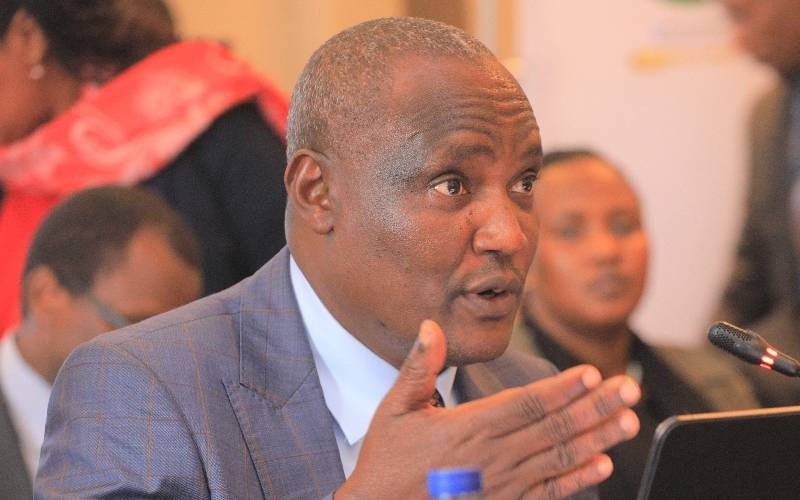
Treasury CS John Mbadi before the Departmental Committee on Finance and National Planning, at Glee Hotel, Kiambu Road, on January 13, 2026. [Elvis Ogina, Standard]
Treasury Cabinet Secretary John Mbadi has defended the government’s management of Kenya’s public debt, saying timely decisions helped the country avoid a potentially devastating sovereign default.Speaking on Saturday in Kakamega, Mbadi said the government benefited from unexpected market conditions that allowed it to refinance maturing Eurobond obligations at a critical moment when the country was under severe debt pressure.According to the Treasury boss, Kenya was saved by a rare opening in international financial markets that allowed the government to issue a new Eurobond and refinance an existing one that was nearing maturity.Follow The Standard
channel
on WhatsApp“Something no one expected happened. The market opened, and this government went to the market, got another Eurobond and refinanced the other Eurobond,” Mbadi said.He described the breakthrough as good fortune rather than financial wizardry. “It was luck. It was not any economic magic for Kenya,” he said.Mbadi, however, emphasized that the government acted decisively to ensure the opportunity did not expose the country to future risks.He said the Treasury deliberately chose to deal with coming Eurobond repayments earlier than required toreduce pressure on public finances.“That is why last February and March, because we were aware another Eurobond was coming up for payment in May 2027, we decided to deal with it early,” he said.He added that the Treasury made a similar move later in the year.“In September again, we dealt with 2028. We didn’t want to behave like the other government which decided to leave the rest.”Mbadi revealed that Kenya had been flagged by the International Monetary Fund (IMF) as being at high risk of sovereign default, alongside several other African countries.“IMF categorised Kenya among five other countries in Africa which were going into default. All those countries have defaulted. It is only Kenya which has not defaulted,” he said.He said a default would have had devastating consequences for the economy and public servants, including massive salary cuts and job losses.Stay informed. Subscribe to our newsletterBy clicking on theSIGN UPbutton, you agree to ourTerms & Conditionsand thePrivacy PolicySIGN UPAccording to Mbadi, any bailout from international lenders such as the IMF and World Bank would havecome with harsh conditions.Stay Informed, Stay Empowered: Download the Standard ePaper App!“For us to be bailed out by IMF and World Bank, they will come and tell us: you have found yourself in a mess, and we have to clean you. To clean you, you start with yourself. Everybody, 50 per cent pay cut. Some staff must go home,”he said.He said Kenya narrowly avoided that scenario.
Speaking on Saturday in Kakamega, Mbadi said the government benefited from unexpected market conditions that allowed it to refinance maturing Eurobond obligations at a critical moment when the country was under severe debt pressure.According to the Treasury boss, Kenya was saved by a rare opening in international financial markets that allowed the government to issue a new Eurobond and refinance an existing one that was nearing maturity.Follow The Standard
channel
on WhatsApp“Something no one expected happened. The market opened, and this government went to the market, got another Eurobond and refinanced the other Eurobond,” Mbadi said.He described the breakthrough as good fortune rather than financial wizardry. “It was luck. It was not any economic magic for Kenya,” he said.Mbadi, however, emphasized that the government acted decisively to ensure the opportunity did not expose the country to future risks.He said the Treasury deliberately chose to deal with coming Eurobond repayments earlier than required toreduce pressure on public finances.“That is why last February and March, because we were aware another Eurobond was coming up for payment in May 2027, we decided to deal with it early,” he said.He added that the Treasury made a similar move later in the year.“In September again, we dealt with 2028. We didn’t want to behave like the other government which decided to leave the rest.”Mbadi revealed that Kenya had been flagged by the International Monetary Fund (IMF) as being at high risk of sovereign default, alongside several other African countries.“IMF categorised Kenya among five other countries in Africa which were going into default. All those countries have defaulted. It is only Kenya which has not defaulted,” he said.He said a default would have had devastating consequences for the economy and public servants, including massive salary cuts and job losses.Stay informed. Subscribe to our newsletterBy clicking on theSIGN UPbutton, you agree to ourTerms & Conditionsand thePrivacy PolicySIGN UPAccording to Mbadi, any bailout from international lenders such as the IMF and World Bank would havecome with harsh conditions.Stay Informed, Stay Empowered: Download the Standard ePaper App!“For us to be bailed out by IMF and World Bank, they will come and tell us: you have found yourself in a mess, and we have to clean you. To clean you, you start with yourself. Everybody, 50 per cent pay cut. Some staff must go home,”he said.He said Kenya narrowly avoided that scenario.
According to the Treasury boss, Kenya was saved by a rare opening in international financial markets that allowed the government to issue a new Eurobond and refinance an existing one that was nearing maturity.Follow The Standard
channel
on WhatsApp“Something no one expected happened. The market opened, and this government went to the market, got another Eurobond and refinanced the other Eurobond,” Mbadi said.He described the breakthrough as good fortune rather than financial wizardry. “It was luck. It was not any economic magic for Kenya,” he said.Mbadi, however, emphasized that the government acted decisively to ensure the opportunity did not expose the country to future risks.He said the Treasury deliberately chose to deal with coming Eurobond repayments earlier than required toreduce pressure on public finances.“That is why last February and March, because we were aware another Eurobond was coming up for payment in May 2027, we decided to deal with it early,” he said.He added that the Treasury made a similar move later in the year.“In September again, we dealt with 2028. We didn’t want to behave like the other government which decided to leave the rest.”Mbadi revealed that Kenya had been flagged by the International Monetary Fund (IMF) as being at high risk of sovereign default, alongside several other African countries.“IMF categorised Kenya among five other countries in Africa which were going into default. All those countries have defaulted. It is only Kenya which has not defaulted,” he said.He said a default would have had devastating consequences for the economy and public servants, including massive salary cuts and job losses.Stay informed. Subscribe to our newsletterBy clicking on theSIGN UPbutton, you agree to ourTerms & Conditionsand thePrivacy PolicySIGN UPAccording to Mbadi, any bailout from international lenders such as the IMF and World Bank would havecome with harsh conditions.Stay Informed, Stay Empowered: Download the Standard ePaper App!“For us to be bailed out by IMF and World Bank, they will come and tell us: you have found yourself in a mess, and we have to clean you. To clean you, you start with yourself. Everybody, 50 per cent pay cut. Some staff must go home,”he said.He said Kenya narrowly avoided that scenario.
“Something no one expected happened. The market opened, and this government went to the market, got another Eurobond and refinanced the other Eurobond,” Mbadi said.He described the breakthrough as good fortune rather than financial wizardry. “It was luck. It was not any economic magic for Kenya,” he said.Mbadi, however, emphasized that the government acted decisively to ensure the opportunity did not expose the country to future risks.He said the Treasury deliberately chose to deal with coming Eurobond repayments earlier than required toreduce pressure on public finances.“That is why last February and March, because we were aware another Eurobond was coming up for payment in May 2027, we decided to deal with it early,” he said.He added that the Treasury made a similar move later in the year.“In September again, we dealt with 2028. We didn’t want to behave like the other government which decided to leave the rest.”Mbadi revealed that Kenya had been flagged by the International Monetary Fund (IMF) as being at high risk of sovereign default, alongside several other African countries.“IMF categorised Kenya among five other countries in Africa which were going into default. All those countries have defaulted. It is only Kenya which has not defaulted,” he said.He said a default would have had devastating consequences for the economy and public servants, including massive salary cuts and job losses.Stay informed. Subscribe to our newsletterBy clicking on theSIGN UPbutton, you agree to ourTerms & Conditionsand thePrivacy PolicySIGN UPAccording to Mbadi, any bailout from international lenders such as the IMF and World Bank would havecome with harsh conditions.Stay Informed, Stay Empowered: Download the Standard ePaper App!“For us to be bailed out by IMF and World Bank, they will come and tell us: you have found yourself in a mess, and we have to clean you. To clean you, you start with yourself. Everybody, 50 per cent pay cut. Some staff must go home,”he said.He said Kenya narrowly avoided that scenario.
“Something no one expected happened. The market opened, and this government went to the market, got another Eurobond and refinanced the other Eurobond,” Mbadi said.He described the breakthrough as good fortune rather than financial wizardry. “It was luck. It was not any economic magic for Kenya,” he said.Mbadi, however, emphasized that the government acted decisively to ensure the opportunity did not expose the country to future risks.He said the Treasury deliberately chose to deal with coming Eurobond repayments earlier than required toreduce pressure on public finances.“That is why last February and March, because we were aware another Eurobond was coming up for payment in May 2027, we decided to deal with it early,” he said.He added that the Treasury made a similar move later in the year.“In September again, we dealt with 2028. We didn’t want to behave like the other government which decided to leave the rest.”Mbadi revealed that Kenya had been flagged by the International Monetary Fund (IMF) as being at high risk of sovereign default, alongside several other African countries.“IMF categorised Kenya among five other countries in Africa which were going into default. All those countries have defaulted. It is only Kenya which has not defaulted,” he said.He said a default would have had devastating consequences for the economy and public servants, including massive salary cuts and job losses.Stay informed. Subscribe to our newsletterBy clicking on theSIGN UPbutton, you agree to ourTerms & Conditionsand thePrivacy PolicySIGN UPAccording to Mbadi, any bailout from international lenders such as the IMF and World Bank would havecome with harsh conditions.Stay Informed, Stay Empowered: Download the Standard ePaper App!“For us to be bailed out by IMF and World Bank, they will come and tell us: you have found yourself in a mess, and we have to clean you. To clean you, you start with yourself. Everybody, 50 per cent pay cut. Some staff must go home,”he said.He said Kenya narrowly avoided that scenario.
He described the breakthrough as good fortune rather than financial wizardry. “It was luck. It was not any economic magic for Kenya,” he said.Mbadi, however, emphasized that the government acted decisively to ensure the opportunity did not expose the country to future risks.He said the Treasury deliberately chose to deal with coming Eurobond repayments earlier than required toreduce pressure on public finances.“That is why last February and March, because we were aware another Eurobond was coming up for payment in May 2027, we decided to deal with it early,” he said.He added that the Treasury made a similar move later in the year.“In September again, we dealt with 2028. We didn’t want to behave like the other government which decided to leave the rest.”Mbadi revealed that Kenya had been flagged by the International Monetary Fund (IMF) as being at high risk of sovereign default, alongside several other African countries.“IMF categorised Kenya among five other countries in Africa which were going into default. All those countries have defaulted. It is only Kenya which has not defaulted,” he said.He said a default would have had devastating consequences for the economy and public servants, including massive salary cuts and job losses.Stay informed. Subscribe to our newsletterBy clicking on theSIGN UPbutton, you agree to ourTerms & Conditionsand thePrivacy PolicySIGN UPAccording to Mbadi, any bailout from international lenders such as the IMF and World Bank would havecome with harsh conditions.Stay Informed, Stay Empowered: Download the Standard ePaper App!“For us to be bailed out by IMF and World Bank, they will come and tell us: you have found yourself in a mess, and we have to clean you. To clean you, you start with yourself. Everybody, 50 per cent pay cut. Some staff must go home,”he said.He said Kenya narrowly avoided that scenario.
Mbadi, however, emphasized that the government acted decisively to ensure the opportunity did not expose the country to future risks.He said the Treasury deliberately chose to deal with coming Eurobond repayments earlier than required toreduce pressure on public finances.“That is why last February and March, because we were aware another Eurobond was coming up for payment in May 2027, we decided to deal with it early,” he said.He added that the Treasury made a similar move later in the year.“In September again, we dealt with 2028. We didn’t want to behave like the other government which decided to leave the rest.”Mbadi revealed that Kenya had been flagged by the International Monetary Fund (IMF) as being at high risk of sovereign default, alongside several other African countries.“IMF categorised Kenya among five other countries in Africa which were going into default. All those countries have defaulted. It is only Kenya which has not defaulted,” he said.He said a default would have had devastating consequences for the economy and public servants, including massive salary cuts and job losses.Stay informed. Subscribe to our newsletterBy clicking on theSIGN UPbutton, you agree to ourTerms & Conditionsand thePrivacy PolicySIGN UPAccording to Mbadi, any bailout from international lenders such as the IMF and World Bank would havecome with harsh conditions.Stay Informed, Stay Empowered: Download the Standard ePaper App!“For us to be bailed out by IMF and World Bank, they will come and tell us: you have found yourself in a mess, and we have to clean you. To clean you, you start with yourself. Everybody, 50 per cent pay cut. Some staff must go home,”he said.He said Kenya narrowly avoided that scenario.
He said the Treasury deliberately chose to deal with coming Eurobond repayments earlier than required toreduce pressure on public finances.“That is why last February and March, because we were aware another Eurobond was coming up for payment in May 2027, we decided to deal with it early,” he said.He added that the Treasury made a similar move later in the year.“In September again, we dealt with 2028. We didn’t want to behave like the other government which decided to leave the rest.”Mbadi revealed that Kenya had been flagged by the International Monetary Fund (IMF) as being at high risk of sovereign default, alongside several other African countries.“IMF categorised Kenya among five other countries in Africa which were going into default. All those countries have defaulted. It is only Kenya which has not defaulted,” he said.He said a default would have had devastating consequences for the economy and public servants, including massive salary cuts and job losses.Stay informed. Subscribe to our newsletterBy clicking on theSIGN UPbutton, you agree to ourTerms & Conditionsand thePrivacy PolicySIGN UPAccording to Mbadi, any bailout from international lenders such as the IMF and World Bank would havecome with harsh conditions.Stay Informed, Stay Empowered: Download the Standard ePaper App!“For us to be bailed out by IMF and World Bank, they will come and tell us: you have found yourself in a mess, and we have to clean you. To clean you, you start with yourself. Everybody, 50 per cent pay cut. Some staff must go home,”he said.He said Kenya narrowly avoided that scenario.
“That is why last February and March, because we were aware another Eurobond was coming up for payment in May 2027, we decided to deal with it early,” he said.He added that the Treasury made a similar move later in the year.“In September again, we dealt with 2028. We didn’t want to behave like the other government which decided to leave the rest.”Mbadi revealed that Kenya had been flagged by the International Monetary Fund (IMF) as being at high risk of sovereign default, alongside several other African countries.“IMF categorised Kenya among five other countries in Africa which were going into default. All those countries have defaulted. It is only Kenya which has not defaulted,” he said.He said a default would have had devastating consequences for the economy and public servants, including massive salary cuts and job losses.Stay informed. Subscribe to our newsletterBy clicking on theSIGN UPbutton, you agree to ourTerms & Conditionsand thePrivacy PolicySIGN UPAccording to Mbadi, any bailout from international lenders such as the IMF and World Bank would havecome with harsh conditions.Stay Informed, Stay Empowered: Download the Standard ePaper App!“For us to be bailed out by IMF and World Bank, they will come and tell us: you have found yourself in a mess, and we have to clean you. To clean you, you start with yourself. Everybody, 50 per cent pay cut. Some staff must go home,”he said.He said Kenya narrowly avoided that scenario.
He added that the Treasury made a similar move later in the year.“In September again, we dealt with 2028. We didn’t want to behave like the other government which decided to leave the rest.”Mbadi revealed that Kenya had been flagged by the International Monetary Fund (IMF) as being at high risk of sovereign default, alongside several other African countries.“IMF categorised Kenya among five other countries in Africa which were going into default. All those countries have defaulted. It is only Kenya which has not defaulted,” he said.He said a default would have had devastating consequences for the economy and public servants, including massive salary cuts and job losses.Stay informed. Subscribe to our newsletterBy clicking on theSIGN UPbutton, you agree to ourTerms & Conditionsand thePrivacy PolicySIGN UPAccording to Mbadi, any bailout from international lenders such as the IMF and World Bank would havecome with harsh conditions.Stay Informed, Stay Empowered: Download the Standard ePaper App!“For us to be bailed out by IMF and World Bank, they will come and tell us: you have found yourself in a mess, and we have to clean you. To clean you, you start with yourself. Everybody, 50 per cent pay cut. Some staff must go home,”he said.He said Kenya narrowly avoided that scenario.
“In September again, we dealt with 2028. We didn’t want to behave like the other government which decided to leave the rest.”Mbadi revealed that Kenya had been flagged by the International Monetary Fund (IMF) as being at high risk of sovereign default, alongside several other African countries.“IMF categorised Kenya among five other countries in Africa which were going into default. All those countries have defaulted. It is only Kenya which has not defaulted,” he said.He said a default would have had devastating consequences for the economy and public servants, including massive salary cuts and job losses.Stay informed. Subscribe to our newsletterBy clicking on theSIGN UPbutton, you agree to ourTerms & Conditionsand thePrivacy PolicySIGN UPAccording to Mbadi, any bailout from international lenders such as the IMF and World Bank would havecome with harsh conditions.Stay Informed, Stay Empowered: Download the Standard ePaper App!“For us to be bailed out by IMF and World Bank, they will come and tell us: you have found yourself in a mess, and we have to clean you. To clean you, you start with yourself. Everybody, 50 per cent pay cut. Some staff must go home,”he said.He said Kenya narrowly avoided that scenario.
Mbadi revealed that Kenya had been flagged by the International Monetary Fund (IMF) as being at high risk of sovereign default, alongside several other African countries.“IMF categorised Kenya among five other countries in Africa which were going into default. All those countries have defaulted. It is only Kenya which has not defaulted,” he said.He said a default would have had devastating consequences for the economy and public servants, including massive salary cuts and job losses.Stay informed. Subscribe to our newsletterBy clicking on theSIGN UPbutton, you agree to ourTerms & Conditionsand thePrivacy PolicySIGN UPAccording to Mbadi, any bailout from international lenders such as the IMF and World Bank would havecome with harsh conditions.Stay Informed, Stay Empowered: Download the Standard ePaper App!“For us to be bailed out by IMF and World Bank, they will come and tell us: you have found yourself in a mess, and we have to clean you. To clean you, you start with yourself. Everybody, 50 per cent pay cut. Some staff must go home,”he said.He said Kenya narrowly avoided that scenario.
“IMF categorised Kenya among five other countries in Africa which were going into default. All those countries have defaulted. It is only Kenya which has not defaulted,” he said.He said a default would have had devastating consequences for the economy and public servants, including massive salary cuts and job losses.Stay informed. Subscribe to our newsletterBy clicking on theSIGN UPbutton, you agree to ourTerms & Conditionsand thePrivacy PolicySIGN UPAccording to Mbadi, any bailout from international lenders such as the IMF and World Bank would havecome with harsh conditions.Stay Informed, Stay Empowered: Download the Standard ePaper App!“For us to be bailed out by IMF and World Bank, they will come and tell us: you have found yourself in a mess, and we have to clean you. To clean you, you start with yourself. Everybody, 50 per cent pay cut. Some staff must go home,”he said.He said Kenya narrowly avoided that scenario.
He said a default would have had devastating consequences for the economy and public servants, including massive salary cuts and job losses.Stay informed. Subscribe to our newsletterBy clicking on theSIGN UPbutton, you agree to ourTerms & Conditionsand thePrivacy PolicySIGN UPAccording to Mbadi, any bailout from international lenders such as the IMF and World Bank would havecome with harsh conditions.Stay Informed, Stay Empowered: Download the Standard ePaper App!“For us to be bailed out by IMF and World Bank, they will come and tell us: you have found yourself in a mess, and we have to clean you. To clean you, you start with yourself. Everybody, 50 per cent pay cut. Some staff must go home,”he said.He said Kenya narrowly avoided that scenario.
According to Mbadi, any bailout from international lenders such as the IMF and World Bank would havecome with harsh conditions.Stay Informed, Stay Empowered: Download the Standard ePaper App!“For us to be bailed out by IMF and World Bank, they will come and tell us: you have found yourself in a mess, and we have to clean you. To clean you, you start with yourself. Everybody, 50 per cent pay cut. Some staff must go home,”he said.He said Kenya narrowly avoided that scenario.
“For us to be bailed out by IMF and World Bank, they will come and tell us: you have found yourself in a mess, and we have to clean you. To clean you, you start with yourself. Everybody, 50 per cent pay cut. Some staff must go home,”he said.He said Kenya narrowly avoided that scenario.
Subscribe to our newsletter and stay updated on the latest developments and special
offers!
Pick your favourite topics below for a tailor made homepage just for you