
Muturi: Abolish bursaries, end political patronage in education
Source: The Standard
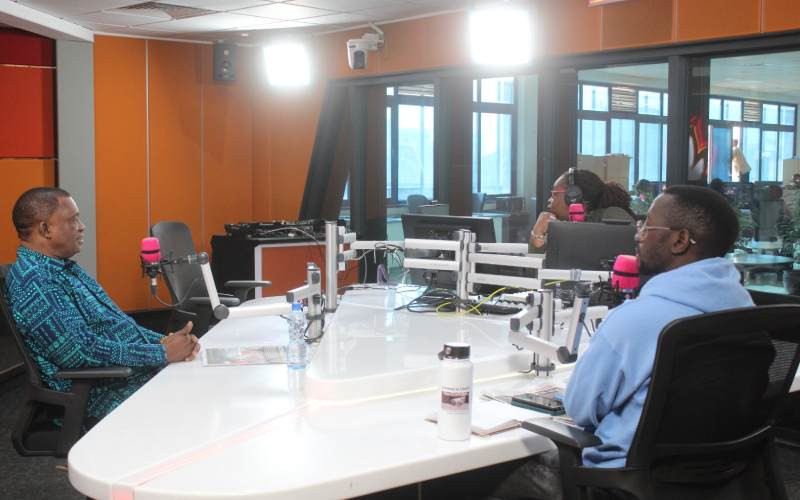
The former Attorney General Justin Muturi, during an interview at Spice FM's The Situation Room on January 15, 2026. He accused President William Ruto of prioritizing the wrong projects while ignoring key sectors, such as education and health. [Benard Orwongo, Standard]
Former National Assembly Speaker Justin Muturi wants the country's bursary system abolished, terming it an embarrassment to parents and a tool for politicians seeking popularity and re-election.Muturi, speaking Thursday, January 15, on Spice FM, said every child is entitled to free basic education and bursaries undermine this constitutional right."My position, which is also the position of our party, the Democratic Party (DP), is that bursaries should be abolished; we should never have these things because it's embarrassing," said Muturi.Follow The Standard
channel
on WhatsAppHis remarks come as over 301,701 grade 10 learners report to various schools following a chaotic placement process that saw parents complain of delayed bursaries, inability to raise full fees and children being placed in schools far from Home Counties.The bursary debate has intensified in recent weeks after politicians were accused of using the funds as political weapons, with some demanding voter registration cards before disbursing money and others excluding learners whose parents did not vote in their jurisdictions.Muturi argued that the process to secure bursaries can affect a child's mentality, depicting an incapable parent and undermining dignity.He accused politicians of using bursaries for "patronage politics.""The role of a member of parliament is to represent, oversight and legislate, so it's not the role of parliament to implement any government program. Free and basic education is a function of the government, the executive," he said."Implementation of government programs is a function of the national executive or executive structures in countries; it is never the function of any form of legislator," he added.Narok Senator Ledama Olekina on January 11 echoed Muturi's concerns, saying the use of bursaries as political weapons must end and education should not depend on political goodwill or patronage.National Government Constituencies Development Fund (NG-CDF) board chairperson Olago Aluoch defended the practice of demanding voter identification, terming it a deterrent for double beneficiaries. He said the board is digitizing operations to prevent duplication.Education Cabinet Secretary Julius Ogamba released the Kenya Junior School Education Assessment (KJSEA) results last week for 1,130,459 candidates, but parents have complained of system failures, rejected admissions and learners left in limbo.School principals under the Kenya Secondary School Heads Association (Kessha) called on the ministry to abandon the centralized Grade 10 placement system and revert to school-led admissions, citing confusion and lack of transparency.Some parents reported being asked to pay between Sh100, 000 and Sh150, 000 to secure placement slots in preferred schools, despite such payments being unlawful.Stay informed. Subscribe to our newsletterBy clicking on theSIGN UPbutton, you agree to ourTerms & Conditionsand thePrivacy PolicySIGN UPThe ministry announced learners had until January 9 to apply for review of their placements, with about 211,636 of 355,457 review applications approved by December 29.Stay Informed, Stay Empowered: Download the Standard ePaper App!Follow The Standard
channel
on WhatsApp
Muturi, speaking Thursday, January 15, on Spice FM, said every child is entitled to free basic education and bursaries undermine this constitutional right."My position, which is also the position of our party, the Democratic Party (DP), is that bursaries should be abolished; we should never have these things because it's embarrassing," said Muturi.Follow The Standard
channel
on WhatsAppHis remarks come as over 301,701 grade 10 learners report to various schools following a chaotic placement process that saw parents complain of delayed bursaries, inability to raise full fees and children being placed in schools far from Home Counties.The bursary debate has intensified in recent weeks after politicians were accused of using the funds as political weapons, with some demanding voter registration cards before disbursing money and others excluding learners whose parents did not vote in their jurisdictions.Muturi argued that the process to secure bursaries can affect a child's mentality, depicting an incapable parent and undermining dignity.He accused politicians of using bursaries for "patronage politics.""The role of a member of parliament is to represent, oversight and legislate, so it's not the role of parliament to implement any government program. Free and basic education is a function of the government, the executive," he said."Implementation of government programs is a function of the national executive or executive structures in countries; it is never the function of any form of legislator," he added.Narok Senator Ledama Olekina on January 11 echoed Muturi's concerns, saying the use of bursaries as political weapons must end and education should not depend on political goodwill or patronage.National Government Constituencies Development Fund (NG-CDF) board chairperson Olago Aluoch defended the practice of demanding voter identification, terming it a deterrent for double beneficiaries. He said the board is digitizing operations to prevent duplication.Education Cabinet Secretary Julius Ogamba released the Kenya Junior School Education Assessment (KJSEA) results last week for 1,130,459 candidates, but parents have complained of system failures, rejected admissions and learners left in limbo.School principals under the Kenya Secondary School Heads Association (Kessha) called on the ministry to abandon the centralized Grade 10 placement system and revert to school-led admissions, citing confusion and lack of transparency.Some parents reported being asked to pay between Sh100, 000 and Sh150, 000 to secure placement slots in preferred schools, despite such payments being unlawful.Stay informed. Subscribe to our newsletterBy clicking on theSIGN UPbutton, you agree to ourTerms & Conditionsand thePrivacy PolicySIGN UPThe ministry announced learners had until January 9 to apply for review of their placements, with about 211,636 of 355,457 review applications approved by December 29.Stay Informed, Stay Empowered: Download the Standard ePaper App!Follow The Standard
channel
on WhatsApp
"My position, which is also the position of our party, the Democratic Party (DP), is that bursaries should be abolished; we should never have these things because it's embarrassing," said Muturi.Follow The Standard
channel
on WhatsAppHis remarks come as over 301,701 grade 10 learners report to various schools following a chaotic placement process that saw parents complain of delayed bursaries, inability to raise full fees and children being placed in schools far from Home Counties.The bursary debate has intensified in recent weeks after politicians were accused of using the funds as political weapons, with some demanding voter registration cards before disbursing money and others excluding learners whose parents did not vote in their jurisdictions.Muturi argued that the process to secure bursaries can affect a child's mentality, depicting an incapable parent and undermining dignity.He accused politicians of using bursaries for "patronage politics.""The role of a member of parliament is to represent, oversight and legislate, so it's not the role of parliament to implement any government program. Free and basic education is a function of the government, the executive," he said."Implementation of government programs is a function of the national executive or executive structures in countries; it is never the function of any form of legislator," he added.Narok Senator Ledama Olekina on January 11 echoed Muturi's concerns, saying the use of bursaries as political weapons must end and education should not depend on political goodwill or patronage.National Government Constituencies Development Fund (NG-CDF) board chairperson Olago Aluoch defended the practice of demanding voter identification, terming it a deterrent for double beneficiaries. He said the board is digitizing operations to prevent duplication.Education Cabinet Secretary Julius Ogamba released the Kenya Junior School Education Assessment (KJSEA) results last week for 1,130,459 candidates, but parents have complained of system failures, rejected admissions and learners left in limbo.School principals under the Kenya Secondary School Heads Association (Kessha) called on the ministry to abandon the centralized Grade 10 placement system and revert to school-led admissions, citing confusion and lack of transparency.Some parents reported being asked to pay between Sh100, 000 and Sh150, 000 to secure placement slots in preferred schools, despite such payments being unlawful.Stay informed. Subscribe to our newsletterBy clicking on theSIGN UPbutton, you agree to ourTerms & Conditionsand thePrivacy PolicySIGN UPThe ministry announced learners had until January 9 to apply for review of their placements, with about 211,636 of 355,457 review applications approved by December 29.Stay Informed, Stay Empowered: Download the Standard ePaper App!Follow The Standard
channel
on WhatsApp
His remarks come as over 301,701 grade 10 learners report to various schools following a chaotic placement process that saw parents complain of delayed bursaries, inability to raise full fees and children being placed in schools far from Home Counties.The bursary debate has intensified in recent weeks after politicians were accused of using the funds as political weapons, with some demanding voter registration cards before disbursing money and others excluding learners whose parents did not vote in their jurisdictions.Muturi argued that the process to secure bursaries can affect a child's mentality, depicting an incapable parent and undermining dignity.He accused politicians of using bursaries for "patronage politics.""The role of a member of parliament is to represent, oversight and legislate, so it's not the role of parliament to implement any government program. Free and basic education is a function of the government, the executive," he said."Implementation of government programs is a function of the national executive or executive structures in countries; it is never the function of any form of legislator," he added.Narok Senator Ledama Olekina on January 11 echoed Muturi's concerns, saying the use of bursaries as political weapons must end and education should not depend on political goodwill or patronage.National Government Constituencies Development Fund (NG-CDF) board chairperson Olago Aluoch defended the practice of demanding voter identification, terming it a deterrent for double beneficiaries. He said the board is digitizing operations to prevent duplication.Education Cabinet Secretary Julius Ogamba released the Kenya Junior School Education Assessment (KJSEA) results last week for 1,130,459 candidates, but parents have complained of system failures, rejected admissions and learners left in limbo.School principals under the Kenya Secondary School Heads Association (Kessha) called on the ministry to abandon the centralized Grade 10 placement system and revert to school-led admissions, citing confusion and lack of transparency.Some parents reported being asked to pay between Sh100, 000 and Sh150, 000 to secure placement slots in preferred schools, despite such payments being unlawful.Stay informed. Subscribe to our newsletterBy clicking on theSIGN UPbutton, you agree to ourTerms & Conditionsand thePrivacy PolicySIGN UPThe ministry announced learners had until January 9 to apply for review of their placements, with about 211,636 of 355,457 review applications approved by December 29.Stay Informed, Stay Empowered: Download the Standard ePaper App!Follow The Standard
channel
on WhatsApp
The bursary debate has intensified in recent weeks after politicians were accused of using the funds as political weapons, with some demanding voter registration cards before disbursing money and others excluding learners whose parents did not vote in their jurisdictions.Muturi argued that the process to secure bursaries can affect a child's mentality, depicting an incapable parent and undermining dignity.He accused politicians of using bursaries for "patronage politics.""The role of a member of parliament is to represent, oversight and legislate, so it's not the role of parliament to implement any government program. Free and basic education is a function of the government, the executive," he said."Implementation of government programs is a function of the national executive or executive structures in countries; it is never the function of any form of legislator," he added.Narok Senator Ledama Olekina on January 11 echoed Muturi's concerns, saying the use of bursaries as political weapons must end and education should not depend on political goodwill or patronage.National Government Constituencies Development Fund (NG-CDF) board chairperson Olago Aluoch defended the practice of demanding voter identification, terming it a deterrent for double beneficiaries. He said the board is digitizing operations to prevent duplication.Education Cabinet Secretary Julius Ogamba released the Kenya Junior School Education Assessment (KJSEA) results last week for 1,130,459 candidates, but parents have complained of system failures, rejected admissions and learners left in limbo.School principals under the Kenya Secondary School Heads Association (Kessha) called on the ministry to abandon the centralized Grade 10 placement system and revert to school-led admissions, citing confusion and lack of transparency.Some parents reported being asked to pay between Sh100, 000 and Sh150, 000 to secure placement slots in preferred schools, despite such payments being unlawful.Stay informed. Subscribe to our newsletterBy clicking on theSIGN UPbutton, you agree to ourTerms & Conditionsand thePrivacy PolicySIGN UPThe ministry announced learners had until January 9 to apply for review of their placements, with about 211,636 of 355,457 review applications approved by December 29.Stay Informed, Stay Empowered: Download the Standard ePaper App!Follow The Standard
channel
on WhatsApp
Muturi argued that the process to secure bursaries can affect a child's mentality, depicting an incapable parent and undermining dignity.He accused politicians of using bursaries for "patronage politics.""The role of a member of parliament is to represent, oversight and legislate, so it's not the role of parliament to implement any government program. Free and basic education is a function of the government, the executive," he said."Implementation of government programs is a function of the national executive or executive structures in countries; it is never the function of any form of legislator," he added.Narok Senator Ledama Olekina on January 11 echoed Muturi's concerns, saying the use of bursaries as political weapons must end and education should not depend on political goodwill or patronage.National Government Constituencies Development Fund (NG-CDF) board chairperson Olago Aluoch defended the practice of demanding voter identification, terming it a deterrent for double beneficiaries. He said the board is digitizing operations to prevent duplication.Education Cabinet Secretary Julius Ogamba released the Kenya Junior School Education Assessment (KJSEA) results last week for 1,130,459 candidates, but parents have complained of system failures, rejected admissions and learners left in limbo.School principals under the Kenya Secondary School Heads Association (Kessha) called on the ministry to abandon the centralized Grade 10 placement system and revert to school-led admissions, citing confusion and lack of transparency.Some parents reported being asked to pay between Sh100, 000 and Sh150, 000 to secure placement slots in preferred schools, despite such payments being unlawful.Stay informed. Subscribe to our newsletterBy clicking on theSIGN UPbutton, you agree to ourTerms & Conditionsand thePrivacy PolicySIGN UPThe ministry announced learners had until January 9 to apply for review of their placements, with about 211,636 of 355,457 review applications approved by December 29.Stay Informed, Stay Empowered: Download the Standard ePaper App!Follow The Standard
channel
on WhatsApp
He accused politicians of using bursaries for "patronage politics.""The role of a member of parliament is to represent, oversight and legislate, so it's not the role of parliament to implement any government program. Free and basic education is a function of the government, the executive," he said."Implementation of government programs is a function of the national executive or executive structures in countries; it is never the function of any form of legislator," he added.Narok Senator Ledama Olekina on January 11 echoed Muturi's concerns, saying the use of bursaries as political weapons must end and education should not depend on political goodwill or patronage.National Government Constituencies Development Fund (NG-CDF) board chairperson Olago Aluoch defended the practice of demanding voter identification, terming it a deterrent for double beneficiaries. He said the board is digitizing operations to prevent duplication.Education Cabinet Secretary Julius Ogamba released the Kenya Junior School Education Assessment (KJSEA) results last week for 1,130,459 candidates, but parents have complained of system failures, rejected admissions and learners left in limbo.School principals under the Kenya Secondary School Heads Association (Kessha) called on the ministry to abandon the centralized Grade 10 placement system and revert to school-led admissions, citing confusion and lack of transparency.Some parents reported being asked to pay between Sh100, 000 and Sh150, 000 to secure placement slots in preferred schools, despite such payments being unlawful.Stay informed. Subscribe to our newsletterBy clicking on theSIGN UPbutton, you agree to ourTerms & Conditionsand thePrivacy PolicySIGN UPThe ministry announced learners had until January 9 to apply for review of their placements, with about 211,636 of 355,457 review applications approved by December 29.Stay Informed, Stay Empowered: Download the Standard ePaper App!Follow The Standard
channel
on WhatsApp
"The role of a member of parliament is to represent, oversight and legislate, so it's not the role of parliament to implement any government program. Free and basic education is a function of the government, the executive," he said."Implementation of government programs is a function of the national executive or executive structures in countries; it is never the function of any form of legislator," he added.Narok Senator Ledama Olekina on January 11 echoed Muturi's concerns, saying the use of bursaries as political weapons must end and education should not depend on political goodwill or patronage.National Government Constituencies Development Fund (NG-CDF) board chairperson Olago Aluoch defended the practice of demanding voter identification, terming it a deterrent for double beneficiaries. He said the board is digitizing operations to prevent duplication.Education Cabinet Secretary Julius Ogamba released the Kenya Junior School Education Assessment (KJSEA) results last week for 1,130,459 candidates, but parents have complained of system failures, rejected admissions and learners left in limbo.School principals under the Kenya Secondary School Heads Association (Kessha) called on the ministry to abandon the centralized Grade 10 placement system and revert to school-led admissions, citing confusion and lack of transparency.Some parents reported being asked to pay between Sh100, 000 and Sh150, 000 to secure placement slots in preferred schools, despite such payments being unlawful.Stay informed. Subscribe to our newsletterBy clicking on theSIGN UPbutton, you agree to ourTerms & Conditionsand thePrivacy PolicySIGN UPThe ministry announced learners had until January 9 to apply for review of their placements, with about 211,636 of 355,457 review applications approved by December 29.Stay Informed, Stay Empowered: Download the Standard ePaper App!Follow The Standard
channel
on WhatsApp
"Implementation of government programs is a function of the national executive or executive structures in countries; it is never the function of any form of legislator," he added.Narok Senator Ledama Olekina on January 11 echoed Muturi's concerns, saying the use of bursaries as political weapons must end and education should not depend on political goodwill or patronage.National Government Constituencies Development Fund (NG-CDF) board chairperson Olago Aluoch defended the practice of demanding voter identification, terming it a deterrent for double beneficiaries. He said the board is digitizing operations to prevent duplication.Education Cabinet Secretary Julius Ogamba released the Kenya Junior School Education Assessment (KJSEA) results last week for 1,130,459 candidates, but parents have complained of system failures, rejected admissions and learners left in limbo.School principals under the Kenya Secondary School Heads Association (Kessha) called on the ministry to abandon the centralized Grade 10 placement system and revert to school-led admissions, citing confusion and lack of transparency.Some parents reported being asked to pay between Sh100, 000 and Sh150, 000 to secure placement slots in preferred schools, despite such payments being unlawful.Stay informed. Subscribe to our newsletterBy clicking on theSIGN UPbutton, you agree to ourTerms & Conditionsand thePrivacy PolicySIGN UPThe ministry announced learners had until January 9 to apply for review of their placements, with about 211,636 of 355,457 review applications approved by December 29.Stay Informed, Stay Empowered: Download the Standard ePaper App!Follow The Standard
channel
on WhatsApp
Narok Senator Ledama Olekina on January 11 echoed Muturi's concerns, saying the use of bursaries as political weapons must end and education should not depend on political goodwill or patronage.National Government Constituencies Development Fund (NG-CDF) board chairperson Olago Aluoch defended the practice of demanding voter identification, terming it a deterrent for double beneficiaries. He said the board is digitizing operations to prevent duplication.Education Cabinet Secretary Julius Ogamba released the Kenya Junior School Education Assessment (KJSEA) results last week for 1,130,459 candidates, but parents have complained of system failures, rejected admissions and learners left in limbo.School principals under the Kenya Secondary School Heads Association (Kessha) called on the ministry to abandon the centralized Grade 10 placement system and revert to school-led admissions, citing confusion and lack of transparency.Some parents reported being asked to pay between Sh100, 000 and Sh150, 000 to secure placement slots in preferred schools, despite such payments being unlawful.Stay informed. Subscribe to our newsletterBy clicking on theSIGN UPbutton, you agree to ourTerms & Conditionsand thePrivacy PolicySIGN UPThe ministry announced learners had until January 9 to apply for review of their placements, with about 211,636 of 355,457 review applications approved by December 29.Stay Informed, Stay Empowered: Download the Standard ePaper App!Follow The Standard
channel
on WhatsApp
National Government Constituencies Development Fund (NG-CDF) board chairperson Olago Aluoch defended the practice of demanding voter identification, terming it a deterrent for double beneficiaries. He said the board is digitizing operations to prevent duplication.Education Cabinet Secretary Julius Ogamba released the Kenya Junior School Education Assessment (KJSEA) results last week for 1,130,459 candidates, but parents have complained of system failures, rejected admissions and learners left in limbo.School principals under the Kenya Secondary School Heads Association (Kessha) called on the ministry to abandon the centralized Grade 10 placement system and revert to school-led admissions, citing confusion and lack of transparency.Some parents reported being asked to pay between Sh100, 000 and Sh150, 000 to secure placement slots in preferred schools, despite such payments being unlawful.Stay informed. Subscribe to our newsletterBy clicking on theSIGN UPbutton, you agree to ourTerms & Conditionsand thePrivacy PolicySIGN UPThe ministry announced learners had until January 9 to apply for review of their placements, with about 211,636 of 355,457 review applications approved by December 29.Stay Informed, Stay Empowered: Download the Standard ePaper App!Follow The Standard
channel
on WhatsApp
Education Cabinet Secretary Julius Ogamba released the Kenya Junior School Education Assessment (KJSEA) results last week for 1,130,459 candidates, but parents have complained of system failures, rejected admissions and learners left in limbo.School principals under the Kenya Secondary School Heads Association (Kessha) called on the ministry to abandon the centralized Grade 10 placement system and revert to school-led admissions, citing confusion and lack of transparency.Some parents reported being asked to pay between Sh100, 000 and Sh150, 000 to secure placement slots in preferred schools, despite such payments being unlawful.Stay informed. Subscribe to our newsletterBy clicking on theSIGN UPbutton, you agree to ourTerms & Conditionsand thePrivacy PolicySIGN UPThe ministry announced learners had until January 9 to apply for review of their placements, with about 211,636 of 355,457 review applications approved by December 29.Stay Informed, Stay Empowered: Download the Standard ePaper App!Follow The Standard
channel
on WhatsApp
School principals under the Kenya Secondary School Heads Association (Kessha) called on the ministry to abandon the centralized Grade 10 placement system and revert to school-led admissions, citing confusion and lack of transparency.Some parents reported being asked to pay between Sh100, 000 and Sh150, 000 to secure placement slots in preferred schools, despite such payments being unlawful.Stay informed. Subscribe to our newsletterBy clicking on theSIGN UPbutton, you agree to ourTerms & Conditionsand thePrivacy PolicySIGN UPThe ministry announced learners had until January 9 to apply for review of their placements, with about 211,636 of 355,457 review applications approved by December 29.Stay Informed, Stay Empowered: Download the Standard ePaper App!Follow The Standard
channel
on WhatsApp
Some parents reported being asked to pay between Sh100, 000 and Sh150, 000 to secure placement slots in preferred schools, despite such payments being unlawful.Stay informed. Subscribe to our newsletterBy clicking on theSIGN UPbutton, you agree to ourTerms & Conditionsand thePrivacy PolicySIGN UPThe ministry announced learners had until January 9 to apply for review of their placements, with about 211,636 of 355,457 review applications approved by December 29.Stay Informed, Stay Empowered: Download the Standard ePaper App!Follow The Standard
channel
on WhatsApp
The ministry announced learners had until January 9 to apply for review of their placements, with about 211,636 of 355,457 review applications approved by December 29.Stay Informed, Stay Empowered: Download the Standard ePaper App!Follow The Standard
channel
on WhatsApp
Subscribe to our newsletter and stay updated on the latest developments and special
offers!
Pick your favourite topics below for a tailor made homepage just for you