
Nine year-old-girl, mauled to death by hippo in Kilifi
Source: The Standard
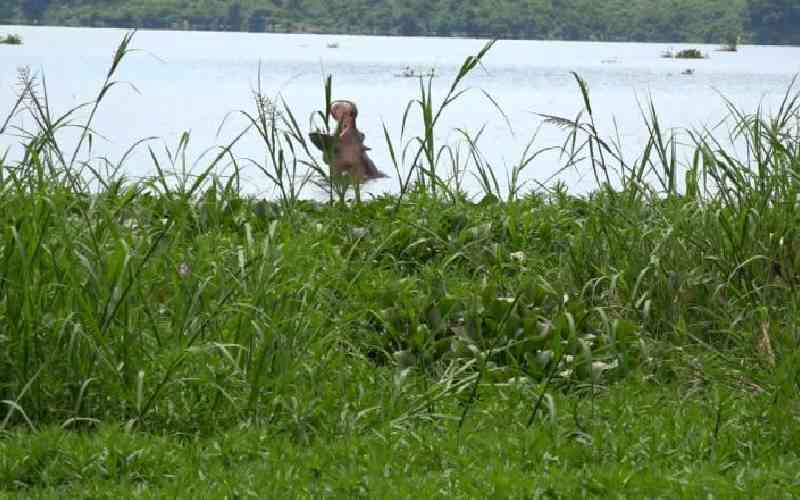
A nine-year-old girl was killed by a hippopotamus at Burangi village on the shores of the River Sabaki in Magarini Sub-County.Zawadi Zena Sababu, a Grade Six pupil at Kipangajeni Primary School, was attacked by a rogue hippo while washing clothes with her mother.Speaking at the Malindi Sub-County Hospital mortuary on Thursday, her father, Mr. Nyale Sababu, said his daughter was attacked at around 5 pm after her mother sent her to fetch water from the river so they could finish washing clothes.Follow The Standard
channel
on WhatsApp“I had come home from work at 4 pm and found her mother and the deceased washing clothes on the riverbank. At around 5 pm, I heard screams from the river. I rushed there only to find my daughter already dead,” Sababu said, struggling to hold back tears.Hippopotamus attacks along the River Sabaki and its environs have become increasingly common. Most incidents occur while residents are fishing or swimming, though some victims are attacked on the mainland or even at their homes. The attacks happen both at night and during the day.The bereaved father has called on the Kenya Wildlife Service (KWS) to find a lasting solution to the rising number of hippo attacks, saying the animals’ growing population has become a threat to locals.“We want the government to be vigilant and ensure such an incident does not happen again. They should take action and increase surveillance,” he said.Another family member, Lawrence Charo, urged KWS to restrain the River Sabaki hippos, noting that many residents rely on the river for their livelihoods.Families depend on the river for survival—drawing water from shallow wells, irrigating crops, and fishing.“Locals here use the water for farming, and others depend on fishing,” Charo said.A resident, Mwavizi Charo, urged parents to be more vigilant and keep children away from the river, especially during the long holiday.“Many children come to the river to fish or help with farming. Parents need to be watchful and take precautions,” he said.Human rights activist Thomas Karisa called on KWS to deploy officers to guard the riverbanks, especially during evening and night hours.“Hippopotamuses with young ones are the most aggressive, even attacking cattle that come to graze on the banks,” he said.Stay informed. Subscribe to our newsletterBy clicking on theSIGN UPbutton, you agree to ourTerms & Conditionsand thePrivacy PolicySIGN UPIn July, KWS reported more than 1,300 cases of human–wildlife conflict in Kilifi County between 2021 and this year.Stay Informed, Stay Empowered: Download the Standard ePaper App!The government, through KWS, has paid Sh60 million in compensation to Kilifi residents affected by human–wildlife conflict, in an effort to enhance fairness and restore trust and dignity among affected families.Follow The Standard
channel
on WhatsApp
A nine-year-old girl was killed by a hippopotamus at Burangi village on the shores of the River Sabaki in Magarini Sub-County.Zawadi Zena Sababu, a Grade Six pupil at Kipangajeni Primary School, was attacked by a rogue hippo while washing clothes with her mother.Speaking at the Malindi Sub-County Hospital mortuary on Thursday, her father, Mr. Nyale Sababu, said his daughter was attacked at around 5 pm after her mother sent her to fetch water from the river so they could finish washing clothes.Follow The Standard
channel
on WhatsApp“I had come home from work at 4 pm and found her mother and the deceased washing clothes on the riverbank. At around 5 pm, I heard screams from the river. I rushed there only to find my daughter already dead,” Sababu said, struggling to hold back tears.Hippopotamus attacks along the River Sabaki and its environs have become increasingly common. Most incidents occur while residents are fishing or swimming, though some victims are attacked on the mainland or even at their homes. The attacks happen both at night and during the day.The bereaved father has called on the Kenya Wildlife Service (KWS) to find a lasting solution to the rising number of hippo attacks, saying the animals’ growing population has become a threat to locals.“We want the government to be vigilant and ensure such an incident does not happen again. They should take action and increase surveillance,” he said.Another family member, Lawrence Charo, urged KWS to restrain the River Sabaki hippos, noting that many residents rely on the river for their livelihoods.Families depend on the river for survival—drawing water from shallow wells, irrigating crops, and fishing.“Locals here use the water for farming, and others depend on fishing,” Charo said.A resident, Mwavizi Charo, urged parents to be more vigilant and keep children away from the river, especially during the long holiday.“Many children come to the river to fish or help with farming. Parents need to be watchful and take precautions,” he said.Human rights activist Thomas Karisa called on KWS to deploy officers to guard the riverbanks, especially during evening and night hours.“Hippopotamuses with young ones are the most aggressive, even attacking cattle that come to graze on the banks,” he said.Stay informed. Subscribe to our newsletterBy clicking on theSIGN UPbutton, you agree to ourTerms & Conditionsand thePrivacy PolicySIGN UPIn July, KWS reported more than 1,300 cases of human–wildlife conflict in Kilifi County between 2021 and this year.Stay Informed, Stay Empowered: Download the Standard ePaper App!The government, through KWS, has paid Sh60 million in compensation to Kilifi residents affected by human–wildlife conflict, in an effort to enhance fairness and restore trust and dignity among affected families.Follow The Standard
channel
on WhatsApp
Zawadi Zena Sababu, a Grade Six pupil at Kipangajeni Primary School, was attacked by a rogue hippo while washing clothes with her mother.Speaking at the Malindi Sub-County Hospital mortuary on Thursday, her father, Mr. Nyale Sababu, said his daughter was attacked at around 5 pm after her mother sent her to fetch water from the river so they could finish washing clothes.Follow The Standard
channel
on WhatsApp“I had come home from work at 4 pm and found her mother and the deceased washing clothes on the riverbank. At around 5 pm, I heard screams from the river. I rushed there only to find my daughter already dead,” Sababu said, struggling to hold back tears.Hippopotamus attacks along the River Sabaki and its environs have become increasingly common. Most incidents occur while residents are fishing or swimming, though some victims are attacked on the mainland or even at their homes. The attacks happen both at night and during the day.The bereaved father has called on the Kenya Wildlife Service (KWS) to find a lasting solution to the rising number of hippo attacks, saying the animals’ growing population has become a threat to locals.“We want the government to be vigilant and ensure such an incident does not happen again. They should take action and increase surveillance,” he said.Another family member, Lawrence Charo, urged KWS to restrain the River Sabaki hippos, noting that many residents rely on the river for their livelihoods.Families depend on the river for survival—drawing water from shallow wells, irrigating crops, and fishing.“Locals here use the water for farming, and others depend on fishing,” Charo said.A resident, Mwavizi Charo, urged parents to be more vigilant and keep children away from the river, especially during the long holiday.“Many children come to the river to fish or help with farming. Parents need to be watchful and take precautions,” he said.Human rights activist Thomas Karisa called on KWS to deploy officers to guard the riverbanks, especially during evening and night hours.“Hippopotamuses with young ones are the most aggressive, even attacking cattle that come to graze on the banks,” he said.Stay informed. Subscribe to our newsletterBy clicking on theSIGN UPbutton, you agree to ourTerms & Conditionsand thePrivacy PolicySIGN UPIn July, KWS reported more than 1,300 cases of human–wildlife conflict in Kilifi County between 2021 and this year.Stay Informed, Stay Empowered: Download the Standard ePaper App!The government, through KWS, has paid Sh60 million in compensation to Kilifi residents affected by human–wildlife conflict, in an effort to enhance fairness and restore trust and dignity among affected families.Follow The Standard
channel
on WhatsApp
Speaking at the Malindi Sub-County Hospital mortuary on Thursday, her father, Mr. Nyale Sababu, said his daughter was attacked at around 5 pm after her mother sent her to fetch water from the river so they could finish washing clothes.Follow The Standard
channel
on WhatsApp“I had come home from work at 4 pm and found her mother and the deceased washing clothes on the riverbank. At around 5 pm, I heard screams from the river. I rushed there only to find my daughter already dead,” Sababu said, struggling to hold back tears.Hippopotamus attacks along the River Sabaki and its environs have become increasingly common. Most incidents occur while residents are fishing or swimming, though some victims are attacked on the mainland or even at their homes. The attacks happen both at night and during the day.The bereaved father has called on the Kenya Wildlife Service (KWS) to find a lasting solution to the rising number of hippo attacks, saying the animals’ growing population has become a threat to locals.“We want the government to be vigilant and ensure such an incident does not happen again. They should take action and increase surveillance,” he said.Another family member, Lawrence Charo, urged KWS to restrain the River Sabaki hippos, noting that many residents rely on the river for their livelihoods.Families depend on the river for survival—drawing water from shallow wells, irrigating crops, and fishing.“Locals here use the water for farming, and others depend on fishing,” Charo said.A resident, Mwavizi Charo, urged parents to be more vigilant and keep children away from the river, especially during the long holiday.“Many children come to the river to fish or help with farming. Parents need to be watchful and take precautions,” he said.Human rights activist Thomas Karisa called on KWS to deploy officers to guard the riverbanks, especially during evening and night hours.“Hippopotamuses with young ones are the most aggressive, even attacking cattle that come to graze on the banks,” he said.Stay informed. Subscribe to our newsletterBy clicking on theSIGN UPbutton, you agree to ourTerms & Conditionsand thePrivacy PolicySIGN UPIn July, KWS reported more than 1,300 cases of human–wildlife conflict in Kilifi County between 2021 and this year.Stay Informed, Stay Empowered: Download the Standard ePaper App!The government, through KWS, has paid Sh60 million in compensation to Kilifi residents affected by human–wildlife conflict, in an effort to enhance fairness and restore trust and dignity among affected families.Follow The Standard
channel
on WhatsApp
“I had come home from work at 4 pm and found her mother and the deceased washing clothes on the riverbank. At around 5 pm, I heard screams from the river. I rushed there only to find my daughter already dead,” Sababu said, struggling to hold back tears.Hippopotamus attacks along the River Sabaki and its environs have become increasingly common. Most incidents occur while residents are fishing or swimming, though some victims are attacked on the mainland or even at their homes. The attacks happen both at night and during the day.The bereaved father has called on the Kenya Wildlife Service (KWS) to find a lasting solution to the rising number of hippo attacks, saying the animals’ growing population has become a threat to locals.“We want the government to be vigilant and ensure such an incident does not happen again. They should take action and increase surveillance,” he said.Another family member, Lawrence Charo, urged KWS to restrain the River Sabaki hippos, noting that many residents rely on the river for their livelihoods.Families depend on the river for survival—drawing water from shallow wells, irrigating crops, and fishing.“Locals here use the water for farming, and others depend on fishing,” Charo said.A resident, Mwavizi Charo, urged parents to be more vigilant and keep children away from the river, especially during the long holiday.“Many children come to the river to fish or help with farming. Parents need to be watchful and take precautions,” he said.Human rights activist Thomas Karisa called on KWS to deploy officers to guard the riverbanks, especially during evening and night hours.“Hippopotamuses with young ones are the most aggressive, even attacking cattle that come to graze on the banks,” he said.Stay informed. Subscribe to our newsletterBy clicking on theSIGN UPbutton, you agree to ourTerms & Conditionsand thePrivacy PolicySIGN UPIn July, KWS reported more than 1,300 cases of human–wildlife conflict in Kilifi County between 2021 and this year.Stay Informed, Stay Empowered: Download the Standard ePaper App!The government, through KWS, has paid Sh60 million in compensation to Kilifi residents affected by human–wildlife conflict, in an effort to enhance fairness and restore trust and dignity among affected families.Follow The Standard
channel
on WhatsApp
Hippopotamus attacks along the River Sabaki and its environs have become increasingly common. Most incidents occur while residents are fishing or swimming, though some victims are attacked on the mainland or even at their homes. The attacks happen both at night and during the day.The bereaved father has called on the Kenya Wildlife Service (KWS) to find a lasting solution to the rising number of hippo attacks, saying the animals’ growing population has become a threat to locals.“We want the government to be vigilant and ensure such an incident does not happen again. They should take action and increase surveillance,” he said.Another family member, Lawrence Charo, urged KWS to restrain the River Sabaki hippos, noting that many residents rely on the river for their livelihoods.Families depend on the river for survival—drawing water from shallow wells, irrigating crops, and fishing.“Locals here use the water for farming, and others depend on fishing,” Charo said.A resident, Mwavizi Charo, urged parents to be more vigilant and keep children away from the river, especially during the long holiday.“Many children come to the river to fish or help with farming. Parents need to be watchful and take precautions,” he said.Human rights activist Thomas Karisa called on KWS to deploy officers to guard the riverbanks, especially during evening and night hours.“Hippopotamuses with young ones are the most aggressive, even attacking cattle that come to graze on the banks,” he said.Stay informed. Subscribe to our newsletterBy clicking on theSIGN UPbutton, you agree to ourTerms & Conditionsand thePrivacy PolicySIGN UPIn July, KWS reported more than 1,300 cases of human–wildlife conflict in Kilifi County between 2021 and this year.Stay Informed, Stay Empowered: Download the Standard ePaper App!The government, through KWS, has paid Sh60 million in compensation to Kilifi residents affected by human–wildlife conflict, in an effort to enhance fairness and restore trust and dignity among affected families.Follow The Standard
channel
on WhatsApp
The bereaved father has called on the Kenya Wildlife Service (KWS) to find a lasting solution to the rising number of hippo attacks, saying the animals’ growing population has become a threat to locals.“We want the government to be vigilant and ensure such an incident does not happen again. They should take action and increase surveillance,” he said.Another family member, Lawrence Charo, urged KWS to restrain the River Sabaki hippos, noting that many residents rely on the river for their livelihoods.Families depend on the river for survival—drawing water from shallow wells, irrigating crops, and fishing.“Locals here use the water for farming, and others depend on fishing,” Charo said.A resident, Mwavizi Charo, urged parents to be more vigilant and keep children away from the river, especially during the long holiday.“Many children come to the river to fish or help with farming. Parents need to be watchful and take precautions,” he said.Human rights activist Thomas Karisa called on KWS to deploy officers to guard the riverbanks, especially during evening and night hours.“Hippopotamuses with young ones are the most aggressive, even attacking cattle that come to graze on the banks,” he said.Stay informed. Subscribe to our newsletterBy clicking on theSIGN UPbutton, you agree to ourTerms & Conditionsand thePrivacy PolicySIGN UPIn July, KWS reported more than 1,300 cases of human–wildlife conflict in Kilifi County between 2021 and this year.Stay Informed, Stay Empowered: Download the Standard ePaper App!The government, through KWS, has paid Sh60 million in compensation to Kilifi residents affected by human–wildlife conflict, in an effort to enhance fairness and restore trust and dignity among affected families.Follow The Standard
channel
on WhatsApp
“We want the government to be vigilant and ensure such an incident does not happen again. They should take action and increase surveillance,” he said.Another family member, Lawrence Charo, urged KWS to restrain the River Sabaki hippos, noting that many residents rely on the river for their livelihoods.Families depend on the river for survival—drawing water from shallow wells, irrigating crops, and fishing.“Locals here use the water for farming, and others depend on fishing,” Charo said.A resident, Mwavizi Charo, urged parents to be more vigilant and keep children away from the river, especially during the long holiday.“Many children come to the river to fish or help with farming. Parents need to be watchful and take precautions,” he said.Human rights activist Thomas Karisa called on KWS to deploy officers to guard the riverbanks, especially during evening and night hours.“Hippopotamuses with young ones are the most aggressive, even attacking cattle that come to graze on the banks,” he said.Stay informed. Subscribe to our newsletterBy clicking on theSIGN UPbutton, you agree to ourTerms & Conditionsand thePrivacy PolicySIGN UPIn July, KWS reported more than 1,300 cases of human–wildlife conflict in Kilifi County between 2021 and this year.Stay Informed, Stay Empowered: Download the Standard ePaper App!The government, through KWS, has paid Sh60 million in compensation to Kilifi residents affected by human–wildlife conflict, in an effort to enhance fairness and restore trust and dignity among affected families.Follow The Standard
channel
on WhatsApp
Another family member, Lawrence Charo, urged KWS to restrain the River Sabaki hippos, noting that many residents rely on the river for their livelihoods.Families depend on the river for survival—drawing water from shallow wells, irrigating crops, and fishing.“Locals here use the water for farming, and others depend on fishing,” Charo said.A resident, Mwavizi Charo, urged parents to be more vigilant and keep children away from the river, especially during the long holiday.“Many children come to the river to fish or help with farming. Parents need to be watchful and take precautions,” he said.Human rights activist Thomas Karisa called on KWS to deploy officers to guard the riverbanks, especially during evening and night hours.“Hippopotamuses with young ones are the most aggressive, even attacking cattle that come to graze on the banks,” he said.Stay informed. Subscribe to our newsletterBy clicking on theSIGN UPbutton, you agree to ourTerms & Conditionsand thePrivacy PolicySIGN UPIn July, KWS reported more than 1,300 cases of human–wildlife conflict in Kilifi County between 2021 and this year.Stay Informed, Stay Empowered: Download the Standard ePaper App!The government, through KWS, has paid Sh60 million in compensation to Kilifi residents affected by human–wildlife conflict, in an effort to enhance fairness and restore trust and dignity among affected families.Follow The Standard
channel
on WhatsApp
Families depend on the river for survival—drawing water from shallow wells, irrigating crops, and fishing.“Locals here use the water for farming, and others depend on fishing,” Charo said.A resident, Mwavizi Charo, urged parents to be more vigilant and keep children away from the river, especially during the long holiday.“Many children come to the river to fish or help with farming. Parents need to be watchful and take precautions,” he said.Human rights activist Thomas Karisa called on KWS to deploy officers to guard the riverbanks, especially during evening and night hours.“Hippopotamuses with young ones are the most aggressive, even attacking cattle that come to graze on the banks,” he said.Stay informed. Subscribe to our newsletterBy clicking on theSIGN UPbutton, you agree to ourTerms & Conditionsand thePrivacy PolicySIGN UPIn July, KWS reported more than 1,300 cases of human–wildlife conflict in Kilifi County between 2021 and this year.Stay Informed, Stay Empowered: Download the Standard ePaper App!The government, through KWS, has paid Sh60 million in compensation to Kilifi residents affected by human–wildlife conflict, in an effort to enhance fairness and restore trust and dignity among affected families.Follow The Standard
channel
on WhatsApp
“Locals here use the water for farming, and others depend on fishing,” Charo said.A resident, Mwavizi Charo, urged parents to be more vigilant and keep children away from the river, especially during the long holiday.“Many children come to the river to fish or help with farming. Parents need to be watchful and take precautions,” he said.Human rights activist Thomas Karisa called on KWS to deploy officers to guard the riverbanks, especially during evening and night hours.“Hippopotamuses with young ones are the most aggressive, even attacking cattle that come to graze on the banks,” he said.Stay informed. Subscribe to our newsletterBy clicking on theSIGN UPbutton, you agree to ourTerms & Conditionsand thePrivacy PolicySIGN UPIn July, KWS reported more than 1,300 cases of human–wildlife conflict in Kilifi County between 2021 and this year.Stay Informed, Stay Empowered: Download the Standard ePaper App!The government, through KWS, has paid Sh60 million in compensation to Kilifi residents affected by human–wildlife conflict, in an effort to enhance fairness and restore trust and dignity among affected families.Follow The Standard
channel
on WhatsApp
A resident, Mwavizi Charo, urged parents to be more vigilant and keep children away from the river, especially during the long holiday.“Many children come to the river to fish or help with farming. Parents need to be watchful and take precautions,” he said.Human rights activist Thomas Karisa called on KWS to deploy officers to guard the riverbanks, especially during evening and night hours.“Hippopotamuses with young ones are the most aggressive, even attacking cattle that come to graze on the banks,” he said.Stay informed. Subscribe to our newsletterBy clicking on theSIGN UPbutton, you agree to ourTerms & Conditionsand thePrivacy PolicySIGN UPIn July, KWS reported more than 1,300 cases of human–wildlife conflict in Kilifi County between 2021 and this year.Stay Informed, Stay Empowered: Download the Standard ePaper App!The government, through KWS, has paid Sh60 million in compensation to Kilifi residents affected by human–wildlife conflict, in an effort to enhance fairness and restore trust and dignity among affected families.Follow The Standard
channel
on WhatsApp
“Many children come to the river to fish or help with farming. Parents need to be watchful and take precautions,” he said.Human rights activist Thomas Karisa called on KWS to deploy officers to guard the riverbanks, especially during evening and night hours.“Hippopotamuses with young ones are the most aggressive, even attacking cattle that come to graze on the banks,” he said.Stay informed. Subscribe to our newsletterBy clicking on theSIGN UPbutton, you agree to ourTerms & Conditionsand thePrivacy PolicySIGN UPIn July, KWS reported more than 1,300 cases of human–wildlife conflict in Kilifi County between 2021 and this year.Stay Informed, Stay Empowered: Download the Standard ePaper App!The government, through KWS, has paid Sh60 million in compensation to Kilifi residents affected by human–wildlife conflict, in an effort to enhance fairness and restore trust and dignity among affected families.Follow The Standard
channel
on WhatsApp
Human rights activist Thomas Karisa called on KWS to deploy officers to guard the riverbanks, especially during evening and night hours.“Hippopotamuses with young ones are the most aggressive, even attacking cattle that come to graze on the banks,” he said.Stay informed. Subscribe to our newsletterBy clicking on theSIGN UPbutton, you agree to ourTerms & Conditionsand thePrivacy PolicySIGN UPIn July, KWS reported more than 1,300 cases of human–wildlife conflict in Kilifi County between 2021 and this year.Stay Informed, Stay Empowered: Download the Standard ePaper App!The government, through KWS, has paid Sh60 million in compensation to Kilifi residents affected by human–wildlife conflict, in an effort to enhance fairness and restore trust and dignity among affected families.Follow The Standard
channel
on WhatsApp
“Hippopotamuses with young ones are the most aggressive, even attacking cattle that come to graze on the banks,” he said.Stay informed. Subscribe to our newsletterBy clicking on theSIGN UPbutton, you agree to ourTerms & Conditionsand thePrivacy PolicySIGN UPIn July, KWS reported more than 1,300 cases of human–wildlife conflict in Kilifi County between 2021 and this year.Stay Informed, Stay Empowered: Download the Standard ePaper App!The government, through KWS, has paid Sh60 million in compensation to Kilifi residents affected by human–wildlife conflict, in an effort to enhance fairness and restore trust and dignity among affected families.Follow The Standard
channel
on WhatsApp
In July, KWS reported more than 1,300 cases of human–wildlife conflict in Kilifi County between 2021 and this year.Stay Informed, Stay Empowered: Download the Standard ePaper App!The government, through KWS, has paid Sh60 million in compensation to Kilifi residents affected by human–wildlife conflict, in an effort to enhance fairness and restore trust and dignity among affected families.Follow The Standard
channel
on WhatsApp
The government, through KWS, has paid Sh60 million in compensation to Kilifi residents affected by human–wildlife conflict, in an effort to enhance fairness and restore trust and dignity among affected families.Follow The Standard
channel
on WhatsApp
Subscribe to our newsletter and stay updated on the latest developments and special
offers!
Pick your favourite topics below for a tailor made homepage just for you