
No need to panic, Kindiki says as drought bites
Source: The Standard
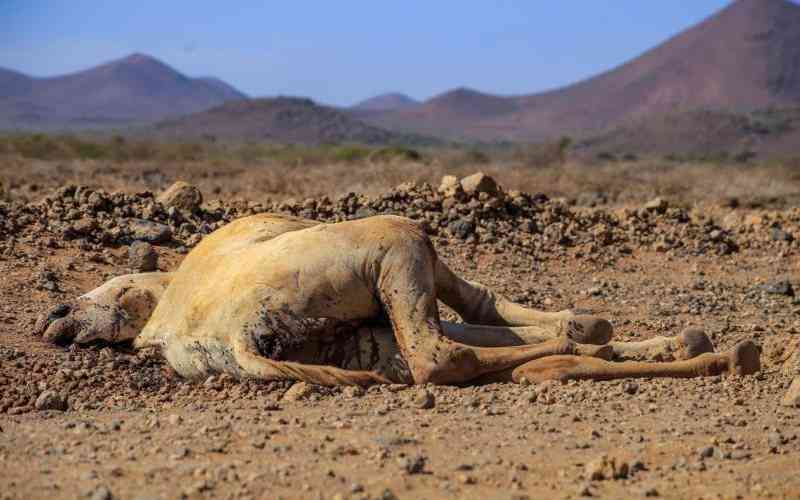
Deputy President Kithure Kindiki has assured Kenyans that the government is fully prepared to respond to the ongoing drought, saying adequate measures have been put in place to mitigate the situation.Speaking during the 14th Development Partners Forum in Nairobi on Wednesday, January 14, Kindiki stated that Sh6 billion has already been allocated to support response measures.“The government has made arrangements to provide enough food to all affected people and to save their livestock from demise because of the drought. There should be no panic in the country,” he said.The DP further noted that the government will be committing Sh2 billion every month and called on partners to support these efforts.Follow The Standard
channel
on WhatsApp“We are asking for increased assistance from development partners and other role players to ensure that the drought situation is comprehensively dealt with,” he stated, adding that the government is also assembling heaps of hay, vaccines, and water to avert livestock loss.At the 14th Development Partners Forum 2026 in Karen, DP Kindiki said the government has released Sh6 billion in the past month to address the drought and will disburse Sh4 billion every 30 days going forward.pic.twitter.com/grICv7HvHi— The Standard Digital (@StandardKenya)January 14, 2026Reiterating his remarks, Council of Governors chairperson Ahmed Abdullahi said: “While ASAL counties are the most affected, non-ASAL counties are experiencing spill-over effects through rising food prices, water stress, and livelihood disruptions.”Their remarks come amid an ongoing drought in several counties, with the most affected being those in the Arid and Semi-Arid Lands (ASAL).According to a report by Kenya Red Cross Society and the International Federation of Red Cross and Red Crescent Societies (IFRC),nine counties, including Wajir, Garissa, Marsabit, and Tana River, are in the “alert” phase, with Mandera in the critical “alarm” phase.Follow The Standard
channel
on WhatsApp
Speaking during the 14th Development Partners Forum in Nairobi on Wednesday, January 14, Kindiki stated that Sh6 billion has already been allocated to support response measures.“The government has made arrangements to provide enough food to all affected people and to save their livestock from demise because of the drought. There should be no panic in the country,” he said.The DP further noted that the government will be committing Sh2 billion every month and called on partners to support these efforts.Follow The Standard
channel
on WhatsApp“We are asking for increased assistance from development partners and other role players to ensure that the drought situation is comprehensively dealt with,” he stated, adding that the government is also assembling heaps of hay, vaccines, and water to avert livestock loss.At the 14th Development Partners Forum 2026 in Karen, DP Kindiki said the government has released Sh6 billion in the past month to address the drought and will disburse Sh4 billion every 30 days going forward.pic.twitter.com/grICv7HvHi— The Standard Digital (@StandardKenya)January 14, 2026Reiterating his remarks, Council of Governors chairperson Ahmed Abdullahi said: “While ASAL counties are the most affected, non-ASAL counties are experiencing spill-over effects through rising food prices, water stress, and livelihood disruptions.”Their remarks come amid an ongoing drought in several counties, with the most affected being those in the Arid and Semi-Arid Lands (ASAL).According to a report by Kenya Red Cross Society and the International Federation of Red Cross and Red Crescent Societies (IFRC),nine counties, including Wajir, Garissa, Marsabit, and Tana River, are in the “alert” phase, with Mandera in the critical “alarm” phase.Follow The Standard
channel
on WhatsApp
“The government has made arrangements to provide enough food to all affected people and to save their livestock from demise because of the drought. There should be no panic in the country,” he said.The DP further noted that the government will be committing Sh2 billion every month and called on partners to support these efforts.Follow The Standard
channel
on WhatsApp“We are asking for increased assistance from development partners and other role players to ensure that the drought situation is comprehensively dealt with,” he stated, adding that the government is also assembling heaps of hay, vaccines, and water to avert livestock loss.At the 14th Development Partners Forum 2026 in Karen, DP Kindiki said the government has released Sh6 billion in the past month to address the drought and will disburse Sh4 billion every 30 days going forward.pic.twitter.com/grICv7HvHi— The Standard Digital (@StandardKenya)January 14, 2026Reiterating his remarks, Council of Governors chairperson Ahmed Abdullahi said: “While ASAL counties are the most affected, non-ASAL counties are experiencing spill-over effects through rising food prices, water stress, and livelihood disruptions.”Their remarks come amid an ongoing drought in several counties, with the most affected being those in the Arid and Semi-Arid Lands (ASAL).According to a report by Kenya Red Cross Society and the International Federation of Red Cross and Red Crescent Societies (IFRC),nine counties, including Wajir, Garissa, Marsabit, and Tana River, are in the “alert” phase, with Mandera in the critical “alarm” phase.Follow The Standard
channel
on WhatsApp
The DP further noted that the government will be committing Sh2 billion every month and called on partners to support these efforts.Follow The Standard
channel
on WhatsApp“We are asking for increased assistance from development partners and other role players to ensure that the drought situation is comprehensively dealt with,” he stated, adding that the government is also assembling heaps of hay, vaccines, and water to avert livestock loss.At the 14th Development Partners Forum 2026 in Karen, DP Kindiki said the government has released Sh6 billion in the past month to address the drought and will disburse Sh4 billion every 30 days going forward.pic.twitter.com/grICv7HvHi— The Standard Digital (@StandardKenya)January 14, 2026Reiterating his remarks, Council of Governors chairperson Ahmed Abdullahi said: “While ASAL counties are the most affected, non-ASAL counties are experiencing spill-over effects through rising food prices, water stress, and livelihood disruptions.”Their remarks come amid an ongoing drought in several counties, with the most affected being those in the Arid and Semi-Arid Lands (ASAL).According to a report by Kenya Red Cross Society and the International Federation of Red Cross and Red Crescent Societies (IFRC),nine counties, including Wajir, Garissa, Marsabit, and Tana River, are in the “alert” phase, with Mandera in the critical “alarm” phase.Follow The Standard
channel
on WhatsApp
“We are asking for increased assistance from development partners and other role players to ensure that the drought situation is comprehensively dealt with,” he stated, adding that the government is also assembling heaps of hay, vaccines, and water to avert livestock loss.At the 14th Development Partners Forum 2026 in Karen, DP Kindiki said the government has released Sh6 billion in the past month to address the drought and will disburse Sh4 billion every 30 days going forward.pic.twitter.com/grICv7HvHi— The Standard Digital (@StandardKenya)January 14, 2026Reiterating his remarks, Council of Governors chairperson Ahmed Abdullahi said: “While ASAL counties are the most affected, non-ASAL counties are experiencing spill-over effects through rising food prices, water stress, and livelihood disruptions.”Their remarks come amid an ongoing drought in several counties, with the most affected being those in the Arid and Semi-Arid Lands (ASAL).According to a report by Kenya Red Cross Society and the International Federation of Red Cross and Red Crescent Societies (IFRC),nine counties, including Wajir, Garissa, Marsabit, and Tana River, are in the “alert” phase, with Mandera in the critical “alarm” phase.Follow The Standard
channel
on WhatsApp
At the 14th Development Partners Forum 2026 in Karen, DP Kindiki said the government has released Sh6 billion in the past month to address the drought and will disburse Sh4 billion every 30 days going forward.pic.twitter.com/grICv7HvHi— The Standard Digital (@StandardKenya)January 14, 2026
Reiterating his remarks, Council of Governors chairperson Ahmed Abdullahi said: “While ASAL counties are the most affected, non-ASAL counties are experiencing spill-over effects through rising food prices, water stress, and livelihood disruptions.”Their remarks come amid an ongoing drought in several counties, with the most affected being those in the Arid and Semi-Arid Lands (ASAL).According to a report by Kenya Red Cross Society and the International Federation of Red Cross and Red Crescent Societies (IFRC),nine counties, including Wajir, Garissa, Marsabit, and Tana River, are in the “alert” phase, with Mandera in the critical “alarm” phase.Follow The Standard
channel
on WhatsApp
Reiterating his remarks, Council of Governors chairperson Ahmed Abdullahi said: “While ASAL counties are the most affected, non-ASAL counties are experiencing spill-over effects through rising food prices, water stress, and livelihood disruptions.”Their remarks come amid an ongoing drought in several counties, with the most affected being those in the Arid and Semi-Arid Lands (ASAL).According to a report by Kenya Red Cross Society and the International Federation of Red Cross and Red Crescent Societies (IFRC),nine counties, including Wajir, Garissa, Marsabit, and Tana River, are in the “alert” phase, with Mandera in the critical “alarm” phase.Follow The Standard
channel
on WhatsApp
Their remarks come amid an ongoing drought in several counties, with the most affected being those in the Arid and Semi-Arid Lands (ASAL).According to a report by Kenya Red Cross Society and the International Federation of Red Cross and Red Crescent Societies (IFRC),nine counties, including Wajir, Garissa, Marsabit, and Tana River, are in the “alert” phase, with Mandera in the critical “alarm” phase.Follow The Standard
channel
on WhatsApp
According to a report by Kenya Red Cross Society and the International Federation of Red Cross and Red Crescent Societies (IFRC),nine counties, including Wajir, Garissa, Marsabit, and Tana River, are in the “alert” phase, with Mandera in the critical “alarm” phase.Follow The Standard
channel
on WhatsApp
Subscribe to our newsletter and stay updated on the latest developments and special
offers!
Pick your favourite topics below for a tailor made homepage just for you