
Purple resistance: The digital uprising uniting women
Source: The Standard
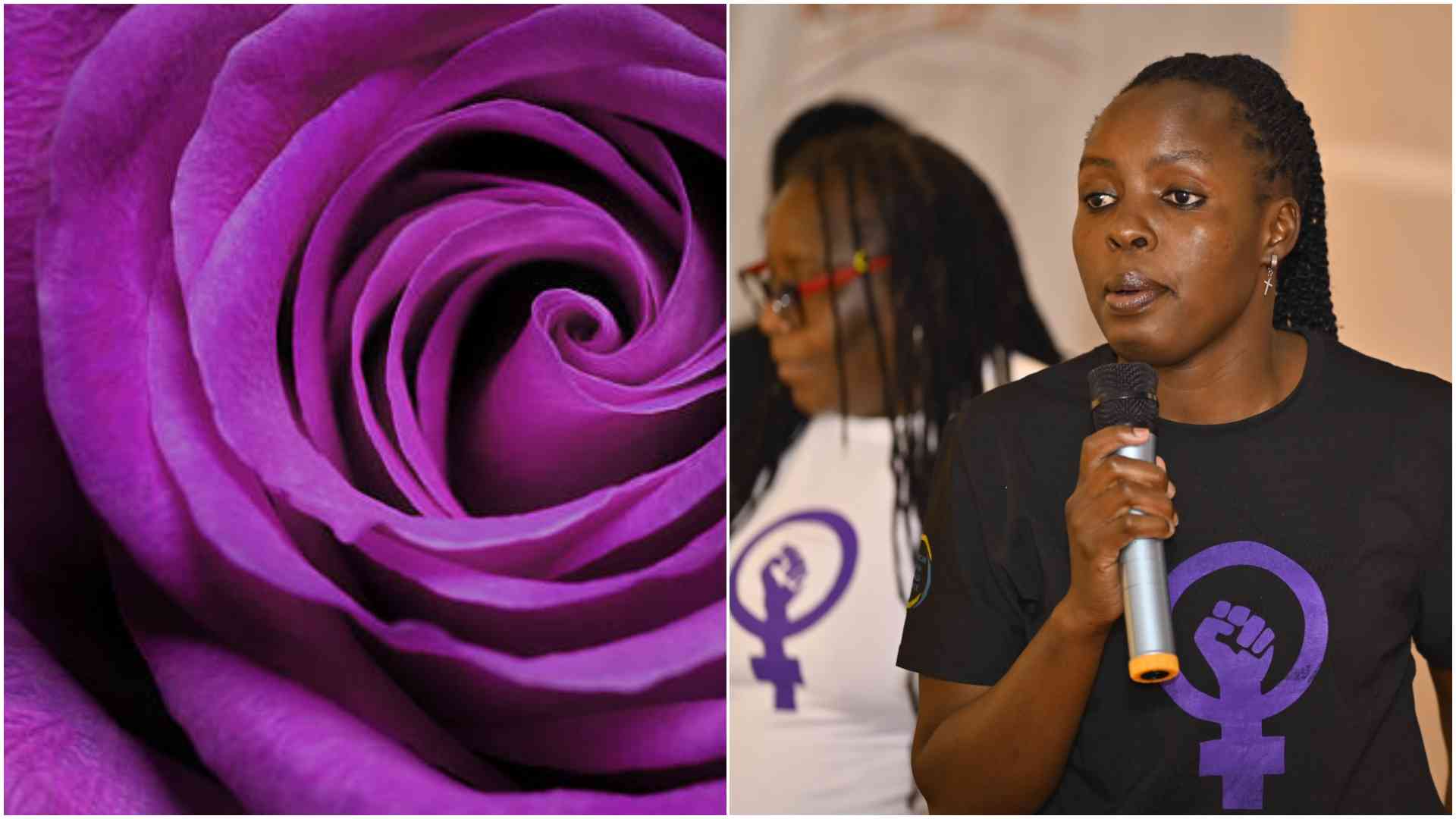
A quiet but powerful revolution is sweeping across social media platforms, from TikTok and Instagram to Facebook and X.Millions of users are adopting purple profile pictures or adding purple backgrounds as a bold and emotional stand against gender-based violence and femicide.What began as a symbolic online gesture in South Africa has quickly grown into a continent-wide movement, gaining momentum in Kenya, Ghana, Botswana, and Nigeria.For many, the purple display is no longer just a colour. It has evolved into a language of grief, solidarity, and hope, representing the countless women whose lives have been shattered by abuse and those still fighting to be heard.Follow The Standard
channel
on WhatsAppThe movement is driven by Women for Change, a South African non-profit organisation, and aligns with the G20 Women’s Shutdown on Friday, 21 November 2025 (yesterday)On this day, citizens were encouraged to wear black, refrain from paid and unpaid work, halt spending, and use purple online to amplify the message.Their goal? To push the South African government to officially classify GBV and femicide as a national disaster, drawing attention to a crisis that has claimed lives for decades.Global data paints a devastating picture. According to the World Health Organization, one in three women will experience gender-based violence in their lifetime.Kenya mirrors this grim trend. The Kenya Demographic and Health Survey (2022) reports that 40 percent of women have faced physical or sexual violence by an intimate partner.WHO estimates that 38 percent of all murdered women globally are killed by intimate partners, and the economic cost of GBV can reach up to 3.7 percent of a country’s GDP.In Kenya, at least ten women were murdered in January 2025 alone. From 2019 to 2024, 504 women were killed.Africa Data Hub notes that more than 500 women and girls have been murdered in Kenya since 2016, despite ongoing interventions.Across East and Southern Africa, GBV remains disturbingly high. UN Women reports that Sub-Saharan Africa has the world’s highest rate of child marriage, with 32 percent of women married before age 18.Legal frameworks exist in most countries, yet one in three women between 15 and 49 continues to face intimate partner violence, revealing a crisis both cultural and systemic.South Africa’s statistics are even more staggering. Over half of all women, 51 percent, report experiencing GBV.Stay informed. Subscribe to our newsletterBy clicking on theSIGN UPbutton, you agree to ourTerms & Conditionsand thePrivacy PolicySIGN UPFemicide rates in South Africa are five times the global average. Each day, at least 15 women are murdered, and 117 report rape, though experts believe 95 percent of rape cases remain unreported.Stay Informed, Stay Empowered: Download the Standard ePaper App!Behind these numbers are women navigating fear, trauma, and silence.Dorothy Pamela, 25, understands this reality too well.“Every now and then, you’re scared. You can’t walk out late; you’re aware of your environment. You say to yourself, ‘Can I make it home safe?’” she said, recalling the constant vigilance women adopt to survive.At Maseno University, she once witnessed a neighbour endure more than 50 instances of abuse before finally speaking out. “There’s so much silence around it, and the stigma makes people feel ashamed of sharing,” she added.Her message to survivors: “You are not alone. Your voice matters, and the world is ready to react. Seek justice. Do not be ashamed.”She believes digital activism is powerful but insists it must be paired with real-world action. In Nairobi’s informal settlements, 27-year-old Golda Awino works with adolescent girls and young women in Kibera, Kayole, and Mathare. She, too, survived abuse.“This happened in 2020 during the COVID-19 pandemic. I was living with my boyfriend, my son was just two years old, and he had lost his job. I was doing most of the work to keep us going. But he started being violent, questioning where I’d been, demanding money, and controlling every aspect of my life. I endured it because I felt safe under that roof, but eventually, I had to leave,” she said.Joining the Lean On Me Foundation helped her reclaim her voice. Today, she guides other survivors to safety and self-worth. She noted trauma bonding as a key reason many stay with abusive partners.“After being beaten, abusers often return with love, gifts, or attention. Women are manipulated into consoling themselves and forgiving the abuser. Society often judges single or divorced women, and many feel trapped due to stigma or fear for their children,” she explained.For her, the purple profile picture movement is a vital entry point into life-saving conversations.Daisy Moraa, 22, an SDG champion and gender equality advocate, believes digital platforms hold transformative potential.“When you share a purple profile picture or engage in discussions about GBV online, you educate people. Men, especially our age, may feel this favours women over men, but the focus is on the most affected population. Women are dying, and this is something we can control,” Moraa said.She said that online debates often evolve into meaningful dialogues that spark awareness and societal change.Offline, the campaign stretches beyond digital solidarity. Supporters are wearing purple nails, masks and t-shirts, or dressing in black to honour survivors.Lean On Me Foundation plans a Black Attire Day on November 25 to spotlight the ongoing fight.Maria, not her real name, shared a harrowing reason behind her purple profile.“I am using the purple profile because my stand against gender-based violence comes from a painful part of my childhood. When I was in class four, I was sexually harassed by my stepfather and later by my uncle, but I was forced to stay silent because my mother feared being sent away and losing her marriage,” she recalled.My purple profile is my way of giving a voice to that little girl who couldn’t speak and to encourage others to choose truth, safety, and courage over silence,” she added.Maria said, “I am using a purple profile because purple is the global colour symbolising the fight against gender-based violence. For me, it’s not just a colour, it’s a stand, a voice, and a reminder that GBV is still affecting so many lives. I’m using my platform to raise awareness, show solidarity with survivors, and speak up for those who are still suffering in silence.”As timelines light up in purple, every shared story, every conversation, and every act of courage carries us one step closer to a world where women live fully, freely and without fear.Follow The Standard
channel
on WhatsApp
Millions of users are adopting purple profile pictures or adding purple backgrounds as a bold and emotional stand against gender-based violence and femicide.What began as a symbolic online gesture in South Africa has quickly grown into a continent-wide movement, gaining momentum in Kenya, Ghana, Botswana, and Nigeria.For many, the purple display is no longer just a colour. It has evolved into a language of grief, solidarity, and hope, representing the countless women whose lives have been shattered by abuse and those still fighting to be heard.Follow The Standard
channel
on WhatsAppThe movement is driven by Women for Change, a South African non-profit organisation, and aligns with the G20 Women’s Shutdown on Friday, 21 November 2025 (yesterday)On this day, citizens were encouraged to wear black, refrain from paid and unpaid work, halt spending, and use purple online to amplify the message.Their goal? To push the South African government to officially classify GBV and femicide as a national disaster, drawing attention to a crisis that has claimed lives for decades.Global data paints a devastating picture. According to the World Health Organization, one in three women will experience gender-based violence in their lifetime.Kenya mirrors this grim trend. The Kenya Demographic and Health Survey (2022) reports that 40 percent of women have faced physical or sexual violence by an intimate partner.WHO estimates that 38 percent of all murdered women globally are killed by intimate partners, and the economic cost of GBV can reach up to 3.7 percent of a country’s GDP.In Kenya, at least ten women were murdered in January 2025 alone. From 2019 to 2024, 504 women were killed.Africa Data Hub notes that more than 500 women and girls have been murdered in Kenya since 2016, despite ongoing interventions.Across East and Southern Africa, GBV remains disturbingly high. UN Women reports that Sub-Saharan Africa has the world’s highest rate of child marriage, with 32 percent of women married before age 18.Legal frameworks exist in most countries, yet one in three women between 15 and 49 continues to face intimate partner violence, revealing a crisis both cultural and systemic.South Africa’s statistics are even more staggering. Over half of all women, 51 percent, report experiencing GBV.Stay informed. Subscribe to our newsletterBy clicking on theSIGN UPbutton, you agree to ourTerms & Conditionsand thePrivacy PolicySIGN UPFemicide rates in South Africa are five times the global average. Each day, at least 15 women are murdered, and 117 report rape, though experts believe 95 percent of rape cases remain unreported.Stay Informed, Stay Empowered: Download the Standard ePaper App!Behind these numbers are women navigating fear, trauma, and silence.Dorothy Pamela, 25, understands this reality too well.“Every now and then, you’re scared. You can’t walk out late; you’re aware of your environment. You say to yourself, ‘Can I make it home safe?’” she said, recalling the constant vigilance women adopt to survive.At Maseno University, she once witnessed a neighbour endure more than 50 instances of abuse before finally speaking out. “There’s so much silence around it, and the stigma makes people feel ashamed of sharing,” she added.Her message to survivors: “You are not alone. Your voice matters, and the world is ready to react. Seek justice. Do not be ashamed.”She believes digital activism is powerful but insists it must be paired with real-world action. In Nairobi’s informal settlements, 27-year-old Golda Awino works with adolescent girls and young women in Kibera, Kayole, and Mathare. She, too, survived abuse.“This happened in 2020 during the COVID-19 pandemic. I was living with my boyfriend, my son was just two years old, and he had lost his job. I was doing most of the work to keep us going. But he started being violent, questioning where I’d been, demanding money, and controlling every aspect of my life. I endured it because I felt safe under that roof, but eventually, I had to leave,” she said.Joining the Lean On Me Foundation helped her reclaim her voice. Today, she guides other survivors to safety and self-worth. She noted trauma bonding as a key reason many stay with abusive partners.“After being beaten, abusers often return with love, gifts, or attention. Women are manipulated into consoling themselves and forgiving the abuser. Society often judges single or divorced women, and many feel trapped due to stigma or fear for their children,” she explained.For her, the purple profile picture movement is a vital entry point into life-saving conversations.Daisy Moraa, 22, an SDG champion and gender equality advocate, believes digital platforms hold transformative potential.“When you share a purple profile picture or engage in discussions about GBV online, you educate people. Men, especially our age, may feel this favours women over men, but the focus is on the most affected population. Women are dying, and this is something we can control,” Moraa said.She said that online debates often evolve into meaningful dialogues that spark awareness and societal change.Offline, the campaign stretches beyond digital solidarity. Supporters are wearing purple nails, masks and t-shirts, or dressing in black to honour survivors.Lean On Me Foundation plans a Black Attire Day on November 25 to spotlight the ongoing fight.Maria, not her real name, shared a harrowing reason behind her purple profile.“I am using the purple profile because my stand against gender-based violence comes from a painful part of my childhood. When I was in class four, I was sexually harassed by my stepfather and later by my uncle, but I was forced to stay silent because my mother feared being sent away and losing her marriage,” she recalled.My purple profile is my way of giving a voice to that little girl who couldn’t speak and to encourage others to choose truth, safety, and courage over silence,” she added.Maria said, “I am using a purple profile because purple is the global colour symbolising the fight against gender-based violence. For me, it’s not just a colour, it’s a stand, a voice, and a reminder that GBV is still affecting so many lives. I’m using my platform to raise awareness, show solidarity with survivors, and speak up for those who are still suffering in silence.”As timelines light up in purple, every shared story, every conversation, and every act of courage carries us one step closer to a world where women live fully, freely and without fear.Follow The Standard
channel
on WhatsApp
What began as a symbolic online gesture in South Africa has quickly grown into a continent-wide movement, gaining momentum in Kenya, Ghana, Botswana, and Nigeria.For many, the purple display is no longer just a colour. It has evolved into a language of grief, solidarity, and hope, representing the countless women whose lives have been shattered by abuse and those still fighting to be heard.Follow The Standard
channel
on WhatsAppThe movement is driven by Women for Change, a South African non-profit organisation, and aligns with the G20 Women’s Shutdown on Friday, 21 November 2025 (yesterday)On this day, citizens were encouraged to wear black, refrain from paid and unpaid work, halt spending, and use purple online to amplify the message.Their goal? To push the South African government to officially classify GBV and femicide as a national disaster, drawing attention to a crisis that has claimed lives for decades.Global data paints a devastating picture. According to the World Health Organization, one in three women will experience gender-based violence in their lifetime.Kenya mirrors this grim trend. The Kenya Demographic and Health Survey (2022) reports that 40 percent of women have faced physical or sexual violence by an intimate partner.WHO estimates that 38 percent of all murdered women globally are killed by intimate partners, and the economic cost of GBV can reach up to 3.7 percent of a country’s GDP.In Kenya, at least ten women were murdered in January 2025 alone. From 2019 to 2024, 504 women were killed.Africa Data Hub notes that more than 500 women and girls have been murdered in Kenya since 2016, despite ongoing interventions.Across East and Southern Africa, GBV remains disturbingly high. UN Women reports that Sub-Saharan Africa has the world’s highest rate of child marriage, with 32 percent of women married before age 18.Legal frameworks exist in most countries, yet one in three women between 15 and 49 continues to face intimate partner violence, revealing a crisis both cultural and systemic.South Africa’s statistics are even more staggering. Over half of all women, 51 percent, report experiencing GBV.Stay informed. Subscribe to our newsletterBy clicking on theSIGN UPbutton, you agree to ourTerms & Conditionsand thePrivacy PolicySIGN UPFemicide rates in South Africa are five times the global average. Each day, at least 15 women are murdered, and 117 report rape, though experts believe 95 percent of rape cases remain unreported.Stay Informed, Stay Empowered: Download the Standard ePaper App!Behind these numbers are women navigating fear, trauma, and silence.Dorothy Pamela, 25, understands this reality too well.“Every now and then, you’re scared. You can’t walk out late; you’re aware of your environment. You say to yourself, ‘Can I make it home safe?’” she said, recalling the constant vigilance women adopt to survive.At Maseno University, she once witnessed a neighbour endure more than 50 instances of abuse before finally speaking out. “There’s so much silence around it, and the stigma makes people feel ashamed of sharing,” she added.Her message to survivors: “You are not alone. Your voice matters, and the world is ready to react. Seek justice. Do not be ashamed.”She believes digital activism is powerful but insists it must be paired with real-world action. In Nairobi’s informal settlements, 27-year-old Golda Awino works with adolescent girls and young women in Kibera, Kayole, and Mathare. She, too, survived abuse.“This happened in 2020 during the COVID-19 pandemic. I was living with my boyfriend, my son was just two years old, and he had lost his job. I was doing most of the work to keep us going. But he started being violent, questioning where I’d been, demanding money, and controlling every aspect of my life. I endured it because I felt safe under that roof, but eventually, I had to leave,” she said.Joining the Lean On Me Foundation helped her reclaim her voice. Today, she guides other survivors to safety and self-worth. She noted trauma bonding as a key reason many stay with abusive partners.“After being beaten, abusers often return with love, gifts, or attention. Women are manipulated into consoling themselves and forgiving the abuser. Society often judges single or divorced women, and many feel trapped due to stigma or fear for their children,” she explained.For her, the purple profile picture movement is a vital entry point into life-saving conversations.Daisy Moraa, 22, an SDG champion and gender equality advocate, believes digital platforms hold transformative potential.“When you share a purple profile picture or engage in discussions about GBV online, you educate people. Men, especially our age, may feel this favours women over men, but the focus is on the most affected population. Women are dying, and this is something we can control,” Moraa said.She said that online debates often evolve into meaningful dialogues that spark awareness and societal change.Offline, the campaign stretches beyond digital solidarity. Supporters are wearing purple nails, masks and t-shirts, or dressing in black to honour survivors.Lean On Me Foundation plans a Black Attire Day on November 25 to spotlight the ongoing fight.Maria, not her real name, shared a harrowing reason behind her purple profile.“I am using the purple profile because my stand against gender-based violence comes from a painful part of my childhood. When I was in class four, I was sexually harassed by my stepfather and later by my uncle, but I was forced to stay silent because my mother feared being sent away and losing her marriage,” she recalled.My purple profile is my way of giving a voice to that little girl who couldn’t speak and to encourage others to choose truth, safety, and courage over silence,” she added.Maria said, “I am using a purple profile because purple is the global colour symbolising the fight against gender-based violence. For me, it’s not just a colour, it’s a stand, a voice, and a reminder that GBV is still affecting so many lives. I’m using my platform to raise awareness, show solidarity with survivors, and speak up for those who are still suffering in silence.”As timelines light up in purple, every shared story, every conversation, and every act of courage carries us one step closer to a world where women live fully, freely and without fear.Follow The Standard
channel
on WhatsApp
For many, the purple display is no longer just a colour. It has evolved into a language of grief, solidarity, and hope, representing the countless women whose lives have been shattered by abuse and those still fighting to be heard.Follow The Standard
channel
on WhatsAppThe movement is driven by Women for Change, a South African non-profit organisation, and aligns with the G20 Women’s Shutdown on Friday, 21 November 2025 (yesterday)On this day, citizens were encouraged to wear black, refrain from paid and unpaid work, halt spending, and use purple online to amplify the message.Their goal? To push the South African government to officially classify GBV and femicide as a national disaster, drawing attention to a crisis that has claimed lives for decades.Global data paints a devastating picture. According to the World Health Organization, one in three women will experience gender-based violence in their lifetime.Kenya mirrors this grim trend. The Kenya Demographic and Health Survey (2022) reports that 40 percent of women have faced physical or sexual violence by an intimate partner.WHO estimates that 38 percent of all murdered women globally are killed by intimate partners, and the economic cost of GBV can reach up to 3.7 percent of a country’s GDP.In Kenya, at least ten women were murdered in January 2025 alone. From 2019 to 2024, 504 women were killed.Africa Data Hub notes that more than 500 women and girls have been murdered in Kenya since 2016, despite ongoing interventions.Across East and Southern Africa, GBV remains disturbingly high. UN Women reports that Sub-Saharan Africa has the world’s highest rate of child marriage, with 32 percent of women married before age 18.Legal frameworks exist in most countries, yet one in three women between 15 and 49 continues to face intimate partner violence, revealing a crisis both cultural and systemic.South Africa’s statistics are even more staggering. Over half of all women, 51 percent, report experiencing GBV.Stay informed. Subscribe to our newsletterBy clicking on theSIGN UPbutton, you agree to ourTerms & Conditionsand thePrivacy PolicySIGN UPFemicide rates in South Africa are five times the global average. Each day, at least 15 women are murdered, and 117 report rape, though experts believe 95 percent of rape cases remain unreported.Stay Informed, Stay Empowered: Download the Standard ePaper App!Behind these numbers are women navigating fear, trauma, and silence.Dorothy Pamela, 25, understands this reality too well.“Every now and then, you’re scared. You can’t walk out late; you’re aware of your environment. You say to yourself, ‘Can I make it home safe?’” she said, recalling the constant vigilance women adopt to survive.At Maseno University, she once witnessed a neighbour endure more than 50 instances of abuse before finally speaking out. “There’s so much silence around it, and the stigma makes people feel ashamed of sharing,” she added.Her message to survivors: “You are not alone. Your voice matters, and the world is ready to react. Seek justice. Do not be ashamed.”She believes digital activism is powerful but insists it must be paired with real-world action. In Nairobi’s informal settlements, 27-year-old Golda Awino works with adolescent girls and young women in Kibera, Kayole, and Mathare. She, too, survived abuse.“This happened in 2020 during the COVID-19 pandemic. I was living with my boyfriend, my son was just two years old, and he had lost his job. I was doing most of the work to keep us going. But he started being violent, questioning where I’d been, demanding money, and controlling every aspect of my life. I endured it because I felt safe under that roof, but eventually, I had to leave,” she said.Joining the Lean On Me Foundation helped her reclaim her voice. Today, she guides other survivors to safety and self-worth. She noted trauma bonding as a key reason many stay with abusive partners.“After being beaten, abusers often return with love, gifts, or attention. Women are manipulated into consoling themselves and forgiving the abuser. Society often judges single or divorced women, and many feel trapped due to stigma or fear for their children,” she explained.For her, the purple profile picture movement is a vital entry point into life-saving conversations.Daisy Moraa, 22, an SDG champion and gender equality advocate, believes digital platforms hold transformative potential.“When you share a purple profile picture or engage in discussions about GBV online, you educate people. Men, especially our age, may feel this favours women over men, but the focus is on the most affected population. Women are dying, and this is something we can control,” Moraa said.She said that online debates often evolve into meaningful dialogues that spark awareness and societal change.Offline, the campaign stretches beyond digital solidarity. Supporters are wearing purple nails, masks and t-shirts, or dressing in black to honour survivors.Lean On Me Foundation plans a Black Attire Day on November 25 to spotlight the ongoing fight.Maria, not her real name, shared a harrowing reason behind her purple profile.“I am using the purple profile because my stand against gender-based violence comes from a painful part of my childhood. When I was in class four, I was sexually harassed by my stepfather and later by my uncle, but I was forced to stay silent because my mother feared being sent away and losing her marriage,” she recalled.My purple profile is my way of giving a voice to that little girl who couldn’t speak and to encourage others to choose truth, safety, and courage over silence,” she added.Maria said, “I am using a purple profile because purple is the global colour symbolising the fight against gender-based violence. For me, it’s not just a colour, it’s a stand, a voice, and a reminder that GBV is still affecting so many lives. I’m using my platform to raise awareness, show solidarity with survivors, and speak up for those who are still suffering in silence.”As timelines light up in purple, every shared story, every conversation, and every act of courage carries us one step closer to a world where women live fully, freely and without fear.Follow The Standard
channel
on WhatsApp
The movement is driven by Women for Change, a South African non-profit organisation, and aligns with the G20 Women’s Shutdown on Friday, 21 November 2025 (yesterday)On this day, citizens were encouraged to wear black, refrain from paid and unpaid work, halt spending, and use purple online to amplify the message.Their goal? To push the South African government to officially classify GBV and femicide as a national disaster, drawing attention to a crisis that has claimed lives for decades.Global data paints a devastating picture. According to the World Health Organization, one in three women will experience gender-based violence in their lifetime.Kenya mirrors this grim trend. The Kenya Demographic and Health Survey (2022) reports that 40 percent of women have faced physical or sexual violence by an intimate partner.WHO estimates that 38 percent of all murdered women globally are killed by intimate partners, and the economic cost of GBV can reach up to 3.7 percent of a country’s GDP.In Kenya, at least ten women were murdered in January 2025 alone. From 2019 to 2024, 504 women were killed.Africa Data Hub notes that more than 500 women and girls have been murdered in Kenya since 2016, despite ongoing interventions.Across East and Southern Africa, GBV remains disturbingly high. UN Women reports that Sub-Saharan Africa has the world’s highest rate of child marriage, with 32 percent of women married before age 18.Legal frameworks exist in most countries, yet one in three women between 15 and 49 continues to face intimate partner violence, revealing a crisis both cultural and systemic.South Africa’s statistics are even more staggering. Over half of all women, 51 percent, report experiencing GBV.Stay informed. Subscribe to our newsletterBy clicking on theSIGN UPbutton, you agree to ourTerms & Conditionsand thePrivacy PolicySIGN UPFemicide rates in South Africa are five times the global average. Each day, at least 15 women are murdered, and 117 report rape, though experts believe 95 percent of rape cases remain unreported.Stay Informed, Stay Empowered: Download the Standard ePaper App!Behind these numbers are women navigating fear, trauma, and silence.Dorothy Pamela, 25, understands this reality too well.“Every now and then, you’re scared. You can’t walk out late; you’re aware of your environment. You say to yourself, ‘Can I make it home safe?’” she said, recalling the constant vigilance women adopt to survive.At Maseno University, she once witnessed a neighbour endure more than 50 instances of abuse before finally speaking out. “There’s so much silence around it, and the stigma makes people feel ashamed of sharing,” she added.Her message to survivors: “You are not alone. Your voice matters, and the world is ready to react. Seek justice. Do not be ashamed.”She believes digital activism is powerful but insists it must be paired with real-world action. In Nairobi’s informal settlements, 27-year-old Golda Awino works with adolescent girls and young women in Kibera, Kayole, and Mathare. She, too, survived abuse.“This happened in 2020 during the COVID-19 pandemic. I was living with my boyfriend, my son was just two years old, and he had lost his job. I was doing most of the work to keep us going. But he started being violent, questioning where I’d been, demanding money, and controlling every aspect of my life. I endured it because I felt safe under that roof, but eventually, I had to leave,” she said.Joining the Lean On Me Foundation helped her reclaim her voice. Today, she guides other survivors to safety and self-worth. She noted trauma bonding as a key reason many stay with abusive partners.“After being beaten, abusers often return with love, gifts, or attention. Women are manipulated into consoling themselves and forgiving the abuser. Society often judges single or divorced women, and many feel trapped due to stigma or fear for their children,” she explained.For her, the purple profile picture movement is a vital entry point into life-saving conversations.Daisy Moraa, 22, an SDG champion and gender equality advocate, believes digital platforms hold transformative potential.“When you share a purple profile picture or engage in discussions about GBV online, you educate people. Men, especially our age, may feel this favours women over men, but the focus is on the most affected population. Women are dying, and this is something we can control,” Moraa said.She said that online debates often evolve into meaningful dialogues that spark awareness and societal change.Offline, the campaign stretches beyond digital solidarity. Supporters are wearing purple nails, masks and t-shirts, or dressing in black to honour survivors.Lean On Me Foundation plans a Black Attire Day on November 25 to spotlight the ongoing fight.Maria, not her real name, shared a harrowing reason behind her purple profile.“I am using the purple profile because my stand against gender-based violence comes from a painful part of my childhood. When I was in class four, I was sexually harassed by my stepfather and later by my uncle, but I was forced to stay silent because my mother feared being sent away and losing her marriage,” she recalled.My purple profile is my way of giving a voice to that little girl who couldn’t speak and to encourage others to choose truth, safety, and courage over silence,” she added.Maria said, “I am using a purple profile because purple is the global colour symbolising the fight against gender-based violence. For me, it’s not just a colour, it’s a stand, a voice, and a reminder that GBV is still affecting so many lives. I’m using my platform to raise awareness, show solidarity with survivors, and speak up for those who are still suffering in silence.”As timelines light up in purple, every shared story, every conversation, and every act of courage carries us one step closer to a world where women live fully, freely and without fear.Follow The Standard
channel
on WhatsApp
On this day, citizens were encouraged to wear black, refrain from paid and unpaid work, halt spending, and use purple online to amplify the message.Their goal? To push the South African government to officially classify GBV and femicide as a national disaster, drawing attention to a crisis that has claimed lives for decades.Global data paints a devastating picture. According to the World Health Organization, one in three women will experience gender-based violence in their lifetime.Kenya mirrors this grim trend. The Kenya Demographic and Health Survey (2022) reports that 40 percent of women have faced physical or sexual violence by an intimate partner.WHO estimates that 38 percent of all murdered women globally are killed by intimate partners, and the economic cost of GBV can reach up to 3.7 percent of a country’s GDP.In Kenya, at least ten women were murdered in January 2025 alone. From 2019 to 2024, 504 women were killed.Africa Data Hub notes that more than 500 women and girls have been murdered in Kenya since 2016, despite ongoing interventions.Across East and Southern Africa, GBV remains disturbingly high. UN Women reports that Sub-Saharan Africa has the world’s highest rate of child marriage, with 32 percent of women married before age 18.Legal frameworks exist in most countries, yet one in three women between 15 and 49 continues to face intimate partner violence, revealing a crisis both cultural and systemic.South Africa’s statistics are even more staggering. Over half of all women, 51 percent, report experiencing GBV.Stay informed. Subscribe to our newsletterBy clicking on theSIGN UPbutton, you agree to ourTerms & Conditionsand thePrivacy PolicySIGN UPFemicide rates in South Africa are five times the global average. Each day, at least 15 women are murdered, and 117 report rape, though experts believe 95 percent of rape cases remain unreported.Stay Informed, Stay Empowered: Download the Standard ePaper App!Behind these numbers are women navigating fear, trauma, and silence.Dorothy Pamela, 25, understands this reality too well.“Every now and then, you’re scared. You can’t walk out late; you’re aware of your environment. You say to yourself, ‘Can I make it home safe?’” she said, recalling the constant vigilance women adopt to survive.At Maseno University, she once witnessed a neighbour endure more than 50 instances of abuse before finally speaking out. “There’s so much silence around it, and the stigma makes people feel ashamed of sharing,” she added.Her message to survivors: “You are not alone. Your voice matters, and the world is ready to react. Seek justice. Do not be ashamed.”She believes digital activism is powerful but insists it must be paired with real-world action. In Nairobi’s informal settlements, 27-year-old Golda Awino works with adolescent girls and young women in Kibera, Kayole, and Mathare. She, too, survived abuse.“This happened in 2020 during the COVID-19 pandemic. I was living with my boyfriend, my son was just two years old, and he had lost his job. I was doing most of the work to keep us going. But he started being violent, questioning where I’d been, demanding money, and controlling every aspect of my life. I endured it because I felt safe under that roof, but eventually, I had to leave,” she said.Joining the Lean On Me Foundation helped her reclaim her voice. Today, she guides other survivors to safety and self-worth. She noted trauma bonding as a key reason many stay with abusive partners.“After being beaten, abusers often return with love, gifts, or attention. Women are manipulated into consoling themselves and forgiving the abuser. Society often judges single or divorced women, and many feel trapped due to stigma or fear for their children,” she explained.For her, the purple profile picture movement is a vital entry point into life-saving conversations.Daisy Moraa, 22, an SDG champion and gender equality advocate, believes digital platforms hold transformative potential.“When you share a purple profile picture or engage in discussions about GBV online, you educate people. Men, especially our age, may feel this favours women over men, but the focus is on the most affected population. Women are dying, and this is something we can control,” Moraa said.She said that online debates often evolve into meaningful dialogues that spark awareness and societal change.Offline, the campaign stretches beyond digital solidarity. Supporters are wearing purple nails, masks and t-shirts, or dressing in black to honour survivors.Lean On Me Foundation plans a Black Attire Day on November 25 to spotlight the ongoing fight.Maria, not her real name, shared a harrowing reason behind her purple profile.“I am using the purple profile because my stand against gender-based violence comes from a painful part of my childhood. When I was in class four, I was sexually harassed by my stepfather and later by my uncle, but I was forced to stay silent because my mother feared being sent away and losing her marriage,” she recalled.My purple profile is my way of giving a voice to that little girl who couldn’t speak and to encourage others to choose truth, safety, and courage over silence,” she added.Maria said, “I am using a purple profile because purple is the global colour symbolising the fight against gender-based violence. For me, it’s not just a colour, it’s a stand, a voice, and a reminder that GBV is still affecting so many lives. I’m using my platform to raise awareness, show solidarity with survivors, and speak up for those who are still suffering in silence.”As timelines light up in purple, every shared story, every conversation, and every act of courage carries us one step closer to a world where women live fully, freely and without fear.Follow The Standard
channel
on WhatsApp
Their goal? To push the South African government to officially classify GBV and femicide as a national disaster, drawing attention to a crisis that has claimed lives for decades.Global data paints a devastating picture. According to the World Health Organization, one in three women will experience gender-based violence in their lifetime.Kenya mirrors this grim trend. The Kenya Demographic and Health Survey (2022) reports that 40 percent of women have faced physical or sexual violence by an intimate partner.WHO estimates that 38 percent of all murdered women globally are killed by intimate partners, and the economic cost of GBV can reach up to 3.7 percent of a country’s GDP.In Kenya, at least ten women were murdered in January 2025 alone. From 2019 to 2024, 504 women were killed.Africa Data Hub notes that more than 500 women and girls have been murdered in Kenya since 2016, despite ongoing interventions.Across East and Southern Africa, GBV remains disturbingly high. UN Women reports that Sub-Saharan Africa has the world’s highest rate of child marriage, with 32 percent of women married before age 18.Legal frameworks exist in most countries, yet one in three women between 15 and 49 continues to face intimate partner violence, revealing a crisis both cultural and systemic.South Africa’s statistics are even more staggering. Over half of all women, 51 percent, report experiencing GBV.Stay informed. Subscribe to our newsletterBy clicking on theSIGN UPbutton, you agree to ourTerms & Conditionsand thePrivacy PolicySIGN UPFemicide rates in South Africa are five times the global average. Each day, at least 15 women are murdered, and 117 report rape, though experts believe 95 percent of rape cases remain unreported.Stay Informed, Stay Empowered: Download the Standard ePaper App!Behind these numbers are women navigating fear, trauma, and silence.Dorothy Pamela, 25, understands this reality too well.“Every now and then, you’re scared. You can’t walk out late; you’re aware of your environment. You say to yourself, ‘Can I make it home safe?’” she said, recalling the constant vigilance women adopt to survive.At Maseno University, she once witnessed a neighbour endure more than 50 instances of abuse before finally speaking out. “There’s so much silence around it, and the stigma makes people feel ashamed of sharing,” she added.Her message to survivors: “You are not alone. Your voice matters, and the world is ready to react. Seek justice. Do not be ashamed.”She believes digital activism is powerful but insists it must be paired with real-world action. In Nairobi’s informal settlements, 27-year-old Golda Awino works with adolescent girls and young women in Kibera, Kayole, and Mathare. She, too, survived abuse.“This happened in 2020 during the COVID-19 pandemic. I was living with my boyfriend, my son was just two years old, and he had lost his job. I was doing most of the work to keep us going. But he started being violent, questioning where I’d been, demanding money, and controlling every aspect of my life. I endured it because I felt safe under that roof, but eventually, I had to leave,” she said.Joining the Lean On Me Foundation helped her reclaim her voice. Today, she guides other survivors to safety and self-worth. She noted trauma bonding as a key reason many stay with abusive partners.“After being beaten, abusers often return with love, gifts, or attention. Women are manipulated into consoling themselves and forgiving the abuser. Society often judges single or divorced women, and many feel trapped due to stigma or fear for their children,” she explained.For her, the purple profile picture movement is a vital entry point into life-saving conversations.Daisy Moraa, 22, an SDG champion and gender equality advocate, believes digital platforms hold transformative potential.“When you share a purple profile picture or engage in discussions about GBV online, you educate people. Men, especially our age, may feel this favours women over men, but the focus is on the most affected population. Women are dying, and this is something we can control,” Moraa said.She said that online debates often evolve into meaningful dialogues that spark awareness and societal change.Offline, the campaign stretches beyond digital solidarity. Supporters are wearing purple nails, masks and t-shirts, or dressing in black to honour survivors.Lean On Me Foundation plans a Black Attire Day on November 25 to spotlight the ongoing fight.Maria, not her real name, shared a harrowing reason behind her purple profile.“I am using the purple profile because my stand against gender-based violence comes from a painful part of my childhood. When I was in class four, I was sexually harassed by my stepfather and later by my uncle, but I was forced to stay silent because my mother feared being sent away and losing her marriage,” she recalled.My purple profile is my way of giving a voice to that little girl who couldn’t speak and to encourage others to choose truth, safety, and courage over silence,” she added.Maria said, “I am using a purple profile because purple is the global colour symbolising the fight against gender-based violence. For me, it’s not just a colour, it’s a stand, a voice, and a reminder that GBV is still affecting so many lives. I’m using my platform to raise awareness, show solidarity with survivors, and speak up for those who are still suffering in silence.”As timelines light up in purple, every shared story, every conversation, and every act of courage carries us one step closer to a world where women live fully, freely and without fear.Follow The Standard
channel
on WhatsApp
Global data paints a devastating picture. According to the World Health Organization, one in three women will experience gender-based violence in their lifetime.Kenya mirrors this grim trend. The Kenya Demographic and Health Survey (2022) reports that 40 percent of women have faced physical or sexual violence by an intimate partner.WHO estimates that 38 percent of all murdered women globally are killed by intimate partners, and the economic cost of GBV can reach up to 3.7 percent of a country’s GDP.In Kenya, at least ten women were murdered in January 2025 alone. From 2019 to 2024, 504 women were killed.Africa Data Hub notes that more than 500 women and girls have been murdered in Kenya since 2016, despite ongoing interventions.Across East and Southern Africa, GBV remains disturbingly high. UN Women reports that Sub-Saharan Africa has the world’s highest rate of child marriage, with 32 percent of women married before age 18.Legal frameworks exist in most countries, yet one in three women between 15 and 49 continues to face intimate partner violence, revealing a crisis both cultural and systemic.South Africa’s statistics are even more staggering. Over half of all women, 51 percent, report experiencing GBV.Stay informed. Subscribe to our newsletterBy clicking on theSIGN UPbutton, you agree to ourTerms & Conditionsand thePrivacy PolicySIGN UPFemicide rates in South Africa are five times the global average. Each day, at least 15 women are murdered, and 117 report rape, though experts believe 95 percent of rape cases remain unreported.Stay Informed, Stay Empowered: Download the Standard ePaper App!Behind these numbers are women navigating fear, trauma, and silence.Dorothy Pamela, 25, understands this reality too well.“Every now and then, you’re scared. You can’t walk out late; you’re aware of your environment. You say to yourself, ‘Can I make it home safe?’” she said, recalling the constant vigilance women adopt to survive.At Maseno University, she once witnessed a neighbour endure more than 50 instances of abuse before finally speaking out. “There’s so much silence around it, and the stigma makes people feel ashamed of sharing,” she added.Her message to survivors: “You are not alone. Your voice matters, and the world is ready to react. Seek justice. Do not be ashamed.”She believes digital activism is powerful but insists it must be paired with real-world action. In Nairobi’s informal settlements, 27-year-old Golda Awino works with adolescent girls and young women in Kibera, Kayole, and Mathare. She, too, survived abuse.“This happened in 2020 during the COVID-19 pandemic. I was living with my boyfriend, my son was just two years old, and he had lost his job. I was doing most of the work to keep us going. But he started being violent, questioning where I’d been, demanding money, and controlling every aspect of my life. I endured it because I felt safe under that roof, but eventually, I had to leave,” she said.Joining the Lean On Me Foundation helped her reclaim her voice. Today, she guides other survivors to safety and self-worth. She noted trauma bonding as a key reason many stay with abusive partners.“After being beaten, abusers often return with love, gifts, or attention. Women are manipulated into consoling themselves and forgiving the abuser. Society often judges single or divorced women, and many feel trapped due to stigma or fear for their children,” she explained.For her, the purple profile picture movement is a vital entry point into life-saving conversations.Daisy Moraa, 22, an SDG champion and gender equality advocate, believes digital platforms hold transformative potential.“When you share a purple profile picture or engage in discussions about GBV online, you educate people. Men, especially our age, may feel this favours women over men, but the focus is on the most affected population. Women are dying, and this is something we can control,” Moraa said.She said that online debates often evolve into meaningful dialogues that spark awareness and societal change.Offline, the campaign stretches beyond digital solidarity. Supporters are wearing purple nails, masks and t-shirts, or dressing in black to honour survivors.Lean On Me Foundation plans a Black Attire Day on November 25 to spotlight the ongoing fight.Maria, not her real name, shared a harrowing reason behind her purple profile.“I am using the purple profile because my stand against gender-based violence comes from a painful part of my childhood. When I was in class four, I was sexually harassed by my stepfather and later by my uncle, but I was forced to stay silent because my mother feared being sent away and losing her marriage,” she recalled.My purple profile is my way of giving a voice to that little girl who couldn’t speak and to encourage others to choose truth, safety, and courage over silence,” she added.Maria said, “I am using a purple profile because purple is the global colour symbolising the fight against gender-based violence. For me, it’s not just a colour, it’s a stand, a voice, and a reminder that GBV is still affecting so many lives. I’m using my platform to raise awareness, show solidarity with survivors, and speak up for those who are still suffering in silence.”As timelines light up in purple, every shared story, every conversation, and every act of courage carries us one step closer to a world where women live fully, freely and without fear.Follow The Standard
channel
on WhatsApp
Kenya mirrors this grim trend. The Kenya Demographic and Health Survey (2022) reports that 40 percent of women have faced physical or sexual violence by an intimate partner.WHO estimates that 38 percent of all murdered women globally are killed by intimate partners, and the economic cost of GBV can reach up to 3.7 percent of a country’s GDP.In Kenya, at least ten women were murdered in January 2025 alone. From 2019 to 2024, 504 women were killed.Africa Data Hub notes that more than 500 women and girls have been murdered in Kenya since 2016, despite ongoing interventions.Across East and Southern Africa, GBV remains disturbingly high. UN Women reports that Sub-Saharan Africa has the world’s highest rate of child marriage, with 32 percent of women married before age 18.Legal frameworks exist in most countries, yet one in three women between 15 and 49 continues to face intimate partner violence, revealing a crisis both cultural and systemic.South Africa’s statistics are even more staggering. Over half of all women, 51 percent, report experiencing GBV.Stay informed. Subscribe to our newsletterBy clicking on theSIGN UPbutton, you agree to ourTerms & Conditionsand thePrivacy PolicySIGN UPFemicide rates in South Africa are five times the global average. Each day, at least 15 women are murdered, and 117 report rape, though experts believe 95 percent of rape cases remain unreported.Stay Informed, Stay Empowered: Download the Standard ePaper App!Behind these numbers are women navigating fear, trauma, and silence.Dorothy Pamela, 25, understands this reality too well.“Every now and then, you’re scared. You can’t walk out late; you’re aware of your environment. You say to yourself, ‘Can I make it home safe?’” she said, recalling the constant vigilance women adopt to survive.At Maseno University, she once witnessed a neighbour endure more than 50 instances of abuse before finally speaking out. “There’s so much silence around it, and the stigma makes people feel ashamed of sharing,” she added.Her message to survivors: “You are not alone. Your voice matters, and the world is ready to react. Seek justice. Do not be ashamed.”She believes digital activism is powerful but insists it must be paired with real-world action. In Nairobi’s informal settlements, 27-year-old Golda Awino works with adolescent girls and young women in Kibera, Kayole, and Mathare. She, too, survived abuse.“This happened in 2020 during the COVID-19 pandemic. I was living with my boyfriend, my son was just two years old, and he had lost his job. I was doing most of the work to keep us going. But he started being violent, questioning where I’d been, demanding money, and controlling every aspect of my life. I endured it because I felt safe under that roof, but eventually, I had to leave,” she said.Joining the Lean On Me Foundation helped her reclaim her voice. Today, she guides other survivors to safety and self-worth. She noted trauma bonding as a key reason many stay with abusive partners.“After being beaten, abusers often return with love, gifts, or attention. Women are manipulated into consoling themselves and forgiving the abuser. Society often judges single or divorced women, and many feel trapped due to stigma or fear for their children,” she explained.For her, the purple profile picture movement is a vital entry point into life-saving conversations.Daisy Moraa, 22, an SDG champion and gender equality advocate, believes digital platforms hold transformative potential.“When you share a purple profile picture or engage in discussions about GBV online, you educate people. Men, especially our age, may feel this favours women over men, but the focus is on the most affected population. Women are dying, and this is something we can control,” Moraa said.She said that online debates often evolve into meaningful dialogues that spark awareness and societal change.Offline, the campaign stretches beyond digital solidarity. Supporters are wearing purple nails, masks and t-shirts, or dressing in black to honour survivors.Lean On Me Foundation plans a Black Attire Day on November 25 to spotlight the ongoing fight.Maria, not her real name, shared a harrowing reason behind her purple profile.“I am using the purple profile because my stand against gender-based violence comes from a painful part of my childhood. When I was in class four, I was sexually harassed by my stepfather and later by my uncle, but I was forced to stay silent because my mother feared being sent away and losing her marriage,” she recalled.My purple profile is my way of giving a voice to that little girl who couldn’t speak and to encourage others to choose truth, safety, and courage over silence,” she added.Maria said, “I am using a purple profile because purple is the global colour symbolising the fight against gender-based violence. For me, it’s not just a colour, it’s a stand, a voice, and a reminder that GBV is still affecting so many lives. I’m using my platform to raise awareness, show solidarity with survivors, and speak up for those who are still suffering in silence.”As timelines light up in purple, every shared story, every conversation, and every act of courage carries us one step closer to a world where women live fully, freely and without fear.Follow The Standard
channel
on WhatsApp
WHO estimates that 38 percent of all murdered women globally are killed by intimate partners, and the economic cost of GBV can reach up to 3.7 percent of a country’s GDP.In Kenya, at least ten women were murdered in January 2025 alone. From 2019 to 2024, 504 women were killed.Africa Data Hub notes that more than 500 women and girls have been murdered in Kenya since 2016, despite ongoing interventions.Across East and Southern Africa, GBV remains disturbingly high. UN Women reports that Sub-Saharan Africa has the world’s highest rate of child marriage, with 32 percent of women married before age 18.Legal frameworks exist in most countries, yet one in three women between 15 and 49 continues to face intimate partner violence, revealing a crisis both cultural and systemic.South Africa’s statistics are even more staggering. Over half of all women, 51 percent, report experiencing GBV.Stay informed. Subscribe to our newsletterBy clicking on theSIGN UPbutton, you agree to ourTerms & Conditionsand thePrivacy PolicySIGN UPFemicide rates in South Africa are five times the global average. Each day, at least 15 women are murdered, and 117 report rape, though experts believe 95 percent of rape cases remain unreported.Stay Informed, Stay Empowered: Download the Standard ePaper App!Behind these numbers are women navigating fear, trauma, and silence.Dorothy Pamela, 25, understands this reality too well.“Every now and then, you’re scared. You can’t walk out late; you’re aware of your environment. You say to yourself, ‘Can I make it home safe?’” she said, recalling the constant vigilance women adopt to survive.At Maseno University, she once witnessed a neighbour endure more than 50 instances of abuse before finally speaking out. “There’s so much silence around it, and the stigma makes people feel ashamed of sharing,” she added.Her message to survivors: “You are not alone. Your voice matters, and the world is ready to react. Seek justice. Do not be ashamed.”She believes digital activism is powerful but insists it must be paired with real-world action. In Nairobi’s informal settlements, 27-year-old Golda Awino works with adolescent girls and young women in Kibera, Kayole, and Mathare. She, too, survived abuse.“This happened in 2020 during the COVID-19 pandemic. I was living with my boyfriend, my son was just two years old, and he had lost his job. I was doing most of the work to keep us going. But he started being violent, questioning where I’d been, demanding money, and controlling every aspect of my life. I endured it because I felt safe under that roof, but eventually, I had to leave,” she said.Joining the Lean On Me Foundation helped her reclaim her voice. Today, she guides other survivors to safety and self-worth. She noted trauma bonding as a key reason many stay with abusive partners.“After being beaten, abusers often return with love, gifts, or attention. Women are manipulated into consoling themselves and forgiving the abuser. Society often judges single or divorced women, and many feel trapped due to stigma or fear for their children,” she explained.For her, the purple profile picture movement is a vital entry point into life-saving conversations.Daisy Moraa, 22, an SDG champion and gender equality advocate, believes digital platforms hold transformative potential.“When you share a purple profile picture or engage in discussions about GBV online, you educate people. Men, especially our age, may feel this favours women over men, but the focus is on the most affected population. Women are dying, and this is something we can control,” Moraa said.She said that online debates often evolve into meaningful dialogues that spark awareness and societal change.Offline, the campaign stretches beyond digital solidarity. Supporters are wearing purple nails, masks and t-shirts, or dressing in black to honour survivors.Lean On Me Foundation plans a Black Attire Day on November 25 to spotlight the ongoing fight.Maria, not her real name, shared a harrowing reason behind her purple profile.“I am using the purple profile because my stand against gender-based violence comes from a painful part of my childhood. When I was in class four, I was sexually harassed by my stepfather and later by my uncle, but I was forced to stay silent because my mother feared being sent away and losing her marriage,” she recalled.My purple profile is my way of giving a voice to that little girl who couldn’t speak and to encourage others to choose truth, safety, and courage over silence,” she added.Maria said, “I am using a purple profile because purple is the global colour symbolising the fight against gender-based violence. For me, it’s not just a colour, it’s a stand, a voice, and a reminder that GBV is still affecting so many lives. I’m using my platform to raise awareness, show solidarity with survivors, and speak up for those who are still suffering in silence.”As timelines light up in purple, every shared story, every conversation, and every act of courage carries us one step closer to a world where women live fully, freely and without fear.Follow The Standard
channel
on WhatsApp
In Kenya, at least ten women were murdered in January 2025 alone. From 2019 to 2024, 504 women were killed.Africa Data Hub notes that more than 500 women and girls have been murdered in Kenya since 2016, despite ongoing interventions.Across East and Southern Africa, GBV remains disturbingly high. UN Women reports that Sub-Saharan Africa has the world’s highest rate of child marriage, with 32 percent of women married before age 18.Legal frameworks exist in most countries, yet one in three women between 15 and 49 continues to face intimate partner violence, revealing a crisis both cultural and systemic.South Africa’s statistics are even more staggering. Over half of all women, 51 percent, report experiencing GBV.Stay informed. Subscribe to our newsletterBy clicking on theSIGN UPbutton, you agree to ourTerms & Conditionsand thePrivacy PolicySIGN UPFemicide rates in South Africa are five times the global average. Each day, at least 15 women are murdered, and 117 report rape, though experts believe 95 percent of rape cases remain unreported.Stay Informed, Stay Empowered: Download the Standard ePaper App!Behind these numbers are women navigating fear, trauma, and silence.Dorothy Pamela, 25, understands this reality too well.“Every now and then, you’re scared. You can’t walk out late; you’re aware of your environment. You say to yourself, ‘Can I make it home safe?’” she said, recalling the constant vigilance women adopt to survive.At Maseno University, she once witnessed a neighbour endure more than 50 instances of abuse before finally speaking out. “There’s so much silence around it, and the stigma makes people feel ashamed of sharing,” she added.Her message to survivors: “You are not alone. Your voice matters, and the world is ready to react. Seek justice. Do not be ashamed.”She believes digital activism is powerful but insists it must be paired with real-world action. In Nairobi’s informal settlements, 27-year-old Golda Awino works with adolescent girls and young women in Kibera, Kayole, and Mathare. She, too, survived abuse.“This happened in 2020 during the COVID-19 pandemic. I was living with my boyfriend, my son was just two years old, and he had lost his job. I was doing most of the work to keep us going. But he started being violent, questioning where I’d been, demanding money, and controlling every aspect of my life. I endured it because I felt safe under that roof, but eventually, I had to leave,” she said.Joining the Lean On Me Foundation helped her reclaim her voice. Today, she guides other survivors to safety and self-worth. She noted trauma bonding as a key reason many stay with abusive partners.“After being beaten, abusers often return with love, gifts, or attention. Women are manipulated into consoling themselves and forgiving the abuser. Society often judges single or divorced women, and many feel trapped due to stigma or fear for their children,” she explained.For her, the purple profile picture movement is a vital entry point into life-saving conversations.Daisy Moraa, 22, an SDG champion and gender equality advocate, believes digital platforms hold transformative potential.“When you share a purple profile picture or engage in discussions about GBV online, you educate people. Men, especially our age, may feel this favours women over men, but the focus is on the most affected population. Women are dying, and this is something we can control,” Moraa said.She said that online debates often evolve into meaningful dialogues that spark awareness and societal change.Offline, the campaign stretches beyond digital solidarity. Supporters are wearing purple nails, masks and t-shirts, or dressing in black to honour survivors.Lean On Me Foundation plans a Black Attire Day on November 25 to spotlight the ongoing fight.Maria, not her real name, shared a harrowing reason behind her purple profile.“I am using the purple profile because my stand against gender-based violence comes from a painful part of my childhood. When I was in class four, I was sexually harassed by my stepfather and later by my uncle, but I was forced to stay silent because my mother feared being sent away and losing her marriage,” she recalled.My purple profile is my way of giving a voice to that little girl who couldn’t speak and to encourage others to choose truth, safety, and courage over silence,” she added.Maria said, “I am using a purple profile because purple is the global colour symbolising the fight against gender-based violence. For me, it’s not just a colour, it’s a stand, a voice, and a reminder that GBV is still affecting so many lives. I’m using my platform to raise awareness, show solidarity with survivors, and speak up for those who are still suffering in silence.”As timelines light up in purple, every shared story, every conversation, and every act of courage carries us one step closer to a world where women live fully, freely and without fear.Follow The Standard
channel
on WhatsApp
Africa Data Hub notes that more than 500 women and girls have been murdered in Kenya since 2016, despite ongoing interventions.Across East and Southern Africa, GBV remains disturbingly high. UN Women reports that Sub-Saharan Africa has the world’s highest rate of child marriage, with 32 percent of women married before age 18.Legal frameworks exist in most countries, yet one in three women between 15 and 49 continues to face intimate partner violence, revealing a crisis both cultural and systemic.South Africa’s statistics are even more staggering. Over half of all women, 51 percent, report experiencing GBV.Stay informed. Subscribe to our newsletterBy clicking on theSIGN UPbutton, you agree to ourTerms & Conditionsand thePrivacy PolicySIGN UPFemicide rates in South Africa are five times the global average. Each day, at least 15 women are murdered, and 117 report rape, though experts believe 95 percent of rape cases remain unreported.Stay Informed, Stay Empowered: Download the Standard ePaper App!Behind these numbers are women navigating fear, trauma, and silence.Dorothy Pamela, 25, understands this reality too well.“Every now and then, you’re scared. You can’t walk out late; you’re aware of your environment. You say to yourself, ‘Can I make it home safe?’” she said, recalling the constant vigilance women adopt to survive.At Maseno University, she once witnessed a neighbour endure more than 50 instances of abuse before finally speaking out. “There’s so much silence around it, and the stigma makes people feel ashamed of sharing,” she added.Her message to survivors: “You are not alone. Your voice matters, and the world is ready to react. Seek justice. Do not be ashamed.”She believes digital activism is powerful but insists it must be paired with real-world action. In Nairobi’s informal settlements, 27-year-old Golda Awino works with adolescent girls and young women in Kibera, Kayole, and Mathare. She, too, survived abuse.“This happened in 2020 during the COVID-19 pandemic. I was living with my boyfriend, my son was just two years old, and he had lost his job. I was doing most of the work to keep us going. But he started being violent, questioning where I’d been, demanding money, and controlling every aspect of my life. I endured it because I felt safe under that roof, but eventually, I had to leave,” she said.Joining the Lean On Me Foundation helped her reclaim her voice. Today, she guides other survivors to safety and self-worth. She noted trauma bonding as a key reason many stay with abusive partners.“After being beaten, abusers often return with love, gifts, or attention. Women are manipulated into consoling themselves and forgiving the abuser. Society often judges single or divorced women, and many feel trapped due to stigma or fear for their children,” she explained.For her, the purple profile picture movement is a vital entry point into life-saving conversations.Daisy Moraa, 22, an SDG champion and gender equality advocate, believes digital platforms hold transformative potential.“When you share a purple profile picture or engage in discussions about GBV online, you educate people. Men, especially our age, may feel this favours women over men, but the focus is on the most affected population. Women are dying, and this is something we can control,” Moraa said.She said that online debates often evolve into meaningful dialogues that spark awareness and societal change.Offline, the campaign stretches beyond digital solidarity. Supporters are wearing purple nails, masks and t-shirts, or dressing in black to honour survivors.Lean On Me Foundation plans a Black Attire Day on November 25 to spotlight the ongoing fight.Maria, not her real name, shared a harrowing reason behind her purple profile.“I am using the purple profile because my stand against gender-based violence comes from a painful part of my childhood. When I was in class four, I was sexually harassed by my stepfather and later by my uncle, but I was forced to stay silent because my mother feared being sent away and losing her marriage,” she recalled.My purple profile is my way of giving a voice to that little girl who couldn’t speak and to encourage others to choose truth, safety, and courage over silence,” she added.Maria said, “I am using a purple profile because purple is the global colour symbolising the fight against gender-based violence. For me, it’s not just a colour, it’s a stand, a voice, and a reminder that GBV is still affecting so many lives. I’m using my platform to raise awareness, show solidarity with survivors, and speak up for those who are still suffering in silence.”As timelines light up in purple, every shared story, every conversation, and every act of courage carries us one step closer to a world where women live fully, freely and without fear.Follow The Standard
channel
on WhatsApp
Across East and Southern Africa, GBV remains disturbingly high. UN Women reports that Sub-Saharan Africa has the world’s highest rate of child marriage, with 32 percent of women married before age 18.Legal frameworks exist in most countries, yet one in three women between 15 and 49 continues to face intimate partner violence, revealing a crisis both cultural and systemic.South Africa’s statistics are even more staggering. Over half of all women, 51 percent, report experiencing GBV.Stay informed. Subscribe to our newsletterBy clicking on theSIGN UPbutton, you agree to ourTerms & Conditionsand thePrivacy PolicySIGN UPFemicide rates in South Africa are five times the global average. Each day, at least 15 women are murdered, and 117 report rape, though experts believe 95 percent of rape cases remain unreported.Stay Informed, Stay Empowered: Download the Standard ePaper App!Behind these numbers are women navigating fear, trauma, and silence.Dorothy Pamela, 25, understands this reality too well.“Every now and then, you’re scared. You can’t walk out late; you’re aware of your environment. You say to yourself, ‘Can I make it home safe?’” she said, recalling the constant vigilance women adopt to survive.At Maseno University, she once witnessed a neighbour endure more than 50 instances of abuse before finally speaking out. “There’s so much silence around it, and the stigma makes people feel ashamed of sharing,” she added.Her message to survivors: “You are not alone. Your voice matters, and the world is ready to react. Seek justice. Do not be ashamed.”She believes digital activism is powerful but insists it must be paired with real-world action. In Nairobi’s informal settlements, 27-year-old Golda Awino works with adolescent girls and young women in Kibera, Kayole, and Mathare. She, too, survived abuse.“This happened in 2020 during the COVID-19 pandemic. I was living with my boyfriend, my son was just two years old, and he had lost his job. I was doing most of the work to keep us going. But he started being violent, questioning where I’d been, demanding money, and controlling every aspect of my life. I endured it because I felt safe under that roof, but eventually, I had to leave,” she said.Joining the Lean On Me Foundation helped her reclaim her voice. Today, she guides other survivors to safety and self-worth. She noted trauma bonding as a key reason many stay with abusive partners.“After being beaten, abusers often return with love, gifts, or attention. Women are manipulated into consoling themselves and forgiving the abuser. Society often judges single or divorced women, and many feel trapped due to stigma or fear for their children,” she explained.For her, the purple profile picture movement is a vital entry point into life-saving conversations.Daisy Moraa, 22, an SDG champion and gender equality advocate, believes digital platforms hold transformative potential.“When you share a purple profile picture or engage in discussions about GBV online, you educate people. Men, especially our age, may feel this favours women over men, but the focus is on the most affected population. Women are dying, and this is something we can control,” Moraa said.She said that online debates often evolve into meaningful dialogues that spark awareness and societal change.Offline, the campaign stretches beyond digital solidarity. Supporters are wearing purple nails, masks and t-shirts, or dressing in black to honour survivors.Lean On Me Foundation plans a Black Attire Day on November 25 to spotlight the ongoing fight.Maria, not her real name, shared a harrowing reason behind her purple profile.“I am using the purple profile because my stand against gender-based violence comes from a painful part of my childhood. When I was in class four, I was sexually harassed by my stepfather and later by my uncle, but I was forced to stay silent because my mother feared being sent away and losing her marriage,” she recalled.My purple profile is my way of giving a voice to that little girl who couldn’t speak and to encourage others to choose truth, safety, and courage over silence,” she added.Maria said, “I am using a purple profile because purple is the global colour symbolising the fight against gender-based violence. For me, it’s not just a colour, it’s a stand, a voice, and a reminder that GBV is still affecting so many lives. I’m using my platform to raise awareness, show solidarity with survivors, and speak up for those who are still suffering in silence.”As timelines light up in purple, every shared story, every conversation, and every act of courage carries us one step closer to a world where women live fully, freely and without fear.Follow The Standard
channel
on WhatsApp
Legal frameworks exist in most countries, yet one in three women between 15 and 49 continues to face intimate partner violence, revealing a crisis both cultural and systemic.South Africa’s statistics are even more staggering. Over half of all women, 51 percent, report experiencing GBV.Stay informed. Subscribe to our newsletterBy clicking on theSIGN UPbutton, you agree to ourTerms & Conditionsand thePrivacy PolicySIGN UPFemicide rates in South Africa are five times the global average. Each day, at least 15 women are murdered, and 117 report rape, though experts believe 95 percent of rape cases remain unreported.Stay Informed, Stay Empowered: Download the Standard ePaper App!Behind these numbers are women navigating fear, trauma, and silence.Dorothy Pamela, 25, understands this reality too well.“Every now and then, you’re scared. You can’t walk out late; you’re aware of your environment. You say to yourself, ‘Can I make it home safe?’” she said, recalling the constant vigilance women adopt to survive.At Maseno University, she once witnessed a neighbour endure more than 50 instances of abuse before finally speaking out. “There’s so much silence around it, and the stigma makes people feel ashamed of sharing,” she added.Her message to survivors: “You are not alone. Your voice matters, and the world is ready to react. Seek justice. Do not be ashamed.”She believes digital activism is powerful but insists it must be paired with real-world action. In Nairobi’s informal settlements, 27-year-old Golda Awino works with adolescent girls and young women in Kibera, Kayole, and Mathare. She, too, survived abuse.“This happened in 2020 during the COVID-19 pandemic. I was living with my boyfriend, my son was just two years old, and he had lost his job. I was doing most of the work to keep us going. But he started being violent, questioning where I’d been, demanding money, and controlling every aspect of my life. I endured it because I felt safe under that roof, but eventually, I had to leave,” she said.Joining the Lean On Me Foundation helped her reclaim her voice. Today, she guides other survivors to safety and self-worth. She noted trauma bonding as a key reason many stay with abusive partners.“After being beaten, abusers often return with love, gifts, or attention. Women are manipulated into consoling themselves and forgiving the abuser. Society often judges single or divorced women, and many feel trapped due to stigma or fear for their children,” she explained.For her, the purple profile picture movement is a vital entry point into life-saving conversations.Daisy Moraa, 22, an SDG champion and gender equality advocate, believes digital platforms hold transformative potential.“When you share a purple profile picture or engage in discussions about GBV online, you educate people. Men, especially our age, may feel this favours women over men, but the focus is on the most affected population. Women are dying, and this is something we can control,” Moraa said.She said that online debates often evolve into meaningful dialogues that spark awareness and societal change.Offline, the campaign stretches beyond digital solidarity. Supporters are wearing purple nails, masks and t-shirts, or dressing in black to honour survivors.Lean On Me Foundation plans a Black Attire Day on November 25 to spotlight the ongoing fight.Maria, not her real name, shared a harrowing reason behind her purple profile.“I am using the purple profile because my stand against gender-based violence comes from a painful part of my childhood. When I was in class four, I was sexually harassed by my stepfather and later by my uncle, but I was forced to stay silent because my mother feared being sent away and losing her marriage,” she recalled.My purple profile is my way of giving a voice to that little girl who couldn’t speak and to encourage others to choose truth, safety, and courage over silence,” she added.Maria said, “I am using a purple profile because purple is the global colour symbolising the fight against gender-based violence. For me, it’s not just a colour, it’s a stand, a voice, and a reminder that GBV is still affecting so many lives. I’m using my platform to raise awareness, show solidarity with survivors, and speak up for those who are still suffering in silence.”As timelines light up in purple, every shared story, every conversation, and every act of courage carries us one step closer to a world where women live fully, freely and without fear.Follow The Standard
channel
on WhatsApp
South Africa’s statistics are even more staggering. Over half of all women, 51 percent, report experiencing GBV.Stay informed. Subscribe to our newsletterBy clicking on theSIGN UPbutton, you agree to ourTerms & Conditionsand thePrivacy PolicySIGN UPFemicide rates in South Africa are five times the global average. Each day, at least 15 women are murdered, and 117 report rape, though experts believe 95 percent of rape cases remain unreported.Stay Informed, Stay Empowered: Download the Standard ePaper App!Behind these numbers are women navigating fear, trauma, and silence.Dorothy Pamela, 25, understands this reality too well.“Every now and then, you’re scared. You can’t walk out late; you’re aware of your environment. You say to yourself, ‘Can I make it home safe?’” she said, recalling the constant vigilance women adopt to survive.At Maseno University, she once witnessed a neighbour endure more than 50 instances of abuse before finally speaking out. “There’s so much silence around it, and the stigma makes people feel ashamed of sharing,” she added.Her message to survivors: “You are not alone. Your voice matters, and the world is ready to react. Seek justice. Do not be ashamed.”She believes digital activism is powerful but insists it must be paired with real-world action. In Nairobi’s informal settlements, 27-year-old Golda Awino works with adolescent girls and young women in Kibera, Kayole, and Mathare. She, too, survived abuse.“This happened in 2020 during the COVID-19 pandemic. I was living with my boyfriend, my son was just two years old, and he had lost his job. I was doing most of the work to keep us going. But he started being violent, questioning where I’d been, demanding money, and controlling every aspect of my life. I endured it because I felt safe under that roof, but eventually, I had to leave,” she said.Joining the Lean On Me Foundation helped her reclaim her voice. Today, she guides other survivors to safety and self-worth. She noted trauma bonding as a key reason many stay with abusive partners.“After being beaten, abusers often return with love, gifts, or attention. Women are manipulated into consoling themselves and forgiving the abuser. Society often judges single or divorced women, and many feel trapped due to stigma or fear for their children,” she explained.For her, the purple profile picture movement is a vital entry point into life-saving conversations.Daisy Moraa, 22, an SDG champion and gender equality advocate, believes digital platforms hold transformative potential.“When you share a purple profile picture or engage in discussions about GBV online, you educate people. Men, especially our age, may feel this favours women over men, but the focus is on the most affected population. Women are dying, and this is something we can control,” Moraa said.She said that online debates often evolve into meaningful dialogues that spark awareness and societal change.Offline, the campaign stretches beyond digital solidarity. Supporters are wearing purple nails, masks and t-shirts, or dressing in black to honour survivors.Lean On Me Foundation plans a Black Attire Day on November 25 to spotlight the ongoing fight.Maria, not her real name, shared a harrowing reason behind her purple profile.“I am using the purple profile because my stand against gender-based violence comes from a painful part of my childhood. When I was in class four, I was sexually harassed by my stepfather and later by my uncle, but I was forced to stay silent because my mother feared being sent away and losing her marriage,” she recalled.My purple profile is my way of giving a voice to that little girl who couldn’t speak and to encourage others to choose truth, safety, and courage over silence,” she added.Maria said, “I am using a purple profile because purple is the global colour symbolising the fight against gender-based violence. For me, it’s not just a colour, it’s a stand, a voice, and a reminder that GBV is still affecting so many lives. I’m using my platform to raise awareness, show solidarity with survivors, and speak up for those who are still suffering in silence.”As timelines light up in purple, every shared story, every conversation, and every act of courage carries us one step closer to a world where women live fully, freely and without fear.Follow The Standard
channel
on WhatsApp
Femicide rates in South Africa are five times the global average. Each day, at least 15 women are murdered, and 117 report rape, though experts believe 95 percent of rape cases remain unreported.Stay Informed, Stay Empowered: Download the Standard ePaper App!Behind these numbers are women navigating fear, trauma, and silence.Dorothy Pamela, 25, understands this reality too well.“Every now and then, you’re scared. You can’t walk out late; you’re aware of your environment. You say to yourself, ‘Can I make it home safe?’” she said, recalling the constant vigilance women adopt to survive.At Maseno University, she once witnessed a neighbour endure more than 50 instances of abuse before finally speaking out. “There’s so much silence around it, and the stigma makes people feel ashamed of sharing,” she added.Her message to survivors: “You are not alone. Your voice matters, and the world is ready to react. Seek justice. Do not be ashamed.”She believes digital activism is powerful but insists it must be paired with real-world action. In Nairobi’s informal settlements, 27-year-old Golda Awino works with adolescent girls and young women in Kibera, Kayole, and Mathare. She, too, survived abuse.“This happened in 2020 during the COVID-19 pandemic. I was living with my boyfriend, my son was just two years old, and he had lost his job. I was doing most of the work to keep us going. But he started being violent, questioning where I’d been, demanding money, and controlling every aspect of my life. I endured it because I felt safe under that roof, but eventually, I had to leave,” she said.Joining the Lean On Me Foundation helped her reclaim her voice. Today, she guides other survivors to safety and self-worth. She noted trauma bonding as a key reason many stay with abusive partners.“After being beaten, abusers often return with love, gifts, or attention. Women are manipulated into consoling themselves and forgiving the abuser. Society often judges single or divorced women, and many feel trapped due to stigma or fear for their children,” she explained.For her, the purple profile picture movement is a vital entry point into life-saving conversations.Daisy Moraa, 22, an SDG champion and gender equality advocate, believes digital platforms hold transformative potential.“When you share a purple profile picture or engage in discussions about GBV online, you educate people. Men, especially our age, may feel this favours women over men, but the focus is on the most affected population. Women are dying, and this is something we can control,” Moraa said.She said that online debates often evolve into meaningful dialogues that spark awareness and societal change.Offline, the campaign stretches beyond digital solidarity. Supporters are wearing purple nails, masks and t-shirts, or dressing in black to honour survivors.Lean On Me Foundation plans a Black Attire Day on November 25 to spotlight the ongoing fight.Maria, not her real name, shared a harrowing reason behind her purple profile.“I am using the purple profile because my stand against gender-based violence comes from a painful part of my childhood. When I was in class four, I was sexually harassed by my stepfather and later by my uncle, but I was forced to stay silent because my mother feared being sent away and losing her marriage,” she recalled.My purple profile is my way of giving a voice to that little girl who couldn’t speak and to encourage others to choose truth, safety, and courage over silence,” she added.Maria said, “I am using a purple profile because purple is the global colour symbolising the fight against gender-based violence. For me, it’s not just a colour, it’s a stand, a voice, and a reminder that GBV is still affecting so many lives. I’m using my platform to raise awareness, show solidarity with survivors, and speak up for those who are still suffering in silence.”As timelines light up in purple, every shared story, every conversation, and every act of courage carries us one step closer to a world where women live fully, freely and without fear.Follow The Standard
channel
on WhatsApp
Behind these numbers are women navigating fear, trauma, and silence.Dorothy Pamela, 25, understands this reality too well.“Every now and then, you’re scared. You can’t walk out late; you’re aware of your environment. You say to yourself, ‘Can I make it home safe?’” she said, recalling the constant vigilance women adopt to survive.At Maseno University, she once witnessed a neighbour endure more than 50 instances of abuse before finally speaking out. “There’s so much silence around it, and the stigma makes people feel ashamed of sharing,” she added.Her message to survivors: “You are not alone. Your voice matters, and the world is ready to react. Seek justice. Do not be ashamed.”She believes digital activism is powerful but insists it must be paired with real-world action. In Nairobi’s informal settlements, 27-year-old Golda Awino works with adolescent girls and young women in Kibera, Kayole, and Mathare. She, too, survived abuse.“This happened in 2020 during the COVID-19 pandemic. I was living with my boyfriend, my son was just two years old, and he had lost his job. I was doing most of the work to keep us going. But he started being violent, questioning where I’d been, demanding money, and controlling every aspect of my life. I endured it because I felt safe under that roof, but eventually, I had to leave,” she said.Joining the Lean On Me Foundation helped her reclaim her voice. Today, she guides other survivors to safety and self-worth. She noted trauma bonding as a key reason many stay with abusive partners.“After being beaten, abusers often return with love, gifts, or attention. Women are manipulated into consoling themselves and forgiving the abuser. Society often judges single or divorced women, and many feel trapped due to stigma or fear for their children,” she explained.For her, the purple profile picture movement is a vital entry point into life-saving conversations.Daisy Moraa, 22, an SDG champion and gender equality advocate, believes digital platforms hold transformative potential.“When you share a purple profile picture or engage in discussions about GBV online, you educate people. Men, especially our age, may feel this favours women over men, but the focus is on the most affected population. Women are dying, and this is something we can control,” Moraa said.She said that online debates often evolve into meaningful dialogues that spark awareness and societal change.Offline, the campaign stretches beyond digital solidarity. Supporters are wearing purple nails, masks and t-shirts, or dressing in black to honour survivors.Lean On Me Foundation plans a Black Attire Day on November 25 to spotlight the ongoing fight.Maria, not her real name, shared a harrowing reason behind her purple profile.“I am using the purple profile because my stand against gender-based violence comes from a painful part of my childhood. When I was in class four, I was sexually harassed by my stepfather and later by my uncle, but I was forced to stay silent because my mother feared being sent away and losing her marriage,” she recalled.My purple profile is my way of giving a voice to that little girl who couldn’t speak and to encourage others to choose truth, safety, and courage over silence,” she added.Maria said, “I am using a purple profile because purple is the global colour symbolising the fight against gender-based violence. For me, it’s not just a colour, it’s a stand, a voice, and a reminder that GBV is still affecting so many lives. I’m using my platform to raise awareness, show solidarity with survivors, and speak up for those who are still suffering in silence.”As timelines light up in purple, every shared story, every conversation, and every act of courage carries us one step closer to a world where women live fully, freely and without fear.Follow The Standard
channel
on WhatsApp
Dorothy Pamela, 25, understands this reality too well.“Every now and then, you’re scared. You can’t walk out late; you’re aware of your environment. You say to yourself, ‘Can I make it home safe?’” she said, recalling the constant vigilance women adopt to survive.At Maseno University, she once witnessed a neighbour endure more than 50 instances of abuse before finally speaking out. “There’s so much silence around it, and the stigma makes people feel ashamed of sharing,” she added.Her message to survivors: “You are not alone. Your voice matters, and the world is ready to react. Seek justice. Do not be ashamed.”She believes digital activism is powerful but insists it must be paired with real-world action. In Nairobi’s informal settlements, 27-year-old Golda Awino works with adolescent girls and young women in Kibera, Kayole, and Mathare. She, too, survived abuse.“This happened in 2020 during the COVID-19 pandemic. I was living with my boyfriend, my son was just two years old, and he had lost his job. I was doing most of the work to keep us going. But he started being violent, questioning where I’d been, demanding money, and controlling every aspect of my life. I endured it because I felt safe under that roof, but eventually, I had to leave,” she said.Joining the Lean On Me Foundation helped her reclaim her voice. Today, she guides other survivors to safety and self-worth. She noted trauma bonding as a key reason many stay with abusive partners.“After being beaten, abusers often return with love, gifts, or attention. Women are manipulated into consoling themselves and forgiving the abuser. Society often judges single or divorced women, and many feel trapped due to stigma or fear for their children,” she explained.For her, the purple profile picture movement is a vital entry point into life-saving conversations.Daisy Moraa, 22, an SDG champion and gender equality advocate, believes digital platforms hold transformative potential.“When you share a purple profile picture or engage in discussions about GBV online, you educate people. Men, especially our age, may feel this favours women over men, but the focus is on the most affected population. Women are dying, and this is something we can control,” Moraa said.She said that online debates often evolve into meaningful dialogues that spark awareness and societal change.Offline, the campaign stretches beyond digital solidarity. Supporters are wearing purple nails, masks and t-shirts, or dressing in black to honour survivors.Lean On Me Foundation plans a Black Attire Day on November 25 to spotlight the ongoing fight.Maria, not her real name, shared a harrowing reason behind her purple profile.“I am using the purple profile because my stand against gender-based violence comes from a painful part of my childhood. When I was in class four, I was sexually harassed by my stepfather and later by my uncle, but I was forced to stay silent because my mother feared being sent away and losing her marriage,” she recalled.My purple profile is my way of giving a voice to that little girl who couldn’t speak and to encourage others to choose truth, safety, and courage over silence,” she added.Maria said, “I am using a purple profile because purple is the global colour symbolising the fight against gender-based violence. For me, it’s not just a colour, it’s a stand, a voice, and a reminder that GBV is still affecting so many lives. I’m using my platform to raise awareness, show solidarity with survivors, and speak up for those who are still suffering in silence.”As timelines light up in purple, every shared story, every conversation, and every act of courage carries us one step closer to a world where women live fully, freely and without fear.Follow The Standard
channel
on WhatsApp
“Every now and then, you’re scared. You can’t walk out late; you’re aware of your environment. You say to yourself, ‘Can I make it home safe?’” she said, recalling the constant vigilance women adopt to survive.At Maseno University, she once witnessed a neighbour endure more than 50 instances of abuse before finally speaking out. “There’s so much silence around it, and the stigma makes people feel ashamed of sharing,” she added.Her message to survivors: “You are not alone. Your voice matters, and the world is ready to react. Seek justice. Do not be ashamed.”She believes digital activism is powerful but insists it must be paired with real-world action. In Nairobi’s informal settlements, 27-year-old Golda Awino works with adolescent girls and young women in Kibera, Kayole, and Mathare. She, too, survived abuse.“This happened in 2020 during the COVID-19 pandemic. I was living with my boyfriend, my son was just two years old, and he had lost his job. I was doing most of the work to keep us going. But he started being violent, questioning where I’d been, demanding money, and controlling every aspect of my life. I endured it because I felt safe under that roof, but eventually, I had to leave,” she said.Joining the Lean On Me Foundation helped her reclaim her voice. Today, she guides other survivors to safety and self-worth. She noted trauma bonding as a key reason many stay with abusive partners.“After being beaten, abusers often return with love, gifts, or attention. Women are manipulated into consoling themselves and forgiving the abuser. Society often judges single or divorced women, and many feel trapped due to stigma or fear for their children,” she explained.For her, the purple profile picture movement is a vital entry point into life-saving conversations.Daisy Moraa, 22, an SDG champion and gender equality advocate, believes digital platforms hold transformative potential.“When you share a purple profile picture or engage in discussions about GBV online, you educate people. Men, especially our age, may feel this favours women over men, but the focus is on the most affected population. Women are dying, and this is something we can control,” Moraa said.She said that online debates often evolve into meaningful dialogues that spark awareness and societal change.Offline, the campaign stretches beyond digital solidarity. Supporters are wearing purple nails, masks and t-shirts, or dressing in black to honour survivors.Lean On Me Foundation plans a Black Attire Day on November 25 to spotlight the ongoing fight.Maria, not her real name, shared a harrowing reason behind her purple profile.“I am using the purple profile because my stand against gender-based violence comes from a painful part of my childhood. When I was in class four, I was sexually harassed by my stepfather and later by my uncle, but I was forced to stay silent because my mother feared being sent away and losing her marriage,” she recalled.My purple profile is my way of giving a voice to that little girl who couldn’t speak and to encourage others to choose truth, safety, and courage over silence,” she added.Maria said, “I am using a purple profile because purple is the global colour symbolising the fight against gender-based violence. For me, it’s not just a colour, it’s a stand, a voice, and a reminder that GBV is still affecting so many lives. I’m using my platform to raise awareness, show solidarity with survivors, and speak up for those who are still suffering in silence.”As timelines light up in purple, every shared story, every conversation, and every act of courage carries us one step closer to a world where women live fully, freely and without fear.Follow The Standard
channel
on WhatsApp
At Maseno University, she once witnessed a neighbour endure more than 50 instances of abuse before finally speaking out. “There’s so much silence around it, and the stigma makes people feel ashamed of sharing,” she added.Her message to survivors: “You are not alone. Your voice matters, and the world is ready to react. Seek justice. Do not be ashamed.”She believes digital activism is powerful but insists it must be paired with real-world action. In Nairobi’s informal settlements, 27-year-old Golda Awino works with adolescent girls and young women in Kibera, Kayole, and Mathare. She, too, survived abuse.“This happened in 2020 during the COVID-19 pandemic. I was living with my boyfriend, my son was just two years old, and he had lost his job. I was doing most of the work to keep us going. But he started being violent, questioning where I’d been, demanding money, and controlling every aspect of my life. I endured it because I felt safe under that roof, but eventually, I had to leave,” she said.Joining the Lean On Me Foundation helped her reclaim her voice. Today, she guides other survivors to safety and self-worth. She noted trauma bonding as a key reason many stay with abusive partners.“After being beaten, abusers often return with love, gifts, or attention. Women are manipulated into consoling themselves and forgiving the abuser. Society often judges single or divorced women, and many feel trapped due to stigma or fear for their children,” she explained.For her, the purple profile picture movement is a vital entry point into life-saving conversations.Daisy Moraa, 22, an SDG champion and gender equality advocate, believes digital platforms hold transformative potential.“When you share a purple profile picture or engage in discussions about GBV online, you educate people. Men, especially our age, may feel this favours women over men, but the focus is on the most affected population. Women are dying, and this is something we can control,” Moraa said.She said that online debates often evolve into meaningful dialogues that spark awareness and societal change.Offline, the campaign stretches beyond digital solidarity. Supporters are wearing purple nails, masks and t-shirts, or dressing in black to honour survivors.Lean On Me Foundation plans a Black Attire Day on November 25 to spotlight the ongoing fight.Maria, not her real name, shared a harrowing reason behind her purple profile.“I am using the purple profile because my stand against gender-based violence comes from a painful part of my childhood. When I was in class four, I was sexually harassed by my stepfather and later by my uncle, but I was forced to stay silent because my mother feared being sent away and losing her marriage,” she recalled.My purple profile is my way of giving a voice to that little girl who couldn’t speak and to encourage others to choose truth, safety, and courage over silence,” she added.Maria said, “I am using a purple profile because purple is the global colour symbolising the fight against gender-based violence. For me, it’s not just a colour, it’s a stand, a voice, and a reminder that GBV is still affecting so many lives. I’m using my platform to raise awareness, show solidarity with survivors, and speak up for those who are still suffering in silence.”As timelines light up in purple, every shared story, every conversation, and every act of courage carries us one step closer to a world where women live fully, freely and without fear.Follow The Standard
channel
on WhatsApp
Her message to survivors: “You are not alone. Your voice matters, and the world is ready to react. Seek justice. Do not be ashamed.”She believes digital activism is powerful but insists it must be paired with real-world action. In Nairobi’s informal settlements, 27-year-old Golda Awino works with adolescent girls and young women in Kibera, Kayole, and Mathare. She, too, survived abuse.“This happened in 2020 during the COVID-19 pandemic. I was living with my boyfriend, my son was just two years old, and he had lost his job. I was doing most of the work to keep us going. But he started being violent, questioning where I’d been, demanding money, and controlling every aspect of my life. I endured it because I felt safe under that roof, but eventually, I had to leave,” she said.Joining the Lean On Me Foundation helped her reclaim her voice. Today, she guides other survivors to safety and self-worth. She noted trauma bonding as a key reason many stay with abusive partners.“After being beaten, abusers often return with love, gifts, or attention. Women are manipulated into consoling themselves and forgiving the abuser. Society often judges single or divorced women, and many feel trapped due to stigma or fear for their children,” she explained.For her, the purple profile picture movement is a vital entry point into life-saving conversations.Daisy Moraa, 22, an SDG champion and gender equality advocate, believes digital platforms hold transformative potential.“When you share a purple profile picture or engage in discussions about GBV online, you educate people. Men, especially our age, may feel this favours women over men, but the focus is on the most affected population. Women are dying, and this is something we can control,” Moraa said.She said that online debates often evolve into meaningful dialogues that spark awareness and societal change.Offline, the campaign stretches beyond digital solidarity. Supporters are wearing purple nails, masks and t-shirts, or dressing in black to honour survivors.Lean On Me Foundation plans a Black Attire Day on November 25 to spotlight the ongoing fight.Maria, not her real name, shared a harrowing reason behind her purple profile.“I am using the purple profile because my stand against gender-based violence comes from a painful part of my childhood. When I was in class four, I was sexually harassed by my stepfather and later by my uncle, but I was forced to stay silent because my mother feared being sent away and losing her marriage,” she recalled.My purple profile is my way of giving a voice to that little girl who couldn’t speak and to encourage others to choose truth, safety, and courage over silence,” she added.Maria said, “I am using a purple profile because purple is the global colour symbolising the fight against gender-based violence. For me, it’s not just a colour, it’s a stand, a voice, and a reminder that GBV is still affecting so many lives. I’m using my platform to raise awareness, show solidarity with survivors, and speak up for those who are still suffering in silence.”As timelines light up in purple, every shared story, every conversation, and every act of courage carries us one step closer to a world where women live fully, freely and without fear.Follow The Standard
channel
on WhatsApp
She believes digital activism is powerful but insists it must be paired with real-world action. In Nairobi’s informal settlements, 27-year-old Golda Awino works with adolescent girls and young women in Kibera, Kayole, and Mathare. She, too, survived abuse.“This happened in 2020 during the COVID-19 pandemic. I was living with my boyfriend, my son was just two years old, and he had lost his job. I was doing most of the work to keep us going. But he started being violent, questioning where I’d been, demanding money, and controlling every aspect of my life. I endured it because I felt safe under that roof, but eventually, I had to leave,” she said.Joining the Lean On Me Foundation helped her reclaim her voice. Today, she guides other survivors to safety and self-worth. She noted trauma bonding as a key reason many stay with abusive partners.“After being beaten, abusers often return with love, gifts, or attention. Women are manipulated into consoling themselves and forgiving the abuser. Society often judges single or divorced women, and many feel trapped due to stigma or fear for their children,” she explained.For her, the purple profile picture movement is a vital entry point into life-saving conversations.Daisy Moraa, 22, an SDG champion and gender equality advocate, believes digital platforms hold transformative potential.“When you share a purple profile picture or engage in discussions about GBV online, you educate people. Men, especially our age, may feel this favours women over men, but the focus is on the most affected population. Women are dying, and this is something we can control,” Moraa said.She said that online debates often evolve into meaningful dialogues that spark awareness and societal change.Offline, the campaign stretches beyond digital solidarity. Supporters are wearing purple nails, masks and t-shirts, or dressing in black to honour survivors.Lean On Me Foundation plans a Black Attire Day on November 25 to spotlight the ongoing fight.Maria, not her real name, shared a harrowing reason behind her purple profile.“I am using the purple profile because my stand against gender-based violence comes from a painful part of my childhood. When I was in class four, I was sexually harassed by my stepfather and later by my uncle, but I was forced to stay silent because my mother feared being sent away and losing her marriage,” she recalled.My purple profile is my way of giving a voice to that little girl who couldn’t speak and to encourage others to choose truth, safety, and courage over silence,” she added.Maria said, “I am using a purple profile because purple is the global colour symbolising the fight against gender-based violence. For me, it’s not just a colour, it’s a stand, a voice, and a reminder that GBV is still affecting so many lives. I’m using my platform to raise awareness, show solidarity with survivors, and speak up for those who are still suffering in silence.”As timelines light up in purple, every shared story, every conversation, and every act of courage carries us one step closer to a world where women live fully, freely and without fear.Follow The Standard
channel
on WhatsApp
“This happened in 2020 during the COVID-19 pandemic. I was living with my boyfriend, my son was just two years old, and he had lost his job. I was doing most of the work to keep us going. But he started being violent, questioning where I’d been, demanding money, and controlling every aspect of my life. I endured it because I felt safe under that roof, but eventually, I had to leave,” she said.Joining the Lean On Me Foundation helped her reclaim her voice. Today, she guides other survivors to safety and self-worth. She noted trauma bonding as a key reason many stay with abusive partners.“After being beaten, abusers often return with love, gifts, or attention. Women are manipulated into consoling themselves and forgiving the abuser. Society often judges single or divorced women, and many feel trapped due to stigma or fear for their children,” she explained.For her, the purple profile picture movement is a vital entry point into life-saving conversations.Daisy Moraa, 22, an SDG champion and gender equality advocate, believes digital platforms hold transformative potential.“When you share a purple profile picture or engage in discussions about GBV online, you educate people. Men, especially our age, may feel this favours women over men, but the focus is on the most affected population. Women are dying, and this is something we can control,” Moraa said.She said that online debates often evolve into meaningful dialogues that spark awareness and societal change.Offline, the campaign stretches beyond digital solidarity. Supporters are wearing purple nails, masks and t-shirts, or dressing in black to honour survivors.Lean On Me Foundation plans a Black Attire Day on November 25 to spotlight the ongoing fight.Maria, not her real name, shared a harrowing reason behind her purple profile.“I am using the purple profile because my stand against gender-based violence comes from a painful part of my childhood. When I was in class four, I was sexually harassed by my stepfather and later by my uncle, but I was forced to stay silent because my mother feared being sent away and losing her marriage,” she recalled.My purple profile is my way of giving a voice to that little girl who couldn’t speak and to encourage others to choose truth, safety, and courage over silence,” she added.Maria said, “I am using a purple profile because purple is the global colour symbolising the fight against gender-based violence. For me, it’s not just a colour, it’s a stand, a voice, and a reminder that GBV is still affecting so many lives. I’m using my platform to raise awareness, show solidarity with survivors, and speak up for those who are still suffering in silence.”As timelines light up in purple, every shared story, every conversation, and every act of courage carries us one step closer to a world where women live fully, freely and without fear.Follow The Standard
channel
on WhatsApp
Joining the Lean On Me Foundation helped her reclaim her voice. Today, she guides other survivors to safety and self-worth. She noted trauma bonding as a key reason many stay with abusive partners.“After being beaten, abusers often return with love, gifts, or attention. Women are manipulated into consoling themselves and forgiving the abuser. Society often judges single or divorced women, and many feel trapped due to stigma or fear for their children,” she explained.For her, the purple profile picture movement is a vital entry point into life-saving conversations.Daisy Moraa, 22, an SDG champion and gender equality advocate, believes digital platforms hold transformative potential.“When you share a purple profile picture or engage in discussions about GBV online, you educate people. Men, especially our age, may feel this favours women over men, but the focus is on the most affected population. Women are dying, and this is something we can control,” Moraa said.She said that online debates often evolve into meaningful dialogues that spark awareness and societal change.Offline, the campaign stretches beyond digital solidarity. Supporters are wearing purple nails, masks and t-shirts, or dressing in black to honour survivors.Lean On Me Foundation plans a Black Attire Day on November 25 to spotlight the ongoing fight.Maria, not her real name, shared a harrowing reason behind her purple profile.“I am using the purple profile because my stand against gender-based violence comes from a painful part of my childhood. When I was in class four, I was sexually harassed by my stepfather and later by my uncle, but I was forced to stay silent because my mother feared being sent away and losing her marriage,” she recalled.My purple profile is my way of giving a voice to that little girl who couldn’t speak and to encourage others to choose truth, safety, and courage over silence,” she added.Maria said, “I am using a purple profile because purple is the global colour symbolising the fight against gender-based violence. For me, it’s not just a colour, it’s a stand, a voice, and a reminder that GBV is still affecting so many lives. I’m using my platform to raise awareness, show solidarity with survivors, and speak up for those who are still suffering in silence.”As timelines light up in purple, every shared story, every conversation, and every act of courage carries us one step closer to a world where women live fully, freely and without fear.Follow The Standard
channel
on WhatsApp
“After being beaten, abusers often return with love, gifts, or attention. Women are manipulated into consoling themselves and forgiving the abuser. Society often judges single or divorced women, and many feel trapped due to stigma or fear for their children,” she explained.For her, the purple profile picture movement is a vital entry point into life-saving conversations.Daisy Moraa, 22, an SDG champion and gender equality advocate, believes digital platforms hold transformative potential.“When you share a purple profile picture or engage in discussions about GBV online, you educate people. Men, especially our age, may feel this favours women over men, but the focus is on the most affected population. Women are dying, and this is something we can control,” Moraa said.She said that online debates often evolve into meaningful dialogues that spark awareness and societal change.Offline, the campaign stretches beyond digital solidarity. Supporters are wearing purple nails, masks and t-shirts, or dressing in black to honour survivors.Lean On Me Foundation plans a Black Attire Day on November 25 to spotlight the ongoing fight.Maria, not her real name, shared a harrowing reason behind her purple profile.“I am using the purple profile because my stand against gender-based violence comes from a painful part of my childhood. When I was in class four, I was sexually harassed by my stepfather and later by my uncle, but I was forced to stay silent because my mother feared being sent away and losing her marriage,” she recalled.My purple profile is my way of giving a voice to that little girl who couldn’t speak and to encourage others to choose truth, safety, and courage over silence,” she added.Maria said, “I am using a purple profile because purple is the global colour symbolising the fight against gender-based violence. For me, it’s not just a colour, it’s a stand, a voice, and a reminder that GBV is still affecting so many lives. I’m using my platform to raise awareness, show solidarity with survivors, and speak up for those who are still suffering in silence.”As timelines light up in purple, every shared story, every conversation, and every act of courage carries us one step closer to a world where women live fully, freely and without fear.Follow The Standard
channel
on WhatsApp
For her, the purple profile picture movement is a vital entry point into life-saving conversations.Daisy Moraa, 22, an SDG champion and gender equality advocate, believes digital platforms hold transformative potential.“When you share a purple profile picture or engage in discussions about GBV online, you educate people. Men, especially our age, may feel this favours women over men, but the focus is on the most affected population. Women are dying, and this is something we can control,” Moraa said.She said that online debates often evolve into meaningful dialogues that spark awareness and societal change.Offline, the campaign stretches beyond digital solidarity. Supporters are wearing purple nails, masks and t-shirts, or dressing in black to honour survivors.Lean On Me Foundation plans a Black Attire Day on November 25 to spotlight the ongoing fight.Maria, not her real name, shared a harrowing reason behind her purple profile.“I am using the purple profile because my stand against gender-based violence comes from a painful part of my childhood. When I was in class four, I was sexually harassed by my stepfather and later by my uncle, but I was forced to stay silent because my mother feared being sent away and losing her marriage,” she recalled.My purple profile is my way of giving a voice to that little girl who couldn’t speak and to encourage others to choose truth, safety, and courage over silence,” she added.Maria said, “I am using a purple profile because purple is the global colour symbolising the fight against gender-based violence. For me, it’s not just a colour, it’s a stand, a voice, and a reminder that GBV is still affecting so many lives. I’m using my platform to raise awareness, show solidarity with survivors, and speak up for those who are still suffering in silence.”As timelines light up in purple, every shared story, every conversation, and every act of courage carries us one step closer to a world where women live fully, freely and without fear.Follow The Standard
channel
on WhatsApp
Daisy Moraa, 22, an SDG champion and gender equality advocate, believes digital platforms hold transformative potential.“When you share a purple profile picture or engage in discussions about GBV online, you educate people. Men, especially our age, may feel this favours women over men, but the focus is on the most affected population. Women are dying, and this is something we can control,” Moraa said.She said that online debates often evolve into meaningful dialogues that spark awareness and societal change.Offline, the campaign stretches beyond digital solidarity. Supporters are wearing purple nails, masks and t-shirts, or dressing in black to honour survivors.Lean On Me Foundation plans a Black Attire Day on November 25 to spotlight the ongoing fight.Maria, not her real name, shared a harrowing reason behind her purple profile.“I am using the purple profile because my stand against gender-based violence comes from a painful part of my childhood. When I was in class four, I was sexually harassed by my stepfather and later by my uncle, but I was forced to stay silent because my mother feared being sent away and losing her marriage,” she recalled.My purple profile is my way of giving a voice to that little girl who couldn’t speak and to encourage others to choose truth, safety, and courage over silence,” she added.Maria said, “I am using a purple profile because purple is the global colour symbolising the fight against gender-based violence. For me, it’s not just a colour, it’s a stand, a voice, and a reminder that GBV is still affecting so many lives. I’m using my platform to raise awareness, show solidarity with survivors, and speak up for those who are still suffering in silence.”As timelines light up in purple, every shared story, every conversation, and every act of courage carries us one step closer to a world where women live fully, freely and without fear.Follow The Standard
channel
on WhatsApp
“When you share a purple profile picture or engage in discussions about GBV online, you educate people. Men, especially our age, may feel this favours women over men, but the focus is on the most affected population. Women are dying, and this is something we can control,” Moraa said.She said that online debates often evolve into meaningful dialogues that spark awareness and societal change.Offline, the campaign stretches beyond digital solidarity. Supporters are wearing purple nails, masks and t-shirts, or dressing in black to honour survivors.Lean On Me Foundation plans a Black Attire Day on November 25 to spotlight the ongoing fight.Maria, not her real name, shared a harrowing reason behind her purple profile.“I am using the purple profile because my stand against gender-based violence comes from a painful part of my childhood. When I was in class four, I was sexually harassed by my stepfather and later by my uncle, but I was forced to stay silent because my mother feared being sent away and losing her marriage,” she recalled.My purple profile is my way of giving a voice to that little girl who couldn’t speak and to encourage others to choose truth, safety, and courage over silence,” she added.Maria said, “I am using a purple profile because purple is the global colour symbolising the fight against gender-based violence. For me, it’s not just a colour, it’s a stand, a voice, and a reminder that GBV is still affecting so many lives. I’m using my platform to raise awareness, show solidarity with survivors, and speak up for those who are still suffering in silence.”As timelines light up in purple, every shared story, every conversation, and every act of courage carries us one step closer to a world where women live fully, freely and without fear.Follow The Standard
channel
on WhatsApp
She said that online debates often evolve into meaningful dialogues that spark awareness and societal change.Offline, the campaign stretches beyond digital solidarity. Supporters are wearing purple nails, masks and t-shirts, or dressing in black to honour survivors.Lean On Me Foundation plans a Black Attire Day on November 25 to spotlight the ongoing fight.Maria, not her real name, shared a harrowing reason behind her purple profile.“I am using the purple profile because my stand against gender-based violence comes from a painful part of my childhood. When I was in class four, I was sexually harassed by my stepfather and later by my uncle, but I was forced to stay silent because my mother feared being sent away and losing her marriage,” she recalled.My purple profile is my way of giving a voice to that little girl who couldn’t speak and to encourage others to choose truth, safety, and courage over silence,” she added.Maria said, “I am using a purple profile because purple is the global colour symbolising the fight against gender-based violence. For me, it’s not just a colour, it’s a stand, a voice, and a reminder that GBV is still affecting so many lives. I’m using my platform to raise awareness, show solidarity with survivors, and speak up for those who are still suffering in silence.”As timelines light up in purple, every shared story, every conversation, and every act of courage carries us one step closer to a world where women live fully, freely and without fear.Follow The Standard
channel
on WhatsApp
Offline, the campaign stretches beyond digital solidarity. Supporters are wearing purple nails, masks and t-shirts, or dressing in black to honour survivors.Lean On Me Foundation plans a Black Attire Day on November 25 to spotlight the ongoing fight.Maria, not her real name, shared a harrowing reason behind her purple profile.“I am using the purple profile because my stand against gender-based violence comes from a painful part of my childhood. When I was in class four, I was sexually harassed by my stepfather and later by my uncle, but I was forced to stay silent because my mother feared being sent away and losing her marriage,” she recalled.My purple profile is my way of giving a voice to that little girl who couldn’t speak and to encourage others to choose truth, safety, and courage over silence,” she added.Maria said, “I am using a purple profile because purple is the global colour symbolising the fight against gender-based violence. For me, it’s not just a colour, it’s a stand, a voice, and a reminder that GBV is still affecting so many lives. I’m using my platform to raise awareness, show solidarity with survivors, and speak up for those who are still suffering in silence.”As timelines light up in purple, every shared story, every conversation, and every act of courage carries us one step closer to a world where women live fully, freely and without fear.Follow The Standard
channel
on WhatsApp
Lean On Me Foundation plans a Black Attire Day on November 25 to spotlight the ongoing fight.Maria, not her real name, shared a harrowing reason behind her purple profile.“I am using the purple profile because my stand against gender-based violence comes from a painful part of my childhood. When I was in class four, I was sexually harassed by my stepfather and later by my uncle, but I was forced to stay silent because my mother feared being sent away and losing her marriage,” she recalled.My purple profile is my way of giving a voice to that little girl who couldn’t speak and to encourage others to choose truth, safety, and courage over silence,” she added.Maria said, “I am using a purple profile because purple is the global colour symbolising the fight against gender-based violence. For me, it’s not just a colour, it’s a stand, a voice, and a reminder that GBV is still affecting so many lives. I’m using my platform to raise awareness, show solidarity with survivors, and speak up for those who are still suffering in silence.”As timelines light up in purple, every shared story, every conversation, and every act of courage carries us one step closer to a world where women live fully, freely and without fear.Follow The Standard
channel
on WhatsApp
Maria, not her real name, shared a harrowing reason behind her purple profile.“I am using the purple profile because my stand against gender-based violence comes from a painful part of my childhood. When I was in class four, I was sexually harassed by my stepfather and later by my uncle, but I was forced to stay silent because my mother feared being sent away and losing her marriage,” she recalled.My purple profile is my way of giving a voice to that little girl who couldn’t speak and to encourage others to choose truth, safety, and courage over silence,” she added.Maria said, “I am using a purple profile because purple is the global colour symbolising the fight against gender-based violence. For me, it’s not just a colour, it’s a stand, a voice, and a reminder that GBV is still affecting so many lives. I’m using my platform to raise awareness, show solidarity with survivors, and speak up for those who are still suffering in silence.”As timelines light up in purple, every shared story, every conversation, and every act of courage carries us one step closer to a world where women live fully, freely and without fear.Follow The Standard
channel
on WhatsApp
“I am using the purple profile because my stand against gender-based violence comes from a painful part of my childhood. When I was in class four, I was sexually harassed by my stepfather and later by my uncle, but I was forced to stay silent because my mother feared being sent away and losing her marriage,” she recalled.My purple profile is my way of giving a voice to that little girl who couldn’t speak and to encourage others to choose truth, safety, and courage over silence,” she added.Maria said, “I am using a purple profile because purple is the global colour symbolising the fight against gender-based violence. For me, it’s not just a colour, it’s a stand, a voice, and a reminder that GBV is still affecting so many lives. I’m using my platform to raise awareness, show solidarity with survivors, and speak up for those who are still suffering in silence.”As timelines light up in purple, every shared story, every conversation, and every act of courage carries us one step closer to a world where women live fully, freely and without fear.Follow The Standard
channel
on WhatsApp
My purple profile is my way of giving a voice to that little girl who couldn’t speak and to encourage others to choose truth, safety, and courage over silence,” she added.Maria said, “I am using a purple profile because purple is the global colour symbolising the fight against gender-based violence. For me, it’s not just a colour, it’s a stand, a voice, and a reminder that GBV is still affecting so many lives. I’m using my platform to raise awareness, show solidarity with survivors, and speak up for those who are still suffering in silence.”As timelines light up in purple, every shared story, every conversation, and every act of courage carries us one step closer to a world where women live fully, freely and without fear.Follow The Standard
channel
on WhatsApp
Maria said, “I am using a purple profile because purple is the global colour symbolising the fight against gender-based violence. For me, it’s not just a colour, it’s a stand, a voice, and a reminder that GBV is still affecting so many lives. I’m using my platform to raise awareness, show solidarity with survivors, and speak up for those who are still suffering in silence.”As timelines light up in purple, every shared story, every conversation, and every act of courage carries us one step closer to a world where women live fully, freely and without fear.Follow The Standard
channel
on WhatsApp
As timelines light up in purple, every shared story, every conversation, and every act of courage carries us one step closer to a world where women live fully, freely and without fear.Follow The Standard
channel
on WhatsApp
Follow The Standard
channel
on WhatsApp
Subscribe to our newsletter and stay updated on the latest developments and special
offers!
Pick your favourite topics below for a tailor made homepage just for you