
Relief to parents as lunch charges scrap
Source: The Standard
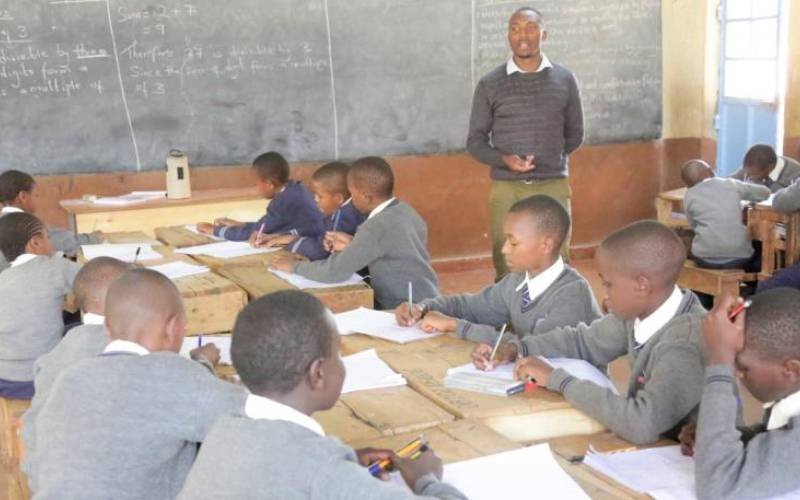
Head teachers have been warned against charging lunch fees or anyother leviesstarting this year.Basic Education Principal Secretary Julius Bitok say each learner in public JSS has been allocated Sh4,193.07 as capitation for Term One of the 2026 academic year.The allocation is part of the Sh44.25 billion in capitation disbursed to public schools on January 2 to support learning under Free Primary Education, Free Day Junior SecondaryEducation and Free Day Secondary Education.Follow The Standard
channel
on WhatsAppIn a statement released on January 6, Bitok said the timelyrelease of fundsis expected to stabilise learning under the Competency-Based Curriculum (CBC) and ease the financial burden on parents.According to the ministry, the Free Day Junior Secondary Education was allocated Sh14.46 billion.For junior secondary schools, the per-learner capitation has been distributed across several vote heads with the tuition account, Sh1,928.10 was allocated for reference materials.A total of Sh2,047.71 per learner was earmarked for repairs, maintenance and improvement of physical facilities, administration costs, co-curricular activities, local transport andtravel, and medical insurance. Another Sh1,049.69 will cater for laboratory materials, CBC practical materials, assessments and stationery.The government retained Sh250 for co-curricular activities, Sh50 for capacity building, and Sh795.67 for textbooks and supplementary readers through the Kenya Institute of Curriculum Development (KICD).In addition to the per-learner allocation, each junior school received abasic allocationof Sh92,490.33. Of this amount, Sh90,562.23 was deposited into the operations account to support essential running costs.These include Sh22,937.23 for postage, telephone charges, rental boxes, Board of Management (BoM) meetings and capacity building, Sh3,000 for electricity, water andconservancy, Sh9,375 for internet connectivity and Sh55,250 for personal emoluments.PS Bitok said the disbursement was based on verified enrolment data drawn from the National Education Management Information System (NEMIS). The data was extracted onApril 24, 2025 and later verified by school heads and Sub-County Directors of Education (SCDEs) on September 1, 2025.Stay informed. Subscribe to our newsletterBy clicking on theSIGN UPbutton, you agree to ourTerms & Conditionsand thePrivacy PolicySIGN UP“This process ensures accuracy, accountability and fairness in the allocation of public funds,” Bitok said.Stay Informed, Stay Empowered: Download the Standard ePaper App!He directed school heads to utilise the funds prudently, warning that each head of institution is the accounting officer responsible for proper application and utilisation of the resources.“Every head of institution shall be responsible for the application and utilisation of funds as the accounting officer of the school,” he said.School heads have also been instructed to formally acknowledge receipt of the funds by issuing official school receipts to the Principal Secretary, Basic Education, with copiesforwarded to Sub-County and County Directors of Education.Learners must also be issued with official receipts, with signed class lists attached to payment vouchers for audit purposes.Schools that missed out on the disbursement due to failure tosubmit dataor submission of incorrect information will receive their funds once the details are corrected andverified. Affected head teachers have been directed to resubmit accurate data and formally notify the office of the Principal Secretary.County Directors of Education have been directed to circulate the guidelines to all public junior schools to ensure full compliance, as the government continues to entrench free and compulsory basic education under the CBC framework.On Monday, Education Cabinet Secretary Julius Ogamba said the early release of capitation funds was deliberate and aimed at ensuring a smooth and disruption-free opening of schools.“The release of capitation funds will facilitate the seamless conduct of school activities in the new term, starting on January 5, 2026. This is part of the government’s unwavering commitment to ensuring that no learner is left behind,” Ogamba said.Follow The Standard
channel
on WhatsApp
Basic Education Principal Secretary Julius Bitok say each learner in public JSS has been allocated Sh4,193.07 as capitation for Term One of the 2026 academic year.The allocation is part of the Sh44.25 billion in capitation disbursed to public schools on January 2 to support learning under Free Primary Education, Free Day Junior SecondaryEducation and Free Day Secondary Education.Follow The Standard
channel
on WhatsAppIn a statement released on January 6, Bitok said the timelyrelease of fundsis expected to stabilise learning under the Competency-Based Curriculum (CBC) and ease the financial burden on parents.According to the ministry, the Free Day Junior Secondary Education was allocated Sh14.46 billion.For junior secondary schools, the per-learner capitation has been distributed across several vote heads with the tuition account, Sh1,928.10 was allocated for reference materials.A total of Sh2,047.71 per learner was earmarked for repairs, maintenance and improvement of physical facilities, administration costs, co-curricular activities, local transport andtravel, and medical insurance. Another Sh1,049.69 will cater for laboratory materials, CBC practical materials, assessments and stationery.The government retained Sh250 for co-curricular activities, Sh50 for capacity building, and Sh795.67 for textbooks and supplementary readers through the Kenya Institute of Curriculum Development (KICD).In addition to the per-learner allocation, each junior school received abasic allocationof Sh92,490.33. Of this amount, Sh90,562.23 was deposited into the operations account to support essential running costs.These include Sh22,937.23 for postage, telephone charges, rental boxes, Board of Management (BoM) meetings and capacity building, Sh3,000 for electricity, water andconservancy, Sh9,375 for internet connectivity and Sh55,250 for personal emoluments.PS Bitok said the disbursement was based on verified enrolment data drawn from the National Education Management Information System (NEMIS). The data was extracted onApril 24, 2025 and later verified by school heads and Sub-County Directors of Education (SCDEs) on September 1, 2025.Stay informed. Subscribe to our newsletterBy clicking on theSIGN UPbutton, you agree to ourTerms & Conditionsand thePrivacy PolicySIGN UP“This process ensures accuracy, accountability and fairness in the allocation of public funds,” Bitok said.Stay Informed, Stay Empowered: Download the Standard ePaper App!He directed school heads to utilise the funds prudently, warning that each head of institution is the accounting officer responsible for proper application and utilisation of the resources.“Every head of institution shall be responsible for the application and utilisation of funds as the accounting officer of the school,” he said.School heads have also been instructed to formally acknowledge receipt of the funds by issuing official school receipts to the Principal Secretary, Basic Education, with copiesforwarded to Sub-County and County Directors of Education.Learners must also be issued with official receipts, with signed class lists attached to payment vouchers for audit purposes.Schools that missed out on the disbursement due to failure tosubmit dataor submission of incorrect information will receive their funds once the details are corrected andverified. Affected head teachers have been directed to resubmit accurate data and formally notify the office of the Principal Secretary.County Directors of Education have been directed to circulate the guidelines to all public junior schools to ensure full compliance, as the government continues to entrench free and compulsory basic education under the CBC framework.On Monday, Education Cabinet Secretary Julius Ogamba said the early release of capitation funds was deliberate and aimed at ensuring a smooth and disruption-free opening of schools.“The release of capitation funds will facilitate the seamless conduct of school activities in the new term, starting on January 5, 2026. This is part of the government’s unwavering commitment to ensuring that no learner is left behind,” Ogamba said.Follow The Standard
channel
on WhatsApp
The allocation is part of the Sh44.25 billion in capitation disbursed to public schools on January 2 to support learning under Free Primary Education, Free Day Junior SecondaryEducation and Free Day Secondary Education.Follow The Standard
channel
on WhatsAppIn a statement released on January 6, Bitok said the timelyrelease of fundsis expected to stabilise learning under the Competency-Based Curriculum (CBC) and ease the financial burden on parents.According to the ministry, the Free Day Junior Secondary Education was allocated Sh14.46 billion.For junior secondary schools, the per-learner capitation has been distributed across several vote heads with the tuition account, Sh1,928.10 was allocated for reference materials.A total of Sh2,047.71 per learner was earmarked for repairs, maintenance and improvement of physical facilities, administration costs, co-curricular activities, local transport andtravel, and medical insurance. Another Sh1,049.69 will cater for laboratory materials, CBC practical materials, assessments and stationery.The government retained Sh250 for co-curricular activities, Sh50 for capacity building, and Sh795.67 for textbooks and supplementary readers through the Kenya Institute of Curriculum Development (KICD).In addition to the per-learner allocation, each junior school received abasic allocationof Sh92,490.33. Of this amount, Sh90,562.23 was deposited into the operations account to support essential running costs.These include Sh22,937.23 for postage, telephone charges, rental boxes, Board of Management (BoM) meetings and capacity building, Sh3,000 for electricity, water andconservancy, Sh9,375 for internet connectivity and Sh55,250 for personal emoluments.PS Bitok said the disbursement was based on verified enrolment data drawn from the National Education Management Information System (NEMIS). The data was extracted onApril 24, 2025 and later verified by school heads and Sub-County Directors of Education (SCDEs) on September 1, 2025.Stay informed. Subscribe to our newsletterBy clicking on theSIGN UPbutton, you agree to ourTerms & Conditionsand thePrivacy PolicySIGN UP“This process ensures accuracy, accountability and fairness in the allocation of public funds,” Bitok said.Stay Informed, Stay Empowered: Download the Standard ePaper App!He directed school heads to utilise the funds prudently, warning that each head of institution is the accounting officer responsible for proper application and utilisation of the resources.“Every head of institution shall be responsible for the application and utilisation of funds as the accounting officer of the school,” he said.School heads have also been instructed to formally acknowledge receipt of the funds by issuing official school receipts to the Principal Secretary, Basic Education, with copiesforwarded to Sub-County and County Directors of Education.Learners must also be issued with official receipts, with signed class lists attached to payment vouchers for audit purposes.Schools that missed out on the disbursement due to failure tosubmit dataor submission of incorrect information will receive their funds once the details are corrected andverified. Affected head teachers have been directed to resubmit accurate data and formally notify the office of the Principal Secretary.County Directors of Education have been directed to circulate the guidelines to all public junior schools to ensure full compliance, as the government continues to entrench free and compulsory basic education under the CBC framework.On Monday, Education Cabinet Secretary Julius Ogamba said the early release of capitation funds was deliberate and aimed at ensuring a smooth and disruption-free opening of schools.“The release of capitation funds will facilitate the seamless conduct of school activities in the new term, starting on January 5, 2026. This is part of the government’s unwavering commitment to ensuring that no learner is left behind,” Ogamba said.Follow The Standard
channel
on WhatsApp
Education and Free Day Secondary Education.Follow The Standard
channel
on WhatsAppIn a statement released on January 6, Bitok said the timelyrelease of fundsis expected to stabilise learning under the Competency-Based Curriculum (CBC) and ease the financial burden on parents.According to the ministry, the Free Day Junior Secondary Education was allocated Sh14.46 billion.For junior secondary schools, the per-learner capitation has been distributed across several vote heads with the tuition account, Sh1,928.10 was allocated for reference materials.A total of Sh2,047.71 per learner was earmarked for repairs, maintenance and improvement of physical facilities, administration costs, co-curricular activities, local transport andtravel, and medical insurance. Another Sh1,049.69 will cater for laboratory materials, CBC practical materials, assessments and stationery.The government retained Sh250 for co-curricular activities, Sh50 for capacity building, and Sh795.67 for textbooks and supplementary readers through the Kenya Institute of Curriculum Development (KICD).In addition to the per-learner allocation, each junior school received abasic allocationof Sh92,490.33. Of this amount, Sh90,562.23 was deposited into the operations account to support essential running costs.These include Sh22,937.23 for postage, telephone charges, rental boxes, Board of Management (BoM) meetings and capacity building, Sh3,000 for electricity, water andconservancy, Sh9,375 for internet connectivity and Sh55,250 for personal emoluments.PS Bitok said the disbursement was based on verified enrolment data drawn from the National Education Management Information System (NEMIS). The data was extracted onApril 24, 2025 and later verified by school heads and Sub-County Directors of Education (SCDEs) on September 1, 2025.Stay informed. Subscribe to our newsletterBy clicking on theSIGN UPbutton, you agree to ourTerms & Conditionsand thePrivacy PolicySIGN UP“This process ensures accuracy, accountability and fairness in the allocation of public funds,” Bitok said.Stay Informed, Stay Empowered: Download the Standard ePaper App!He directed school heads to utilise the funds prudently, warning that each head of institution is the accounting officer responsible for proper application and utilisation of the resources.“Every head of institution shall be responsible for the application and utilisation of funds as the accounting officer of the school,” he said.School heads have also been instructed to formally acknowledge receipt of the funds by issuing official school receipts to the Principal Secretary, Basic Education, with copiesforwarded to Sub-County and County Directors of Education.Learners must also be issued with official receipts, with signed class lists attached to payment vouchers for audit purposes.Schools that missed out on the disbursement due to failure tosubmit dataor submission of incorrect information will receive their funds once the details are corrected andverified. Affected head teachers have been directed to resubmit accurate data and formally notify the office of the Principal Secretary.County Directors of Education have been directed to circulate the guidelines to all public junior schools to ensure full compliance, as the government continues to entrench free and compulsory basic education under the CBC framework.On Monday, Education Cabinet Secretary Julius Ogamba said the early release of capitation funds was deliberate and aimed at ensuring a smooth and disruption-free opening of schools.“The release of capitation funds will facilitate the seamless conduct of school activities in the new term, starting on January 5, 2026. This is part of the government’s unwavering commitment to ensuring that no learner is left behind,” Ogamba said.Follow The Standard
channel
on WhatsApp
In a statement released on January 6, Bitok said the timelyrelease of fundsis expected to stabilise learning under the Competency-Based Curriculum (CBC) and ease the financial burden on parents.According to the ministry, the Free Day Junior Secondary Education was allocated Sh14.46 billion.For junior secondary schools, the per-learner capitation has been distributed across several vote heads with the tuition account, Sh1,928.10 was allocated for reference materials.A total of Sh2,047.71 per learner was earmarked for repairs, maintenance and improvement of physical facilities, administration costs, co-curricular activities, local transport andtravel, and medical insurance. Another Sh1,049.69 will cater for laboratory materials, CBC practical materials, assessments and stationery.The government retained Sh250 for co-curricular activities, Sh50 for capacity building, and Sh795.67 for textbooks and supplementary readers through the Kenya Institute of Curriculum Development (KICD).In addition to the per-learner allocation, each junior school received abasic allocationof Sh92,490.33. Of this amount, Sh90,562.23 was deposited into the operations account to support essential running costs.These include Sh22,937.23 for postage, telephone charges, rental boxes, Board of Management (BoM) meetings and capacity building, Sh3,000 for electricity, water andconservancy, Sh9,375 for internet connectivity and Sh55,250 for personal emoluments.PS Bitok said the disbursement was based on verified enrolment data drawn from the National Education Management Information System (NEMIS). The data was extracted onApril 24, 2025 and later verified by school heads and Sub-County Directors of Education (SCDEs) on September 1, 2025.Stay informed. Subscribe to our newsletterBy clicking on theSIGN UPbutton, you agree to ourTerms & Conditionsand thePrivacy PolicySIGN UP“This process ensures accuracy, accountability and fairness in the allocation of public funds,” Bitok said.Stay Informed, Stay Empowered: Download the Standard ePaper App!He directed school heads to utilise the funds prudently, warning that each head of institution is the accounting officer responsible for proper application and utilisation of the resources.“Every head of institution shall be responsible for the application and utilisation of funds as the accounting officer of the school,” he said.School heads have also been instructed to formally acknowledge receipt of the funds by issuing official school receipts to the Principal Secretary, Basic Education, with copiesforwarded to Sub-County and County Directors of Education.Learners must also be issued with official receipts, with signed class lists attached to payment vouchers for audit purposes.Schools that missed out on the disbursement due to failure tosubmit dataor submission of incorrect information will receive their funds once the details are corrected andverified. Affected head teachers have been directed to resubmit accurate data and formally notify the office of the Principal Secretary.County Directors of Education have been directed to circulate the guidelines to all public junior schools to ensure full compliance, as the government continues to entrench free and compulsory basic education under the CBC framework.On Monday, Education Cabinet Secretary Julius Ogamba said the early release of capitation funds was deliberate and aimed at ensuring a smooth and disruption-free opening of schools.“The release of capitation funds will facilitate the seamless conduct of school activities in the new term, starting on January 5, 2026. This is part of the government’s unwavering commitment to ensuring that no learner is left behind,” Ogamba said.Follow The Standard
channel
on WhatsApp
According to the ministry, the Free Day Junior Secondary Education was allocated Sh14.46 billion.For junior secondary schools, the per-learner capitation has been distributed across several vote heads with the tuition account, Sh1,928.10 was allocated for reference materials.A total of Sh2,047.71 per learner was earmarked for repairs, maintenance and improvement of physical facilities, administration costs, co-curricular activities, local transport andtravel, and medical insurance. Another Sh1,049.69 will cater for laboratory materials, CBC practical materials, assessments and stationery.The government retained Sh250 for co-curricular activities, Sh50 for capacity building, and Sh795.67 for textbooks and supplementary readers through the Kenya Institute of Curriculum Development (KICD).In addition to the per-learner allocation, each junior school received abasic allocationof Sh92,490.33. Of this amount, Sh90,562.23 was deposited into the operations account to support essential running costs.These include Sh22,937.23 for postage, telephone charges, rental boxes, Board of Management (BoM) meetings and capacity building, Sh3,000 for electricity, water andconservancy, Sh9,375 for internet connectivity and Sh55,250 for personal emoluments.PS Bitok said the disbursement was based on verified enrolment data drawn from the National Education Management Information System (NEMIS). The data was extracted onApril 24, 2025 and later verified by school heads and Sub-County Directors of Education (SCDEs) on September 1, 2025.Stay informed. Subscribe to our newsletterBy clicking on theSIGN UPbutton, you agree to ourTerms & Conditionsand thePrivacy PolicySIGN UP“This process ensures accuracy, accountability and fairness in the allocation of public funds,” Bitok said.Stay Informed, Stay Empowered: Download the Standard ePaper App!He directed school heads to utilise the funds prudently, warning that each head of institution is the accounting officer responsible for proper application and utilisation of the resources.“Every head of institution shall be responsible for the application and utilisation of funds as the accounting officer of the school,” he said.School heads have also been instructed to formally acknowledge receipt of the funds by issuing official school receipts to the Principal Secretary, Basic Education, with copiesforwarded to Sub-County and County Directors of Education.Learners must also be issued with official receipts, with signed class lists attached to payment vouchers for audit purposes.Schools that missed out on the disbursement due to failure tosubmit dataor submission of incorrect information will receive their funds once the details are corrected andverified. Affected head teachers have been directed to resubmit accurate data and formally notify the office of the Principal Secretary.County Directors of Education have been directed to circulate the guidelines to all public junior schools to ensure full compliance, as the government continues to entrench free and compulsory basic education under the CBC framework.On Monday, Education Cabinet Secretary Julius Ogamba said the early release of capitation funds was deliberate and aimed at ensuring a smooth and disruption-free opening of schools.“The release of capitation funds will facilitate the seamless conduct of school activities in the new term, starting on January 5, 2026. This is part of the government’s unwavering commitment to ensuring that no learner is left behind,” Ogamba said.Follow The Standard
channel
on WhatsApp
For junior secondary schools, the per-learner capitation has been distributed across several vote heads with the tuition account, Sh1,928.10 was allocated for reference materials.A total of Sh2,047.71 per learner was earmarked for repairs, maintenance and improvement of physical facilities, administration costs, co-curricular activities, local transport andtravel, and medical insurance. Another Sh1,049.69 will cater for laboratory materials, CBC practical materials, assessments and stationery.The government retained Sh250 for co-curricular activities, Sh50 for capacity building, and Sh795.67 for textbooks and supplementary readers through the Kenya Institute of Curriculum Development (KICD).In addition to the per-learner allocation, each junior school received abasic allocationof Sh92,490.33. Of this amount, Sh90,562.23 was deposited into the operations account to support essential running costs.These include Sh22,937.23 for postage, telephone charges, rental boxes, Board of Management (BoM) meetings and capacity building, Sh3,000 for electricity, water andconservancy, Sh9,375 for internet connectivity and Sh55,250 for personal emoluments.PS Bitok said the disbursement was based on verified enrolment data drawn from the National Education Management Information System (NEMIS). The data was extracted onApril 24, 2025 and later verified by school heads and Sub-County Directors of Education (SCDEs) on September 1, 2025.Stay informed. Subscribe to our newsletterBy clicking on theSIGN UPbutton, you agree to ourTerms & Conditionsand thePrivacy PolicySIGN UP“This process ensures accuracy, accountability and fairness in the allocation of public funds,” Bitok said.Stay Informed, Stay Empowered: Download the Standard ePaper App!He directed school heads to utilise the funds prudently, warning that each head of institution is the accounting officer responsible for proper application and utilisation of the resources.“Every head of institution shall be responsible for the application and utilisation of funds as the accounting officer of the school,” he said.School heads have also been instructed to formally acknowledge receipt of the funds by issuing official school receipts to the Principal Secretary, Basic Education, with copiesforwarded to Sub-County and County Directors of Education.Learners must also be issued with official receipts, with signed class lists attached to payment vouchers for audit purposes.Schools that missed out on the disbursement due to failure tosubmit dataor submission of incorrect information will receive their funds once the details are corrected andverified. Affected head teachers have been directed to resubmit accurate data and formally notify the office of the Principal Secretary.County Directors of Education have been directed to circulate the guidelines to all public junior schools to ensure full compliance, as the government continues to entrench free and compulsory basic education under the CBC framework.On Monday, Education Cabinet Secretary Julius Ogamba said the early release of capitation funds was deliberate and aimed at ensuring a smooth and disruption-free opening of schools.“The release of capitation funds will facilitate the seamless conduct of school activities in the new term, starting on January 5, 2026. This is part of the government’s unwavering commitment to ensuring that no learner is left behind,” Ogamba said.Follow The Standard
channel
on WhatsApp
A total of Sh2,047.71 per learner was earmarked for repairs, maintenance and improvement of physical facilities, administration costs, co-curricular activities, local transport andtravel, and medical insurance. Another Sh1,049.69 will cater for laboratory materials, CBC practical materials, assessments and stationery.The government retained Sh250 for co-curricular activities, Sh50 for capacity building, and Sh795.67 for textbooks and supplementary readers through the Kenya Institute of Curriculum Development (KICD).In addition to the per-learner allocation, each junior school received abasic allocationof Sh92,490.33. Of this amount, Sh90,562.23 was deposited into the operations account to support essential running costs.These include Sh22,937.23 for postage, telephone charges, rental boxes, Board of Management (BoM) meetings and capacity building, Sh3,000 for electricity, water andconservancy, Sh9,375 for internet connectivity and Sh55,250 for personal emoluments.PS Bitok said the disbursement was based on verified enrolment data drawn from the National Education Management Information System (NEMIS). The data was extracted onApril 24, 2025 and later verified by school heads and Sub-County Directors of Education (SCDEs) on September 1, 2025.Stay informed. Subscribe to our newsletterBy clicking on theSIGN UPbutton, you agree to ourTerms & Conditionsand thePrivacy PolicySIGN UP“This process ensures accuracy, accountability and fairness in the allocation of public funds,” Bitok said.Stay Informed, Stay Empowered: Download the Standard ePaper App!He directed school heads to utilise the funds prudently, warning that each head of institution is the accounting officer responsible for proper application and utilisation of the resources.“Every head of institution shall be responsible for the application and utilisation of funds as the accounting officer of the school,” he said.School heads have also been instructed to formally acknowledge receipt of the funds by issuing official school receipts to the Principal Secretary, Basic Education, with copiesforwarded to Sub-County and County Directors of Education.Learners must also be issued with official receipts, with signed class lists attached to payment vouchers for audit purposes.Schools that missed out on the disbursement due to failure tosubmit dataor submission of incorrect information will receive their funds once the details are corrected andverified. Affected head teachers have been directed to resubmit accurate data and formally notify the office of the Principal Secretary.County Directors of Education have been directed to circulate the guidelines to all public junior schools to ensure full compliance, as the government continues to entrench free and compulsory basic education under the CBC framework.On Monday, Education Cabinet Secretary Julius Ogamba said the early release of capitation funds was deliberate and aimed at ensuring a smooth and disruption-free opening of schools.“The release of capitation funds will facilitate the seamless conduct of school activities in the new term, starting on January 5, 2026. This is part of the government’s unwavering commitment to ensuring that no learner is left behind,” Ogamba said.Follow The Standard
channel
on WhatsApp
travel, and medical insurance. Another Sh1,049.69 will cater for laboratory materials, CBC practical materials, assessments and stationery.The government retained Sh250 for co-curricular activities, Sh50 for capacity building, and Sh795.67 for textbooks and supplementary readers through the Kenya Institute of Curriculum Development (KICD).In addition to the per-learner allocation, each junior school received abasic allocationof Sh92,490.33. Of this amount, Sh90,562.23 was deposited into the operations account to support essential running costs.These include Sh22,937.23 for postage, telephone charges, rental boxes, Board of Management (BoM) meetings and capacity building, Sh3,000 for electricity, water andconservancy, Sh9,375 for internet connectivity and Sh55,250 for personal emoluments.PS Bitok said the disbursement was based on verified enrolment data drawn from the National Education Management Information System (NEMIS). The data was extracted onApril 24, 2025 and later verified by school heads and Sub-County Directors of Education (SCDEs) on September 1, 2025.Stay informed. Subscribe to our newsletterBy clicking on theSIGN UPbutton, you agree to ourTerms & Conditionsand thePrivacy PolicySIGN UP“This process ensures accuracy, accountability and fairness in the allocation of public funds,” Bitok said.Stay Informed, Stay Empowered: Download the Standard ePaper App!He directed school heads to utilise the funds prudently, warning that each head of institution is the accounting officer responsible for proper application and utilisation of the resources.“Every head of institution shall be responsible for the application and utilisation of funds as the accounting officer of the school,” he said.School heads have also been instructed to formally acknowledge receipt of the funds by issuing official school receipts to the Principal Secretary, Basic Education, with copiesforwarded to Sub-County and County Directors of Education.Learners must also be issued with official receipts, with signed class lists attached to payment vouchers for audit purposes.Schools that missed out on the disbursement due to failure tosubmit dataor submission of incorrect information will receive their funds once the details are corrected andverified. Affected head teachers have been directed to resubmit accurate data and formally notify the office of the Principal Secretary.County Directors of Education have been directed to circulate the guidelines to all public junior schools to ensure full compliance, as the government continues to entrench free and compulsory basic education under the CBC framework.On Monday, Education Cabinet Secretary Julius Ogamba said the early release of capitation funds was deliberate and aimed at ensuring a smooth and disruption-free opening of schools.“The release of capitation funds will facilitate the seamless conduct of school activities in the new term, starting on January 5, 2026. This is part of the government’s unwavering commitment to ensuring that no learner is left behind,” Ogamba said.Follow The Standard
channel
on WhatsApp
The government retained Sh250 for co-curricular activities, Sh50 for capacity building, and Sh795.67 for textbooks and supplementary readers through the Kenya Institute of Curriculum Development (KICD).In addition to the per-learner allocation, each junior school received abasic allocationof Sh92,490.33. Of this amount, Sh90,562.23 was deposited into the operations account to support essential running costs.These include Sh22,937.23 for postage, telephone charges, rental boxes, Board of Management (BoM) meetings and capacity building, Sh3,000 for electricity, water andconservancy, Sh9,375 for internet connectivity and Sh55,250 for personal emoluments.PS Bitok said the disbursement was based on verified enrolment data drawn from the National Education Management Information System (NEMIS). The data was extracted onApril 24, 2025 and later verified by school heads and Sub-County Directors of Education (SCDEs) on September 1, 2025.Stay informed. Subscribe to our newsletterBy clicking on theSIGN UPbutton, you agree to ourTerms & Conditionsand thePrivacy PolicySIGN UP“This process ensures accuracy, accountability and fairness in the allocation of public funds,” Bitok said.Stay Informed, Stay Empowered: Download the Standard ePaper App!He directed school heads to utilise the funds prudently, warning that each head of institution is the accounting officer responsible for proper application and utilisation of the resources.“Every head of institution shall be responsible for the application and utilisation of funds as the accounting officer of the school,” he said.School heads have also been instructed to formally acknowledge receipt of the funds by issuing official school receipts to the Principal Secretary, Basic Education, with copiesforwarded to Sub-County and County Directors of Education.Learners must also be issued with official receipts, with signed class lists attached to payment vouchers for audit purposes.Schools that missed out on the disbursement due to failure tosubmit dataor submission of incorrect information will receive their funds once the details are corrected andverified. Affected head teachers have been directed to resubmit accurate data and formally notify the office of the Principal Secretary.County Directors of Education have been directed to circulate the guidelines to all public junior schools to ensure full compliance, as the government continues to entrench free and compulsory basic education under the CBC framework.On Monday, Education Cabinet Secretary Julius Ogamba said the early release of capitation funds was deliberate and aimed at ensuring a smooth and disruption-free opening of schools.“The release of capitation funds will facilitate the seamless conduct of school activities in the new term, starting on January 5, 2026. This is part of the government’s unwavering commitment to ensuring that no learner is left behind,” Ogamba said.Follow The Standard
channel
on WhatsApp
In addition to the per-learner allocation, each junior school received abasic allocationof Sh92,490.33. Of this amount, Sh90,562.23 was deposited into the operations account to support essential running costs.These include Sh22,937.23 for postage, telephone charges, rental boxes, Board of Management (BoM) meetings and capacity building, Sh3,000 for electricity, water andconservancy, Sh9,375 for internet connectivity and Sh55,250 for personal emoluments.PS Bitok said the disbursement was based on verified enrolment data drawn from the National Education Management Information System (NEMIS). The data was extracted onApril 24, 2025 and later verified by school heads and Sub-County Directors of Education (SCDEs) on September 1, 2025.Stay informed. Subscribe to our newsletterBy clicking on theSIGN UPbutton, you agree to ourTerms & Conditionsand thePrivacy PolicySIGN UP“This process ensures accuracy, accountability and fairness in the allocation of public funds,” Bitok said.Stay Informed, Stay Empowered: Download the Standard ePaper App!He directed school heads to utilise the funds prudently, warning that each head of institution is the accounting officer responsible for proper application and utilisation of the resources.“Every head of institution shall be responsible for the application and utilisation of funds as the accounting officer of the school,” he said.School heads have also been instructed to formally acknowledge receipt of the funds by issuing official school receipts to the Principal Secretary, Basic Education, with copiesforwarded to Sub-County and County Directors of Education.Learners must also be issued with official receipts, with signed class lists attached to payment vouchers for audit purposes.Schools that missed out on the disbursement due to failure tosubmit dataor submission of incorrect information will receive their funds once the details are corrected andverified. Affected head teachers have been directed to resubmit accurate data and formally notify the office of the Principal Secretary.County Directors of Education have been directed to circulate the guidelines to all public junior schools to ensure full compliance, as the government continues to entrench free and compulsory basic education under the CBC framework.On Monday, Education Cabinet Secretary Julius Ogamba said the early release of capitation funds was deliberate and aimed at ensuring a smooth and disruption-free opening of schools.“The release of capitation funds will facilitate the seamless conduct of school activities in the new term, starting on January 5, 2026. This is part of the government’s unwavering commitment to ensuring that no learner is left behind,” Ogamba said.Follow The Standard
channel
on WhatsApp
These include Sh22,937.23 for postage, telephone charges, rental boxes, Board of Management (BoM) meetings and capacity building, Sh3,000 for electricity, water andconservancy, Sh9,375 for internet connectivity and Sh55,250 for personal emoluments.PS Bitok said the disbursement was based on verified enrolment data drawn from the National Education Management Information System (NEMIS). The data was extracted onApril 24, 2025 and later verified by school heads and Sub-County Directors of Education (SCDEs) on September 1, 2025.Stay informed. Subscribe to our newsletterBy clicking on theSIGN UPbutton, you agree to ourTerms & Conditionsand thePrivacy PolicySIGN UP“This process ensures accuracy, accountability and fairness in the allocation of public funds,” Bitok said.Stay Informed, Stay Empowered: Download the Standard ePaper App!He directed school heads to utilise the funds prudently, warning that each head of institution is the accounting officer responsible for proper application and utilisation of the resources.“Every head of institution shall be responsible for the application and utilisation of funds as the accounting officer of the school,” he said.School heads have also been instructed to formally acknowledge receipt of the funds by issuing official school receipts to the Principal Secretary, Basic Education, with copiesforwarded to Sub-County and County Directors of Education.Learners must also be issued with official receipts, with signed class lists attached to payment vouchers for audit purposes.Schools that missed out on the disbursement due to failure tosubmit dataor submission of incorrect information will receive their funds once the details are corrected andverified. Affected head teachers have been directed to resubmit accurate data and formally notify the office of the Principal Secretary.County Directors of Education have been directed to circulate the guidelines to all public junior schools to ensure full compliance, as the government continues to entrench free and compulsory basic education under the CBC framework.On Monday, Education Cabinet Secretary Julius Ogamba said the early release of capitation funds was deliberate and aimed at ensuring a smooth and disruption-free opening of schools.“The release of capitation funds will facilitate the seamless conduct of school activities in the new term, starting on January 5, 2026. This is part of the government’s unwavering commitment to ensuring that no learner is left behind,” Ogamba said.Follow The Standard
channel
on WhatsApp
conservancy, Sh9,375 for internet connectivity and Sh55,250 for personal emoluments.PS Bitok said the disbursement was based on verified enrolment data drawn from the National Education Management Information System (NEMIS). The data was extracted onApril 24, 2025 and later verified by school heads and Sub-County Directors of Education (SCDEs) on September 1, 2025.Stay informed. Subscribe to our newsletterBy clicking on theSIGN UPbutton, you agree to ourTerms & Conditionsand thePrivacy PolicySIGN UP“This process ensures accuracy, accountability and fairness in the allocation of public funds,” Bitok said.Stay Informed, Stay Empowered: Download the Standard ePaper App!He directed school heads to utilise the funds prudently, warning that each head of institution is the accounting officer responsible for proper application and utilisation of the resources.“Every head of institution shall be responsible for the application and utilisation of funds as the accounting officer of the school,” he said.School heads have also been instructed to formally acknowledge receipt of the funds by issuing official school receipts to the Principal Secretary, Basic Education, with copiesforwarded to Sub-County and County Directors of Education.Learners must also be issued with official receipts, with signed class lists attached to payment vouchers for audit purposes.Schools that missed out on the disbursement due to failure tosubmit dataor submission of incorrect information will receive their funds once the details are corrected andverified. Affected head teachers have been directed to resubmit accurate data and formally notify the office of the Principal Secretary.County Directors of Education have been directed to circulate the guidelines to all public junior schools to ensure full compliance, as the government continues to entrench free and compulsory basic education under the CBC framework.On Monday, Education Cabinet Secretary Julius Ogamba said the early release of capitation funds was deliberate and aimed at ensuring a smooth and disruption-free opening of schools.“The release of capitation funds will facilitate the seamless conduct of school activities in the new term, starting on January 5, 2026. This is part of the government’s unwavering commitment to ensuring that no learner is left behind,” Ogamba said.Follow The Standard
channel
on WhatsApp
PS Bitok said the disbursement was based on verified enrolment data drawn from the National Education Management Information System (NEMIS). The data was extracted onApril 24, 2025 and later verified by school heads and Sub-County Directors of Education (SCDEs) on September 1, 2025.Stay informed. Subscribe to our newsletterBy clicking on theSIGN UPbutton, you agree to ourTerms & Conditionsand thePrivacy PolicySIGN UP“This process ensures accuracy, accountability and fairness in the allocation of public funds,” Bitok said.Stay Informed, Stay Empowered: Download the Standard ePaper App!He directed school heads to utilise the funds prudently, warning that each head of institution is the accounting officer responsible for proper application and utilisation of the resources.“Every head of institution shall be responsible for the application and utilisation of funds as the accounting officer of the school,” he said.School heads have also been instructed to formally acknowledge receipt of the funds by issuing official school receipts to the Principal Secretary, Basic Education, with copiesforwarded to Sub-County and County Directors of Education.Learners must also be issued with official receipts, with signed class lists attached to payment vouchers for audit purposes.Schools that missed out on the disbursement due to failure tosubmit dataor submission of incorrect information will receive their funds once the details are corrected andverified. Affected head teachers have been directed to resubmit accurate data and formally notify the office of the Principal Secretary.County Directors of Education have been directed to circulate the guidelines to all public junior schools to ensure full compliance, as the government continues to entrench free and compulsory basic education under the CBC framework.On Monday, Education Cabinet Secretary Julius Ogamba said the early release of capitation funds was deliberate and aimed at ensuring a smooth and disruption-free opening of schools.“The release of capitation funds will facilitate the seamless conduct of school activities in the new term, starting on January 5, 2026. This is part of the government’s unwavering commitment to ensuring that no learner is left behind,” Ogamba said.Follow The Standard
channel
on WhatsApp
April 24, 2025 and later verified by school heads and Sub-County Directors of Education (SCDEs) on September 1, 2025.Stay informed. Subscribe to our newsletterBy clicking on theSIGN UPbutton, you agree to ourTerms & Conditionsand thePrivacy PolicySIGN UP“This process ensures accuracy, accountability and fairness in the allocation of public funds,” Bitok said.Stay Informed, Stay Empowered: Download the Standard ePaper App!He directed school heads to utilise the funds prudently, warning that each head of institution is the accounting officer responsible for proper application and utilisation of the resources.“Every head of institution shall be responsible for the application and utilisation of funds as the accounting officer of the school,” he said.School heads have also been instructed to formally acknowledge receipt of the funds by issuing official school receipts to the Principal Secretary, Basic Education, with copiesforwarded to Sub-County and County Directors of Education.Learners must also be issued with official receipts, with signed class lists attached to payment vouchers for audit purposes.Schools that missed out on the disbursement due to failure tosubmit dataor submission of incorrect information will receive their funds once the details are corrected andverified. Affected head teachers have been directed to resubmit accurate data and formally notify the office of the Principal Secretary.County Directors of Education have been directed to circulate the guidelines to all public junior schools to ensure full compliance, as the government continues to entrench free and compulsory basic education under the CBC framework.On Monday, Education Cabinet Secretary Julius Ogamba said the early release of capitation funds was deliberate and aimed at ensuring a smooth and disruption-free opening of schools.“The release of capitation funds will facilitate the seamless conduct of school activities in the new term, starting on January 5, 2026. This is part of the government’s unwavering commitment to ensuring that no learner is left behind,” Ogamba said.Follow The Standard
channel
on WhatsApp
“This process ensures accuracy, accountability and fairness in the allocation of public funds,” Bitok said.Stay Informed, Stay Empowered: Download the Standard ePaper App!He directed school heads to utilise the funds prudently, warning that each head of institution is the accounting officer responsible for proper application and utilisation of the resources.“Every head of institution shall be responsible for the application and utilisation of funds as the accounting officer of the school,” he said.School heads have also been instructed to formally acknowledge receipt of the funds by issuing official school receipts to the Principal Secretary, Basic Education, with copiesforwarded to Sub-County and County Directors of Education.Learners must also be issued with official receipts, with signed class lists attached to payment vouchers for audit purposes.Schools that missed out on the disbursement due to failure tosubmit dataor submission of incorrect information will receive their funds once the details are corrected andverified. Affected head teachers have been directed to resubmit accurate data and formally notify the office of the Principal Secretary.County Directors of Education have been directed to circulate the guidelines to all public junior schools to ensure full compliance, as the government continues to entrench free and compulsory basic education under the CBC framework.On Monday, Education Cabinet Secretary Julius Ogamba said the early release of capitation funds was deliberate and aimed at ensuring a smooth and disruption-free opening of schools.“The release of capitation funds will facilitate the seamless conduct of school activities in the new term, starting on January 5, 2026. This is part of the government’s unwavering commitment to ensuring that no learner is left behind,” Ogamba said.Follow The Standard
channel
on WhatsApp
He directed school heads to utilise the funds prudently, warning that each head of institution is the accounting officer responsible for proper application and utilisation of the resources.“Every head of institution shall be responsible for the application and utilisation of funds as the accounting officer of the school,” he said.School heads have also been instructed to formally acknowledge receipt of the funds by issuing official school receipts to the Principal Secretary, Basic Education, with copiesforwarded to Sub-County and County Directors of Education.Learners must also be issued with official receipts, with signed class lists attached to payment vouchers for audit purposes.Schools that missed out on the disbursement due to failure tosubmit dataor submission of incorrect information will receive their funds once the details are corrected andverified. Affected head teachers have been directed to resubmit accurate data and formally notify the office of the Principal Secretary.County Directors of Education have been directed to circulate the guidelines to all public junior schools to ensure full compliance, as the government continues to entrench free and compulsory basic education under the CBC framework.On Monday, Education Cabinet Secretary Julius Ogamba said the early release of capitation funds was deliberate and aimed at ensuring a smooth and disruption-free opening of schools.“The release of capitation funds will facilitate the seamless conduct of school activities in the new term, starting on January 5, 2026. This is part of the government’s unwavering commitment to ensuring that no learner is left behind,” Ogamba said.Follow The Standard
channel
on WhatsApp
“Every head of institution shall be responsible for the application and utilisation of funds as the accounting officer of the school,” he said.School heads have also been instructed to formally acknowledge receipt of the funds by issuing official school receipts to the Principal Secretary, Basic Education, with copiesforwarded to Sub-County and County Directors of Education.Learners must also be issued with official receipts, with signed class lists attached to payment vouchers for audit purposes.Schools that missed out on the disbursement due to failure tosubmit dataor submission of incorrect information will receive their funds once the details are corrected andverified. Affected head teachers have been directed to resubmit accurate data and formally notify the office of the Principal Secretary.County Directors of Education have been directed to circulate the guidelines to all public junior schools to ensure full compliance, as the government continues to entrench free and compulsory basic education under the CBC framework.On Monday, Education Cabinet Secretary Julius Ogamba said the early release of capitation funds was deliberate and aimed at ensuring a smooth and disruption-free opening of schools.“The release of capitation funds will facilitate the seamless conduct of school activities in the new term, starting on January 5, 2026. This is part of the government’s unwavering commitment to ensuring that no learner is left behind,” Ogamba said.Follow The Standard
channel
on WhatsApp
School heads have also been instructed to formally acknowledge receipt of the funds by issuing official school receipts to the Principal Secretary, Basic Education, with copiesforwarded to Sub-County and County Directors of Education.Learners must also be issued with official receipts, with signed class lists attached to payment vouchers for audit purposes.Schools that missed out on the disbursement due to failure tosubmit dataor submission of incorrect information will receive their funds once the details are corrected andverified. Affected head teachers have been directed to resubmit accurate data and formally notify the office of the Principal Secretary.County Directors of Education have been directed to circulate the guidelines to all public junior schools to ensure full compliance, as the government continues to entrench free and compulsory basic education under the CBC framework.On Monday, Education Cabinet Secretary Julius Ogamba said the early release of capitation funds was deliberate and aimed at ensuring a smooth and disruption-free opening of schools.“The release of capitation funds will facilitate the seamless conduct of school activities in the new term, starting on January 5, 2026. This is part of the government’s unwavering commitment to ensuring that no learner is left behind,” Ogamba said.Follow The Standard
channel
on WhatsApp
forwarded to Sub-County and County Directors of Education.Learners must also be issued with official receipts, with signed class lists attached to payment vouchers for audit purposes.Schools that missed out on the disbursement due to failure tosubmit dataor submission of incorrect information will receive their funds once the details are corrected andverified. Affected head teachers have been directed to resubmit accurate data and formally notify the office of the Principal Secretary.County Directors of Education have been directed to circulate the guidelines to all public junior schools to ensure full compliance, as the government continues to entrench free and compulsory basic education under the CBC framework.On Monday, Education Cabinet Secretary Julius Ogamba said the early release of capitation funds was deliberate and aimed at ensuring a smooth and disruption-free opening of schools.“The release of capitation funds will facilitate the seamless conduct of school activities in the new term, starting on January 5, 2026. This is part of the government’s unwavering commitment to ensuring that no learner is left behind,” Ogamba said.Follow The Standard
channel
on WhatsApp
Learners must also be issued with official receipts, with signed class lists attached to payment vouchers for audit purposes.Schools that missed out on the disbursement due to failure tosubmit dataor submission of incorrect information will receive their funds once the details are corrected andverified. Affected head teachers have been directed to resubmit accurate data and formally notify the office of the Principal Secretary.County Directors of Education have been directed to circulate the guidelines to all public junior schools to ensure full compliance, as the government continues to entrench free and compulsory basic education under the CBC framework.On Monday, Education Cabinet Secretary Julius Ogamba said the early release of capitation funds was deliberate and aimed at ensuring a smooth and disruption-free opening of schools.“The release of capitation funds will facilitate the seamless conduct of school activities in the new term, starting on January 5, 2026. This is part of the government’s unwavering commitment to ensuring that no learner is left behind,” Ogamba said.Follow The Standard
channel
on WhatsApp
Schools that missed out on the disbursement due to failure tosubmit dataor submission of incorrect information will receive their funds once the details are corrected andverified. Affected head teachers have been directed to resubmit accurate data and formally notify the office of the Principal Secretary.County Directors of Education have been directed to circulate the guidelines to all public junior schools to ensure full compliance, as the government continues to entrench free and compulsory basic education under the CBC framework.On Monday, Education Cabinet Secretary Julius Ogamba said the early release of capitation funds was deliberate and aimed at ensuring a smooth and disruption-free opening of schools.“The release of capitation funds will facilitate the seamless conduct of school activities in the new term, starting on January 5, 2026. This is part of the government’s unwavering commitment to ensuring that no learner is left behind,” Ogamba said.Follow The Standard
channel
on WhatsApp
verified. Affected head teachers have been directed to resubmit accurate data and formally notify the office of the Principal Secretary.County Directors of Education have been directed to circulate the guidelines to all public junior schools to ensure full compliance, as the government continues to entrench free and compulsory basic education under the CBC framework.On Monday, Education Cabinet Secretary Julius Ogamba said the early release of capitation funds was deliberate and aimed at ensuring a smooth and disruption-free opening of schools.“The release of capitation funds will facilitate the seamless conduct of school activities in the new term, starting on January 5, 2026. This is part of the government’s unwavering commitment to ensuring that no learner is left behind,” Ogamba said.Follow The Standard
channel
on WhatsApp
County Directors of Education have been directed to circulate the guidelines to all public junior schools to ensure full compliance, as the government continues to entrench free and compulsory basic education under the CBC framework.On Monday, Education Cabinet Secretary Julius Ogamba said the early release of capitation funds was deliberate and aimed at ensuring a smooth and disruption-free opening of schools.“The release of capitation funds will facilitate the seamless conduct of school activities in the new term, starting on January 5, 2026. This is part of the government’s unwavering commitment to ensuring that no learner is left behind,” Ogamba said.Follow The Standard
channel
on WhatsApp
On Monday, Education Cabinet Secretary Julius Ogamba said the early release of capitation funds was deliberate and aimed at ensuring a smooth and disruption-free opening of schools.“The release of capitation funds will facilitate the seamless conduct of school activities in the new term, starting on January 5, 2026. This is part of the government’s unwavering commitment to ensuring that no learner is left behind,” Ogamba said.Follow The Standard
channel
on WhatsApp
“The release of capitation funds will facilitate the seamless conduct of school activities in the new term, starting on January 5, 2026. This is part of the government’s unwavering commitment to ensuring that no learner is left behind,” Ogamba said.Follow The Standard
channel
on WhatsApp
Subscribe to our newsletter and stay updated on the latest developments and special
offers!
Pick your favourite topics below for a tailor made homepage just for you