
Reprieve as needy learners finally admitted after ordeal
Source: The Standard
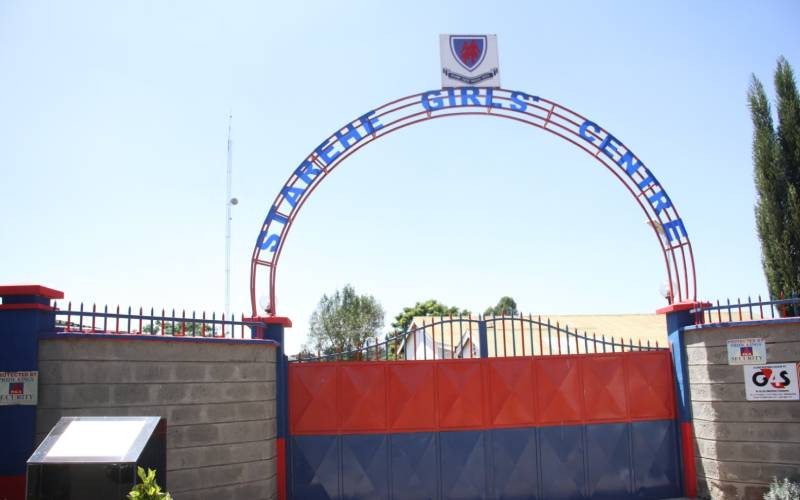
As Grade 10 admission continues, thousands of families are walking a tightrope betweendespair and hope, caught in a process that has exposed deep anxieties, hurdles and, in some cases, long-awaited moments of reprieve.For the family of Nimrod Kibet, relief came after two agonising days that sparked public outrage and renewed debate on inclusive education.Nimrod, a Grade 10 learner from Kipyosit Comprehensive School in Bomet County, had been selected to join Lenana School after scoring 45 points in the Kenya Junior School Education Assessment (KJSEA).But his admission was briefly thrown into disarray, plunging his family into fear and uncertainty.Follow The Standard
channel
on WhatsApp“We celebrated immediately his results were out. Later, the government placed him atLenana Schoolfor his senior school education. We were so proud,” recalled his mother, Sarah Chepkirui Waitage.The official placement letter confirmed his selection and instructed him to report between January 12 and 16, 2026, with the required documents, uniforms and fees.Second day of Grade 10 admission at Nyambaria High School in Nyamira County on January 13, 2026. [Sammy Omingo, Standard]Convinced their son’s future was secure, the family struggled to put together the necessary resources, spending Sh27,000 on uniforms from approved outfitters in preparation for the first reporting day.But joy quickly turned to anguish.“When we arrived on January 12 for admission, we were told he had to undergo another medical assessment to determine the level of special needs before admission,” Chepkirui said.Nimrod has a mild disability associated with cerebral palsy, a condition his mother believed would not bar him from joining Lenana School, which has an integrated special needs wing.“I was assured earlier that his condition would not deter him from joining theschool of his choice. Being turned away after meeting all requirements was devastating,” she said.The delay triggered public uproar and renewed scrutiny of how learners with disabilities are handled during the transition to senior school.After intervention and further assessment by education authorities, Nimrod was finally admitted a reprieve that brought immense relief, though the emotional toll lingered.The Kenya Institute of Special Education (KISE) said Nimrod’s case highlights the need for careful, individualised assessment rather than blanket decisions.Stay informed. Subscribe to our newsletterBy clicking on theSIGN UPbutton, you agree to ourTerms & Conditionsand thePrivacy PolicySIGN UP“As of now, the learner has been admitted to Lenana School. We have sent assessors to determine the nature and degree of the disability so the school can put in place the right interventions,” said Daniel Sanoe, Deputy Director Programmes at KISE.Stay Informed, Stay Empowered: Download the Standard ePaper App!He noted that the curriculum allows learners with mild disabilities to join regular schools with minimal adaptation, while stressing that appropriate support must be ensured for those with more complex needs.According to Wanja Maina, a communications specialist and young woman with a disability, the initial denial of admission inflicted psychological harm on the learner.“Blanket placement of learners with disabilities into special schools is troubling and exclusionary. Learners with disabilities can excel in mainstream settings when their individual abilities are recognised. Grouping them into one category sends the message that they do not belong,” she said.Education expert Peter Muteti echoed her concerns, warning that such practices deny learners equal opportunities.“Limiting their choices risks institutionalising segregation instead of promoting inclusion. Information on disability should guide appropriate support, not be used to lock learners out of mainstream schools where many could thrive,” Muteti said.Nimrod’s ordeal mirrors the struggles of other families where, from Nyamira County, the family of Mirriam Kemunto from Menyenya SDA Primary Junior Secondary School spent days trying to have her admitted to The Kenya High School.Despite holding a placement letter, her name was initially missing from the admission list, leaving the family anxious and confused. She was finally admitted on Tuesday, ending days of uncertainty.For many parents, the admission process has demanded not just money, but patience, resilience and emotional strength.A parent admit a Grade 10 learner at Pangani Girls High School, Nairobi on January 12, 2026. [Elvis Ogina, Standard]Yet amid the turmoil, institutions like Starehe Girls’ Centre have offered apowerful counter-narrative of hope. The school’s director, Sister Jane Soita, said Starehe continues to fully sponsor all needy students throughout their senior school education.“Some of the students come with nothing, no uniform, no shopping. We take them as they are and provide everything they need. Our priority is to see these girls go through school like the rest and secure their future.,” she said.Parents at Starehe Girls narrated stories of sacrifice and gratitude. Beatrice Awinja, a casual worker from Kakamega County, said her daughter’s admission felt like a miracle.“I survive on housework and cooking jobs. I could never afford such a school. Bringing my daughter here is something I never imagined,” she said.Another parent, Gentric Wanyama, a small-scale farmer from Bungoma County, described receiving the admission letter as life-changing.“I am just a poor parent from the village. But today my daughter is joining one of the best schools in the country,” she said.Edith Maitha accompanied her grand daughter Lavender Gatwiri-from Karoe Primary school for admission at Starehe Girls centre on January 14, 2026.[Edward Kiplimo,Standard]For the learners themselves, the journey has forged determination. Elizabeth Jacqueline from Kakamega County said Starehe Girls was her first choice and a stepping stone toward her dream of becoming a doctor.“I worked very hard to get here. I chose the STEM pathway and I am determined to pursue it without changing,” she said.But as schools reopened after the long holiday, Milka Kochwa, a Grade Five pupil at Namulungu Primary School in Matungu Constituency, the excitement of returning to school has been replaced by months of pain and uncertainty.Moi Girls High School, Vokoli principal Hellen Mabese welcome Grade 10 learners on January 12, 2026.[Benjamin Sakwa, Standard]While her classmates resumed lessons, Milka has been bedridden for more than six months.“She started complaining of leg pain, stomachaches and difficulty walking. When I asked her where it hurt, she could not explain. The pain was just too much,” said her grandmother, Christine Makokha, 57.Milka lives with her grandmother because both her parents are living with disabilities and cannot fully care for her. Neighbours say the family’s poverty made it impossible to seek specialised treatment.“Sometimes she cannot even sit up. As other children prepared uniforms and books, she was lying here in pain,” said neighbour Beatrice Nasimiyu.After visiting several health facilities in Kakamega County without improvement, doctors discovered a growth in Milka’s stomach and recommended referral to Eldoret.“They told me she needed further tests. Now she cannot walk or eat properly,” Makokha said.Parents and students wait in long queue for admission during Grade 10 transition at St Joseph's Boys, Kitale on January 12, 2026. [Osinde Obare, Standard]Concerned villagers raised small contributions, catching the attention of Kholera Ward MCA Frederick Watitwa, who facilitated Milka’s admission to Eldoret Referral Hospital.“It is painful that as schools reopen, some children are battling illness in silence. Education is a right, but health is the foundation,” he said.As Milka begins treatment, leaders continue to urge families to keep children in school.“We must protect learners from disruptions Leaders, churches and parents must work together,” said Machakos MP Rose Mutua.Follow The Standard
channel
on WhatsApp
For the family of Nimrod Kibet, relief came after two agonising days that sparked public outrage and renewed debate on inclusive education.Nimrod, a Grade 10 learner from Kipyosit Comprehensive School in Bomet County, had been selected to join Lenana School after scoring 45 points in the Kenya Junior School Education Assessment (KJSEA).But his admission was briefly thrown into disarray, plunging his family into fear and uncertainty.Follow The Standard
channel
on WhatsApp“We celebrated immediately his results were out. Later, the government placed him atLenana Schoolfor his senior school education. We were so proud,” recalled his mother, Sarah Chepkirui Waitage.The official placement letter confirmed his selection and instructed him to report between January 12 and 16, 2026, with the required documents, uniforms and fees.Second day of Grade 10 admission at Nyambaria High School in Nyamira County on January 13, 2026. [Sammy Omingo, Standard]Convinced their son’s future was secure, the family struggled to put together the necessary resources, spending Sh27,000 on uniforms from approved outfitters in preparation for the first reporting day.But joy quickly turned to anguish.“When we arrived on January 12 for admission, we were told he had to undergo another medical assessment to determine the level of special needs before admission,” Chepkirui said.Nimrod has a mild disability associated with cerebral palsy, a condition his mother believed would not bar him from joining Lenana School, which has an integrated special needs wing.“I was assured earlier that his condition would not deter him from joining theschool of his choice. Being turned away after meeting all requirements was devastating,” she said.The delay triggered public uproar and renewed scrutiny of how learners with disabilities are handled during the transition to senior school.After intervention and further assessment by education authorities, Nimrod was finally admitted a reprieve that brought immense relief, though the emotional toll lingered.The Kenya Institute of Special Education (KISE) said Nimrod’s case highlights the need for careful, individualised assessment rather than blanket decisions.Stay informed. Subscribe to our newsletterBy clicking on theSIGN UPbutton, you agree to ourTerms & Conditionsand thePrivacy PolicySIGN UP“As of now, the learner has been admitted to Lenana School. We have sent assessors to determine the nature and degree of the disability so the school can put in place the right interventions,” said Daniel Sanoe, Deputy Director Programmes at KISE.Stay Informed, Stay Empowered: Download the Standard ePaper App!He noted that the curriculum allows learners with mild disabilities to join regular schools with minimal adaptation, while stressing that appropriate support must be ensured for those with more complex needs.According to Wanja Maina, a communications specialist and young woman with a disability, the initial denial of admission inflicted psychological harm on the learner.“Blanket placement of learners with disabilities into special schools is troubling and exclusionary. Learners with disabilities can excel in mainstream settings when their individual abilities are recognised. Grouping them into one category sends the message that they do not belong,” she said.Education expert Peter Muteti echoed her concerns, warning that such practices deny learners equal opportunities.“Limiting their choices risks institutionalising segregation instead of promoting inclusion. Information on disability should guide appropriate support, not be used to lock learners out of mainstream schools where many could thrive,” Muteti said.Nimrod’s ordeal mirrors the struggles of other families where, from Nyamira County, the family of Mirriam Kemunto from Menyenya SDA Primary Junior Secondary School spent days trying to have her admitted to The Kenya High School.Despite holding a placement letter, her name was initially missing from the admission list, leaving the family anxious and confused. She was finally admitted on Tuesday, ending days of uncertainty.For many parents, the admission process has demanded not just money, but patience, resilience and emotional strength.A parent admit a Grade 10 learner at Pangani Girls High School, Nairobi on January 12, 2026. [Elvis Ogina, Standard]Yet amid the turmoil, institutions like Starehe Girls’ Centre have offered apowerful counter-narrative of hope. The school’s director, Sister Jane Soita, said Starehe continues to fully sponsor all needy students throughout their senior school education.“Some of the students come with nothing, no uniform, no shopping. We take them as they are and provide everything they need. Our priority is to see these girls go through school like the rest and secure their future.,” she said.Parents at Starehe Girls narrated stories of sacrifice and gratitude. Beatrice Awinja, a casual worker from Kakamega County, said her daughter’s admission felt like a miracle.“I survive on housework and cooking jobs. I could never afford such a school. Bringing my daughter here is something I never imagined,” she said.Another parent, Gentric Wanyama, a small-scale farmer from Bungoma County, described receiving the admission letter as life-changing.“I am just a poor parent from the village. But today my daughter is joining one of the best schools in the country,” she said.Edith Maitha accompanied her grand daughter Lavender Gatwiri-from Karoe Primary school for admission at Starehe Girls centre on January 14, 2026.[Edward Kiplimo,Standard]For the learners themselves, the journey has forged determination. Elizabeth Jacqueline from Kakamega County said Starehe Girls was her first choice and a stepping stone toward her dream of becoming a doctor.“I worked very hard to get here. I chose the STEM pathway and I am determined to pursue it without changing,” she said.But as schools reopened after the long holiday, Milka Kochwa, a Grade Five pupil at Namulungu Primary School in Matungu Constituency, the excitement of returning to school has been replaced by months of pain and uncertainty.Moi Girls High School, Vokoli principal Hellen Mabese welcome Grade 10 learners on January 12, 2026.[Benjamin Sakwa, Standard]While her classmates resumed lessons, Milka has been bedridden for more than six months.“She started complaining of leg pain, stomachaches and difficulty walking. When I asked her where it hurt, she could not explain. The pain was just too much,” said her grandmother, Christine Makokha, 57.Milka lives with her grandmother because both her parents are living with disabilities and cannot fully care for her. Neighbours say the family’s poverty made it impossible to seek specialised treatment.“Sometimes she cannot even sit up. As other children prepared uniforms and books, she was lying here in pain,” said neighbour Beatrice Nasimiyu.After visiting several health facilities in Kakamega County without improvement, doctors discovered a growth in Milka’s stomach and recommended referral to Eldoret.“They told me she needed further tests. Now she cannot walk or eat properly,” Makokha said.Parents and students wait in long queue for admission during Grade 10 transition at St Joseph's Boys, Kitale on January 12, 2026. [Osinde Obare, Standard]Concerned villagers raised small contributions, catching the attention of Kholera Ward MCA Frederick Watitwa, who facilitated Milka’s admission to Eldoret Referral Hospital.“It is painful that as schools reopen, some children are battling illness in silence. Education is a right, but health is the foundation,” he said.As Milka begins treatment, leaders continue to urge families to keep children in school.“We must protect learners from disruptions Leaders, churches and parents must work together,” said Machakos MP Rose Mutua.Follow The Standard
channel
on WhatsApp
Nimrod, a Grade 10 learner from Kipyosit Comprehensive School in Bomet County, had been selected to join Lenana School after scoring 45 points in the Kenya Junior School Education Assessment (KJSEA).But his admission was briefly thrown into disarray, plunging his family into fear and uncertainty.Follow The Standard
channel
on WhatsApp“We celebrated immediately his results were out. Later, the government placed him atLenana Schoolfor his senior school education. We were so proud,” recalled his mother, Sarah Chepkirui Waitage.The official placement letter confirmed his selection and instructed him to report between January 12 and 16, 2026, with the required documents, uniforms and fees.Second day of Grade 10 admission at Nyambaria High School in Nyamira County on January 13, 2026. [Sammy Omingo, Standard]Convinced their son’s future was secure, the family struggled to put together the necessary resources, spending Sh27,000 on uniforms from approved outfitters in preparation for the first reporting day.But joy quickly turned to anguish.“When we arrived on January 12 for admission, we were told he had to undergo another medical assessment to determine the level of special needs before admission,” Chepkirui said.Nimrod has a mild disability associated with cerebral palsy, a condition his mother believed would not bar him from joining Lenana School, which has an integrated special needs wing.“I was assured earlier that his condition would not deter him from joining theschool of his choice. Being turned away after meeting all requirements was devastating,” she said.The delay triggered public uproar and renewed scrutiny of how learners with disabilities are handled during the transition to senior school.After intervention and further assessment by education authorities, Nimrod was finally admitted a reprieve that brought immense relief, though the emotional toll lingered.The Kenya Institute of Special Education (KISE) said Nimrod’s case highlights the need for careful, individualised assessment rather than blanket decisions.Stay informed. Subscribe to our newsletterBy clicking on theSIGN UPbutton, you agree to ourTerms & Conditionsand thePrivacy PolicySIGN UP“As of now, the learner has been admitted to Lenana School. We have sent assessors to determine the nature and degree of the disability so the school can put in place the right interventions,” said Daniel Sanoe, Deputy Director Programmes at KISE.Stay Informed, Stay Empowered: Download the Standard ePaper App!He noted that the curriculum allows learners with mild disabilities to join regular schools with minimal adaptation, while stressing that appropriate support must be ensured for those with more complex needs.According to Wanja Maina, a communications specialist and young woman with a disability, the initial denial of admission inflicted psychological harm on the learner.“Blanket placement of learners with disabilities into special schools is troubling and exclusionary. Learners with disabilities can excel in mainstream settings when their individual abilities are recognised. Grouping them into one category sends the message that they do not belong,” she said.Education expert Peter Muteti echoed her concerns, warning that such practices deny learners equal opportunities.“Limiting their choices risks institutionalising segregation instead of promoting inclusion. Information on disability should guide appropriate support, not be used to lock learners out of mainstream schools where many could thrive,” Muteti said.Nimrod’s ordeal mirrors the struggles of other families where, from Nyamira County, the family of Mirriam Kemunto from Menyenya SDA Primary Junior Secondary School spent days trying to have her admitted to The Kenya High School.Despite holding a placement letter, her name was initially missing from the admission list, leaving the family anxious and confused. She was finally admitted on Tuesday, ending days of uncertainty.For many parents, the admission process has demanded not just money, but patience, resilience and emotional strength.A parent admit a Grade 10 learner at Pangani Girls High School, Nairobi on January 12, 2026. [Elvis Ogina, Standard]Yet amid the turmoil, institutions like Starehe Girls’ Centre have offered apowerful counter-narrative of hope. The school’s director, Sister Jane Soita, said Starehe continues to fully sponsor all needy students throughout their senior school education.“Some of the students come with nothing, no uniform, no shopping. We take them as they are and provide everything they need. Our priority is to see these girls go through school like the rest and secure their future.,” she said.Parents at Starehe Girls narrated stories of sacrifice and gratitude. Beatrice Awinja, a casual worker from Kakamega County, said her daughter’s admission felt like a miracle.“I survive on housework and cooking jobs. I could never afford such a school. Bringing my daughter here is something I never imagined,” she said.Another parent, Gentric Wanyama, a small-scale farmer from Bungoma County, described receiving the admission letter as life-changing.“I am just a poor parent from the village. But today my daughter is joining one of the best schools in the country,” she said.Edith Maitha accompanied her grand daughter Lavender Gatwiri-from Karoe Primary school for admission at Starehe Girls centre on January 14, 2026.[Edward Kiplimo,Standard]For the learners themselves, the journey has forged determination. Elizabeth Jacqueline from Kakamega County said Starehe Girls was her first choice and a stepping stone toward her dream of becoming a doctor.“I worked very hard to get here. I chose the STEM pathway and I am determined to pursue it without changing,” she said.But as schools reopened after the long holiday, Milka Kochwa, a Grade Five pupil at Namulungu Primary School in Matungu Constituency, the excitement of returning to school has been replaced by months of pain and uncertainty.Moi Girls High School, Vokoli principal Hellen Mabese welcome Grade 10 learners on January 12, 2026.[Benjamin Sakwa, Standard]While her classmates resumed lessons, Milka has been bedridden for more than six months.“She started complaining of leg pain, stomachaches and difficulty walking. When I asked her where it hurt, she could not explain. The pain was just too much,” said her grandmother, Christine Makokha, 57.Milka lives with her grandmother because both her parents are living with disabilities and cannot fully care for her. Neighbours say the family’s poverty made it impossible to seek specialised treatment.“Sometimes she cannot even sit up. As other children prepared uniforms and books, she was lying here in pain,” said neighbour Beatrice Nasimiyu.After visiting several health facilities in Kakamega County without improvement, doctors discovered a growth in Milka’s stomach and recommended referral to Eldoret.“They told me she needed further tests. Now she cannot walk or eat properly,” Makokha said.Parents and students wait in long queue for admission during Grade 10 transition at St Joseph's Boys, Kitale on January 12, 2026. [Osinde Obare, Standard]Concerned villagers raised small contributions, catching the attention of Kholera Ward MCA Frederick Watitwa, who facilitated Milka’s admission to Eldoret Referral Hospital.“It is painful that as schools reopen, some children are battling illness in silence. Education is a right, but health is the foundation,” he said.As Milka begins treatment, leaders continue to urge families to keep children in school.“We must protect learners from disruptions Leaders, churches and parents must work together,” said Machakos MP Rose Mutua.Follow The Standard
channel
on WhatsApp
But his admission was briefly thrown into disarray, plunging his family into fear and uncertainty.Follow The Standard
channel
on WhatsApp“We celebrated immediately his results were out. Later, the government placed him atLenana Schoolfor his senior school education. We were so proud,” recalled his mother, Sarah Chepkirui Waitage.The official placement letter confirmed his selection and instructed him to report between January 12 and 16, 2026, with the required documents, uniforms and fees.Second day of Grade 10 admission at Nyambaria High School in Nyamira County on January 13, 2026. [Sammy Omingo, Standard]Convinced their son’s future was secure, the family struggled to put together the necessary resources, spending Sh27,000 on uniforms from approved outfitters in preparation for the first reporting day.But joy quickly turned to anguish.“When we arrived on January 12 for admission, we were told he had to undergo another medical assessment to determine the level of special needs before admission,” Chepkirui said.Nimrod has a mild disability associated with cerebral palsy, a condition his mother believed would not bar him from joining Lenana School, which has an integrated special needs wing.“I was assured earlier that his condition would not deter him from joining theschool of his choice. Being turned away after meeting all requirements was devastating,” she said.The delay triggered public uproar and renewed scrutiny of how learners with disabilities are handled during the transition to senior school.After intervention and further assessment by education authorities, Nimrod was finally admitted a reprieve that brought immense relief, though the emotional toll lingered.The Kenya Institute of Special Education (KISE) said Nimrod’s case highlights the need for careful, individualised assessment rather than blanket decisions.Stay informed. Subscribe to our newsletterBy clicking on theSIGN UPbutton, you agree to ourTerms & Conditionsand thePrivacy PolicySIGN UP“As of now, the learner has been admitted to Lenana School. We have sent assessors to determine the nature and degree of the disability so the school can put in place the right interventions,” said Daniel Sanoe, Deputy Director Programmes at KISE.Stay Informed, Stay Empowered: Download the Standard ePaper App!He noted that the curriculum allows learners with mild disabilities to join regular schools with minimal adaptation, while stressing that appropriate support must be ensured for those with more complex needs.According to Wanja Maina, a communications specialist and young woman with a disability, the initial denial of admission inflicted psychological harm on the learner.“Blanket placement of learners with disabilities into special schools is troubling and exclusionary. Learners with disabilities can excel in mainstream settings when their individual abilities are recognised. Grouping them into one category sends the message that they do not belong,” she said.Education expert Peter Muteti echoed her concerns, warning that such practices deny learners equal opportunities.“Limiting their choices risks institutionalising segregation instead of promoting inclusion. Information on disability should guide appropriate support, not be used to lock learners out of mainstream schools where many could thrive,” Muteti said.Nimrod’s ordeal mirrors the struggles of other families where, from Nyamira County, the family of Mirriam Kemunto from Menyenya SDA Primary Junior Secondary School spent days trying to have her admitted to The Kenya High School.Despite holding a placement letter, her name was initially missing from the admission list, leaving the family anxious and confused. She was finally admitted on Tuesday, ending days of uncertainty.For many parents, the admission process has demanded not just money, but patience, resilience and emotional strength.A parent admit a Grade 10 learner at Pangani Girls High School, Nairobi on January 12, 2026. [Elvis Ogina, Standard]Yet amid the turmoil, institutions like Starehe Girls’ Centre have offered apowerful counter-narrative of hope. The school’s director, Sister Jane Soita, said Starehe continues to fully sponsor all needy students throughout their senior school education.“Some of the students come with nothing, no uniform, no shopping. We take them as they are and provide everything they need. Our priority is to see these girls go through school like the rest and secure their future.,” she said.Parents at Starehe Girls narrated stories of sacrifice and gratitude. Beatrice Awinja, a casual worker from Kakamega County, said her daughter’s admission felt like a miracle.“I survive on housework and cooking jobs. I could never afford such a school. Bringing my daughter here is something I never imagined,” she said.Another parent, Gentric Wanyama, a small-scale farmer from Bungoma County, described receiving the admission letter as life-changing.“I am just a poor parent from the village. But today my daughter is joining one of the best schools in the country,” she said.Edith Maitha accompanied her grand daughter Lavender Gatwiri-from Karoe Primary school for admission at Starehe Girls centre on January 14, 2026.[Edward Kiplimo,Standard]For the learners themselves, the journey has forged determination. Elizabeth Jacqueline from Kakamega County said Starehe Girls was her first choice and a stepping stone toward her dream of becoming a doctor.“I worked very hard to get here. I chose the STEM pathway and I am determined to pursue it without changing,” she said.But as schools reopened after the long holiday, Milka Kochwa, a Grade Five pupil at Namulungu Primary School in Matungu Constituency, the excitement of returning to school has been replaced by months of pain and uncertainty.Moi Girls High School, Vokoli principal Hellen Mabese welcome Grade 10 learners on January 12, 2026.[Benjamin Sakwa, Standard]While her classmates resumed lessons, Milka has been bedridden for more than six months.“She started complaining of leg pain, stomachaches and difficulty walking. When I asked her where it hurt, she could not explain. The pain was just too much,” said her grandmother, Christine Makokha, 57.Milka lives with her grandmother because both her parents are living with disabilities and cannot fully care for her. Neighbours say the family’s poverty made it impossible to seek specialised treatment.“Sometimes she cannot even sit up. As other children prepared uniforms and books, she was lying here in pain,” said neighbour Beatrice Nasimiyu.After visiting several health facilities in Kakamega County without improvement, doctors discovered a growth in Milka’s stomach and recommended referral to Eldoret.“They told me she needed further tests. Now she cannot walk or eat properly,” Makokha said.Parents and students wait in long queue for admission during Grade 10 transition at St Joseph's Boys, Kitale on January 12, 2026. [Osinde Obare, Standard]Concerned villagers raised small contributions, catching the attention of Kholera Ward MCA Frederick Watitwa, who facilitated Milka’s admission to Eldoret Referral Hospital.“It is painful that as schools reopen, some children are battling illness in silence. Education is a right, but health is the foundation,” he said.As Milka begins treatment, leaders continue to urge families to keep children in school.“We must protect learners from disruptions Leaders, churches and parents must work together,” said Machakos MP Rose Mutua.Follow The Standard
channel
on WhatsApp
“We celebrated immediately his results were out. Later, the government placed him atLenana Schoolfor his senior school education. We were so proud,” recalled his mother, Sarah Chepkirui Waitage.The official placement letter confirmed his selection and instructed him to report between January 12 and 16, 2026, with the required documents, uniforms and fees.Second day of Grade 10 admission at Nyambaria High School in Nyamira County on January 13, 2026. [Sammy Omingo, Standard]Convinced their son’s future was secure, the family struggled to put together the necessary resources, spending Sh27,000 on uniforms from approved outfitters in preparation for the first reporting day.But joy quickly turned to anguish.“When we arrived on January 12 for admission, we were told he had to undergo another medical assessment to determine the level of special needs before admission,” Chepkirui said.Nimrod has a mild disability associated with cerebral palsy, a condition his mother believed would not bar him from joining Lenana School, which has an integrated special needs wing.“I was assured earlier that his condition would not deter him from joining theschool of his choice. Being turned away after meeting all requirements was devastating,” she said.The delay triggered public uproar and renewed scrutiny of how learners with disabilities are handled during the transition to senior school.After intervention and further assessment by education authorities, Nimrod was finally admitted a reprieve that brought immense relief, though the emotional toll lingered.The Kenya Institute of Special Education (KISE) said Nimrod’s case highlights the need for careful, individualised assessment rather than blanket decisions.Stay informed. Subscribe to our newsletterBy clicking on theSIGN UPbutton, you agree to ourTerms & Conditionsand thePrivacy PolicySIGN UP“As of now, the learner has been admitted to Lenana School. We have sent assessors to determine the nature and degree of the disability so the school can put in place the right interventions,” said Daniel Sanoe, Deputy Director Programmes at KISE.Stay Informed, Stay Empowered: Download the Standard ePaper App!He noted that the curriculum allows learners with mild disabilities to join regular schools with minimal adaptation, while stressing that appropriate support must be ensured for those with more complex needs.According to Wanja Maina, a communications specialist and young woman with a disability, the initial denial of admission inflicted psychological harm on the learner.“Blanket placement of learners with disabilities into special schools is troubling and exclusionary. Learners with disabilities can excel in mainstream settings when their individual abilities are recognised. Grouping them into one category sends the message that they do not belong,” she said.Education expert Peter Muteti echoed her concerns, warning that such practices deny learners equal opportunities.“Limiting their choices risks institutionalising segregation instead of promoting inclusion. Information on disability should guide appropriate support, not be used to lock learners out of mainstream schools where many could thrive,” Muteti said.Nimrod’s ordeal mirrors the struggles of other families where, from Nyamira County, the family of Mirriam Kemunto from Menyenya SDA Primary Junior Secondary School spent days trying to have her admitted to The Kenya High School.Despite holding a placement letter, her name was initially missing from the admission list, leaving the family anxious and confused. She was finally admitted on Tuesday, ending days of uncertainty.For many parents, the admission process has demanded not just money, but patience, resilience and emotional strength.A parent admit a Grade 10 learner at Pangani Girls High School, Nairobi on January 12, 2026. [Elvis Ogina, Standard]Yet amid the turmoil, institutions like Starehe Girls’ Centre have offered apowerful counter-narrative of hope. The school’s director, Sister Jane Soita, said Starehe continues to fully sponsor all needy students throughout their senior school education.“Some of the students come with nothing, no uniform, no shopping. We take them as they are and provide everything they need. Our priority is to see these girls go through school like the rest and secure their future.,” she said.Parents at Starehe Girls narrated stories of sacrifice and gratitude. Beatrice Awinja, a casual worker from Kakamega County, said her daughter’s admission felt like a miracle.“I survive on housework and cooking jobs. I could never afford such a school. Bringing my daughter here is something I never imagined,” she said.Another parent, Gentric Wanyama, a small-scale farmer from Bungoma County, described receiving the admission letter as life-changing.“I am just a poor parent from the village. But today my daughter is joining one of the best schools in the country,” she said.Edith Maitha accompanied her grand daughter Lavender Gatwiri-from Karoe Primary school for admission at Starehe Girls centre on January 14, 2026.[Edward Kiplimo,Standard]For the learners themselves, the journey has forged determination. Elizabeth Jacqueline from Kakamega County said Starehe Girls was her first choice and a stepping stone toward her dream of becoming a doctor.“I worked very hard to get here. I chose the STEM pathway and I am determined to pursue it without changing,” she said.But as schools reopened after the long holiday, Milka Kochwa, a Grade Five pupil at Namulungu Primary School in Matungu Constituency, the excitement of returning to school has been replaced by months of pain and uncertainty.Moi Girls High School, Vokoli principal Hellen Mabese welcome Grade 10 learners on January 12, 2026.[Benjamin Sakwa, Standard]While her classmates resumed lessons, Milka has been bedridden for more than six months.“She started complaining of leg pain, stomachaches and difficulty walking. When I asked her where it hurt, she could not explain. The pain was just too much,” said her grandmother, Christine Makokha, 57.Milka lives with her grandmother because both her parents are living with disabilities and cannot fully care for her. Neighbours say the family’s poverty made it impossible to seek specialised treatment.“Sometimes she cannot even sit up. As other children prepared uniforms and books, she was lying here in pain,” said neighbour Beatrice Nasimiyu.After visiting several health facilities in Kakamega County without improvement, doctors discovered a growth in Milka’s stomach and recommended referral to Eldoret.“They told me she needed further tests. Now she cannot walk or eat properly,” Makokha said.Parents and students wait in long queue for admission during Grade 10 transition at St Joseph's Boys, Kitale on January 12, 2026. [Osinde Obare, Standard]Concerned villagers raised small contributions, catching the attention of Kholera Ward MCA Frederick Watitwa, who facilitated Milka’s admission to Eldoret Referral Hospital.“It is painful that as schools reopen, some children are battling illness in silence. Education is a right, but health is the foundation,” he said.As Milka begins treatment, leaders continue to urge families to keep children in school.“We must protect learners from disruptions Leaders, churches and parents must work together,” said Machakos MP Rose Mutua.Follow The Standard
channel
on WhatsApp
The official placement letter confirmed his selection and instructed him to report between January 12 and 16, 2026, with the required documents, uniforms and fees.Second day of Grade 10 admission at Nyambaria High School in Nyamira County on January 13, 2026. [Sammy Omingo, Standard]Convinced their son’s future was secure, the family struggled to put together the necessary resources, spending Sh27,000 on uniforms from approved outfitters in preparation for the first reporting day.But joy quickly turned to anguish.“When we arrived on January 12 for admission, we were told he had to undergo another medical assessment to determine the level of special needs before admission,” Chepkirui said.Nimrod has a mild disability associated with cerebral palsy, a condition his mother believed would not bar him from joining Lenana School, which has an integrated special needs wing.“I was assured earlier that his condition would not deter him from joining theschool of his choice. Being turned away after meeting all requirements was devastating,” she said.The delay triggered public uproar and renewed scrutiny of how learners with disabilities are handled during the transition to senior school.After intervention and further assessment by education authorities, Nimrod was finally admitted a reprieve that brought immense relief, though the emotional toll lingered.The Kenya Institute of Special Education (KISE) said Nimrod’s case highlights the need for careful, individualised assessment rather than blanket decisions.Stay informed. Subscribe to our newsletterBy clicking on theSIGN UPbutton, you agree to ourTerms & Conditionsand thePrivacy PolicySIGN UP“As of now, the learner has been admitted to Lenana School. We have sent assessors to determine the nature and degree of the disability so the school can put in place the right interventions,” said Daniel Sanoe, Deputy Director Programmes at KISE.Stay Informed, Stay Empowered: Download the Standard ePaper App!He noted that the curriculum allows learners with mild disabilities to join regular schools with minimal adaptation, while stressing that appropriate support must be ensured for those with more complex needs.According to Wanja Maina, a communications specialist and young woman with a disability, the initial denial of admission inflicted psychological harm on the learner.“Blanket placement of learners with disabilities into special schools is troubling and exclusionary. Learners with disabilities can excel in mainstream settings when their individual abilities are recognised. Grouping them into one category sends the message that they do not belong,” she said.Education expert Peter Muteti echoed her concerns, warning that such practices deny learners equal opportunities.“Limiting their choices risks institutionalising segregation instead of promoting inclusion. Information on disability should guide appropriate support, not be used to lock learners out of mainstream schools where many could thrive,” Muteti said.Nimrod’s ordeal mirrors the struggles of other families where, from Nyamira County, the family of Mirriam Kemunto from Menyenya SDA Primary Junior Secondary School spent days trying to have her admitted to The Kenya High School.Despite holding a placement letter, her name was initially missing from the admission list, leaving the family anxious and confused. She was finally admitted on Tuesday, ending days of uncertainty.For many parents, the admission process has demanded not just money, but patience, resilience and emotional strength.A parent admit a Grade 10 learner at Pangani Girls High School, Nairobi on January 12, 2026. [Elvis Ogina, Standard]Yet amid the turmoil, institutions like Starehe Girls’ Centre have offered apowerful counter-narrative of hope. The school’s director, Sister Jane Soita, said Starehe continues to fully sponsor all needy students throughout their senior school education.“Some of the students come with nothing, no uniform, no shopping. We take them as they are and provide everything they need. Our priority is to see these girls go through school like the rest and secure their future.,” she said.Parents at Starehe Girls narrated stories of sacrifice and gratitude. Beatrice Awinja, a casual worker from Kakamega County, said her daughter’s admission felt like a miracle.“I survive on housework and cooking jobs. I could never afford such a school. Bringing my daughter here is something I never imagined,” she said.Another parent, Gentric Wanyama, a small-scale farmer from Bungoma County, described receiving the admission letter as life-changing.“I am just a poor parent from the village. But today my daughter is joining one of the best schools in the country,” she said.Edith Maitha accompanied her grand daughter Lavender Gatwiri-from Karoe Primary school for admission at Starehe Girls centre on January 14, 2026.[Edward Kiplimo,Standard]For the learners themselves, the journey has forged determination. Elizabeth Jacqueline from Kakamega County said Starehe Girls was her first choice and a stepping stone toward her dream of becoming a doctor.“I worked very hard to get here. I chose the STEM pathway and I am determined to pursue it without changing,” she said.But as schools reopened after the long holiday, Milka Kochwa, a Grade Five pupil at Namulungu Primary School in Matungu Constituency, the excitement of returning to school has been replaced by months of pain and uncertainty.Moi Girls High School, Vokoli principal Hellen Mabese welcome Grade 10 learners on January 12, 2026.[Benjamin Sakwa, Standard]While her classmates resumed lessons, Milka has been bedridden for more than six months.“She started complaining of leg pain, stomachaches and difficulty walking. When I asked her where it hurt, she could not explain. The pain was just too much,” said her grandmother, Christine Makokha, 57.Milka lives with her grandmother because both her parents are living with disabilities and cannot fully care for her. Neighbours say the family’s poverty made it impossible to seek specialised treatment.“Sometimes she cannot even sit up. As other children prepared uniforms and books, she was lying here in pain,” said neighbour Beatrice Nasimiyu.After visiting several health facilities in Kakamega County without improvement, doctors discovered a growth in Milka’s stomach and recommended referral to Eldoret.“They told me she needed further tests. Now she cannot walk or eat properly,” Makokha said.Parents and students wait in long queue for admission during Grade 10 transition at St Joseph's Boys, Kitale on January 12, 2026. [Osinde Obare, Standard]Concerned villagers raised small contributions, catching the attention of Kholera Ward MCA Frederick Watitwa, who facilitated Milka’s admission to Eldoret Referral Hospital.“It is painful that as schools reopen, some children are battling illness in silence. Education is a right, but health is the foundation,” he said.As Milka begins treatment, leaders continue to urge families to keep children in school.“We must protect learners from disruptions Leaders, churches and parents must work together,” said Machakos MP Rose Mutua.Follow The Standard
channel
on WhatsApp
Second day of Grade 10 admission at Nyambaria High School in Nyamira County on January 13, 2026. [Sammy Omingo, Standard]
Convinced their son’s future was secure, the family struggled to put together the necessary resources, spending Sh27,000 on uniforms from approved outfitters in preparation for the first reporting day.But joy quickly turned to anguish.“When we arrived on January 12 for admission, we were told he had to undergo another medical assessment to determine the level of special needs before admission,” Chepkirui said.Nimrod has a mild disability associated with cerebral palsy, a condition his mother believed would not bar him from joining Lenana School, which has an integrated special needs wing.“I was assured earlier that his condition would not deter him from joining theschool of his choice. Being turned away after meeting all requirements was devastating,” she said.The delay triggered public uproar and renewed scrutiny of how learners with disabilities are handled during the transition to senior school.After intervention and further assessment by education authorities, Nimrod was finally admitted a reprieve that brought immense relief, though the emotional toll lingered.The Kenya Institute of Special Education (KISE) said Nimrod’s case highlights the need for careful, individualised assessment rather than blanket decisions.Stay informed. Subscribe to our newsletterBy clicking on theSIGN UPbutton, you agree to ourTerms & Conditionsand thePrivacy PolicySIGN UP“As of now, the learner has been admitted to Lenana School. We have sent assessors to determine the nature and degree of the disability so the school can put in place the right interventions,” said Daniel Sanoe, Deputy Director Programmes at KISE.Stay Informed, Stay Empowered: Download the Standard ePaper App!He noted that the curriculum allows learners with mild disabilities to join regular schools with minimal adaptation, while stressing that appropriate support must be ensured for those with more complex needs.According to Wanja Maina, a communications specialist and young woman with a disability, the initial denial of admission inflicted psychological harm on the learner.“Blanket placement of learners with disabilities into special schools is troubling and exclusionary. Learners with disabilities can excel in mainstream settings when their individual abilities are recognised. Grouping them into one category sends the message that they do not belong,” she said.Education expert Peter Muteti echoed her concerns, warning that such practices deny learners equal opportunities.“Limiting their choices risks institutionalising segregation instead of promoting inclusion. Information on disability should guide appropriate support, not be used to lock learners out of mainstream schools where many could thrive,” Muteti said.Nimrod’s ordeal mirrors the struggles of other families where, from Nyamira County, the family of Mirriam Kemunto from Menyenya SDA Primary Junior Secondary School spent days trying to have her admitted to The Kenya High School.Despite holding a placement letter, her name was initially missing from the admission list, leaving the family anxious and confused. She was finally admitted on Tuesday, ending days of uncertainty.For many parents, the admission process has demanded not just money, but patience, resilience and emotional strength.A parent admit a Grade 10 learner at Pangani Girls High School, Nairobi on January 12, 2026. [Elvis Ogina, Standard]Yet amid the turmoil, institutions like Starehe Girls’ Centre have offered apowerful counter-narrative of hope. The school’s director, Sister Jane Soita, said Starehe continues to fully sponsor all needy students throughout their senior school education.“Some of the students come with nothing, no uniform, no shopping. We take them as they are and provide everything they need. Our priority is to see these girls go through school like the rest and secure their future.,” she said.Parents at Starehe Girls narrated stories of sacrifice and gratitude. Beatrice Awinja, a casual worker from Kakamega County, said her daughter’s admission felt like a miracle.“I survive on housework and cooking jobs. I could never afford such a school. Bringing my daughter here is something I never imagined,” she said.Another parent, Gentric Wanyama, a small-scale farmer from Bungoma County, described receiving the admission letter as life-changing.“I am just a poor parent from the village. But today my daughter is joining one of the best schools in the country,” she said.Edith Maitha accompanied her grand daughter Lavender Gatwiri-from Karoe Primary school for admission at Starehe Girls centre on January 14, 2026.[Edward Kiplimo,Standard]For the learners themselves, the journey has forged determination. Elizabeth Jacqueline from Kakamega County said Starehe Girls was her first choice and a stepping stone toward her dream of becoming a doctor.“I worked very hard to get here. I chose the STEM pathway and I am determined to pursue it without changing,” she said.But as schools reopened after the long holiday, Milka Kochwa, a Grade Five pupil at Namulungu Primary School in Matungu Constituency, the excitement of returning to school has been replaced by months of pain and uncertainty.Moi Girls High School, Vokoli principal Hellen Mabese welcome Grade 10 learners on January 12, 2026.[Benjamin Sakwa, Standard]While her classmates resumed lessons, Milka has been bedridden for more than six months.“She started complaining of leg pain, stomachaches and difficulty walking. When I asked her where it hurt, she could not explain. The pain was just too much,” said her grandmother, Christine Makokha, 57.Milka lives with her grandmother because both her parents are living with disabilities and cannot fully care for her. Neighbours say the family’s poverty made it impossible to seek specialised treatment.“Sometimes she cannot even sit up. As other children prepared uniforms and books, she was lying here in pain,” said neighbour Beatrice Nasimiyu.After visiting several health facilities in Kakamega County without improvement, doctors discovered a growth in Milka’s stomach and recommended referral to Eldoret.“They told me she needed further tests. Now she cannot walk or eat properly,” Makokha said.Parents and students wait in long queue for admission during Grade 10 transition at St Joseph's Boys, Kitale on January 12, 2026. [Osinde Obare, Standard]Concerned villagers raised small contributions, catching the attention of Kholera Ward MCA Frederick Watitwa, who facilitated Milka’s admission to Eldoret Referral Hospital.“It is painful that as schools reopen, some children are battling illness in silence. Education is a right, but health is the foundation,” he said.As Milka begins treatment, leaders continue to urge families to keep children in school.“We must protect learners from disruptions Leaders, churches and parents must work together,” said Machakos MP Rose Mutua.Follow The Standard
channel
on WhatsApp
But joy quickly turned to anguish.“When we arrived on January 12 for admission, we were told he had to undergo another medical assessment to determine the level of special needs before admission,” Chepkirui said.Nimrod has a mild disability associated with cerebral palsy, a condition his mother believed would not bar him from joining Lenana School, which has an integrated special needs wing.“I was assured earlier that his condition would not deter him from joining theschool of his choice. Being turned away after meeting all requirements was devastating,” she said.The delay triggered public uproar and renewed scrutiny of how learners with disabilities are handled during the transition to senior school.After intervention and further assessment by education authorities, Nimrod was finally admitted a reprieve that brought immense relief, though the emotional toll lingered.The Kenya Institute of Special Education (KISE) said Nimrod’s case highlights the need for careful, individualised assessment rather than blanket decisions.Stay informed. Subscribe to our newsletterBy clicking on theSIGN UPbutton, you agree to ourTerms & Conditionsand thePrivacy PolicySIGN UP“As of now, the learner has been admitted to Lenana School. We have sent assessors to determine the nature and degree of the disability so the school can put in place the right interventions,” said Daniel Sanoe, Deputy Director Programmes at KISE.Stay Informed, Stay Empowered: Download the Standard ePaper App!He noted that the curriculum allows learners with mild disabilities to join regular schools with minimal adaptation, while stressing that appropriate support must be ensured for those with more complex needs.According to Wanja Maina, a communications specialist and young woman with a disability, the initial denial of admission inflicted psychological harm on the learner.“Blanket placement of learners with disabilities into special schools is troubling and exclusionary. Learners with disabilities can excel in mainstream settings when their individual abilities are recognised. Grouping them into one category sends the message that they do not belong,” she said.Education expert Peter Muteti echoed her concerns, warning that such practices deny learners equal opportunities.“Limiting their choices risks institutionalising segregation instead of promoting inclusion. Information on disability should guide appropriate support, not be used to lock learners out of mainstream schools where many could thrive,” Muteti said.Nimrod’s ordeal mirrors the struggles of other families where, from Nyamira County, the family of Mirriam Kemunto from Menyenya SDA Primary Junior Secondary School spent days trying to have her admitted to The Kenya High School.Despite holding a placement letter, her name was initially missing from the admission list, leaving the family anxious and confused. She was finally admitted on Tuesday, ending days of uncertainty.For many parents, the admission process has demanded not just money, but patience, resilience and emotional strength.A parent admit a Grade 10 learner at Pangani Girls High School, Nairobi on January 12, 2026. [Elvis Ogina, Standard]Yet amid the turmoil, institutions like Starehe Girls’ Centre have offered apowerful counter-narrative of hope. The school’s director, Sister Jane Soita, said Starehe continues to fully sponsor all needy students throughout their senior school education.“Some of the students come with nothing, no uniform, no shopping. We take them as they are and provide everything they need. Our priority is to see these girls go through school like the rest and secure their future.,” she said.Parents at Starehe Girls narrated stories of sacrifice and gratitude. Beatrice Awinja, a casual worker from Kakamega County, said her daughter’s admission felt like a miracle.“I survive on housework and cooking jobs. I could never afford such a school. Bringing my daughter here is something I never imagined,” she said.Another parent, Gentric Wanyama, a small-scale farmer from Bungoma County, described receiving the admission letter as life-changing.“I am just a poor parent from the village. But today my daughter is joining one of the best schools in the country,” she said.Edith Maitha accompanied her grand daughter Lavender Gatwiri-from Karoe Primary school for admission at Starehe Girls centre on January 14, 2026.[Edward Kiplimo,Standard]For the learners themselves, the journey has forged determination. Elizabeth Jacqueline from Kakamega County said Starehe Girls was her first choice and a stepping stone toward her dream of becoming a doctor.“I worked very hard to get here. I chose the STEM pathway and I am determined to pursue it without changing,” she said.But as schools reopened after the long holiday, Milka Kochwa, a Grade Five pupil at Namulungu Primary School in Matungu Constituency, the excitement of returning to school has been replaced by months of pain and uncertainty.Moi Girls High School, Vokoli principal Hellen Mabese welcome Grade 10 learners on January 12, 2026.[Benjamin Sakwa, Standard]While her classmates resumed lessons, Milka has been bedridden for more than six months.“She started complaining of leg pain, stomachaches and difficulty walking. When I asked her where it hurt, she could not explain. The pain was just too much,” said her grandmother, Christine Makokha, 57.Milka lives with her grandmother because both her parents are living with disabilities and cannot fully care for her. Neighbours say the family’s poverty made it impossible to seek specialised treatment.“Sometimes she cannot even sit up. As other children prepared uniforms and books, she was lying here in pain,” said neighbour Beatrice Nasimiyu.After visiting several health facilities in Kakamega County without improvement, doctors discovered a growth in Milka’s stomach and recommended referral to Eldoret.“They told me she needed further tests. Now she cannot walk or eat properly,” Makokha said.Parents and students wait in long queue for admission during Grade 10 transition at St Joseph's Boys, Kitale on January 12, 2026. [Osinde Obare, Standard]Concerned villagers raised small contributions, catching the attention of Kholera Ward MCA Frederick Watitwa, who facilitated Milka’s admission to Eldoret Referral Hospital.“It is painful that as schools reopen, some children are battling illness in silence. Education is a right, but health is the foundation,” he said.As Milka begins treatment, leaders continue to urge families to keep children in school.“We must protect learners from disruptions Leaders, churches and parents must work together,” said Machakos MP Rose Mutua.Follow The Standard
channel
on WhatsApp
“When we arrived on January 12 for admission, we were told he had to undergo another medical assessment to determine the level of special needs before admission,” Chepkirui said.Nimrod has a mild disability associated with cerebral palsy, a condition his mother believed would not bar him from joining Lenana School, which has an integrated special needs wing.“I was assured earlier that his condition would not deter him from joining theschool of his choice. Being turned away after meeting all requirements was devastating,” she said.The delay triggered public uproar and renewed scrutiny of how learners with disabilities are handled during the transition to senior school.After intervention and further assessment by education authorities, Nimrod was finally admitted a reprieve that brought immense relief, though the emotional toll lingered.The Kenya Institute of Special Education (KISE) said Nimrod’s case highlights the need for careful, individualised assessment rather than blanket decisions.Stay informed. Subscribe to our newsletterBy clicking on theSIGN UPbutton, you agree to ourTerms & Conditionsand thePrivacy PolicySIGN UP“As of now, the learner has been admitted to Lenana School. We have sent assessors to determine the nature and degree of the disability so the school can put in place the right interventions,” said Daniel Sanoe, Deputy Director Programmes at KISE.Stay Informed, Stay Empowered: Download the Standard ePaper App!He noted that the curriculum allows learners with mild disabilities to join regular schools with minimal adaptation, while stressing that appropriate support must be ensured for those with more complex needs.According to Wanja Maina, a communications specialist and young woman with a disability, the initial denial of admission inflicted psychological harm on the learner.“Blanket placement of learners with disabilities into special schools is troubling and exclusionary. Learners with disabilities can excel in mainstream settings when their individual abilities are recognised. Grouping them into one category sends the message that they do not belong,” she said.Education expert Peter Muteti echoed her concerns, warning that such practices deny learners equal opportunities.“Limiting their choices risks institutionalising segregation instead of promoting inclusion. Information on disability should guide appropriate support, not be used to lock learners out of mainstream schools where many could thrive,” Muteti said.Nimrod’s ordeal mirrors the struggles of other families where, from Nyamira County, the family of Mirriam Kemunto from Menyenya SDA Primary Junior Secondary School spent days trying to have her admitted to The Kenya High School.Despite holding a placement letter, her name was initially missing from the admission list, leaving the family anxious and confused. She was finally admitted on Tuesday, ending days of uncertainty.For many parents, the admission process has demanded not just money, but patience, resilience and emotional strength.A parent admit a Grade 10 learner at Pangani Girls High School, Nairobi on January 12, 2026. [Elvis Ogina, Standard]Yet amid the turmoil, institutions like Starehe Girls’ Centre have offered apowerful counter-narrative of hope. The school’s director, Sister Jane Soita, said Starehe continues to fully sponsor all needy students throughout their senior school education.“Some of the students come with nothing, no uniform, no shopping. We take them as they are and provide everything they need. Our priority is to see these girls go through school like the rest and secure their future.,” she said.Parents at Starehe Girls narrated stories of sacrifice and gratitude. Beatrice Awinja, a casual worker from Kakamega County, said her daughter’s admission felt like a miracle.“I survive on housework and cooking jobs. I could never afford such a school. Bringing my daughter here is something I never imagined,” she said.Another parent, Gentric Wanyama, a small-scale farmer from Bungoma County, described receiving the admission letter as life-changing.“I am just a poor parent from the village. But today my daughter is joining one of the best schools in the country,” she said.Edith Maitha accompanied her grand daughter Lavender Gatwiri-from Karoe Primary school for admission at Starehe Girls centre on January 14, 2026.[Edward Kiplimo,Standard]For the learners themselves, the journey has forged determination. Elizabeth Jacqueline from Kakamega County said Starehe Girls was her first choice and a stepping stone toward her dream of becoming a doctor.“I worked very hard to get here. I chose the STEM pathway and I am determined to pursue it without changing,” she said.But as schools reopened after the long holiday, Milka Kochwa, a Grade Five pupil at Namulungu Primary School in Matungu Constituency, the excitement of returning to school has been replaced by months of pain and uncertainty.Moi Girls High School, Vokoli principal Hellen Mabese welcome Grade 10 learners on January 12, 2026.[Benjamin Sakwa, Standard]While her classmates resumed lessons, Milka has been bedridden for more than six months.“She started complaining of leg pain, stomachaches and difficulty walking. When I asked her where it hurt, she could not explain. The pain was just too much,” said her grandmother, Christine Makokha, 57.Milka lives with her grandmother because both her parents are living with disabilities and cannot fully care for her. Neighbours say the family’s poverty made it impossible to seek specialised treatment.“Sometimes she cannot even sit up. As other children prepared uniforms and books, she was lying here in pain,” said neighbour Beatrice Nasimiyu.After visiting several health facilities in Kakamega County without improvement, doctors discovered a growth in Milka’s stomach and recommended referral to Eldoret.“They told me she needed further tests. Now she cannot walk or eat properly,” Makokha said.Parents and students wait in long queue for admission during Grade 10 transition at St Joseph's Boys, Kitale on January 12, 2026. [Osinde Obare, Standard]Concerned villagers raised small contributions, catching the attention of Kholera Ward MCA Frederick Watitwa, who facilitated Milka’s admission to Eldoret Referral Hospital.“It is painful that as schools reopen, some children are battling illness in silence. Education is a right, but health is the foundation,” he said.As Milka begins treatment, leaders continue to urge families to keep children in school.“We must protect learners from disruptions Leaders, churches and parents must work together,” said Machakos MP Rose Mutua.Follow The Standard
channel
on WhatsApp
Nimrod has a mild disability associated with cerebral palsy, a condition his mother believed would not bar him from joining Lenana School, which has an integrated special needs wing.“I was assured earlier that his condition would not deter him from joining theschool of his choice. Being turned away after meeting all requirements was devastating,” she said.The delay triggered public uproar and renewed scrutiny of how learners with disabilities are handled during the transition to senior school.After intervention and further assessment by education authorities, Nimrod was finally admitted a reprieve that brought immense relief, though the emotional toll lingered.The Kenya Institute of Special Education (KISE) said Nimrod’s case highlights the need for careful, individualised assessment rather than blanket decisions.Stay informed. Subscribe to our newsletterBy clicking on theSIGN UPbutton, you agree to ourTerms & Conditionsand thePrivacy PolicySIGN UP“As of now, the learner has been admitted to Lenana School. We have sent assessors to determine the nature and degree of the disability so the school can put in place the right interventions,” said Daniel Sanoe, Deputy Director Programmes at KISE.Stay Informed, Stay Empowered: Download the Standard ePaper App!He noted that the curriculum allows learners with mild disabilities to join regular schools with minimal adaptation, while stressing that appropriate support must be ensured for those with more complex needs.According to Wanja Maina, a communications specialist and young woman with a disability, the initial denial of admission inflicted psychological harm on the learner.“Blanket placement of learners with disabilities into special schools is troubling and exclusionary. Learners with disabilities can excel in mainstream settings when their individual abilities are recognised. Grouping them into one category sends the message that they do not belong,” she said.Education expert Peter Muteti echoed her concerns, warning that such practices deny learners equal opportunities.“Limiting their choices risks institutionalising segregation instead of promoting inclusion. Information on disability should guide appropriate support, not be used to lock learners out of mainstream schools where many could thrive,” Muteti said.Nimrod’s ordeal mirrors the struggles of other families where, from Nyamira County, the family of Mirriam Kemunto from Menyenya SDA Primary Junior Secondary School spent days trying to have her admitted to The Kenya High School.Despite holding a placement letter, her name was initially missing from the admission list, leaving the family anxious and confused. She was finally admitted on Tuesday, ending days of uncertainty.For many parents, the admission process has demanded not just money, but patience, resilience and emotional strength.A parent admit a Grade 10 learner at Pangani Girls High School, Nairobi on January 12, 2026. [Elvis Ogina, Standard]Yet amid the turmoil, institutions like Starehe Girls’ Centre have offered apowerful counter-narrative of hope. The school’s director, Sister Jane Soita, said Starehe continues to fully sponsor all needy students throughout their senior school education.“Some of the students come with nothing, no uniform, no shopping. We take them as they are and provide everything they need. Our priority is to see these girls go through school like the rest and secure their future.,” she said.Parents at Starehe Girls narrated stories of sacrifice and gratitude. Beatrice Awinja, a casual worker from Kakamega County, said her daughter’s admission felt like a miracle.“I survive on housework and cooking jobs. I could never afford such a school. Bringing my daughter here is something I never imagined,” she said.Another parent, Gentric Wanyama, a small-scale farmer from Bungoma County, described receiving the admission letter as life-changing.“I am just a poor parent from the village. But today my daughter is joining one of the best schools in the country,” she said.Edith Maitha accompanied her grand daughter Lavender Gatwiri-from Karoe Primary school for admission at Starehe Girls centre on January 14, 2026.[Edward Kiplimo,Standard]For the learners themselves, the journey has forged determination. Elizabeth Jacqueline from Kakamega County said Starehe Girls was her first choice and a stepping stone toward her dream of becoming a doctor.“I worked very hard to get here. I chose the STEM pathway and I am determined to pursue it without changing,” she said.But as schools reopened after the long holiday, Milka Kochwa, a Grade Five pupil at Namulungu Primary School in Matungu Constituency, the excitement of returning to school has been replaced by months of pain and uncertainty.Moi Girls High School, Vokoli principal Hellen Mabese welcome Grade 10 learners on January 12, 2026.[Benjamin Sakwa, Standard]While her classmates resumed lessons, Milka has been bedridden for more than six months.“She started complaining of leg pain, stomachaches and difficulty walking. When I asked her where it hurt, she could not explain. The pain was just too much,” said her grandmother, Christine Makokha, 57.Milka lives with her grandmother because both her parents are living with disabilities and cannot fully care for her. Neighbours say the family’s poverty made it impossible to seek specialised treatment.“Sometimes she cannot even sit up. As other children prepared uniforms and books, she was lying here in pain,” said neighbour Beatrice Nasimiyu.After visiting several health facilities in Kakamega County without improvement, doctors discovered a growth in Milka’s stomach and recommended referral to Eldoret.“They told me she needed further tests. Now she cannot walk or eat properly,” Makokha said.Parents and students wait in long queue for admission during Grade 10 transition at St Joseph's Boys, Kitale on January 12, 2026. [Osinde Obare, Standard]Concerned villagers raised small contributions, catching the attention of Kholera Ward MCA Frederick Watitwa, who facilitated Milka’s admission to Eldoret Referral Hospital.“It is painful that as schools reopen, some children are battling illness in silence. Education is a right, but health is the foundation,” he said.As Milka begins treatment, leaders continue to urge families to keep children in school.“We must protect learners from disruptions Leaders, churches and parents must work together,” said Machakos MP Rose Mutua.Follow The Standard
channel
on WhatsApp
“I was assured earlier that his condition would not deter him from joining theschool of his choice. Being turned away after meeting all requirements was devastating,” she said.The delay triggered public uproar and renewed scrutiny of how learners with disabilities are handled during the transition to senior school.After intervention and further assessment by education authorities, Nimrod was finally admitted a reprieve that brought immense relief, though the emotional toll lingered.The Kenya Institute of Special Education (KISE) said Nimrod’s case highlights the need for careful, individualised assessment rather than blanket decisions.Stay informed. Subscribe to our newsletterBy clicking on theSIGN UPbutton, you agree to ourTerms & Conditionsand thePrivacy PolicySIGN UP“As of now, the learner has been admitted to Lenana School. We have sent assessors to determine the nature and degree of the disability so the school can put in place the right interventions,” said Daniel Sanoe, Deputy Director Programmes at KISE.Stay Informed, Stay Empowered: Download the Standard ePaper App!He noted that the curriculum allows learners with mild disabilities to join regular schools with minimal adaptation, while stressing that appropriate support must be ensured for those with more complex needs.According to Wanja Maina, a communications specialist and young woman with a disability, the initial denial of admission inflicted psychological harm on the learner.“Blanket placement of learners with disabilities into special schools is troubling and exclusionary. Learners with disabilities can excel in mainstream settings when their individual abilities are recognised. Grouping them into one category sends the message that they do not belong,” she said.Education expert Peter Muteti echoed her concerns, warning that such practices deny learners equal opportunities.“Limiting their choices risks institutionalising segregation instead of promoting inclusion. Information on disability should guide appropriate support, not be used to lock learners out of mainstream schools where many could thrive,” Muteti said.Nimrod’s ordeal mirrors the struggles of other families where, from Nyamira County, the family of Mirriam Kemunto from Menyenya SDA Primary Junior Secondary School spent days trying to have her admitted to The Kenya High School.Despite holding a placement letter, her name was initially missing from the admission list, leaving the family anxious and confused. She was finally admitted on Tuesday, ending days of uncertainty.For many parents, the admission process has demanded not just money, but patience, resilience and emotional strength.A parent admit a Grade 10 learner at Pangani Girls High School, Nairobi on January 12, 2026. [Elvis Ogina, Standard]Yet amid the turmoil, institutions like Starehe Girls’ Centre have offered apowerful counter-narrative of hope. The school’s director, Sister Jane Soita, said Starehe continues to fully sponsor all needy students throughout their senior school education.“Some of the students come with nothing, no uniform, no shopping. We take them as they are and provide everything they need. Our priority is to see these girls go through school like the rest and secure their future.,” she said.Parents at Starehe Girls narrated stories of sacrifice and gratitude. Beatrice Awinja, a casual worker from Kakamega County, said her daughter’s admission felt like a miracle.“I survive on housework and cooking jobs. I could never afford such a school. Bringing my daughter here is something I never imagined,” she said.Another parent, Gentric Wanyama, a small-scale farmer from Bungoma County, described receiving the admission letter as life-changing.“I am just a poor parent from the village. But today my daughter is joining one of the best schools in the country,” she said.Edith Maitha accompanied her grand daughter Lavender Gatwiri-from Karoe Primary school for admission at Starehe Girls centre on January 14, 2026.[Edward Kiplimo,Standard]For the learners themselves, the journey has forged determination. Elizabeth Jacqueline from Kakamega County said Starehe Girls was her first choice and a stepping stone toward her dream of becoming a doctor.“I worked very hard to get here. I chose the STEM pathway and I am determined to pursue it without changing,” she said.But as schools reopened after the long holiday, Milka Kochwa, a Grade Five pupil at Namulungu Primary School in Matungu Constituency, the excitement of returning to school has been replaced by months of pain and uncertainty.Moi Girls High School, Vokoli principal Hellen Mabese welcome Grade 10 learners on January 12, 2026.[Benjamin Sakwa, Standard]While her classmates resumed lessons, Milka has been bedridden for more than six months.“She started complaining of leg pain, stomachaches and difficulty walking. When I asked her where it hurt, she could not explain. The pain was just too much,” said her grandmother, Christine Makokha, 57.Milka lives with her grandmother because both her parents are living with disabilities and cannot fully care for her. Neighbours say the family’s poverty made it impossible to seek specialised treatment.“Sometimes she cannot even sit up. As other children prepared uniforms and books, she was lying here in pain,” said neighbour Beatrice Nasimiyu.After visiting several health facilities in Kakamega County without improvement, doctors discovered a growth in Milka’s stomach and recommended referral to Eldoret.“They told me she needed further tests. Now she cannot walk or eat properly,” Makokha said.Parents and students wait in long queue for admission during Grade 10 transition at St Joseph's Boys, Kitale on January 12, 2026. [Osinde Obare, Standard]Concerned villagers raised small contributions, catching the attention of Kholera Ward MCA Frederick Watitwa, who facilitated Milka’s admission to Eldoret Referral Hospital.“It is painful that as schools reopen, some children are battling illness in silence. Education is a right, but health is the foundation,” he said.As Milka begins treatment, leaders continue to urge families to keep children in school.“We must protect learners from disruptions Leaders, churches and parents must work together,” said Machakos MP Rose Mutua.Follow The Standard
channel
on WhatsApp
The delay triggered public uproar and renewed scrutiny of how learners with disabilities are handled during the transition to senior school.After intervention and further assessment by education authorities, Nimrod was finally admitted a reprieve that brought immense relief, though the emotional toll lingered.The Kenya Institute of Special Education (KISE) said Nimrod’s case highlights the need for careful, individualised assessment rather than blanket decisions.Stay informed. Subscribe to our newsletterBy clicking on theSIGN UPbutton, you agree to ourTerms & Conditionsand thePrivacy PolicySIGN UP“As of now, the learner has been admitted to Lenana School. We have sent assessors to determine the nature and degree of the disability so the school can put in place the right interventions,” said Daniel Sanoe, Deputy Director Programmes at KISE.Stay Informed, Stay Empowered: Download the Standard ePaper App!He noted that the curriculum allows learners with mild disabilities to join regular schools with minimal adaptation, while stressing that appropriate support must be ensured for those with more complex needs.According to Wanja Maina, a communications specialist and young woman with a disability, the initial denial of admission inflicted psychological harm on the learner.“Blanket placement of learners with disabilities into special schools is troubling and exclusionary. Learners with disabilities can excel in mainstream settings when their individual abilities are recognised. Grouping them into one category sends the message that they do not belong,” she said.Education expert Peter Muteti echoed her concerns, warning that such practices deny learners equal opportunities.“Limiting their choices risks institutionalising segregation instead of promoting inclusion. Information on disability should guide appropriate support, not be used to lock learners out of mainstream schools where many could thrive,” Muteti said.Nimrod’s ordeal mirrors the struggles of other families where, from Nyamira County, the family of Mirriam Kemunto from Menyenya SDA Primary Junior Secondary School spent days trying to have her admitted to The Kenya High School.Despite holding a placement letter, her name was initially missing from the admission list, leaving the family anxious and confused. She was finally admitted on Tuesday, ending days of uncertainty.For many parents, the admission process has demanded not just money, but patience, resilience and emotional strength.A parent admit a Grade 10 learner at Pangani Girls High School, Nairobi on January 12, 2026. [Elvis Ogina, Standard]Yet amid the turmoil, institutions like Starehe Girls’ Centre have offered apowerful counter-narrative of hope. The school’s director, Sister Jane Soita, said Starehe continues to fully sponsor all needy students throughout their senior school education.“Some of the students come with nothing, no uniform, no shopping. We take them as they are and provide everything they need. Our priority is to see these girls go through school like the rest and secure their future.,” she said.Parents at Starehe Girls narrated stories of sacrifice and gratitude. Beatrice Awinja, a casual worker from Kakamega County, said her daughter’s admission felt like a miracle.“I survive on housework and cooking jobs. I could never afford such a school. Bringing my daughter here is something I never imagined,” she said.Another parent, Gentric Wanyama, a small-scale farmer from Bungoma County, described receiving the admission letter as life-changing.“I am just a poor parent from the village. But today my daughter is joining one of the best schools in the country,” she said.Edith Maitha accompanied her grand daughter Lavender Gatwiri-from Karoe Primary school for admission at Starehe Girls centre on January 14, 2026.[Edward Kiplimo,Standard]For the learners themselves, the journey has forged determination. Elizabeth Jacqueline from Kakamega County said Starehe Girls was her first choice and a stepping stone toward her dream of becoming a doctor.“I worked very hard to get here. I chose the STEM pathway and I am determined to pursue it without changing,” she said.But as schools reopened after the long holiday, Milka Kochwa, a Grade Five pupil at Namulungu Primary School in Matungu Constituency, the excitement of returning to school has been replaced by months of pain and uncertainty.Moi Girls High School, Vokoli principal Hellen Mabese welcome Grade 10 learners on January 12, 2026.[Benjamin Sakwa, Standard]While her classmates resumed lessons, Milka has been bedridden for more than six months.“She started complaining of leg pain, stomachaches and difficulty walking. When I asked her where it hurt, she could not explain. The pain was just too much,” said her grandmother, Christine Makokha, 57.Milka lives with her grandmother because both her parents are living with disabilities and cannot fully care for her. Neighbours say the family’s poverty made it impossible to seek specialised treatment.“Sometimes she cannot even sit up. As other children prepared uniforms and books, she was lying here in pain,” said neighbour Beatrice Nasimiyu.After visiting several health facilities in Kakamega County without improvement, doctors discovered a growth in Milka’s stomach and recommended referral to Eldoret.“They told me she needed further tests. Now she cannot walk or eat properly,” Makokha said.Parents and students wait in long queue for admission during Grade 10 transition at St Joseph's Boys, Kitale on January 12, 2026. [Osinde Obare, Standard]Concerned villagers raised small contributions, catching the attention of Kholera Ward MCA Frederick Watitwa, who facilitated Milka’s admission to Eldoret Referral Hospital.“It is painful that as schools reopen, some children are battling illness in silence. Education is a right, but health is the foundation,” he said.As Milka begins treatment, leaders continue to urge families to keep children in school.“We must protect learners from disruptions Leaders, churches and parents must work together,” said Machakos MP Rose Mutua.Follow The Standard
channel
on WhatsApp
After intervention and further assessment by education authorities, Nimrod was finally admitted a reprieve that brought immense relief, though the emotional toll lingered.The Kenya Institute of Special Education (KISE) said Nimrod’s case highlights the need for careful, individualised assessment rather than blanket decisions.Stay informed. Subscribe to our newsletterBy clicking on theSIGN UPbutton, you agree to ourTerms & Conditionsand thePrivacy PolicySIGN UP“As of now, the learner has been admitted to Lenana School. We have sent assessors to determine the nature and degree of the disability so the school can put in place the right interventions,” said Daniel Sanoe, Deputy Director Programmes at KISE.Stay Informed, Stay Empowered: Download the Standard ePaper App!He noted that the curriculum allows learners with mild disabilities to join regular schools with minimal adaptation, while stressing that appropriate support must be ensured for those with more complex needs.According to Wanja Maina, a communications specialist and young woman with a disability, the initial denial of admission inflicted psychological harm on the learner.“Blanket placement of learners with disabilities into special schools is troubling and exclusionary. Learners with disabilities can excel in mainstream settings when their individual abilities are recognised. Grouping them into one category sends the message that they do not belong,” she said.Education expert Peter Muteti echoed her concerns, warning that such practices deny learners equal opportunities.“Limiting their choices risks institutionalising segregation instead of promoting inclusion. Information on disability should guide appropriate support, not be used to lock learners out of mainstream schools where many could thrive,” Muteti said.Nimrod’s ordeal mirrors the struggles of other families where, from Nyamira County, the family of Mirriam Kemunto from Menyenya SDA Primary Junior Secondary School spent days trying to have her admitted to The Kenya High School.Despite holding a placement letter, her name was initially missing from the admission list, leaving the family anxious and confused. She was finally admitted on Tuesday, ending days of uncertainty.For many parents, the admission process has demanded not just money, but patience, resilience and emotional strength.A parent admit a Grade 10 learner at Pangani Girls High School, Nairobi on January 12, 2026. [Elvis Ogina, Standard]Yet amid the turmoil, institutions like Starehe Girls’ Centre have offered apowerful counter-narrative of hope. The school’s director, Sister Jane Soita, said Starehe continues to fully sponsor all needy students throughout their senior school education.“Some of the students come with nothing, no uniform, no shopping. We take them as they are and provide everything they need. Our priority is to see these girls go through school like the rest and secure their future.,” she said.Parents at Starehe Girls narrated stories of sacrifice and gratitude. Beatrice Awinja, a casual worker from Kakamega County, said her daughter’s admission felt like a miracle.“I survive on housework and cooking jobs. I could never afford such a school. Bringing my daughter here is something I never imagined,” she said.Another parent, Gentric Wanyama, a small-scale farmer from Bungoma County, described receiving the admission letter as life-changing.“I am just a poor parent from the village. But today my daughter is joining one of the best schools in the country,” she said.Edith Maitha accompanied her grand daughter Lavender Gatwiri-from Karoe Primary school for admission at Starehe Girls centre on January 14, 2026.[Edward Kiplimo,Standard]For the learners themselves, the journey has forged determination. Elizabeth Jacqueline from Kakamega County said Starehe Girls was her first choice and a stepping stone toward her dream of becoming a doctor.“I worked very hard to get here. I chose the STEM pathway and I am determined to pursue it without changing,” she said.But as schools reopened after the long holiday, Milka Kochwa, a Grade Five pupil at Namulungu Primary School in Matungu Constituency, the excitement of returning to school has been replaced by months of pain and uncertainty.Moi Girls High School, Vokoli principal Hellen Mabese welcome Grade 10 learners on January 12, 2026.[Benjamin Sakwa, Standard]While her classmates resumed lessons, Milka has been bedridden for more than six months.“She started complaining of leg pain, stomachaches and difficulty walking. When I asked her where it hurt, she could not explain. The pain was just too much,” said her grandmother, Christine Makokha, 57.Milka lives with her grandmother because both her parents are living with disabilities and cannot fully care for her. Neighbours say the family’s poverty made it impossible to seek specialised treatment.“Sometimes she cannot even sit up. As other children prepared uniforms and books, she was lying here in pain,” said neighbour Beatrice Nasimiyu.After visiting several health facilities in Kakamega County without improvement, doctors discovered a growth in Milka’s stomach and recommended referral to Eldoret.“They told me she needed further tests. Now she cannot walk or eat properly,” Makokha said.Parents and students wait in long queue for admission during Grade 10 transition at St Joseph's Boys, Kitale on January 12, 2026. [Osinde Obare, Standard]Concerned villagers raised small contributions, catching the attention of Kholera Ward MCA Frederick Watitwa, who facilitated Milka’s admission to Eldoret Referral Hospital.“It is painful that as schools reopen, some children are battling illness in silence. Education is a right, but health is the foundation,” he said.As Milka begins treatment, leaders continue to urge families to keep children in school.“We must protect learners from disruptions Leaders, churches and parents must work together,” said Machakos MP Rose Mutua.Follow The Standard
channel
on WhatsApp
The Kenya Institute of Special Education (KISE) said Nimrod’s case highlights the need for careful, individualised assessment rather than blanket decisions.Stay informed. Subscribe to our newsletterBy clicking on theSIGN UPbutton, you agree to ourTerms & Conditionsand thePrivacy PolicySIGN UP“As of now, the learner has been admitted to Lenana School. We have sent assessors to determine the nature and degree of the disability so the school can put in place the right interventions,” said Daniel Sanoe, Deputy Director Programmes at KISE.Stay Informed, Stay Empowered: Download the Standard ePaper App!He noted that the curriculum allows learners with mild disabilities to join regular schools with minimal adaptation, while stressing that appropriate support must be ensured for those with more complex needs.According to Wanja Maina, a communications specialist and young woman with a disability, the initial denial of admission inflicted psychological harm on the learner.“Blanket placement of learners with disabilities into special schools is troubling and exclusionary. Learners with disabilities can excel in mainstream settings when their individual abilities are recognised. Grouping them into one category sends the message that they do not belong,” she said.Education expert Peter Muteti echoed her concerns, warning that such practices deny learners equal opportunities.“Limiting their choices risks institutionalising segregation instead of promoting inclusion. Information on disability should guide appropriate support, not be used to lock learners out of mainstream schools where many could thrive,” Muteti said.Nimrod’s ordeal mirrors the struggles of other families where, from Nyamira County, the family of Mirriam Kemunto from Menyenya SDA Primary Junior Secondary School spent days trying to have her admitted to The Kenya High School.Despite holding a placement letter, her name was initially missing from the admission list, leaving the family anxious and confused. She was finally admitted on Tuesday, ending days of uncertainty.For many parents, the admission process has demanded not just money, but patience, resilience and emotional strength.A parent admit a Grade 10 learner at Pangani Girls High School, Nairobi on January 12, 2026. [Elvis Ogina, Standard]Yet amid the turmoil, institutions like Starehe Girls’ Centre have offered apowerful counter-narrative of hope. The school’s director, Sister Jane Soita, said Starehe continues to fully sponsor all needy students throughout their senior school education.“Some of the students come with nothing, no uniform, no shopping. We take them as they are and provide everything they need. Our priority is to see these girls go through school like the rest and secure their future.,” she said.Parents at Starehe Girls narrated stories of sacrifice and gratitude. Beatrice Awinja, a casual worker from Kakamega County, said her daughter’s admission felt like a miracle.“I survive on housework and cooking jobs. I could never afford such a school. Bringing my daughter here is something I never imagined,” she said.Another parent, Gentric Wanyama, a small-scale farmer from Bungoma County, described receiving the admission letter as life-changing.“I am just a poor parent from the village. But today my daughter is joining one of the best schools in the country,” she said.Edith Maitha accompanied her grand daughter Lavender Gatwiri-from Karoe Primary school for admission at Starehe Girls centre on January 14, 2026.[Edward Kiplimo,Standard]For the learners themselves, the journey has forged determination. Elizabeth Jacqueline from Kakamega County said Starehe Girls was her first choice and a stepping stone toward her dream of becoming a doctor.“I worked very hard to get here. I chose the STEM pathway and I am determined to pursue it without changing,” she said.But as schools reopened after the long holiday, Milka Kochwa, a Grade Five pupil at Namulungu Primary School in Matungu Constituency, the excitement of returning to school has been replaced by months of pain and uncertainty.Moi Girls High School, Vokoli principal Hellen Mabese welcome Grade 10 learners on January 12, 2026.[Benjamin Sakwa, Standard]While her classmates resumed lessons, Milka has been bedridden for more than six months.“She started complaining of leg pain, stomachaches and difficulty walking. When I asked her where it hurt, she could not explain. The pain was just too much,” said her grandmother, Christine Makokha, 57.Milka lives with her grandmother because both her parents are living with disabilities and cannot fully care for her. Neighbours say the family’s poverty made it impossible to seek specialised treatment.“Sometimes she cannot even sit up. As other children prepared uniforms and books, she was lying here in pain,” said neighbour Beatrice Nasimiyu.After visiting several health facilities in Kakamega County without improvement, doctors discovered a growth in Milka’s stomach and recommended referral to Eldoret.“They told me she needed further tests. Now she cannot walk or eat properly,” Makokha said.Parents and students wait in long queue for admission during Grade 10 transition at St Joseph's Boys, Kitale on January 12, 2026. [Osinde Obare, Standard]Concerned villagers raised small contributions, catching the attention of Kholera Ward MCA Frederick Watitwa, who facilitated Milka’s admission to Eldoret Referral Hospital.“It is painful that as schools reopen, some children are battling illness in silence. Education is a right, but health is the foundation,” he said.As Milka begins treatment, leaders continue to urge families to keep children in school.“We must protect learners from disruptions Leaders, churches and parents must work together,” said Machakos MP Rose Mutua.Follow The Standard
channel
on WhatsApp
“As of now, the learner has been admitted to Lenana School. We have sent assessors to determine the nature and degree of the disability so the school can put in place the right interventions,” said Daniel Sanoe, Deputy Director Programmes at KISE.Stay Informed, Stay Empowered: Download the Standard ePaper App!He noted that the curriculum allows learners with mild disabilities to join regular schools with minimal adaptation, while stressing that appropriate support must be ensured for those with more complex needs.According to Wanja Maina, a communications specialist and young woman with a disability, the initial denial of admission inflicted psychological harm on the learner.“Blanket placement of learners with disabilities into special schools is troubling and exclusionary. Learners with disabilities can excel in mainstream settings when their individual abilities are recognised. Grouping them into one category sends the message that they do not belong,” she said.Education expert Peter Muteti echoed her concerns, warning that such practices deny learners equal opportunities.“Limiting their choices risks institutionalising segregation instead of promoting inclusion. Information on disability should guide appropriate support, not be used to lock learners out of mainstream schools where many could thrive,” Muteti said.Nimrod’s ordeal mirrors the struggles of other families where, from Nyamira County, the family of Mirriam Kemunto from Menyenya SDA Primary Junior Secondary School spent days trying to have her admitted to The Kenya High School.Despite holding a placement letter, her name was initially missing from the admission list, leaving the family anxious and confused. She was finally admitted on Tuesday, ending days of uncertainty.For many parents, the admission process has demanded not just money, but patience, resilience and emotional strength.A parent admit a Grade 10 learner at Pangani Girls High School, Nairobi on January 12, 2026. [Elvis Ogina, Standard]Yet amid the turmoil, institutions like Starehe Girls’ Centre have offered apowerful counter-narrative of hope. The school’s director, Sister Jane Soita, said Starehe continues to fully sponsor all needy students throughout their senior school education.“Some of the students come with nothing, no uniform, no shopping. We take them as they are and provide everything they need. Our priority is to see these girls go through school like the rest and secure their future.,” she said.Parents at Starehe Girls narrated stories of sacrifice and gratitude. Beatrice Awinja, a casual worker from Kakamega County, said her daughter’s admission felt like a miracle.“I survive on housework and cooking jobs. I could never afford such a school. Bringing my daughter here is something I never imagined,” she said.Another parent, Gentric Wanyama, a small-scale farmer from Bungoma County, described receiving the admission letter as life-changing.“I am just a poor parent from the village. But today my daughter is joining one of the best schools in the country,” she said.Edith Maitha accompanied her grand daughter Lavender Gatwiri-from Karoe Primary school for admission at Starehe Girls centre on January 14, 2026.[Edward Kiplimo,Standard]For the learners themselves, the journey has forged determination. Elizabeth Jacqueline from Kakamega County said Starehe Girls was her first choice and a stepping stone toward her dream of becoming a doctor.“I worked very hard to get here. I chose the STEM pathway and I am determined to pursue it without changing,” she said.But as schools reopened after the long holiday, Milka Kochwa, a Grade Five pupil at Namulungu Primary School in Matungu Constituency, the excitement of returning to school has been replaced by months of pain and uncertainty.Moi Girls High School, Vokoli principal Hellen Mabese welcome Grade 10 learners on January 12, 2026.[Benjamin Sakwa, Standard]While her classmates resumed lessons, Milka has been bedridden for more than six months.“She started complaining of leg pain, stomachaches and difficulty walking. When I asked her where it hurt, she could not explain. The pain was just too much,” said her grandmother, Christine Makokha, 57.Milka lives with her grandmother because both her parents are living with disabilities and cannot fully care for her. Neighbours say the family’s poverty made it impossible to seek specialised treatment.“Sometimes she cannot even sit up. As other children prepared uniforms and books, she was lying here in pain,” said neighbour Beatrice Nasimiyu.After visiting several health facilities in Kakamega County without improvement, doctors discovered a growth in Milka’s stomach and recommended referral to Eldoret.“They told me she needed further tests. Now she cannot walk or eat properly,” Makokha said.Parents and students wait in long queue for admission during Grade 10 transition at St Joseph's Boys, Kitale on January 12, 2026. [Osinde Obare, Standard]Concerned villagers raised small contributions, catching the attention of Kholera Ward MCA Frederick Watitwa, who facilitated Milka’s admission to Eldoret Referral Hospital.“It is painful that as schools reopen, some children are battling illness in silence. Education is a right, but health is the foundation,” he said.As Milka begins treatment, leaders continue to urge families to keep children in school.“We must protect learners from disruptions Leaders, churches and parents must work together,” said Machakos MP Rose Mutua.Follow The Standard
channel
on WhatsApp
He noted that the curriculum allows learners with mild disabilities to join regular schools with minimal adaptation, while stressing that appropriate support must be ensured for those with more complex needs.According to Wanja Maina, a communications specialist and young woman with a disability, the initial denial of admission inflicted psychological harm on the learner.“Blanket placement of learners with disabilities into special schools is troubling and exclusionary. Learners with disabilities can excel in mainstream settings when their individual abilities are recognised. Grouping them into one category sends the message that they do not belong,” she said.Education expert Peter Muteti echoed her concerns, warning that such practices deny learners equal opportunities.“Limiting their choices risks institutionalising segregation instead of promoting inclusion. Information on disability should guide appropriate support, not be used to lock learners out of mainstream schools where many could thrive,” Muteti said.Nimrod’s ordeal mirrors the struggles of other families where, from Nyamira County, the family of Mirriam Kemunto from Menyenya SDA Primary Junior Secondary School spent days trying to have her admitted to The Kenya High School.Despite holding a placement letter, her name was initially missing from the admission list, leaving the family anxious and confused. She was finally admitted on Tuesday, ending days of uncertainty.For many parents, the admission process has demanded not just money, but patience, resilience and emotional strength.A parent admit a Grade 10 learner at Pangani Girls High School, Nairobi on January 12, 2026. [Elvis Ogina, Standard]Yet amid the turmoil, institutions like Starehe Girls’ Centre have offered apowerful counter-narrative of hope. The school’s director, Sister Jane Soita, said Starehe continues to fully sponsor all needy students throughout their senior school education.“Some of the students come with nothing, no uniform, no shopping. We take them as they are and provide everything they need. Our priority is to see these girls go through school like the rest and secure their future.,” she said.Parents at Starehe Girls narrated stories of sacrifice and gratitude. Beatrice Awinja, a casual worker from Kakamega County, said her daughter’s admission felt like a miracle.“I survive on housework and cooking jobs. I could never afford such a school. Bringing my daughter here is something I never imagined,” she said.Another parent, Gentric Wanyama, a small-scale farmer from Bungoma County, described receiving the admission letter as life-changing.“I am just a poor parent from the village. But today my daughter is joining one of the best schools in the country,” she said.Edith Maitha accompanied her grand daughter Lavender Gatwiri-from Karoe Primary school for admission at Starehe Girls centre on January 14, 2026.[Edward Kiplimo,Standard]For the learners themselves, the journey has forged determination. Elizabeth Jacqueline from Kakamega County said Starehe Girls was her first choice and a stepping stone toward her dream of becoming a doctor.“I worked very hard to get here. I chose the STEM pathway and I am determined to pursue it without changing,” she said.But as schools reopened after the long holiday, Milka Kochwa, a Grade Five pupil at Namulungu Primary School in Matungu Constituency, the excitement of returning to school has been replaced by months of pain and uncertainty.Moi Girls High School, Vokoli principal Hellen Mabese welcome Grade 10 learners on January 12, 2026.[Benjamin Sakwa, Standard]While her classmates resumed lessons, Milka has been bedridden for more than six months.“She started complaining of leg pain, stomachaches and difficulty walking. When I asked her where it hurt, she could not explain. The pain was just too much,” said her grandmother, Christine Makokha, 57.Milka lives with her grandmother because both her parents are living with disabilities and cannot fully care for her. Neighbours say the family’s poverty made it impossible to seek specialised treatment.“Sometimes she cannot even sit up. As other children prepared uniforms and books, she was lying here in pain,” said neighbour Beatrice Nasimiyu.After visiting several health facilities in Kakamega County without improvement, doctors discovered a growth in Milka’s stomach and recommended referral to Eldoret.“They told me she needed further tests. Now she cannot walk or eat properly,” Makokha said.Parents and students wait in long queue for admission during Grade 10 transition at St Joseph's Boys, Kitale on January 12, 2026. [Osinde Obare, Standard]Concerned villagers raised small contributions, catching the attention of Kholera Ward MCA Frederick Watitwa, who facilitated Milka’s admission to Eldoret Referral Hospital.“It is painful that as schools reopen, some children are battling illness in silence. Education is a right, but health is the foundation,” he said.As Milka begins treatment, leaders continue to urge families to keep children in school.“We must protect learners from disruptions Leaders, churches and parents must work together,” said Machakos MP Rose Mutua.Follow The Standard
channel
on WhatsApp
According to Wanja Maina, a communications specialist and young woman with a disability, the initial denial of admission inflicted psychological harm on the learner.“Blanket placement of learners with disabilities into special schools is troubling and exclusionary. Learners with disabilities can excel in mainstream settings when their individual abilities are recognised. Grouping them into one category sends the message that they do not belong,” she said.Education expert Peter Muteti echoed her concerns, warning that such practices deny learners equal opportunities.“Limiting their choices risks institutionalising segregation instead of promoting inclusion. Information on disability should guide appropriate support, not be used to lock learners out of mainstream schools where many could thrive,” Muteti said.Nimrod’s ordeal mirrors the struggles of other families where, from Nyamira County, the family of Mirriam Kemunto from Menyenya SDA Primary Junior Secondary School spent days trying to have her admitted to The Kenya High School.Despite holding a placement letter, her name was initially missing from the admission list, leaving the family anxious and confused. She was finally admitted on Tuesday, ending days of uncertainty.For many parents, the admission process has demanded not just money, but patience, resilience and emotional strength.A parent admit a Grade 10 learner at Pangani Girls High School, Nairobi on January 12, 2026. [Elvis Ogina, Standard]Yet amid the turmoil, institutions like Starehe Girls’ Centre have offered apowerful counter-narrative of hope. The school’s director, Sister Jane Soita, said Starehe continues to fully sponsor all needy students throughout their senior school education.“Some of the students come with nothing, no uniform, no shopping. We take them as they are and provide everything they need. Our priority is to see these girls go through school like the rest and secure their future.,” she said.Parents at Starehe Girls narrated stories of sacrifice and gratitude. Beatrice Awinja, a casual worker from Kakamega County, said her daughter’s admission felt like a miracle.“I survive on housework and cooking jobs. I could never afford such a school. Bringing my daughter here is something I never imagined,” she said.Another parent, Gentric Wanyama, a small-scale farmer from Bungoma County, described receiving the admission letter as life-changing.“I am just a poor parent from the village. But today my daughter is joining one of the best schools in the country,” she said.Edith Maitha accompanied her grand daughter Lavender Gatwiri-from Karoe Primary school for admission at Starehe Girls centre on January 14, 2026.[Edward Kiplimo,Standard]For the learners themselves, the journey has forged determination. Elizabeth Jacqueline from Kakamega County said Starehe Girls was her first choice and a stepping stone toward her dream of becoming a doctor.“I worked very hard to get here. I chose the STEM pathway and I am determined to pursue it without changing,” she said.But as schools reopened after the long holiday, Milka Kochwa, a Grade Five pupil at Namulungu Primary School in Matungu Constituency, the excitement of returning to school has been replaced by months of pain and uncertainty.Moi Girls High School, Vokoli principal Hellen Mabese welcome Grade 10 learners on January 12, 2026.[Benjamin Sakwa, Standard]While her classmates resumed lessons, Milka has been bedridden for more than six months.“She started complaining of leg pain, stomachaches and difficulty walking. When I asked her where it hurt, she could not explain. The pain was just too much,” said her grandmother, Christine Makokha, 57.Milka lives with her grandmother because both her parents are living with disabilities and cannot fully care for her. Neighbours say the family’s poverty made it impossible to seek specialised treatment.“Sometimes she cannot even sit up. As other children prepared uniforms and books, she was lying here in pain,” said neighbour Beatrice Nasimiyu.After visiting several health facilities in Kakamega County without improvement, doctors discovered a growth in Milka’s stomach and recommended referral to Eldoret.“They told me she needed further tests. Now she cannot walk or eat properly,” Makokha said.Parents and students wait in long queue for admission during Grade 10 transition at St Joseph's Boys, Kitale on January 12, 2026. [Osinde Obare, Standard]Concerned villagers raised small contributions, catching the attention of Kholera Ward MCA Frederick Watitwa, who facilitated Milka’s admission to Eldoret Referral Hospital.“It is painful that as schools reopen, some children are battling illness in silence. Education is a right, but health is the foundation,” he said.As Milka begins treatment, leaders continue to urge families to keep children in school.“We must protect learners from disruptions Leaders, churches and parents must work together,” said Machakos MP Rose Mutua.Follow The Standard
channel
on WhatsApp
According to Wanja Maina, a communications specialist and young woman with a disability, the initial denial of admission inflicted psychological harm on the learner.“Blanket placement of learners with disabilities into special schools is troubling and exclusionary. Learners with disabilities can excel in mainstream settings when their individual abilities are recognised. Grouping them into one category sends the message that they do not belong,” she said.Education expert Peter Muteti echoed her concerns, warning that such practices deny learners equal opportunities.“Limiting their choices risks institutionalising segregation instead of promoting inclusion. Information on disability should guide appropriate support, not be used to lock learners out of mainstream schools where many could thrive,” Muteti said.Nimrod’s ordeal mirrors the struggles of other families where, from Nyamira County, the family of Mirriam Kemunto from Menyenya SDA Primary Junior Secondary School spent days trying to have her admitted to The Kenya High School.Despite holding a placement letter, her name was initially missing from the admission list, leaving the family anxious and confused. She was finally admitted on Tuesday, ending days of uncertainty.For many parents, the admission process has demanded not just money, but patience, resilience and emotional strength.A parent admit a Grade 10 learner at Pangani Girls High School, Nairobi on January 12, 2026. [Elvis Ogina, Standard]Yet amid the turmoil, institutions like Starehe Girls’ Centre have offered apowerful counter-narrative of hope. The school’s director, Sister Jane Soita, said Starehe continues to fully sponsor all needy students throughout their senior school education.“Some of the students come with nothing, no uniform, no shopping. We take them as they are and provide everything they need. Our priority is to see these girls go through school like the rest and secure their future.,” she said.Parents at Starehe Girls narrated stories of sacrifice and gratitude. Beatrice Awinja, a casual worker from Kakamega County, said her daughter’s admission felt like a miracle.“I survive on housework and cooking jobs. I could never afford such a school. Bringing my daughter here is something I never imagined,” she said.Another parent, Gentric Wanyama, a small-scale farmer from Bungoma County, described receiving the admission letter as life-changing.“I am just a poor parent from the village. But today my daughter is joining one of the best schools in the country,” she said.Edith Maitha accompanied her grand daughter Lavender Gatwiri-from Karoe Primary school for admission at Starehe Girls centre on January 14, 2026.[Edward Kiplimo,Standard]For the learners themselves, the journey has forged determination. Elizabeth Jacqueline from Kakamega County said Starehe Girls was her first choice and a stepping stone toward her dream of becoming a doctor.“I worked very hard to get here. I chose the STEM pathway and I am determined to pursue it without changing,” she said.But as schools reopened after the long holiday, Milka Kochwa, a Grade Five pupil at Namulungu Primary School in Matungu Constituency, the excitement of returning to school has been replaced by months of pain and uncertainty.Moi Girls High School, Vokoli principal Hellen Mabese welcome Grade 10 learners on January 12, 2026.[Benjamin Sakwa, Standard]While her classmates resumed lessons, Milka has been bedridden for more than six months.“She started complaining of leg pain, stomachaches and difficulty walking. When I asked her where it hurt, she could not explain. The pain was just too much,” said her grandmother, Christine Makokha, 57.Milka lives with her grandmother because both her parents are living with disabilities and cannot fully care for her. Neighbours say the family’s poverty made it impossible to seek specialised treatment.“Sometimes she cannot even sit up. As other children prepared uniforms and books, she was lying here in pain,” said neighbour Beatrice Nasimiyu.After visiting several health facilities in Kakamega County without improvement, doctors discovered a growth in Milka’s stomach and recommended referral to Eldoret.“They told me she needed further tests. Now she cannot walk or eat properly,” Makokha said.Parents and students wait in long queue for admission during Grade 10 transition at St Joseph's Boys, Kitale on January 12, 2026. [Osinde Obare, Standard]Concerned villagers raised small contributions, catching the attention of Kholera Ward MCA Frederick Watitwa, who facilitated Milka’s admission to Eldoret Referral Hospital.“It is painful that as schools reopen, some children are battling illness in silence. Education is a right, but health is the foundation,” he said.As Milka begins treatment, leaders continue to urge families to keep children in school.“We must protect learners from disruptions Leaders, churches and parents must work together,” said Machakos MP Rose Mutua.Follow The Standard
channel
on WhatsApp
“Blanket placement of learners with disabilities into special schools is troubling and exclusionary. Learners with disabilities can excel in mainstream settings when their individual abilities are recognised. Grouping them into one category sends the message that they do not belong,” she said.Education expert Peter Muteti echoed her concerns, warning that such practices deny learners equal opportunities.“Limiting their choices risks institutionalising segregation instead of promoting inclusion. Information on disability should guide appropriate support, not be used to lock learners out of mainstream schools where many could thrive,” Muteti said.Nimrod’s ordeal mirrors the struggles of other families where, from Nyamira County, the family of Mirriam Kemunto from Menyenya SDA Primary Junior Secondary School spent days trying to have her admitted to The Kenya High School.Despite holding a placement letter, her name was initially missing from the admission list, leaving the family anxious and confused. She was finally admitted on Tuesday, ending days of uncertainty.For many parents, the admission process has demanded not just money, but patience, resilience and emotional strength.A parent admit a Grade 10 learner at Pangani Girls High School, Nairobi on January 12, 2026. [Elvis Ogina, Standard]Yet amid the turmoil, institutions like Starehe Girls’ Centre have offered apowerful counter-narrative of hope. The school’s director, Sister Jane Soita, said Starehe continues to fully sponsor all needy students throughout their senior school education.“Some of the students come with nothing, no uniform, no shopping. We take them as they are and provide everything they need. Our priority is to see these girls go through school like the rest and secure their future.,” she said.Parents at Starehe Girls narrated stories of sacrifice and gratitude. Beatrice Awinja, a casual worker from Kakamega County, said her daughter’s admission felt like a miracle.“I survive on housework and cooking jobs. I could never afford such a school. Bringing my daughter here is something I never imagined,” she said.Another parent, Gentric Wanyama, a small-scale farmer from Bungoma County, described receiving the admission letter as life-changing.“I am just a poor parent from the village. But today my daughter is joining one of the best schools in the country,” she said.Edith Maitha accompanied her grand daughter Lavender Gatwiri-from Karoe Primary school for admission at Starehe Girls centre on January 14, 2026.[Edward Kiplimo,Standard]For the learners themselves, the journey has forged determination. Elizabeth Jacqueline from Kakamega County said Starehe Girls was her first choice and a stepping stone toward her dream of becoming a doctor.“I worked very hard to get here. I chose the STEM pathway and I am determined to pursue it without changing,” she said.But as schools reopened after the long holiday, Milka Kochwa, a Grade Five pupil at Namulungu Primary School in Matungu Constituency, the excitement of returning to school has been replaced by months of pain and uncertainty.Moi Girls High School, Vokoli principal Hellen Mabese welcome Grade 10 learners on January 12, 2026.[Benjamin Sakwa, Standard]While her classmates resumed lessons, Milka has been bedridden for more than six months.“She started complaining of leg pain, stomachaches and difficulty walking. When I asked her where it hurt, she could not explain. The pain was just too much,” said her grandmother, Christine Makokha, 57.Milka lives with her grandmother because both her parents are living with disabilities and cannot fully care for her. Neighbours say the family’s poverty made it impossible to seek specialised treatment.“Sometimes she cannot even sit up. As other children prepared uniforms and books, she was lying here in pain,” said neighbour Beatrice Nasimiyu.After visiting several health facilities in Kakamega County without improvement, doctors discovered a growth in Milka’s stomach and recommended referral to Eldoret.“They told me she needed further tests. Now she cannot walk or eat properly,” Makokha said.Parents and students wait in long queue for admission during Grade 10 transition at St Joseph's Boys, Kitale on January 12, 2026. [Osinde Obare, Standard]Concerned villagers raised small contributions, catching the attention of Kholera Ward MCA Frederick Watitwa, who facilitated Milka’s admission to Eldoret Referral Hospital.“It is painful that as schools reopen, some children are battling illness in silence. Education is a right, but health is the foundation,” he said.As Milka begins treatment, leaders continue to urge families to keep children in school.“We must protect learners from disruptions Leaders, churches and parents must work together,” said Machakos MP Rose Mutua.Follow The Standard
channel
on WhatsApp
Education expert Peter Muteti echoed her concerns, warning that such practices deny learners equal opportunities.“Limiting their choices risks institutionalising segregation instead of promoting inclusion. Information on disability should guide appropriate support, not be used to lock learners out of mainstream schools where many could thrive,” Muteti said.Nimrod’s ordeal mirrors the struggles of other families where, from Nyamira County, the family of Mirriam Kemunto from Menyenya SDA Primary Junior Secondary School spent days trying to have her admitted to The Kenya High School.Despite holding a placement letter, her name was initially missing from the admission list, leaving the family anxious and confused. She was finally admitted on Tuesday, ending days of uncertainty.For many parents, the admission process has demanded not just money, but patience, resilience and emotional strength.A parent admit a Grade 10 learner at Pangani Girls High School, Nairobi on January 12, 2026. [Elvis Ogina, Standard]Yet amid the turmoil, institutions like Starehe Girls’ Centre have offered apowerful counter-narrative of hope. The school’s director, Sister Jane Soita, said Starehe continues to fully sponsor all needy students throughout their senior school education.“Some of the students come with nothing, no uniform, no shopping. We take them as they are and provide everything they need. Our priority is to see these girls go through school like the rest and secure their future.,” she said.Parents at Starehe Girls narrated stories of sacrifice and gratitude. Beatrice Awinja, a casual worker from Kakamega County, said her daughter’s admission felt like a miracle.“I survive on housework and cooking jobs. I could never afford such a school. Bringing my daughter here is something I never imagined,” she said.Another parent, Gentric Wanyama, a small-scale farmer from Bungoma County, described receiving the admission letter as life-changing.“I am just a poor parent from the village. But today my daughter is joining one of the best schools in the country,” she said.Edith Maitha accompanied her grand daughter Lavender Gatwiri-from Karoe Primary school for admission at Starehe Girls centre on January 14, 2026.[Edward Kiplimo,Standard]For the learners themselves, the journey has forged determination. Elizabeth Jacqueline from Kakamega County said Starehe Girls was her first choice and a stepping stone toward her dream of becoming a doctor.“I worked very hard to get here. I chose the STEM pathway and I am determined to pursue it without changing,” she said.But as schools reopened after the long holiday, Milka Kochwa, a Grade Five pupil at Namulungu Primary School in Matungu Constituency, the excitement of returning to school has been replaced by months of pain and uncertainty.Moi Girls High School, Vokoli principal Hellen Mabese welcome Grade 10 learners on January 12, 2026.[Benjamin Sakwa, Standard]While her classmates resumed lessons, Milka has been bedridden for more than six months.“She started complaining of leg pain, stomachaches and difficulty walking. When I asked her where it hurt, she could not explain. The pain was just too much,” said her grandmother, Christine Makokha, 57.Milka lives with her grandmother because both her parents are living with disabilities and cannot fully care for her. Neighbours say the family’s poverty made it impossible to seek specialised treatment.“Sometimes she cannot even sit up. As other children prepared uniforms and books, she was lying here in pain,” said neighbour Beatrice Nasimiyu.After visiting several health facilities in Kakamega County without improvement, doctors discovered a growth in Milka’s stomach and recommended referral to Eldoret.“They told me she needed further tests. Now she cannot walk or eat properly,” Makokha said.Parents and students wait in long queue for admission during Grade 10 transition at St Joseph's Boys, Kitale on January 12, 2026. [Osinde Obare, Standard]Concerned villagers raised small contributions, catching the attention of Kholera Ward MCA Frederick Watitwa, who facilitated Milka’s admission to Eldoret Referral Hospital.“It is painful that as schools reopen, some children are battling illness in silence. Education is a right, but health is the foundation,” he said.As Milka begins treatment, leaders continue to urge families to keep children in school.“We must protect learners from disruptions Leaders, churches and parents must work together,” said Machakos MP Rose Mutua.Follow The Standard
channel
on WhatsApp
“Limiting their choices risks institutionalising segregation instead of promoting inclusion. Information on disability should guide appropriate support, not be used to lock learners out of mainstream schools where many could thrive,” Muteti said.Nimrod’s ordeal mirrors the struggles of other families where, from Nyamira County, the family of Mirriam Kemunto from Menyenya SDA Primary Junior Secondary School spent days trying to have her admitted to The Kenya High School.Despite holding a placement letter, her name was initially missing from the admission list, leaving the family anxious and confused. She was finally admitted on Tuesday, ending days of uncertainty.For many parents, the admission process has demanded not just money, but patience, resilience and emotional strength.A parent admit a Grade 10 learner at Pangani Girls High School, Nairobi on January 12, 2026. [Elvis Ogina, Standard]Yet amid the turmoil, institutions like Starehe Girls’ Centre have offered apowerful counter-narrative of hope. The school’s director, Sister Jane Soita, said Starehe continues to fully sponsor all needy students throughout their senior school education.“Some of the students come with nothing, no uniform, no shopping. We take them as they are and provide everything they need. Our priority is to see these girls go through school like the rest and secure their future.,” she said.Parents at Starehe Girls narrated stories of sacrifice and gratitude. Beatrice Awinja, a casual worker from Kakamega County, said her daughter’s admission felt like a miracle.“I survive on housework and cooking jobs. I could never afford such a school. Bringing my daughter here is something I never imagined,” she said.Another parent, Gentric Wanyama, a small-scale farmer from Bungoma County, described receiving the admission letter as life-changing.“I am just a poor parent from the village. But today my daughter is joining one of the best schools in the country,” she said.Edith Maitha accompanied her grand daughter Lavender Gatwiri-from Karoe Primary school for admission at Starehe Girls centre on January 14, 2026.[Edward Kiplimo,Standard]For the learners themselves, the journey has forged determination. Elizabeth Jacqueline from Kakamega County said Starehe Girls was her first choice and a stepping stone toward her dream of becoming a doctor.“I worked very hard to get here. I chose the STEM pathway and I am determined to pursue it without changing,” she said.But as schools reopened after the long holiday, Milka Kochwa, a Grade Five pupil at Namulungu Primary School in Matungu Constituency, the excitement of returning to school has been replaced by months of pain and uncertainty.Moi Girls High School, Vokoli principal Hellen Mabese welcome Grade 10 learners on January 12, 2026.[Benjamin Sakwa, Standard]While her classmates resumed lessons, Milka has been bedridden for more than six months.“She started complaining of leg pain, stomachaches and difficulty walking. When I asked her where it hurt, she could not explain. The pain was just too much,” said her grandmother, Christine Makokha, 57.Milka lives with her grandmother because both her parents are living with disabilities and cannot fully care for her. Neighbours say the family’s poverty made it impossible to seek specialised treatment.“Sometimes she cannot even sit up. As other children prepared uniforms and books, she was lying here in pain,” said neighbour Beatrice Nasimiyu.After visiting several health facilities in Kakamega County without improvement, doctors discovered a growth in Milka’s stomach and recommended referral to Eldoret.“They told me she needed further tests. Now she cannot walk or eat properly,” Makokha said.Parents and students wait in long queue for admission during Grade 10 transition at St Joseph's Boys, Kitale on January 12, 2026. [Osinde Obare, Standard]Concerned villagers raised small contributions, catching the attention of Kholera Ward MCA Frederick Watitwa, who facilitated Milka’s admission to Eldoret Referral Hospital.“It is painful that as schools reopen, some children are battling illness in silence. Education is a right, but health is the foundation,” he said.As Milka begins treatment, leaders continue to urge families to keep children in school.“We must protect learners from disruptions Leaders, churches and parents must work together,” said Machakos MP Rose Mutua.Follow The Standard
channel
on WhatsApp
Nimrod’s ordeal mirrors the struggles of other families where, from Nyamira County, the family of Mirriam Kemunto from Menyenya SDA Primary Junior Secondary School spent days trying to have her admitted to The Kenya High School.Despite holding a placement letter, her name was initially missing from the admission list, leaving the family anxious and confused. She was finally admitted on Tuesday, ending days of uncertainty.For many parents, the admission process has demanded not just money, but patience, resilience and emotional strength.A parent admit a Grade 10 learner at Pangani Girls High School, Nairobi on January 12, 2026. [Elvis Ogina, Standard]Yet amid the turmoil, institutions like Starehe Girls’ Centre have offered apowerful counter-narrative of hope. The school’s director, Sister Jane Soita, said Starehe continues to fully sponsor all needy students throughout their senior school education.“Some of the students come with nothing, no uniform, no shopping. We take them as they are and provide everything they need. Our priority is to see these girls go through school like the rest and secure their future.,” she said.Parents at Starehe Girls narrated stories of sacrifice and gratitude. Beatrice Awinja, a casual worker from Kakamega County, said her daughter’s admission felt like a miracle.“I survive on housework and cooking jobs. I could never afford such a school. Bringing my daughter here is something I never imagined,” she said.Another parent, Gentric Wanyama, a small-scale farmer from Bungoma County, described receiving the admission letter as life-changing.“I am just a poor parent from the village. But today my daughter is joining one of the best schools in the country,” she said.Edith Maitha accompanied her grand daughter Lavender Gatwiri-from Karoe Primary school for admission at Starehe Girls centre on January 14, 2026.[Edward Kiplimo,Standard]For the learners themselves, the journey has forged determination. Elizabeth Jacqueline from Kakamega County said Starehe Girls was her first choice and a stepping stone toward her dream of becoming a doctor.“I worked very hard to get here. I chose the STEM pathway and I am determined to pursue it without changing,” she said.But as schools reopened after the long holiday, Milka Kochwa, a Grade Five pupil at Namulungu Primary School in Matungu Constituency, the excitement of returning to school has been replaced by months of pain and uncertainty.Moi Girls High School, Vokoli principal Hellen Mabese welcome Grade 10 learners on January 12, 2026.[Benjamin Sakwa, Standard]While her classmates resumed lessons, Milka has been bedridden for more than six months.“She started complaining of leg pain, stomachaches and difficulty walking. When I asked her where it hurt, she could not explain. The pain was just too much,” said her grandmother, Christine Makokha, 57.Milka lives with her grandmother because both her parents are living with disabilities and cannot fully care for her. Neighbours say the family’s poverty made it impossible to seek specialised treatment.“Sometimes she cannot even sit up. As other children prepared uniforms and books, she was lying here in pain,” said neighbour Beatrice Nasimiyu.After visiting several health facilities in Kakamega County without improvement, doctors discovered a growth in Milka’s stomach and recommended referral to Eldoret.“They told me she needed further tests. Now she cannot walk or eat properly,” Makokha said.Parents and students wait in long queue for admission during Grade 10 transition at St Joseph's Boys, Kitale on January 12, 2026. [Osinde Obare, Standard]Concerned villagers raised small contributions, catching the attention of Kholera Ward MCA Frederick Watitwa, who facilitated Milka’s admission to Eldoret Referral Hospital.“It is painful that as schools reopen, some children are battling illness in silence. Education is a right, but health is the foundation,” he said.As Milka begins treatment, leaders continue to urge families to keep children in school.“We must protect learners from disruptions Leaders, churches and parents must work together,” said Machakos MP Rose Mutua.Follow The Standard
channel
on WhatsApp
Despite holding a placement letter, her name was initially missing from the admission list, leaving the family anxious and confused. She was finally admitted on Tuesday, ending days of uncertainty.For many parents, the admission process has demanded not just money, but patience, resilience and emotional strength.A parent admit a Grade 10 learner at Pangani Girls High School, Nairobi on January 12, 2026. [Elvis Ogina, Standard]Yet amid the turmoil, institutions like Starehe Girls’ Centre have offered apowerful counter-narrative of hope. The school’s director, Sister Jane Soita, said Starehe continues to fully sponsor all needy students throughout their senior school education.“Some of the students come with nothing, no uniform, no shopping. We take them as they are and provide everything they need. Our priority is to see these girls go through school like the rest and secure their future.,” she said.Parents at Starehe Girls narrated stories of sacrifice and gratitude. Beatrice Awinja, a casual worker from Kakamega County, said her daughter’s admission felt like a miracle.“I survive on housework and cooking jobs. I could never afford such a school. Bringing my daughter here is something I never imagined,” she said.Another parent, Gentric Wanyama, a small-scale farmer from Bungoma County, described receiving the admission letter as life-changing.“I am just a poor parent from the village. But today my daughter is joining one of the best schools in the country,” she said.Edith Maitha accompanied her grand daughter Lavender Gatwiri-from Karoe Primary school for admission at Starehe Girls centre on January 14, 2026.[Edward Kiplimo,Standard]For the learners themselves, the journey has forged determination. Elizabeth Jacqueline from Kakamega County said Starehe Girls was her first choice and a stepping stone toward her dream of becoming a doctor.“I worked very hard to get here. I chose the STEM pathway and I am determined to pursue it without changing,” she said.But as schools reopened after the long holiday, Milka Kochwa, a Grade Five pupil at Namulungu Primary School in Matungu Constituency, the excitement of returning to school has been replaced by months of pain and uncertainty.Moi Girls High School, Vokoli principal Hellen Mabese welcome Grade 10 learners on January 12, 2026.[Benjamin Sakwa, Standard]While her classmates resumed lessons, Milka has been bedridden for more than six months.“She started complaining of leg pain, stomachaches and difficulty walking. When I asked her where it hurt, she could not explain. The pain was just too much,” said her grandmother, Christine Makokha, 57.Milka lives with her grandmother because both her parents are living with disabilities and cannot fully care for her. Neighbours say the family’s poverty made it impossible to seek specialised treatment.“Sometimes she cannot even sit up. As other children prepared uniforms and books, she was lying here in pain,” said neighbour Beatrice Nasimiyu.After visiting several health facilities in Kakamega County without improvement, doctors discovered a growth in Milka’s stomach and recommended referral to Eldoret.“They told me she needed further tests. Now she cannot walk or eat properly,” Makokha said.Parents and students wait in long queue for admission during Grade 10 transition at St Joseph's Boys, Kitale on January 12, 2026. [Osinde Obare, Standard]Concerned villagers raised small contributions, catching the attention of Kholera Ward MCA Frederick Watitwa, who facilitated Milka’s admission to Eldoret Referral Hospital.“It is painful that as schools reopen, some children are battling illness in silence. Education is a right, but health is the foundation,” he said.As Milka begins treatment, leaders continue to urge families to keep children in school.“We must protect learners from disruptions Leaders, churches and parents must work together,” said Machakos MP Rose Mutua.Follow The Standard
channel
on WhatsApp
For many parents, the admission process has demanded not just money, but patience, resilience and emotional strength.A parent admit a Grade 10 learner at Pangani Girls High School, Nairobi on January 12, 2026. [Elvis Ogina, Standard]Yet amid the turmoil, institutions like Starehe Girls’ Centre have offered apowerful counter-narrative of hope. The school’s director, Sister Jane Soita, said Starehe continues to fully sponsor all needy students throughout their senior school education.“Some of the students come with nothing, no uniform, no shopping. We take them as they are and provide everything they need. Our priority is to see these girls go through school like the rest and secure their future.,” she said.Parents at Starehe Girls narrated stories of sacrifice and gratitude. Beatrice Awinja, a casual worker from Kakamega County, said her daughter’s admission felt like a miracle.“I survive on housework and cooking jobs. I could never afford such a school. Bringing my daughter here is something I never imagined,” she said.Another parent, Gentric Wanyama, a small-scale farmer from Bungoma County, described receiving the admission letter as life-changing.“I am just a poor parent from the village. But today my daughter is joining one of the best schools in the country,” she said.Edith Maitha accompanied her grand daughter Lavender Gatwiri-from Karoe Primary school for admission at Starehe Girls centre on January 14, 2026.[Edward Kiplimo,Standard]For the learners themselves, the journey has forged determination. Elizabeth Jacqueline from Kakamega County said Starehe Girls was her first choice and a stepping stone toward her dream of becoming a doctor.“I worked very hard to get here. I chose the STEM pathway and I am determined to pursue it without changing,” she said.But as schools reopened after the long holiday, Milka Kochwa, a Grade Five pupil at Namulungu Primary School in Matungu Constituency, the excitement of returning to school has been replaced by months of pain and uncertainty.Moi Girls High School, Vokoli principal Hellen Mabese welcome Grade 10 learners on January 12, 2026.[Benjamin Sakwa, Standard]While her classmates resumed lessons, Milka has been bedridden for more than six months.“She started complaining of leg pain, stomachaches and difficulty walking. When I asked her where it hurt, she could not explain. The pain was just too much,” said her grandmother, Christine Makokha, 57.Milka lives with her grandmother because both her parents are living with disabilities and cannot fully care for her. Neighbours say the family’s poverty made it impossible to seek specialised treatment.“Sometimes she cannot even sit up. As other children prepared uniforms and books, she was lying here in pain,” said neighbour Beatrice Nasimiyu.After visiting several health facilities in Kakamega County without improvement, doctors discovered a growth in Milka’s stomach and recommended referral to Eldoret.“They told me she needed further tests. Now she cannot walk or eat properly,” Makokha said.Parents and students wait in long queue for admission during Grade 10 transition at St Joseph's Boys, Kitale on January 12, 2026. [Osinde Obare, Standard]Concerned villagers raised small contributions, catching the attention of Kholera Ward MCA Frederick Watitwa, who facilitated Milka’s admission to Eldoret Referral Hospital.“It is painful that as schools reopen, some children are battling illness in silence. Education is a right, but health is the foundation,” he said.As Milka begins treatment, leaders continue to urge families to keep children in school.“We must protect learners from disruptions Leaders, churches and parents must work together,” said Machakos MP Rose Mutua.Follow The Standard
channel
on WhatsApp
Yet amid the turmoil, institutions like Starehe Girls’ Centre have offered apowerful counter-narrative of hope. The school’s director, Sister Jane Soita, said Starehe continues to fully sponsor all needy students throughout their senior school education.“Some of the students come with nothing, no uniform, no shopping. We take them as they are and provide everything they need. Our priority is to see these girls go through school like the rest and secure their future.,” she said.Parents at Starehe Girls narrated stories of sacrifice and gratitude. Beatrice Awinja, a casual worker from Kakamega County, said her daughter’s admission felt like a miracle.“I survive on housework and cooking jobs. I could never afford such a school. Bringing my daughter here is something I never imagined,” she said.Another parent, Gentric Wanyama, a small-scale farmer from Bungoma County, described receiving the admission letter as life-changing.“I am just a poor parent from the village. But today my daughter is joining one of the best schools in the country,” she said.Edith Maitha accompanied her grand daughter Lavender Gatwiri-from Karoe Primary school for admission at Starehe Girls centre on January 14, 2026.[Edward Kiplimo,Standard]For the learners themselves, the journey has forged determination. Elizabeth Jacqueline from Kakamega County said Starehe Girls was her first choice and a stepping stone toward her dream of becoming a doctor.“I worked very hard to get here. I chose the STEM pathway and I am determined to pursue it without changing,” she said.But as schools reopened after the long holiday, Milka Kochwa, a Grade Five pupil at Namulungu Primary School in Matungu Constituency, the excitement of returning to school has been replaced by months of pain and uncertainty.Moi Girls High School, Vokoli principal Hellen Mabese welcome Grade 10 learners on January 12, 2026.[Benjamin Sakwa, Standard]While her classmates resumed lessons, Milka has been bedridden for more than six months.“She started complaining of leg pain, stomachaches and difficulty walking. When I asked her where it hurt, she could not explain. The pain was just too much,” said her grandmother, Christine Makokha, 57.Milka lives with her grandmother because both her parents are living with disabilities and cannot fully care for her. Neighbours say the family’s poverty made it impossible to seek specialised treatment.“Sometimes she cannot even sit up. As other children prepared uniforms and books, she was lying here in pain,” said neighbour Beatrice Nasimiyu.After visiting several health facilities in Kakamega County without improvement, doctors discovered a growth in Milka’s stomach and recommended referral to Eldoret.“They told me she needed further tests. Now she cannot walk or eat properly,” Makokha said.Parents and students wait in long queue for admission during Grade 10 transition at St Joseph's Boys, Kitale on January 12, 2026. [Osinde Obare, Standard]Concerned villagers raised small contributions, catching the attention of Kholera Ward MCA Frederick Watitwa, who facilitated Milka’s admission to Eldoret Referral Hospital.“It is painful that as schools reopen, some children are battling illness in silence. Education is a right, but health is the foundation,” he said.As Milka begins treatment, leaders continue to urge families to keep children in school.“We must protect learners from disruptions Leaders, churches and parents must work together,” said Machakos MP Rose Mutua.Follow The Standard
channel
on WhatsApp
“Some of the students come with nothing, no uniform, no shopping. We take them as they are and provide everything they need. Our priority is to see these girls go through school like the rest and secure their future.,” she said.Parents at Starehe Girls narrated stories of sacrifice and gratitude. Beatrice Awinja, a casual worker from Kakamega County, said her daughter’s admission felt like a miracle.“I survive on housework and cooking jobs. I could never afford such a school. Bringing my daughter here is something I never imagined,” she said.Another parent, Gentric Wanyama, a small-scale farmer from Bungoma County, described receiving the admission letter as life-changing.“I am just a poor parent from the village. But today my daughter is joining one of the best schools in the country,” she said.Edith Maitha accompanied her grand daughter Lavender Gatwiri-from Karoe Primary school for admission at Starehe Girls centre on January 14, 2026.[Edward Kiplimo,Standard]For the learners themselves, the journey has forged determination. Elizabeth Jacqueline from Kakamega County said Starehe Girls was her first choice and a stepping stone toward her dream of becoming a doctor.“I worked very hard to get here. I chose the STEM pathway and I am determined to pursue it without changing,” she said.But as schools reopened after the long holiday, Milka Kochwa, a Grade Five pupil at Namulungu Primary School in Matungu Constituency, the excitement of returning to school has been replaced by months of pain and uncertainty.Moi Girls High School, Vokoli principal Hellen Mabese welcome Grade 10 learners on January 12, 2026.[Benjamin Sakwa, Standard]While her classmates resumed lessons, Milka has been bedridden for more than six months.“She started complaining of leg pain, stomachaches and difficulty walking. When I asked her where it hurt, she could not explain. The pain was just too much,” said her grandmother, Christine Makokha, 57.Milka lives with her grandmother because both her parents are living with disabilities and cannot fully care for her. Neighbours say the family’s poverty made it impossible to seek specialised treatment.“Sometimes she cannot even sit up. As other children prepared uniforms and books, she was lying here in pain,” said neighbour Beatrice Nasimiyu.After visiting several health facilities in Kakamega County without improvement, doctors discovered a growth in Milka’s stomach and recommended referral to Eldoret.“They told me she needed further tests. Now she cannot walk or eat properly,” Makokha said.Parents and students wait in long queue for admission during Grade 10 transition at St Joseph's Boys, Kitale on January 12, 2026. [Osinde Obare, Standard]Concerned villagers raised small contributions, catching the attention of Kholera Ward MCA Frederick Watitwa, who facilitated Milka’s admission to Eldoret Referral Hospital.“It is painful that as schools reopen, some children are battling illness in silence. Education is a right, but health is the foundation,” he said.As Milka begins treatment, leaders continue to urge families to keep children in school.“We must protect learners from disruptions Leaders, churches and parents must work together,” said Machakos MP Rose Mutua.Follow The Standard
channel
on WhatsApp
Parents at Starehe Girls narrated stories of sacrifice and gratitude. Beatrice Awinja, a casual worker from Kakamega County, said her daughter’s admission felt like a miracle.“I survive on housework and cooking jobs. I could never afford such a school. Bringing my daughter here is something I never imagined,” she said.Another parent, Gentric Wanyama, a small-scale farmer from Bungoma County, described receiving the admission letter as life-changing.“I am just a poor parent from the village. But today my daughter is joining one of the best schools in the country,” she said.Edith Maitha accompanied her grand daughter Lavender Gatwiri-from Karoe Primary school for admission at Starehe Girls centre on January 14, 2026.[Edward Kiplimo,Standard]For the learners themselves, the journey has forged determination. Elizabeth Jacqueline from Kakamega County said Starehe Girls was her first choice and a stepping stone toward her dream of becoming a doctor.“I worked very hard to get here. I chose the STEM pathway and I am determined to pursue it without changing,” she said.But as schools reopened after the long holiday, Milka Kochwa, a Grade Five pupil at Namulungu Primary School in Matungu Constituency, the excitement of returning to school has been replaced by months of pain and uncertainty.Moi Girls High School, Vokoli principal Hellen Mabese welcome Grade 10 learners on January 12, 2026.[Benjamin Sakwa, Standard]While her classmates resumed lessons, Milka has been bedridden for more than six months.“She started complaining of leg pain, stomachaches and difficulty walking. When I asked her where it hurt, she could not explain. The pain was just too much,” said her grandmother, Christine Makokha, 57.Milka lives with her grandmother because both her parents are living with disabilities and cannot fully care for her. Neighbours say the family’s poverty made it impossible to seek specialised treatment.“Sometimes she cannot even sit up. As other children prepared uniforms and books, she was lying here in pain,” said neighbour Beatrice Nasimiyu.After visiting several health facilities in Kakamega County without improvement, doctors discovered a growth in Milka’s stomach and recommended referral to Eldoret.“They told me she needed further tests. Now she cannot walk or eat properly,” Makokha said.Parents and students wait in long queue for admission during Grade 10 transition at St Joseph's Boys, Kitale on January 12, 2026. [Osinde Obare, Standard]Concerned villagers raised small contributions, catching the attention of Kholera Ward MCA Frederick Watitwa, who facilitated Milka’s admission to Eldoret Referral Hospital.“It is painful that as schools reopen, some children are battling illness in silence. Education is a right, but health is the foundation,” he said.As Milka begins treatment, leaders continue to urge families to keep children in school.“We must protect learners from disruptions Leaders, churches and parents must work together,” said Machakos MP Rose Mutua.Follow The Standard
channel
on WhatsApp
“I survive on housework and cooking jobs. I could never afford such a school. Bringing my daughter here is something I never imagined,” she said.Another parent, Gentric Wanyama, a small-scale farmer from Bungoma County, described receiving the admission letter as life-changing.“I am just a poor parent from the village. But today my daughter is joining one of the best schools in the country,” she said.Edith Maitha accompanied her grand daughter Lavender Gatwiri-from Karoe Primary school for admission at Starehe Girls centre on January 14, 2026.[Edward Kiplimo,Standard]For the learners themselves, the journey has forged determination. Elizabeth Jacqueline from Kakamega County said Starehe Girls was her first choice and a stepping stone toward her dream of becoming a doctor.“I worked very hard to get here. I chose the STEM pathway and I am determined to pursue it without changing,” she said.But as schools reopened after the long holiday, Milka Kochwa, a Grade Five pupil at Namulungu Primary School in Matungu Constituency, the excitement of returning to school has been replaced by months of pain and uncertainty.Moi Girls High School, Vokoli principal Hellen Mabese welcome Grade 10 learners on January 12, 2026.[Benjamin Sakwa, Standard]While her classmates resumed lessons, Milka has been bedridden for more than six months.“She started complaining of leg pain, stomachaches and difficulty walking. When I asked her where it hurt, she could not explain. The pain was just too much,” said her grandmother, Christine Makokha, 57.Milka lives with her grandmother because both her parents are living with disabilities and cannot fully care for her. Neighbours say the family’s poverty made it impossible to seek specialised treatment.“Sometimes she cannot even sit up. As other children prepared uniforms and books, she was lying here in pain,” said neighbour Beatrice Nasimiyu.After visiting several health facilities in Kakamega County without improvement, doctors discovered a growth in Milka’s stomach and recommended referral to Eldoret.“They told me she needed further tests. Now she cannot walk or eat properly,” Makokha said.Parents and students wait in long queue for admission during Grade 10 transition at St Joseph's Boys, Kitale on January 12, 2026. [Osinde Obare, Standard]Concerned villagers raised small contributions, catching the attention of Kholera Ward MCA Frederick Watitwa, who facilitated Milka’s admission to Eldoret Referral Hospital.“It is painful that as schools reopen, some children are battling illness in silence. Education is a right, but health is the foundation,” he said.As Milka begins treatment, leaders continue to urge families to keep children in school.“We must protect learners from disruptions Leaders, churches and parents must work together,” said Machakos MP Rose Mutua.Follow The Standard
channel
on WhatsApp
Another parent, Gentric Wanyama, a small-scale farmer from Bungoma County, described receiving the admission letter as life-changing.“I am just a poor parent from the village. But today my daughter is joining one of the best schools in the country,” she said.Edith Maitha accompanied her grand daughter Lavender Gatwiri-from Karoe Primary school for admission at Starehe Girls centre on January 14, 2026.[Edward Kiplimo,Standard]For the learners themselves, the journey has forged determination. Elizabeth Jacqueline from Kakamega County said Starehe Girls was her first choice and a stepping stone toward her dream of becoming a doctor.“I worked very hard to get here. I chose the STEM pathway and I am determined to pursue it without changing,” she said.But as schools reopened after the long holiday, Milka Kochwa, a Grade Five pupil at Namulungu Primary School in Matungu Constituency, the excitement of returning to school has been replaced by months of pain and uncertainty.Moi Girls High School, Vokoli principal Hellen Mabese welcome Grade 10 learners on January 12, 2026.[Benjamin Sakwa, Standard]While her classmates resumed lessons, Milka has been bedridden for more than six months.“She started complaining of leg pain, stomachaches and difficulty walking. When I asked her where it hurt, she could not explain. The pain was just too much,” said her grandmother, Christine Makokha, 57.Milka lives with her grandmother because both her parents are living with disabilities and cannot fully care for her. Neighbours say the family’s poverty made it impossible to seek specialised treatment.“Sometimes she cannot even sit up. As other children prepared uniforms and books, she was lying here in pain,” said neighbour Beatrice Nasimiyu.After visiting several health facilities in Kakamega County without improvement, doctors discovered a growth in Milka’s stomach and recommended referral to Eldoret.“They told me she needed further tests. Now she cannot walk or eat properly,” Makokha said.Parents and students wait in long queue for admission during Grade 10 transition at St Joseph's Boys, Kitale on January 12, 2026. [Osinde Obare, Standard]Concerned villagers raised small contributions, catching the attention of Kholera Ward MCA Frederick Watitwa, who facilitated Milka’s admission to Eldoret Referral Hospital.“It is painful that as schools reopen, some children are battling illness in silence. Education is a right, but health is the foundation,” he said.As Milka begins treatment, leaders continue to urge families to keep children in school.“We must protect learners from disruptions Leaders, churches and parents must work together,” said Machakos MP Rose Mutua.Follow The Standard
channel
on WhatsApp
“I am just a poor parent from the village. But today my daughter is joining one of the best schools in the country,” she said.Edith Maitha accompanied her grand daughter Lavender Gatwiri-from Karoe Primary school for admission at Starehe Girls centre on January 14, 2026.[Edward Kiplimo,Standard]For the learners themselves, the journey has forged determination. Elizabeth Jacqueline from Kakamega County said Starehe Girls was her first choice and a stepping stone toward her dream of becoming a doctor.“I worked very hard to get here. I chose the STEM pathway and I am determined to pursue it without changing,” she said.But as schools reopened after the long holiday, Milka Kochwa, a Grade Five pupil at Namulungu Primary School in Matungu Constituency, the excitement of returning to school has been replaced by months of pain and uncertainty.Moi Girls High School, Vokoli principal Hellen Mabese welcome Grade 10 learners on January 12, 2026.[Benjamin Sakwa, Standard]While her classmates resumed lessons, Milka has been bedridden for more than six months.“She started complaining of leg pain, stomachaches and difficulty walking. When I asked her where it hurt, she could not explain. The pain was just too much,” said her grandmother, Christine Makokha, 57.Milka lives with her grandmother because both her parents are living with disabilities and cannot fully care for her. Neighbours say the family’s poverty made it impossible to seek specialised treatment.“Sometimes she cannot even sit up. As other children prepared uniforms and books, she was lying here in pain,” said neighbour Beatrice Nasimiyu.After visiting several health facilities in Kakamega County without improvement, doctors discovered a growth in Milka’s stomach and recommended referral to Eldoret.“They told me she needed further tests. Now she cannot walk or eat properly,” Makokha said.Parents and students wait in long queue for admission during Grade 10 transition at St Joseph's Boys, Kitale on January 12, 2026. [Osinde Obare, Standard]Concerned villagers raised small contributions, catching the attention of Kholera Ward MCA Frederick Watitwa, who facilitated Milka’s admission to Eldoret Referral Hospital.“It is painful that as schools reopen, some children are battling illness in silence. Education is a right, but health is the foundation,” he said.As Milka begins treatment, leaders continue to urge families to keep children in school.“We must protect learners from disruptions Leaders, churches and parents must work together,” said Machakos MP Rose Mutua.Follow The Standard
channel
on WhatsApp
For the learners themselves, the journey has forged determination. Elizabeth Jacqueline from Kakamega County said Starehe Girls was her first choice and a stepping stone toward her dream of becoming a doctor.“I worked very hard to get here. I chose the STEM pathway and I am determined to pursue it without changing,” she said.But as schools reopened after the long holiday, Milka Kochwa, a Grade Five pupil at Namulungu Primary School in Matungu Constituency, the excitement of returning to school has been replaced by months of pain and uncertainty.Moi Girls High School, Vokoli principal Hellen Mabese welcome Grade 10 learners on January 12, 2026.[Benjamin Sakwa, Standard]While her classmates resumed lessons, Milka has been bedridden for more than six months.“She started complaining of leg pain, stomachaches and difficulty walking. When I asked her where it hurt, she could not explain. The pain was just too much,” said her grandmother, Christine Makokha, 57.Milka lives with her grandmother because both her parents are living with disabilities and cannot fully care for her. Neighbours say the family’s poverty made it impossible to seek specialised treatment.“Sometimes she cannot even sit up. As other children prepared uniforms and books, she was lying here in pain,” said neighbour Beatrice Nasimiyu.After visiting several health facilities in Kakamega County without improvement, doctors discovered a growth in Milka’s stomach and recommended referral to Eldoret.“They told me she needed further tests. Now she cannot walk or eat properly,” Makokha said.Parents and students wait in long queue for admission during Grade 10 transition at St Joseph's Boys, Kitale on January 12, 2026. [Osinde Obare, Standard]Concerned villagers raised small contributions, catching the attention of Kholera Ward MCA Frederick Watitwa, who facilitated Milka’s admission to Eldoret Referral Hospital.“It is painful that as schools reopen, some children are battling illness in silence. Education is a right, but health is the foundation,” he said.As Milka begins treatment, leaders continue to urge families to keep children in school.“We must protect learners from disruptions Leaders, churches and parents must work together,” said Machakos MP Rose Mutua.Follow The Standard
channel
on WhatsApp
“I worked very hard to get here. I chose the STEM pathway and I am determined to pursue it without changing,” she said.But as schools reopened after the long holiday, Milka Kochwa, a Grade Five pupil at Namulungu Primary School in Matungu Constituency, the excitement of returning to school has been replaced by months of pain and uncertainty.Moi Girls High School, Vokoli principal Hellen Mabese welcome Grade 10 learners on January 12, 2026.[Benjamin Sakwa, Standard]While her classmates resumed lessons, Milka has been bedridden for more than six months.“She started complaining of leg pain, stomachaches and difficulty walking. When I asked her where it hurt, she could not explain. The pain was just too much,” said her grandmother, Christine Makokha, 57.Milka lives with her grandmother because both her parents are living with disabilities and cannot fully care for her. Neighbours say the family’s poverty made it impossible to seek specialised treatment.“Sometimes she cannot even sit up. As other children prepared uniforms and books, she was lying here in pain,” said neighbour Beatrice Nasimiyu.After visiting several health facilities in Kakamega County without improvement, doctors discovered a growth in Milka’s stomach and recommended referral to Eldoret.“They told me she needed further tests. Now she cannot walk or eat properly,” Makokha said.Parents and students wait in long queue for admission during Grade 10 transition at St Joseph's Boys, Kitale on January 12, 2026. [Osinde Obare, Standard]Concerned villagers raised small contributions, catching the attention of Kholera Ward MCA Frederick Watitwa, who facilitated Milka’s admission to Eldoret Referral Hospital.“It is painful that as schools reopen, some children are battling illness in silence. Education is a right, but health is the foundation,” he said.As Milka begins treatment, leaders continue to urge families to keep children in school.“We must protect learners from disruptions Leaders, churches and parents must work together,” said Machakos MP Rose Mutua.Follow The Standard
channel
on WhatsApp
But as schools reopened after the long holiday, Milka Kochwa, a Grade Five pupil at Namulungu Primary School in Matungu Constituency, the excitement of returning to school has been replaced by months of pain and uncertainty.Moi Girls High School, Vokoli principal Hellen Mabese welcome Grade 10 learners on January 12, 2026.[Benjamin Sakwa, Standard]While her classmates resumed lessons, Milka has been bedridden for more than six months.“She started complaining of leg pain, stomachaches and difficulty walking. When I asked her where it hurt, she could not explain. The pain was just too much,” said her grandmother, Christine Makokha, 57.Milka lives with her grandmother because both her parents are living with disabilities and cannot fully care for her. Neighbours say the family’s poverty made it impossible to seek specialised treatment.“Sometimes she cannot even sit up. As other children prepared uniforms and books, she was lying here in pain,” said neighbour Beatrice Nasimiyu.After visiting several health facilities in Kakamega County without improvement, doctors discovered a growth in Milka’s stomach and recommended referral to Eldoret.“They told me she needed further tests. Now she cannot walk or eat properly,” Makokha said.Parents and students wait in long queue for admission during Grade 10 transition at St Joseph's Boys, Kitale on January 12, 2026. [Osinde Obare, Standard]Concerned villagers raised small contributions, catching the attention of Kholera Ward MCA Frederick Watitwa, who facilitated Milka’s admission to Eldoret Referral Hospital.“It is painful that as schools reopen, some children are battling illness in silence. Education is a right, but health is the foundation,” he said.As Milka begins treatment, leaders continue to urge families to keep children in school.“We must protect learners from disruptions Leaders, churches and parents must work together,” said Machakos MP Rose Mutua.Follow The Standard
channel
on WhatsApp
While her classmates resumed lessons, Milka has been bedridden for more than six months.“She started complaining of leg pain, stomachaches and difficulty walking. When I asked her where it hurt, she could not explain. The pain was just too much,” said her grandmother, Christine Makokha, 57.Milka lives with her grandmother because both her parents are living with disabilities and cannot fully care for her. Neighbours say the family’s poverty made it impossible to seek specialised treatment.“Sometimes she cannot even sit up. As other children prepared uniforms and books, she was lying here in pain,” said neighbour Beatrice Nasimiyu.After visiting several health facilities in Kakamega County without improvement, doctors discovered a growth in Milka’s stomach and recommended referral to Eldoret.“They told me she needed further tests. Now she cannot walk or eat properly,” Makokha said.Parents and students wait in long queue for admission during Grade 10 transition at St Joseph's Boys, Kitale on January 12, 2026. [Osinde Obare, Standard]Concerned villagers raised small contributions, catching the attention of Kholera Ward MCA Frederick Watitwa, who facilitated Milka’s admission to Eldoret Referral Hospital.“It is painful that as schools reopen, some children are battling illness in silence. Education is a right, but health is the foundation,” he said.As Milka begins treatment, leaders continue to urge families to keep children in school.“We must protect learners from disruptions Leaders, churches and parents must work together,” said Machakos MP Rose Mutua.Follow The Standard
channel
on WhatsApp
“She started complaining of leg pain, stomachaches and difficulty walking. When I asked her where it hurt, she could not explain. The pain was just too much,” said her grandmother, Christine Makokha, 57.Milka lives with her grandmother because both her parents are living with disabilities and cannot fully care for her. Neighbours say the family’s poverty made it impossible to seek specialised treatment.“Sometimes she cannot even sit up. As other children prepared uniforms and books, she was lying here in pain,” said neighbour Beatrice Nasimiyu.After visiting several health facilities in Kakamega County without improvement, doctors discovered a growth in Milka’s stomach and recommended referral to Eldoret.“They told me she needed further tests. Now she cannot walk or eat properly,” Makokha said.Parents and students wait in long queue for admission during Grade 10 transition at St Joseph's Boys, Kitale on January 12, 2026. [Osinde Obare, Standard]Concerned villagers raised small contributions, catching the attention of Kholera Ward MCA Frederick Watitwa, who facilitated Milka’s admission to Eldoret Referral Hospital.“It is painful that as schools reopen, some children are battling illness in silence. Education is a right, but health is the foundation,” he said.As Milka begins treatment, leaders continue to urge families to keep children in school.“We must protect learners from disruptions Leaders, churches and parents must work together,” said Machakos MP Rose Mutua.Follow The Standard
channel
on WhatsApp
Milka lives with her grandmother because both her parents are living with disabilities and cannot fully care for her. Neighbours say the family’s poverty made it impossible to seek specialised treatment.“Sometimes she cannot even sit up. As other children prepared uniforms and books, she was lying here in pain,” said neighbour Beatrice Nasimiyu.After visiting several health facilities in Kakamega County without improvement, doctors discovered a growth in Milka’s stomach and recommended referral to Eldoret.“They told me she needed further tests. Now she cannot walk or eat properly,” Makokha said.Parents and students wait in long queue for admission during Grade 10 transition at St Joseph's Boys, Kitale on January 12, 2026. [Osinde Obare, Standard]Concerned villagers raised small contributions, catching the attention of Kholera Ward MCA Frederick Watitwa, who facilitated Milka’s admission to Eldoret Referral Hospital.“It is painful that as schools reopen, some children are battling illness in silence. Education is a right, but health is the foundation,” he said.As Milka begins treatment, leaders continue to urge families to keep children in school.“We must protect learners from disruptions Leaders, churches and parents must work together,” said Machakos MP Rose Mutua.Follow The Standard
channel
on WhatsApp
“Sometimes she cannot even sit up. As other children prepared uniforms and books, she was lying here in pain,” said neighbour Beatrice Nasimiyu.After visiting several health facilities in Kakamega County without improvement, doctors discovered a growth in Milka’s stomach and recommended referral to Eldoret.“They told me she needed further tests. Now she cannot walk or eat properly,” Makokha said.Parents and students wait in long queue for admission during Grade 10 transition at St Joseph's Boys, Kitale on January 12, 2026. [Osinde Obare, Standard]Concerned villagers raised small contributions, catching the attention of Kholera Ward MCA Frederick Watitwa, who facilitated Milka’s admission to Eldoret Referral Hospital.“It is painful that as schools reopen, some children are battling illness in silence. Education is a right, but health is the foundation,” he said.As Milka begins treatment, leaders continue to urge families to keep children in school.“We must protect learners from disruptions Leaders, churches and parents must work together,” said Machakos MP Rose Mutua.Follow The Standard
channel
on WhatsApp
After visiting several health facilities in Kakamega County without improvement, doctors discovered a growth in Milka’s stomach and recommended referral to Eldoret.“They told me she needed further tests. Now she cannot walk or eat properly,” Makokha said.Parents and students wait in long queue for admission during Grade 10 transition at St Joseph's Boys, Kitale on January 12, 2026. [Osinde Obare, Standard]Concerned villagers raised small contributions, catching the attention of Kholera Ward MCA Frederick Watitwa, who facilitated Milka’s admission to Eldoret Referral Hospital.“It is painful that as schools reopen, some children are battling illness in silence. Education is a right, but health is the foundation,” he said.As Milka begins treatment, leaders continue to urge families to keep children in school.“We must protect learners from disruptions Leaders, churches and parents must work together,” said Machakos MP Rose Mutua.Follow The Standard
channel
on WhatsApp
“They told me she needed further tests. Now she cannot walk or eat properly,” Makokha said.Parents and students wait in long queue for admission during Grade 10 transition at St Joseph's Boys, Kitale on January 12, 2026. [Osinde Obare, Standard]Concerned villagers raised small contributions, catching the attention of Kholera Ward MCA Frederick Watitwa, who facilitated Milka’s admission to Eldoret Referral Hospital.“It is painful that as schools reopen, some children are battling illness in silence. Education is a right, but health is the foundation,” he said.As Milka begins treatment, leaders continue to urge families to keep children in school.“We must protect learners from disruptions Leaders, churches and parents must work together,” said Machakos MP Rose Mutua.Follow The Standard
channel
on WhatsApp
Concerned villagers raised small contributions, catching the attention of Kholera Ward MCA Frederick Watitwa, who facilitated Milka’s admission to Eldoret Referral Hospital.“It is painful that as schools reopen, some children are battling illness in silence. Education is a right, but health is the foundation,” he said.As Milka begins treatment, leaders continue to urge families to keep children in school.“We must protect learners from disruptions Leaders, churches and parents must work together,” said Machakos MP Rose Mutua.Follow The Standard
channel
on WhatsApp
“It is painful that as schools reopen, some children are battling illness in silence. Education is a right, but health is the foundation,” he said.As Milka begins treatment, leaders continue to urge families to keep children in school.“We must protect learners from disruptions Leaders, churches and parents must work together,” said Machakos MP Rose Mutua.Follow The Standard
channel
on WhatsApp
As Milka begins treatment, leaders continue to urge families to keep children in school.“We must protect learners from disruptions Leaders, churches and parents must work together,” said Machakos MP Rose Mutua.Follow The Standard
channel
on WhatsApp
“We must protect learners from disruptions Leaders, churches and parents must work together,” said Machakos MP Rose Mutua.Follow The Standard
channel
on WhatsApp
Subscribe to our newsletter and stay updated on the latest developments and special
offers!
Pick your favourite topics below for a tailor made homepage just for you