
State agency validates CBE resource centres ahead of nationwide rollout
Source: The Standard
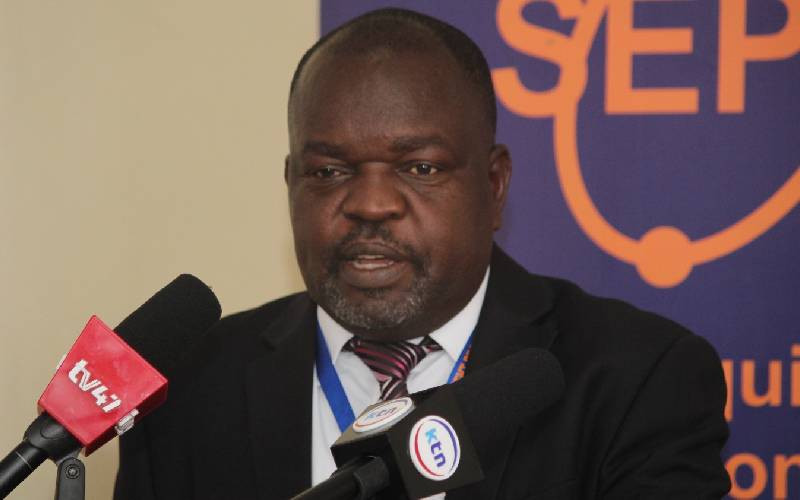
The School Equipment Production Unit (Sepu) has convened education stakeholders to validate the minimum package of learning materials for Competency-Based Education (CBE) resource centres that will be established across the country.The initiative stems from a presidential directive issued during a State House meeting on education, where concerns were raised about the need for shared facilities to support effective implementation of CBE.Teachers and education stakeholders had called for spaces where practical learning resources could be accessed, viewed, and used in schools.In response, President William Ruto directed the Ministry of Education to establish CBE resource centres in every sub-county to strengthen teaching and learning under the new curriculum.Follow The Standard
channel
on WhatsAppSpeaking during the validation session, Sepu chief executive officer Joel Magonga said the exercise was aimed at ensuring the centres are equipped with essential and relevant learning materials across all levels of education. “We have reviewed all learning areas under CBC from PP1 and Grade 1 up to Grade 12 and identified the key learning resources required for each area,” Magonga said.He explained that the centres are designed to serve multiple schools within a sub-county.According to Magonga, the minimum package focuses on core items that support practical learning, while allowing teachers to innovate and supplement materials based on local needs.Neilson Sifuna, Director of Field Services at the Ministry of Education, said the validation exercise was timely and strategic, as it operationalises the presidential directive.“The establishment of CBC Resource Centres underscores the government’s commitment to equitable access to quality learning resources and the successful implementation of the Competency-Based Curriculum,” the director said.He further explained that the identification of schools to host the resource centres has already been guided by the Ministry of Education through a circular issued to Regional, County, and Sub-County Directors of Education.“Under the guidelines, education officials are required to select existing schools with adequate space, security, and accessibility that can serve clusters of neighbouring schools,” he said.“These institutions will host the centres on behalf of other schools within the sub-county, ensuring shared access to specialised equipment and materials,” he added.The items include literacy and numeracy tools, creative arts materials, environmental and life skills resources, science equipment, and specialised tools aligned to different senior school pathways.Stakeholders were invited to interrogate the proposals, suggest additions or adjustments, and ensure the package reflects classroom and workshop realities.Feedback from the validation exercise will inform the final list of items to be distributed to the identified resource centres.Stay informed. Subscribe to our newsletterBy clicking on theSIGN UPbutton, you agree to ourTerms & Conditionsand thePrivacy PolicySIGN UPOnce operational, the CBE Resource Centres are expected to strengthen practical teaching and learning, support teachers in lesson delivery, and provide learners with hands-on exposure to a wide range of instructional materials across the entire CBE pathway.Stay Informed, Stay Empowered: Download the Standard ePaper App!Follow The Standard
channel
on WhatsApp
The initiative stems from a presidential directive issued during a State House meeting on education, where concerns were raised about the need for shared facilities to support effective implementation of CBE.Teachers and education stakeholders had called for spaces where practical learning resources could be accessed, viewed, and used in schools.In response, President William Ruto directed the Ministry of Education to establish CBE resource centres in every sub-county to strengthen teaching and learning under the new curriculum.Follow The Standard
channel
on WhatsAppSpeaking during the validation session, Sepu chief executive officer Joel Magonga said the exercise was aimed at ensuring the centres are equipped with essential and relevant learning materials across all levels of education. “We have reviewed all learning areas under CBC from PP1 and Grade 1 up to Grade 12 and identified the key learning resources required for each area,” Magonga said.He explained that the centres are designed to serve multiple schools within a sub-county.According to Magonga, the minimum package focuses on core items that support practical learning, while allowing teachers to innovate and supplement materials based on local needs.Neilson Sifuna, Director of Field Services at the Ministry of Education, said the validation exercise was timely and strategic, as it operationalises the presidential directive.“The establishment of CBC Resource Centres underscores the government’s commitment to equitable access to quality learning resources and the successful implementation of the Competency-Based Curriculum,” the director said.He further explained that the identification of schools to host the resource centres has already been guided by the Ministry of Education through a circular issued to Regional, County, and Sub-County Directors of Education.“Under the guidelines, education officials are required to select existing schools with adequate space, security, and accessibility that can serve clusters of neighbouring schools,” he said.“These institutions will host the centres on behalf of other schools within the sub-county, ensuring shared access to specialised equipment and materials,” he added.The items include literacy and numeracy tools, creative arts materials, environmental and life skills resources, science equipment, and specialised tools aligned to different senior school pathways.Stakeholders were invited to interrogate the proposals, suggest additions or adjustments, and ensure the package reflects classroom and workshop realities.Feedback from the validation exercise will inform the final list of items to be distributed to the identified resource centres.Stay informed. Subscribe to our newsletterBy clicking on theSIGN UPbutton, you agree to ourTerms & Conditionsand thePrivacy PolicySIGN UPOnce operational, the CBE Resource Centres are expected to strengthen practical teaching and learning, support teachers in lesson delivery, and provide learners with hands-on exposure to a wide range of instructional materials across the entire CBE pathway.Stay Informed, Stay Empowered: Download the Standard ePaper App!Follow The Standard
channel
on WhatsApp
Teachers and education stakeholders had called for spaces where practical learning resources could be accessed, viewed, and used in schools.In response, President William Ruto directed the Ministry of Education to establish CBE resource centres in every sub-county to strengthen teaching and learning under the new curriculum.Follow The Standard
channel
on WhatsAppSpeaking during the validation session, Sepu chief executive officer Joel Magonga said the exercise was aimed at ensuring the centres are equipped with essential and relevant learning materials across all levels of education. “We have reviewed all learning areas under CBC from PP1 and Grade 1 up to Grade 12 and identified the key learning resources required for each area,” Magonga said.He explained that the centres are designed to serve multiple schools within a sub-county.According to Magonga, the minimum package focuses on core items that support practical learning, while allowing teachers to innovate and supplement materials based on local needs.Neilson Sifuna, Director of Field Services at the Ministry of Education, said the validation exercise was timely and strategic, as it operationalises the presidential directive.“The establishment of CBC Resource Centres underscores the government’s commitment to equitable access to quality learning resources and the successful implementation of the Competency-Based Curriculum,” the director said.He further explained that the identification of schools to host the resource centres has already been guided by the Ministry of Education through a circular issued to Regional, County, and Sub-County Directors of Education.“Under the guidelines, education officials are required to select existing schools with adequate space, security, and accessibility that can serve clusters of neighbouring schools,” he said.“These institutions will host the centres on behalf of other schools within the sub-county, ensuring shared access to specialised equipment and materials,” he added.The items include literacy and numeracy tools, creative arts materials, environmental and life skills resources, science equipment, and specialised tools aligned to different senior school pathways.Stakeholders were invited to interrogate the proposals, suggest additions or adjustments, and ensure the package reflects classroom and workshop realities.Feedback from the validation exercise will inform the final list of items to be distributed to the identified resource centres.Stay informed. Subscribe to our newsletterBy clicking on theSIGN UPbutton, you agree to ourTerms & Conditionsand thePrivacy PolicySIGN UPOnce operational, the CBE Resource Centres are expected to strengthen practical teaching and learning, support teachers in lesson delivery, and provide learners with hands-on exposure to a wide range of instructional materials across the entire CBE pathway.Stay Informed, Stay Empowered: Download the Standard ePaper App!Follow The Standard
channel
on WhatsApp
In response, President William Ruto directed the Ministry of Education to establish CBE resource centres in every sub-county to strengthen teaching and learning under the new curriculum.Follow The Standard
channel
on WhatsAppSpeaking during the validation session, Sepu chief executive officer Joel Magonga said the exercise was aimed at ensuring the centres are equipped with essential and relevant learning materials across all levels of education. “We have reviewed all learning areas under CBC from PP1 and Grade 1 up to Grade 12 and identified the key learning resources required for each area,” Magonga said.He explained that the centres are designed to serve multiple schools within a sub-county.According to Magonga, the minimum package focuses on core items that support practical learning, while allowing teachers to innovate and supplement materials based on local needs.Neilson Sifuna, Director of Field Services at the Ministry of Education, said the validation exercise was timely and strategic, as it operationalises the presidential directive.“The establishment of CBC Resource Centres underscores the government’s commitment to equitable access to quality learning resources and the successful implementation of the Competency-Based Curriculum,” the director said.He further explained that the identification of schools to host the resource centres has already been guided by the Ministry of Education through a circular issued to Regional, County, and Sub-County Directors of Education.“Under the guidelines, education officials are required to select existing schools with adequate space, security, and accessibility that can serve clusters of neighbouring schools,” he said.“These institutions will host the centres on behalf of other schools within the sub-county, ensuring shared access to specialised equipment and materials,” he added.The items include literacy and numeracy tools, creative arts materials, environmental and life skills resources, science equipment, and specialised tools aligned to different senior school pathways.Stakeholders were invited to interrogate the proposals, suggest additions or adjustments, and ensure the package reflects classroom and workshop realities.Feedback from the validation exercise will inform the final list of items to be distributed to the identified resource centres.Stay informed. Subscribe to our newsletterBy clicking on theSIGN UPbutton, you agree to ourTerms & Conditionsand thePrivacy PolicySIGN UPOnce operational, the CBE Resource Centres are expected to strengthen practical teaching and learning, support teachers in lesson delivery, and provide learners with hands-on exposure to a wide range of instructional materials across the entire CBE pathway.Stay Informed, Stay Empowered: Download the Standard ePaper App!Follow The Standard
channel
on WhatsApp
Speaking during the validation session, Sepu chief executive officer Joel Magonga said the exercise was aimed at ensuring the centres are equipped with essential and relevant learning materials across all levels of education. “We have reviewed all learning areas under CBC from PP1 and Grade 1 up to Grade 12 and identified the key learning resources required for each area,” Magonga said.He explained that the centres are designed to serve multiple schools within a sub-county.According to Magonga, the minimum package focuses on core items that support practical learning, while allowing teachers to innovate and supplement materials based on local needs.Neilson Sifuna, Director of Field Services at the Ministry of Education, said the validation exercise was timely and strategic, as it operationalises the presidential directive.“The establishment of CBC Resource Centres underscores the government’s commitment to equitable access to quality learning resources and the successful implementation of the Competency-Based Curriculum,” the director said.He further explained that the identification of schools to host the resource centres has already been guided by the Ministry of Education through a circular issued to Regional, County, and Sub-County Directors of Education.“Under the guidelines, education officials are required to select existing schools with adequate space, security, and accessibility that can serve clusters of neighbouring schools,” he said.“These institutions will host the centres on behalf of other schools within the sub-county, ensuring shared access to specialised equipment and materials,” he added.The items include literacy and numeracy tools, creative arts materials, environmental and life skills resources, science equipment, and specialised tools aligned to different senior school pathways.Stakeholders were invited to interrogate the proposals, suggest additions or adjustments, and ensure the package reflects classroom and workshop realities.Feedback from the validation exercise will inform the final list of items to be distributed to the identified resource centres.Stay informed. Subscribe to our newsletterBy clicking on theSIGN UPbutton, you agree to ourTerms & Conditionsand thePrivacy PolicySIGN UPOnce operational, the CBE Resource Centres are expected to strengthen practical teaching and learning, support teachers in lesson delivery, and provide learners with hands-on exposure to a wide range of instructional materials across the entire CBE pathway.Stay Informed, Stay Empowered: Download the Standard ePaper App!Follow The Standard
channel
on WhatsApp
He explained that the centres are designed to serve multiple schools within a sub-county.According to Magonga, the minimum package focuses on core items that support practical learning, while allowing teachers to innovate and supplement materials based on local needs.Neilson Sifuna, Director of Field Services at the Ministry of Education, said the validation exercise was timely and strategic, as it operationalises the presidential directive.“The establishment of CBC Resource Centres underscores the government’s commitment to equitable access to quality learning resources and the successful implementation of the Competency-Based Curriculum,” the director said.He further explained that the identification of schools to host the resource centres has already been guided by the Ministry of Education through a circular issued to Regional, County, and Sub-County Directors of Education.“Under the guidelines, education officials are required to select existing schools with adequate space, security, and accessibility that can serve clusters of neighbouring schools,” he said.“These institutions will host the centres on behalf of other schools within the sub-county, ensuring shared access to specialised equipment and materials,” he added.The items include literacy and numeracy tools, creative arts materials, environmental and life skills resources, science equipment, and specialised tools aligned to different senior school pathways.Stakeholders were invited to interrogate the proposals, suggest additions or adjustments, and ensure the package reflects classroom and workshop realities.Feedback from the validation exercise will inform the final list of items to be distributed to the identified resource centres.Stay informed. Subscribe to our newsletterBy clicking on theSIGN UPbutton, you agree to ourTerms & Conditionsand thePrivacy PolicySIGN UPOnce operational, the CBE Resource Centres are expected to strengthen practical teaching and learning, support teachers in lesson delivery, and provide learners with hands-on exposure to a wide range of instructional materials across the entire CBE pathway.Stay Informed, Stay Empowered: Download the Standard ePaper App!Follow The Standard
channel
on WhatsApp
According to Magonga, the minimum package focuses on core items that support practical learning, while allowing teachers to innovate and supplement materials based on local needs.Neilson Sifuna, Director of Field Services at the Ministry of Education, said the validation exercise was timely and strategic, as it operationalises the presidential directive.“The establishment of CBC Resource Centres underscores the government’s commitment to equitable access to quality learning resources and the successful implementation of the Competency-Based Curriculum,” the director said.He further explained that the identification of schools to host the resource centres has already been guided by the Ministry of Education through a circular issued to Regional, County, and Sub-County Directors of Education.“Under the guidelines, education officials are required to select existing schools with adequate space, security, and accessibility that can serve clusters of neighbouring schools,” he said.“These institutions will host the centres on behalf of other schools within the sub-county, ensuring shared access to specialised equipment and materials,” he added.The items include literacy and numeracy tools, creative arts materials, environmental and life skills resources, science equipment, and specialised tools aligned to different senior school pathways.Stakeholders were invited to interrogate the proposals, suggest additions or adjustments, and ensure the package reflects classroom and workshop realities.Feedback from the validation exercise will inform the final list of items to be distributed to the identified resource centres.Stay informed. Subscribe to our newsletterBy clicking on theSIGN UPbutton, you agree to ourTerms & Conditionsand thePrivacy PolicySIGN UPOnce operational, the CBE Resource Centres are expected to strengthen practical teaching and learning, support teachers in lesson delivery, and provide learners with hands-on exposure to a wide range of instructional materials across the entire CBE pathway.Stay Informed, Stay Empowered: Download the Standard ePaper App!Follow The Standard
channel
on WhatsApp
Neilson Sifuna, Director of Field Services at the Ministry of Education, said the validation exercise was timely and strategic, as it operationalises the presidential directive.“The establishment of CBC Resource Centres underscores the government’s commitment to equitable access to quality learning resources and the successful implementation of the Competency-Based Curriculum,” the director said.He further explained that the identification of schools to host the resource centres has already been guided by the Ministry of Education through a circular issued to Regional, County, and Sub-County Directors of Education.“Under the guidelines, education officials are required to select existing schools with adequate space, security, and accessibility that can serve clusters of neighbouring schools,” he said.“These institutions will host the centres on behalf of other schools within the sub-county, ensuring shared access to specialised equipment and materials,” he added.The items include literacy and numeracy tools, creative arts materials, environmental and life skills resources, science equipment, and specialised tools aligned to different senior school pathways.Stakeholders were invited to interrogate the proposals, suggest additions or adjustments, and ensure the package reflects classroom and workshop realities.Feedback from the validation exercise will inform the final list of items to be distributed to the identified resource centres.Stay informed. Subscribe to our newsletterBy clicking on theSIGN UPbutton, you agree to ourTerms & Conditionsand thePrivacy PolicySIGN UPOnce operational, the CBE Resource Centres are expected to strengthen practical teaching and learning, support teachers in lesson delivery, and provide learners with hands-on exposure to a wide range of instructional materials across the entire CBE pathway.Stay Informed, Stay Empowered: Download the Standard ePaper App!Follow The Standard
channel
on WhatsApp
“The establishment of CBC Resource Centres underscores the government’s commitment to equitable access to quality learning resources and the successful implementation of the Competency-Based Curriculum,” the director said.He further explained that the identification of schools to host the resource centres has already been guided by the Ministry of Education through a circular issued to Regional, County, and Sub-County Directors of Education.“Under the guidelines, education officials are required to select existing schools with adequate space, security, and accessibility that can serve clusters of neighbouring schools,” he said.“These institutions will host the centres on behalf of other schools within the sub-county, ensuring shared access to specialised equipment and materials,” he added.The items include literacy and numeracy tools, creative arts materials, environmental and life skills resources, science equipment, and specialised tools aligned to different senior school pathways.Stakeholders were invited to interrogate the proposals, suggest additions or adjustments, and ensure the package reflects classroom and workshop realities.Feedback from the validation exercise will inform the final list of items to be distributed to the identified resource centres.Stay informed. Subscribe to our newsletterBy clicking on theSIGN UPbutton, you agree to ourTerms & Conditionsand thePrivacy PolicySIGN UPOnce operational, the CBE Resource Centres are expected to strengthen practical teaching and learning, support teachers in lesson delivery, and provide learners with hands-on exposure to a wide range of instructional materials across the entire CBE pathway.Stay Informed, Stay Empowered: Download the Standard ePaper App!Follow The Standard
channel
on WhatsApp
He further explained that the identification of schools to host the resource centres has already been guided by the Ministry of Education through a circular issued to Regional, County, and Sub-County Directors of Education.“Under the guidelines, education officials are required to select existing schools with adequate space, security, and accessibility that can serve clusters of neighbouring schools,” he said.“These institutions will host the centres on behalf of other schools within the sub-county, ensuring shared access to specialised equipment and materials,” he added.The items include literacy and numeracy tools, creative arts materials, environmental and life skills resources, science equipment, and specialised tools aligned to different senior school pathways.Stakeholders were invited to interrogate the proposals, suggest additions or adjustments, and ensure the package reflects classroom and workshop realities.Feedback from the validation exercise will inform the final list of items to be distributed to the identified resource centres.Stay informed. Subscribe to our newsletterBy clicking on theSIGN UPbutton, you agree to ourTerms & Conditionsand thePrivacy PolicySIGN UPOnce operational, the CBE Resource Centres are expected to strengthen practical teaching and learning, support teachers in lesson delivery, and provide learners with hands-on exposure to a wide range of instructional materials across the entire CBE pathway.Stay Informed, Stay Empowered: Download the Standard ePaper App!Follow The Standard
channel
on WhatsApp
“Under the guidelines, education officials are required to select existing schools with adequate space, security, and accessibility that can serve clusters of neighbouring schools,” he said.“These institutions will host the centres on behalf of other schools within the sub-county, ensuring shared access to specialised equipment and materials,” he added.The items include literacy and numeracy tools, creative arts materials, environmental and life skills resources, science equipment, and specialised tools aligned to different senior school pathways.Stakeholders were invited to interrogate the proposals, suggest additions or adjustments, and ensure the package reflects classroom and workshop realities.Feedback from the validation exercise will inform the final list of items to be distributed to the identified resource centres.Stay informed. Subscribe to our newsletterBy clicking on theSIGN UPbutton, you agree to ourTerms & Conditionsand thePrivacy PolicySIGN UPOnce operational, the CBE Resource Centres are expected to strengthen practical teaching and learning, support teachers in lesson delivery, and provide learners with hands-on exposure to a wide range of instructional materials across the entire CBE pathway.Stay Informed, Stay Empowered: Download the Standard ePaper App!Follow The Standard
channel
on WhatsApp
“These institutions will host the centres on behalf of other schools within the sub-county, ensuring shared access to specialised equipment and materials,” he added.The items include literacy and numeracy tools, creative arts materials, environmental and life skills resources, science equipment, and specialised tools aligned to different senior school pathways.Stakeholders were invited to interrogate the proposals, suggest additions or adjustments, and ensure the package reflects classroom and workshop realities.Feedback from the validation exercise will inform the final list of items to be distributed to the identified resource centres.Stay informed. Subscribe to our newsletterBy clicking on theSIGN UPbutton, you agree to ourTerms & Conditionsand thePrivacy PolicySIGN UPOnce operational, the CBE Resource Centres are expected to strengthen practical teaching and learning, support teachers in lesson delivery, and provide learners with hands-on exposure to a wide range of instructional materials across the entire CBE pathway.Stay Informed, Stay Empowered: Download the Standard ePaper App!Follow The Standard
channel
on WhatsApp
The items include literacy and numeracy tools, creative arts materials, environmental and life skills resources, science equipment, and specialised tools aligned to different senior school pathways.Stakeholders were invited to interrogate the proposals, suggest additions or adjustments, and ensure the package reflects classroom and workshop realities.Feedback from the validation exercise will inform the final list of items to be distributed to the identified resource centres.Stay informed. Subscribe to our newsletterBy clicking on theSIGN UPbutton, you agree to ourTerms & Conditionsand thePrivacy PolicySIGN UPOnce operational, the CBE Resource Centres are expected to strengthen practical teaching and learning, support teachers in lesson delivery, and provide learners with hands-on exposure to a wide range of instructional materials across the entire CBE pathway.Stay Informed, Stay Empowered: Download the Standard ePaper App!Follow The Standard
channel
on WhatsApp
Stakeholders were invited to interrogate the proposals, suggest additions or adjustments, and ensure the package reflects classroom and workshop realities.Feedback from the validation exercise will inform the final list of items to be distributed to the identified resource centres.Stay informed. Subscribe to our newsletterBy clicking on theSIGN UPbutton, you agree to ourTerms & Conditionsand thePrivacy PolicySIGN UPOnce operational, the CBE Resource Centres are expected to strengthen practical teaching and learning, support teachers in lesson delivery, and provide learners with hands-on exposure to a wide range of instructional materials across the entire CBE pathway.Stay Informed, Stay Empowered: Download the Standard ePaper App!Follow The Standard
channel
on WhatsApp
Feedback from the validation exercise will inform the final list of items to be distributed to the identified resource centres.Stay informed. Subscribe to our newsletterBy clicking on theSIGN UPbutton, you agree to ourTerms & Conditionsand thePrivacy PolicySIGN UPOnce operational, the CBE Resource Centres are expected to strengthen practical teaching and learning, support teachers in lesson delivery, and provide learners with hands-on exposure to a wide range of instructional materials across the entire CBE pathway.Stay Informed, Stay Empowered: Download the Standard ePaper App!Follow The Standard
channel
on WhatsApp
Once operational, the CBE Resource Centres are expected to strengthen practical teaching and learning, support teachers in lesson delivery, and provide learners with hands-on exposure to a wide range of instructional materials across the entire CBE pathway.Stay Informed, Stay Empowered: Download the Standard ePaper App!Follow The Standard
channel
on WhatsApp
Subscribe to our newsletter and stay updated on the latest developments and special
offers!
Pick your favourite topics below for a tailor made homepage just for you