
Why banks must embrace digital lending to protect customers
Source: The Standard
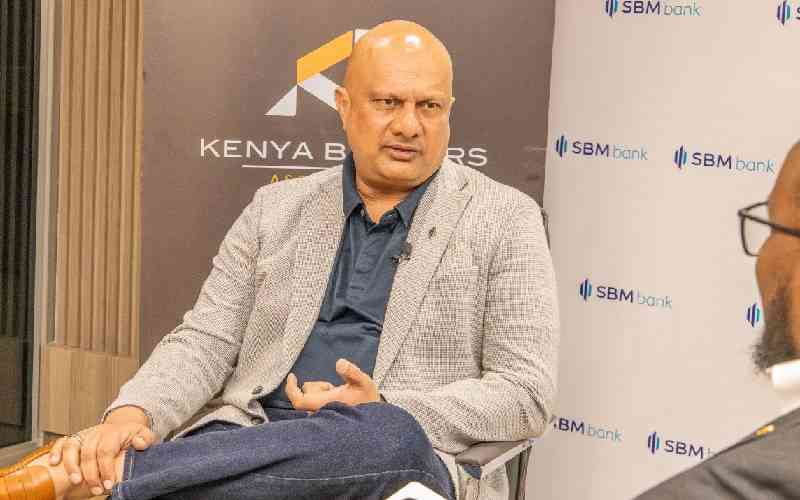
Commercial banks across the country have been urged to leverage the digital lending space to protect customers.Bhartesh Shah, Chief Executive Officer of SBM Bank Kenya, says mushrooming digital lenders have taken advantage of the vulnerability of those seeking convenience by burdening them with expensive loan facilities.Speaking during the My Chat with a Bank CEO forum last week, Shah said that due to the current cost of living, many Micro, Small and Medium Enterprises (MSMEs) that require short-term working capital have opted for mobile loans, which seem efficient but are costly.My Chat with a Bank CEO is a series of conversations focusing on the banking landscape across the country, courtesy of the Kenya Bankers Association.Follow The Standard
channel
on WhatsAppREAD:Mobile and internet banking revved up financial inclusionLast week’s conversation centred on smart financial strategies that clients can capitalise on to build and protect their credit scores.Shah argued that for banks to win and retain these customers, there is a great need for them to boldly develop solutions and loan facilities that offer convenience at affordable rates.According to Mr Shah, the Kenyan MSME sector is the largest creator of jobs, generating about 90 per cent of employment across different markets.“This is why banks need to address the issues and needs of customers in that space,” he said.Bhartesh Shah, Chief Executive Officer of SBM Bank Kenya, during the My Chat with a Bank CEO forum last week.[Patrick Vidija, Standard]He noted that across the region, Kenyans are entrepreneurial and, by nature, will start a business or a side hustle, and all they need is an affordable facility that will attract them.“We know that most of the time, cash flows and projections are key for bank funding. Instead of just analysing income on customers’ accounts to determine their ability to repay loans, we are encouraging banks to also consider the problems the customer is trying to address,” he said.Shah further challenged MSMEs to work on improving and protecting their credit scores to secure better chances of accessing higher loan facilities.He said that, unfortunately, the banking industry in many ways still relies on traditional models that require physical security, such as guarantors, land, or buildings.Shah noted that the majority of borrowers fall within a segment that cannot afford this physical security and thus shy away from bank loans.“Millions of Kenyans are within this segment, but they don't have tangible security—land or buildings—so the bank that figures out how to address that need without requiring physical security is the one that will have a head start,” he said.Stay informed. Subscribe to our newsletterBy clicking on theSIGN UPbutton, you agree to ourTerms & Conditionsand thePrivacy PolicySIGN UPOn the issue of credit scores, Mr Shah said many entrepreneurs are crippled by fear and do not approach their preferred banks for guidance on maintaining a healthy credit score.Stay Informed, Stay Empowered: Download the Standard ePaper App!“Credit score is nothing more than an algorithm that, based on your behaviour, tries to predict your probability of default. This is why customers must understand what a credit score is and how they can maintain and improve it,” he said.ALSO READ:SMEs challenged to leverage technology for cross-border tradeHe added that understanding one’s credit score is essential when negotiating a loan facility.“Having open conversations with your bank about tight cash flows is also key in maintaining your credit score because the bank will then give you available options, such as elongating the repayment period,” Mr Shah added.He said that although KISONIA gives customers transparent predictability on base rates, it is important for borrowers to ensure consistency in paying their statutory obligations, as failure to do so can lead to business closure.“Let borrowers match their financing requirements with their needs. Let them negotiate with banks and suppliers in good time when they encounter uncertainty in cash flows so that they can keep the business afloat,” he said.He added that although banks have long been perceived as aloof, they are slowly starting to understand the business environment and risks, and are developing inclusive facilities after stress testing.“As we look to a bright future, in my view, MSMEs must strive to pay their loan facilities on time to build a good credit score and, if possible, stay away from cash businesses,” he said.TheMy Chat with a Bank CEOseries provides an interactive platform where bank leaders engage directly with customers on key banking topics.The October–November 2025 edition features six CEOs discussing how the industry is leveraging the KESONIA framework to empower businesses and households across Kenya.VisitMy Chat with a Bank CEOfor registration.Follow The Standard
channel
on WhatsApp
Bhartesh Shah, Chief Executive Officer of SBM Bank Kenya, says mushrooming digital lenders have taken advantage of the vulnerability of those seeking convenience by burdening them with expensive loan facilities.Speaking during the My Chat with a Bank CEO forum last week, Shah said that due to the current cost of living, many Micro, Small and Medium Enterprises (MSMEs) that require short-term working capital have opted for mobile loans, which seem efficient but are costly.My Chat with a Bank CEO is a series of conversations focusing on the banking landscape across the country, courtesy of the Kenya Bankers Association.Follow The Standard
channel
on WhatsAppREAD:Mobile and internet banking revved up financial inclusionLast week’s conversation centred on smart financial strategies that clients can capitalise on to build and protect their credit scores.Shah argued that for banks to win and retain these customers, there is a great need for them to boldly develop solutions and loan facilities that offer convenience at affordable rates.According to Mr Shah, the Kenyan MSME sector is the largest creator of jobs, generating about 90 per cent of employment across different markets.“This is why banks need to address the issues and needs of customers in that space,” he said.Bhartesh Shah, Chief Executive Officer of SBM Bank Kenya, during the My Chat with a Bank CEO forum last week.[Patrick Vidija, Standard]He noted that across the region, Kenyans are entrepreneurial and, by nature, will start a business or a side hustle, and all they need is an affordable facility that will attract them.“We know that most of the time, cash flows and projections are key for bank funding. Instead of just analysing income on customers’ accounts to determine their ability to repay loans, we are encouraging banks to also consider the problems the customer is trying to address,” he said.Shah further challenged MSMEs to work on improving and protecting their credit scores to secure better chances of accessing higher loan facilities.He said that, unfortunately, the banking industry in many ways still relies on traditional models that require physical security, such as guarantors, land, or buildings.Shah noted that the majority of borrowers fall within a segment that cannot afford this physical security and thus shy away from bank loans.“Millions of Kenyans are within this segment, but they don't have tangible security—land or buildings—so the bank that figures out how to address that need without requiring physical security is the one that will have a head start,” he said.Stay informed. Subscribe to our newsletterBy clicking on theSIGN UPbutton, you agree to ourTerms & Conditionsand thePrivacy PolicySIGN UPOn the issue of credit scores, Mr Shah said many entrepreneurs are crippled by fear and do not approach their preferred banks for guidance on maintaining a healthy credit score.Stay Informed, Stay Empowered: Download the Standard ePaper App!“Credit score is nothing more than an algorithm that, based on your behaviour, tries to predict your probability of default. This is why customers must understand what a credit score is and how they can maintain and improve it,” he said.ALSO READ:SMEs challenged to leverage technology for cross-border tradeHe added that understanding one’s credit score is essential when negotiating a loan facility.“Having open conversations with your bank about tight cash flows is also key in maintaining your credit score because the bank will then give you available options, such as elongating the repayment period,” Mr Shah added.He said that although KISONIA gives customers transparent predictability on base rates, it is important for borrowers to ensure consistency in paying their statutory obligations, as failure to do so can lead to business closure.“Let borrowers match their financing requirements with their needs. Let them negotiate with banks and suppliers in good time when they encounter uncertainty in cash flows so that they can keep the business afloat,” he said.He added that although banks have long been perceived as aloof, they are slowly starting to understand the business environment and risks, and are developing inclusive facilities after stress testing.“As we look to a bright future, in my view, MSMEs must strive to pay their loan facilities on time to build a good credit score and, if possible, stay away from cash businesses,” he said.TheMy Chat with a Bank CEOseries provides an interactive platform where bank leaders engage directly with customers on key banking topics.The October–November 2025 edition features six CEOs discussing how the industry is leveraging the KESONIA framework to empower businesses and households across Kenya.VisitMy Chat with a Bank CEOfor registration.Follow The Standard
channel
on WhatsApp
Speaking during the My Chat with a Bank CEO forum last week, Shah said that due to the current cost of living, many Micro, Small and Medium Enterprises (MSMEs) that require short-term working capital have opted for mobile loans, which seem efficient but are costly.My Chat with a Bank CEO is a series of conversations focusing on the banking landscape across the country, courtesy of the Kenya Bankers Association.Follow The Standard
channel
on WhatsAppREAD:Mobile and internet banking revved up financial inclusionLast week’s conversation centred on smart financial strategies that clients can capitalise on to build and protect their credit scores.Shah argued that for banks to win and retain these customers, there is a great need for them to boldly develop solutions and loan facilities that offer convenience at affordable rates.According to Mr Shah, the Kenyan MSME sector is the largest creator of jobs, generating about 90 per cent of employment across different markets.“This is why banks need to address the issues and needs of customers in that space,” he said.Bhartesh Shah, Chief Executive Officer of SBM Bank Kenya, during the My Chat with a Bank CEO forum last week.[Patrick Vidija, Standard]He noted that across the region, Kenyans are entrepreneurial and, by nature, will start a business or a side hustle, and all they need is an affordable facility that will attract them.“We know that most of the time, cash flows and projections are key for bank funding. Instead of just analysing income on customers’ accounts to determine their ability to repay loans, we are encouraging banks to also consider the problems the customer is trying to address,” he said.Shah further challenged MSMEs to work on improving and protecting their credit scores to secure better chances of accessing higher loan facilities.He said that, unfortunately, the banking industry in many ways still relies on traditional models that require physical security, such as guarantors, land, or buildings.Shah noted that the majority of borrowers fall within a segment that cannot afford this physical security and thus shy away from bank loans.“Millions of Kenyans are within this segment, but they don't have tangible security—land or buildings—so the bank that figures out how to address that need without requiring physical security is the one that will have a head start,” he said.Stay informed. Subscribe to our newsletterBy clicking on theSIGN UPbutton, you agree to ourTerms & Conditionsand thePrivacy PolicySIGN UPOn the issue of credit scores, Mr Shah said many entrepreneurs are crippled by fear and do not approach their preferred banks for guidance on maintaining a healthy credit score.Stay Informed, Stay Empowered: Download the Standard ePaper App!“Credit score is nothing more than an algorithm that, based on your behaviour, tries to predict your probability of default. This is why customers must understand what a credit score is and how they can maintain and improve it,” he said.ALSO READ:SMEs challenged to leverage technology for cross-border tradeHe added that understanding one’s credit score is essential when negotiating a loan facility.“Having open conversations with your bank about tight cash flows is also key in maintaining your credit score because the bank will then give you available options, such as elongating the repayment period,” Mr Shah added.He said that although KISONIA gives customers transparent predictability on base rates, it is important for borrowers to ensure consistency in paying their statutory obligations, as failure to do so can lead to business closure.“Let borrowers match their financing requirements with their needs. Let them negotiate with banks and suppliers in good time when they encounter uncertainty in cash flows so that they can keep the business afloat,” he said.He added that although banks have long been perceived as aloof, they are slowly starting to understand the business environment and risks, and are developing inclusive facilities after stress testing.“As we look to a bright future, in my view, MSMEs must strive to pay their loan facilities on time to build a good credit score and, if possible, stay away from cash businesses,” he said.TheMy Chat with a Bank CEOseries provides an interactive platform where bank leaders engage directly with customers on key banking topics.The October–November 2025 edition features six CEOs discussing how the industry is leveraging the KESONIA framework to empower businesses and households across Kenya.VisitMy Chat with a Bank CEOfor registration.Follow The Standard
channel
on WhatsApp
My Chat with a Bank CEO is a series of conversations focusing on the banking landscape across the country, courtesy of the Kenya Bankers Association.Follow The Standard
channel
on WhatsAppREAD:Mobile and internet banking revved up financial inclusionLast week’s conversation centred on smart financial strategies that clients can capitalise on to build and protect their credit scores.Shah argued that for banks to win and retain these customers, there is a great need for them to boldly develop solutions and loan facilities that offer convenience at affordable rates.According to Mr Shah, the Kenyan MSME sector is the largest creator of jobs, generating about 90 per cent of employment across different markets.“This is why banks need to address the issues and needs of customers in that space,” he said.Bhartesh Shah, Chief Executive Officer of SBM Bank Kenya, during the My Chat with a Bank CEO forum last week.[Patrick Vidija, Standard]He noted that across the region, Kenyans are entrepreneurial and, by nature, will start a business or a side hustle, and all they need is an affordable facility that will attract them.“We know that most of the time, cash flows and projections are key for bank funding. Instead of just analysing income on customers’ accounts to determine their ability to repay loans, we are encouraging banks to also consider the problems the customer is trying to address,” he said.Shah further challenged MSMEs to work on improving and protecting their credit scores to secure better chances of accessing higher loan facilities.He said that, unfortunately, the banking industry in many ways still relies on traditional models that require physical security, such as guarantors, land, or buildings.Shah noted that the majority of borrowers fall within a segment that cannot afford this physical security and thus shy away from bank loans.“Millions of Kenyans are within this segment, but they don't have tangible security—land or buildings—so the bank that figures out how to address that need without requiring physical security is the one that will have a head start,” he said.Stay informed. Subscribe to our newsletterBy clicking on theSIGN UPbutton, you agree to ourTerms & Conditionsand thePrivacy PolicySIGN UPOn the issue of credit scores, Mr Shah said many entrepreneurs are crippled by fear and do not approach their preferred banks for guidance on maintaining a healthy credit score.Stay Informed, Stay Empowered: Download the Standard ePaper App!“Credit score is nothing more than an algorithm that, based on your behaviour, tries to predict your probability of default. This is why customers must understand what a credit score is and how they can maintain and improve it,” he said.ALSO READ:SMEs challenged to leverage technology for cross-border tradeHe added that understanding one’s credit score is essential when negotiating a loan facility.“Having open conversations with your bank about tight cash flows is also key in maintaining your credit score because the bank will then give you available options, such as elongating the repayment period,” Mr Shah added.He said that although KISONIA gives customers transparent predictability on base rates, it is important for borrowers to ensure consistency in paying their statutory obligations, as failure to do so can lead to business closure.“Let borrowers match their financing requirements with their needs. Let them negotiate with banks and suppliers in good time when they encounter uncertainty in cash flows so that they can keep the business afloat,” he said.He added that although banks have long been perceived as aloof, they are slowly starting to understand the business environment and risks, and are developing inclusive facilities after stress testing.“As we look to a bright future, in my view, MSMEs must strive to pay their loan facilities on time to build a good credit score and, if possible, stay away from cash businesses,” he said.TheMy Chat with a Bank CEOseries provides an interactive platform where bank leaders engage directly with customers on key banking topics.The October–November 2025 edition features six CEOs discussing how the industry is leveraging the KESONIA framework to empower businesses and households across Kenya.VisitMy Chat with a Bank CEOfor registration.Follow The Standard
channel
on WhatsApp
READ:Mobile and internet banking revved up financial inclusionLast week’s conversation centred on smart financial strategies that clients can capitalise on to build and protect their credit scores.Shah argued that for banks to win and retain these customers, there is a great need for them to boldly develop solutions and loan facilities that offer convenience at affordable rates.According to Mr Shah, the Kenyan MSME sector is the largest creator of jobs, generating about 90 per cent of employment across different markets.“This is why banks need to address the issues and needs of customers in that space,” he said.Bhartesh Shah, Chief Executive Officer of SBM Bank Kenya, during the My Chat with a Bank CEO forum last week.[Patrick Vidija, Standard]He noted that across the region, Kenyans are entrepreneurial and, by nature, will start a business or a side hustle, and all they need is an affordable facility that will attract them.“We know that most of the time, cash flows and projections are key for bank funding. Instead of just analysing income on customers’ accounts to determine their ability to repay loans, we are encouraging banks to also consider the problems the customer is trying to address,” he said.Shah further challenged MSMEs to work on improving and protecting their credit scores to secure better chances of accessing higher loan facilities.He said that, unfortunately, the banking industry in many ways still relies on traditional models that require physical security, such as guarantors, land, or buildings.Shah noted that the majority of borrowers fall within a segment that cannot afford this physical security and thus shy away from bank loans.“Millions of Kenyans are within this segment, but they don't have tangible security—land or buildings—so the bank that figures out how to address that need without requiring physical security is the one that will have a head start,” he said.Stay informed. Subscribe to our newsletterBy clicking on theSIGN UPbutton, you agree to ourTerms & Conditionsand thePrivacy PolicySIGN UPOn the issue of credit scores, Mr Shah said many entrepreneurs are crippled by fear and do not approach their preferred banks for guidance on maintaining a healthy credit score.Stay Informed, Stay Empowered: Download the Standard ePaper App!“Credit score is nothing more than an algorithm that, based on your behaviour, tries to predict your probability of default. This is why customers must understand what a credit score is and how they can maintain and improve it,” he said.ALSO READ:SMEs challenged to leverage technology for cross-border tradeHe added that understanding one’s credit score is essential when negotiating a loan facility.“Having open conversations with your bank about tight cash flows is also key in maintaining your credit score because the bank will then give you available options, such as elongating the repayment period,” Mr Shah added.He said that although KISONIA gives customers transparent predictability on base rates, it is important for borrowers to ensure consistency in paying their statutory obligations, as failure to do so can lead to business closure.“Let borrowers match their financing requirements with their needs. Let them negotiate with banks and suppliers in good time when they encounter uncertainty in cash flows so that they can keep the business afloat,” he said.He added that although banks have long been perceived as aloof, they are slowly starting to understand the business environment and risks, and are developing inclusive facilities after stress testing.“As we look to a bright future, in my view, MSMEs must strive to pay their loan facilities on time to build a good credit score and, if possible, stay away from cash businesses,” he said.TheMy Chat with a Bank CEOseries provides an interactive platform where bank leaders engage directly with customers on key banking topics.The October–November 2025 edition features six CEOs discussing how the industry is leveraging the KESONIA framework to empower businesses and households across Kenya.VisitMy Chat with a Bank CEOfor registration.Follow The Standard
channel
on WhatsApp
Last week’s conversation centred on smart financial strategies that clients can capitalise on to build and protect their credit scores.Shah argued that for banks to win and retain these customers, there is a great need for them to boldly develop solutions and loan facilities that offer convenience at affordable rates.According to Mr Shah, the Kenyan MSME sector is the largest creator of jobs, generating about 90 per cent of employment across different markets.“This is why banks need to address the issues and needs of customers in that space,” he said.Bhartesh Shah, Chief Executive Officer of SBM Bank Kenya, during the My Chat with a Bank CEO forum last week.[Patrick Vidija, Standard]He noted that across the region, Kenyans are entrepreneurial and, by nature, will start a business or a side hustle, and all they need is an affordable facility that will attract them.“We know that most of the time, cash flows and projections are key for bank funding. Instead of just analysing income on customers’ accounts to determine their ability to repay loans, we are encouraging banks to also consider the problems the customer is trying to address,” he said.Shah further challenged MSMEs to work on improving and protecting their credit scores to secure better chances of accessing higher loan facilities.He said that, unfortunately, the banking industry in many ways still relies on traditional models that require physical security, such as guarantors, land, or buildings.Shah noted that the majority of borrowers fall within a segment that cannot afford this physical security and thus shy away from bank loans.“Millions of Kenyans are within this segment, but they don't have tangible security—land or buildings—so the bank that figures out how to address that need without requiring physical security is the one that will have a head start,” he said.Stay informed. Subscribe to our newsletterBy clicking on theSIGN UPbutton, you agree to ourTerms & Conditionsand thePrivacy PolicySIGN UPOn the issue of credit scores, Mr Shah said many entrepreneurs are crippled by fear and do not approach their preferred banks for guidance on maintaining a healthy credit score.Stay Informed, Stay Empowered: Download the Standard ePaper App!“Credit score is nothing more than an algorithm that, based on your behaviour, tries to predict your probability of default. This is why customers must understand what a credit score is and how they can maintain and improve it,” he said.ALSO READ:SMEs challenged to leverage technology for cross-border tradeHe added that understanding one’s credit score is essential when negotiating a loan facility.“Having open conversations with your bank about tight cash flows is also key in maintaining your credit score because the bank will then give you available options, such as elongating the repayment period,” Mr Shah added.He said that although KISONIA gives customers transparent predictability on base rates, it is important for borrowers to ensure consistency in paying their statutory obligations, as failure to do so can lead to business closure.“Let borrowers match their financing requirements with their needs. Let them negotiate with banks and suppliers in good time when they encounter uncertainty in cash flows so that they can keep the business afloat,” he said.He added that although banks have long been perceived as aloof, they are slowly starting to understand the business environment and risks, and are developing inclusive facilities after stress testing.“As we look to a bright future, in my view, MSMEs must strive to pay their loan facilities on time to build a good credit score and, if possible, stay away from cash businesses,” he said.TheMy Chat with a Bank CEOseries provides an interactive platform where bank leaders engage directly with customers on key banking topics.The October–November 2025 edition features six CEOs discussing how the industry is leveraging the KESONIA framework to empower businesses and households across Kenya.VisitMy Chat with a Bank CEOfor registration.Follow The Standard
channel
on WhatsApp
Shah argued that for banks to win and retain these customers, there is a great need for them to boldly develop solutions and loan facilities that offer convenience at affordable rates.According to Mr Shah, the Kenyan MSME sector is the largest creator of jobs, generating about 90 per cent of employment across different markets.“This is why banks need to address the issues and needs of customers in that space,” he said.Bhartesh Shah, Chief Executive Officer of SBM Bank Kenya, during the My Chat with a Bank CEO forum last week.[Patrick Vidija, Standard]He noted that across the region, Kenyans are entrepreneurial and, by nature, will start a business or a side hustle, and all they need is an affordable facility that will attract them.“We know that most of the time, cash flows and projections are key for bank funding. Instead of just analysing income on customers’ accounts to determine their ability to repay loans, we are encouraging banks to also consider the problems the customer is trying to address,” he said.Shah further challenged MSMEs to work on improving and protecting their credit scores to secure better chances of accessing higher loan facilities.He said that, unfortunately, the banking industry in many ways still relies on traditional models that require physical security, such as guarantors, land, or buildings.Shah noted that the majority of borrowers fall within a segment that cannot afford this physical security and thus shy away from bank loans.“Millions of Kenyans are within this segment, but they don't have tangible security—land or buildings—so the bank that figures out how to address that need without requiring physical security is the one that will have a head start,” he said.Stay informed. Subscribe to our newsletterBy clicking on theSIGN UPbutton, you agree to ourTerms & Conditionsand thePrivacy PolicySIGN UPOn the issue of credit scores, Mr Shah said many entrepreneurs are crippled by fear and do not approach their preferred banks for guidance on maintaining a healthy credit score.Stay Informed, Stay Empowered: Download the Standard ePaper App!“Credit score is nothing more than an algorithm that, based on your behaviour, tries to predict your probability of default. This is why customers must understand what a credit score is and how they can maintain and improve it,” he said.ALSO READ:SMEs challenged to leverage technology for cross-border tradeHe added that understanding one’s credit score is essential when negotiating a loan facility.“Having open conversations with your bank about tight cash flows is also key in maintaining your credit score because the bank will then give you available options, such as elongating the repayment period,” Mr Shah added.He said that although KISONIA gives customers transparent predictability on base rates, it is important for borrowers to ensure consistency in paying their statutory obligations, as failure to do so can lead to business closure.“Let borrowers match their financing requirements with their needs. Let them negotiate with banks and suppliers in good time when they encounter uncertainty in cash flows so that they can keep the business afloat,” he said.He added that although banks have long been perceived as aloof, they are slowly starting to understand the business environment and risks, and are developing inclusive facilities after stress testing.“As we look to a bright future, in my view, MSMEs must strive to pay their loan facilities on time to build a good credit score and, if possible, stay away from cash businesses,” he said.TheMy Chat with a Bank CEOseries provides an interactive platform where bank leaders engage directly with customers on key banking topics.The October–November 2025 edition features six CEOs discussing how the industry is leveraging the KESONIA framework to empower businesses and households across Kenya.VisitMy Chat with a Bank CEOfor registration.Follow The Standard
channel
on WhatsApp
According to Mr Shah, the Kenyan MSME sector is the largest creator of jobs, generating about 90 per cent of employment across different markets.“This is why banks need to address the issues and needs of customers in that space,” he said.Bhartesh Shah, Chief Executive Officer of SBM Bank Kenya, during the My Chat with a Bank CEO forum last week.[Patrick Vidija, Standard]He noted that across the region, Kenyans are entrepreneurial and, by nature, will start a business or a side hustle, and all they need is an affordable facility that will attract them.“We know that most of the time, cash flows and projections are key for bank funding. Instead of just analysing income on customers’ accounts to determine their ability to repay loans, we are encouraging banks to also consider the problems the customer is trying to address,” he said.Shah further challenged MSMEs to work on improving and protecting their credit scores to secure better chances of accessing higher loan facilities.He said that, unfortunately, the banking industry in many ways still relies on traditional models that require physical security, such as guarantors, land, or buildings.Shah noted that the majority of borrowers fall within a segment that cannot afford this physical security and thus shy away from bank loans.“Millions of Kenyans are within this segment, but they don't have tangible security—land or buildings—so the bank that figures out how to address that need without requiring physical security is the one that will have a head start,” he said.Stay informed. Subscribe to our newsletterBy clicking on theSIGN UPbutton, you agree to ourTerms & Conditionsand thePrivacy PolicySIGN UPOn the issue of credit scores, Mr Shah said many entrepreneurs are crippled by fear and do not approach their preferred banks for guidance on maintaining a healthy credit score.Stay Informed, Stay Empowered: Download the Standard ePaper App!“Credit score is nothing more than an algorithm that, based on your behaviour, tries to predict your probability of default. This is why customers must understand what a credit score is and how they can maintain and improve it,” he said.ALSO READ:SMEs challenged to leverage technology for cross-border tradeHe added that understanding one’s credit score is essential when negotiating a loan facility.“Having open conversations with your bank about tight cash flows is also key in maintaining your credit score because the bank will then give you available options, such as elongating the repayment period,” Mr Shah added.He said that although KISONIA gives customers transparent predictability on base rates, it is important for borrowers to ensure consistency in paying their statutory obligations, as failure to do so can lead to business closure.“Let borrowers match their financing requirements with their needs. Let them negotiate with banks and suppliers in good time when they encounter uncertainty in cash flows so that they can keep the business afloat,” he said.He added that although banks have long been perceived as aloof, they are slowly starting to understand the business environment and risks, and are developing inclusive facilities after stress testing.“As we look to a bright future, in my view, MSMEs must strive to pay their loan facilities on time to build a good credit score and, if possible, stay away from cash businesses,” he said.TheMy Chat with a Bank CEOseries provides an interactive platform where bank leaders engage directly with customers on key banking topics.The October–November 2025 edition features six CEOs discussing how the industry is leveraging the KESONIA framework to empower businesses and households across Kenya.VisitMy Chat with a Bank CEOfor registration.Follow The Standard
channel
on WhatsApp
“This is why banks need to address the issues and needs of customers in that space,” he said.Bhartesh Shah, Chief Executive Officer of SBM Bank Kenya, during the My Chat with a Bank CEO forum last week.[Patrick Vidija, Standard]He noted that across the region, Kenyans are entrepreneurial and, by nature, will start a business or a side hustle, and all they need is an affordable facility that will attract them.“We know that most of the time, cash flows and projections are key for bank funding. Instead of just analysing income on customers’ accounts to determine their ability to repay loans, we are encouraging banks to also consider the problems the customer is trying to address,” he said.Shah further challenged MSMEs to work on improving and protecting their credit scores to secure better chances of accessing higher loan facilities.He said that, unfortunately, the banking industry in many ways still relies on traditional models that require physical security, such as guarantors, land, or buildings.Shah noted that the majority of borrowers fall within a segment that cannot afford this physical security and thus shy away from bank loans.“Millions of Kenyans are within this segment, but they don't have tangible security—land or buildings—so the bank that figures out how to address that need without requiring physical security is the one that will have a head start,” he said.Stay informed. Subscribe to our newsletterBy clicking on theSIGN UPbutton, you agree to ourTerms & Conditionsand thePrivacy PolicySIGN UPOn the issue of credit scores, Mr Shah said many entrepreneurs are crippled by fear and do not approach their preferred banks for guidance on maintaining a healthy credit score.Stay Informed, Stay Empowered: Download the Standard ePaper App!“Credit score is nothing more than an algorithm that, based on your behaviour, tries to predict your probability of default. This is why customers must understand what a credit score is and how they can maintain and improve it,” he said.ALSO READ:SMEs challenged to leverage technology for cross-border tradeHe added that understanding one’s credit score is essential when negotiating a loan facility.“Having open conversations with your bank about tight cash flows is also key in maintaining your credit score because the bank will then give you available options, such as elongating the repayment period,” Mr Shah added.He said that although KISONIA gives customers transparent predictability on base rates, it is important for borrowers to ensure consistency in paying their statutory obligations, as failure to do so can lead to business closure.“Let borrowers match their financing requirements with their needs. Let them negotiate with banks and suppliers in good time when they encounter uncertainty in cash flows so that they can keep the business afloat,” he said.He added that although banks have long been perceived as aloof, they are slowly starting to understand the business environment and risks, and are developing inclusive facilities after stress testing.“As we look to a bright future, in my view, MSMEs must strive to pay their loan facilities on time to build a good credit score and, if possible, stay away from cash businesses,” he said.TheMy Chat with a Bank CEOseries provides an interactive platform where bank leaders engage directly with customers on key banking topics.The October–November 2025 edition features six CEOs discussing how the industry is leveraging the KESONIA framework to empower businesses and households across Kenya.VisitMy Chat with a Bank CEOfor registration.Follow The Standard
channel
on WhatsApp
He noted that across the region, Kenyans are entrepreneurial and, by nature, will start a business or a side hustle, and all they need is an affordable facility that will attract them.“We know that most of the time, cash flows and projections are key for bank funding. Instead of just analysing income on customers’ accounts to determine their ability to repay loans, we are encouraging banks to also consider the problems the customer is trying to address,” he said.Shah further challenged MSMEs to work on improving and protecting their credit scores to secure better chances of accessing higher loan facilities.He said that, unfortunately, the banking industry in many ways still relies on traditional models that require physical security, such as guarantors, land, or buildings.Shah noted that the majority of borrowers fall within a segment that cannot afford this physical security and thus shy away from bank loans.“Millions of Kenyans are within this segment, but they don't have tangible security—land or buildings—so the bank that figures out how to address that need without requiring physical security is the one that will have a head start,” he said.Stay informed. Subscribe to our newsletterBy clicking on theSIGN UPbutton, you agree to ourTerms & Conditionsand thePrivacy PolicySIGN UPOn the issue of credit scores, Mr Shah said many entrepreneurs are crippled by fear and do not approach their preferred banks for guidance on maintaining a healthy credit score.Stay Informed, Stay Empowered: Download the Standard ePaper App!“Credit score is nothing more than an algorithm that, based on your behaviour, tries to predict your probability of default. This is why customers must understand what a credit score is and how they can maintain and improve it,” he said.ALSO READ:SMEs challenged to leverage technology for cross-border tradeHe added that understanding one’s credit score is essential when negotiating a loan facility.“Having open conversations with your bank about tight cash flows is also key in maintaining your credit score because the bank will then give you available options, such as elongating the repayment period,” Mr Shah added.He said that although KISONIA gives customers transparent predictability on base rates, it is important for borrowers to ensure consistency in paying their statutory obligations, as failure to do so can lead to business closure.“Let borrowers match their financing requirements with their needs. Let them negotiate with banks and suppliers in good time when they encounter uncertainty in cash flows so that they can keep the business afloat,” he said.He added that although banks have long been perceived as aloof, they are slowly starting to understand the business environment and risks, and are developing inclusive facilities after stress testing.“As we look to a bright future, in my view, MSMEs must strive to pay their loan facilities on time to build a good credit score and, if possible, stay away from cash businesses,” he said.TheMy Chat with a Bank CEOseries provides an interactive platform where bank leaders engage directly with customers on key banking topics.The October–November 2025 edition features six CEOs discussing how the industry is leveraging the KESONIA framework to empower businesses and households across Kenya.VisitMy Chat with a Bank CEOfor registration.Follow The Standard
channel
on WhatsApp
“We know that most of the time, cash flows and projections are key for bank funding. Instead of just analysing income on customers’ accounts to determine their ability to repay loans, we are encouraging banks to also consider the problems the customer is trying to address,” he said.Shah further challenged MSMEs to work on improving and protecting their credit scores to secure better chances of accessing higher loan facilities.He said that, unfortunately, the banking industry in many ways still relies on traditional models that require physical security, such as guarantors, land, or buildings.Shah noted that the majority of borrowers fall within a segment that cannot afford this physical security and thus shy away from bank loans.“Millions of Kenyans are within this segment, but they don't have tangible security—land or buildings—so the bank that figures out how to address that need without requiring physical security is the one that will have a head start,” he said.Stay informed. Subscribe to our newsletterBy clicking on theSIGN UPbutton, you agree to ourTerms & Conditionsand thePrivacy PolicySIGN UPOn the issue of credit scores, Mr Shah said many entrepreneurs are crippled by fear and do not approach their preferred banks for guidance on maintaining a healthy credit score.Stay Informed, Stay Empowered: Download the Standard ePaper App!“Credit score is nothing more than an algorithm that, based on your behaviour, tries to predict your probability of default. This is why customers must understand what a credit score is and how they can maintain and improve it,” he said.ALSO READ:SMEs challenged to leverage technology for cross-border tradeHe added that understanding one’s credit score is essential when negotiating a loan facility.“Having open conversations with your bank about tight cash flows is also key in maintaining your credit score because the bank will then give you available options, such as elongating the repayment period,” Mr Shah added.He said that although KISONIA gives customers transparent predictability on base rates, it is important for borrowers to ensure consistency in paying their statutory obligations, as failure to do so can lead to business closure.“Let borrowers match their financing requirements with their needs. Let them negotiate with banks and suppliers in good time when they encounter uncertainty in cash flows so that they can keep the business afloat,” he said.He added that although banks have long been perceived as aloof, they are slowly starting to understand the business environment and risks, and are developing inclusive facilities after stress testing.“As we look to a bright future, in my view, MSMEs must strive to pay their loan facilities on time to build a good credit score and, if possible, stay away from cash businesses,” he said.TheMy Chat with a Bank CEOseries provides an interactive platform where bank leaders engage directly with customers on key banking topics.The October–November 2025 edition features six CEOs discussing how the industry is leveraging the KESONIA framework to empower businesses and households across Kenya.VisitMy Chat with a Bank CEOfor registration.Follow The Standard
channel
on WhatsApp
Shah further challenged MSMEs to work on improving and protecting their credit scores to secure better chances of accessing higher loan facilities.He said that, unfortunately, the banking industry in many ways still relies on traditional models that require physical security, such as guarantors, land, or buildings.Shah noted that the majority of borrowers fall within a segment that cannot afford this physical security and thus shy away from bank loans.“Millions of Kenyans are within this segment, but they don't have tangible security—land or buildings—so the bank that figures out how to address that need without requiring physical security is the one that will have a head start,” he said.Stay informed. Subscribe to our newsletterBy clicking on theSIGN UPbutton, you agree to ourTerms & Conditionsand thePrivacy PolicySIGN UPOn the issue of credit scores, Mr Shah said many entrepreneurs are crippled by fear and do not approach their preferred banks for guidance on maintaining a healthy credit score.Stay Informed, Stay Empowered: Download the Standard ePaper App!“Credit score is nothing more than an algorithm that, based on your behaviour, tries to predict your probability of default. This is why customers must understand what a credit score is and how they can maintain and improve it,” he said.ALSO READ:SMEs challenged to leverage technology for cross-border tradeHe added that understanding one’s credit score is essential when negotiating a loan facility.“Having open conversations with your bank about tight cash flows is also key in maintaining your credit score because the bank will then give you available options, such as elongating the repayment period,” Mr Shah added.He said that although KISONIA gives customers transparent predictability on base rates, it is important for borrowers to ensure consistency in paying their statutory obligations, as failure to do so can lead to business closure.“Let borrowers match their financing requirements with their needs. Let them negotiate with banks and suppliers in good time when they encounter uncertainty in cash flows so that they can keep the business afloat,” he said.He added that although banks have long been perceived as aloof, they are slowly starting to understand the business environment and risks, and are developing inclusive facilities after stress testing.“As we look to a bright future, in my view, MSMEs must strive to pay their loan facilities on time to build a good credit score and, if possible, stay away from cash businesses,” he said.TheMy Chat with a Bank CEOseries provides an interactive platform where bank leaders engage directly with customers on key banking topics.The October–November 2025 edition features six CEOs discussing how the industry is leveraging the KESONIA framework to empower businesses and households across Kenya.VisitMy Chat with a Bank CEOfor registration.Follow The Standard
channel
on WhatsApp
He said that, unfortunately, the banking industry in many ways still relies on traditional models that require physical security, such as guarantors, land, or buildings.Shah noted that the majority of borrowers fall within a segment that cannot afford this physical security and thus shy away from bank loans.“Millions of Kenyans are within this segment, but they don't have tangible security—land or buildings—so the bank that figures out how to address that need without requiring physical security is the one that will have a head start,” he said.Stay informed. Subscribe to our newsletterBy clicking on theSIGN UPbutton, you agree to ourTerms & Conditionsand thePrivacy PolicySIGN UPOn the issue of credit scores, Mr Shah said many entrepreneurs are crippled by fear and do not approach their preferred banks for guidance on maintaining a healthy credit score.Stay Informed, Stay Empowered: Download the Standard ePaper App!“Credit score is nothing more than an algorithm that, based on your behaviour, tries to predict your probability of default. This is why customers must understand what a credit score is and how they can maintain and improve it,” he said.ALSO READ:SMEs challenged to leverage technology for cross-border tradeHe added that understanding one’s credit score is essential when negotiating a loan facility.“Having open conversations with your bank about tight cash flows is also key in maintaining your credit score because the bank will then give you available options, such as elongating the repayment period,” Mr Shah added.He said that although KISONIA gives customers transparent predictability on base rates, it is important for borrowers to ensure consistency in paying their statutory obligations, as failure to do so can lead to business closure.“Let borrowers match their financing requirements with their needs. Let them negotiate with banks and suppliers in good time when they encounter uncertainty in cash flows so that they can keep the business afloat,” he said.He added that although banks have long been perceived as aloof, they are slowly starting to understand the business environment and risks, and are developing inclusive facilities after stress testing.“As we look to a bright future, in my view, MSMEs must strive to pay their loan facilities on time to build a good credit score and, if possible, stay away from cash businesses,” he said.TheMy Chat with a Bank CEOseries provides an interactive platform where bank leaders engage directly with customers on key banking topics.The October–November 2025 edition features six CEOs discussing how the industry is leveraging the KESONIA framework to empower businesses and households across Kenya.VisitMy Chat with a Bank CEOfor registration.Follow The Standard
channel
on WhatsApp
Shah noted that the majority of borrowers fall within a segment that cannot afford this physical security and thus shy away from bank loans.“Millions of Kenyans are within this segment, but they don't have tangible security—land or buildings—so the bank that figures out how to address that need without requiring physical security is the one that will have a head start,” he said.Stay informed. Subscribe to our newsletterBy clicking on theSIGN UPbutton, you agree to ourTerms & Conditionsand thePrivacy PolicySIGN UPOn the issue of credit scores, Mr Shah said many entrepreneurs are crippled by fear and do not approach their preferred banks for guidance on maintaining a healthy credit score.Stay Informed, Stay Empowered: Download the Standard ePaper App!“Credit score is nothing more than an algorithm that, based on your behaviour, tries to predict your probability of default. This is why customers must understand what a credit score is and how they can maintain and improve it,” he said.ALSO READ:SMEs challenged to leverage technology for cross-border tradeHe added that understanding one’s credit score is essential when negotiating a loan facility.“Having open conversations with your bank about tight cash flows is also key in maintaining your credit score because the bank will then give you available options, such as elongating the repayment period,” Mr Shah added.He said that although KISONIA gives customers transparent predictability on base rates, it is important for borrowers to ensure consistency in paying their statutory obligations, as failure to do so can lead to business closure.“Let borrowers match their financing requirements with their needs. Let them negotiate with banks and suppliers in good time when they encounter uncertainty in cash flows so that they can keep the business afloat,” he said.He added that although banks have long been perceived as aloof, they are slowly starting to understand the business environment and risks, and are developing inclusive facilities after stress testing.“As we look to a bright future, in my view, MSMEs must strive to pay their loan facilities on time to build a good credit score and, if possible, stay away from cash businesses,” he said.TheMy Chat with a Bank CEOseries provides an interactive platform where bank leaders engage directly with customers on key banking topics.The October–November 2025 edition features six CEOs discussing how the industry is leveraging the KESONIA framework to empower businesses and households across Kenya.VisitMy Chat with a Bank CEOfor registration.Follow The Standard
channel
on WhatsApp
“Millions of Kenyans are within this segment, but they don't have tangible security—land or buildings—so the bank that figures out how to address that need without requiring physical security is the one that will have a head start,” he said.Stay informed. Subscribe to our newsletterBy clicking on theSIGN UPbutton, you agree to ourTerms & Conditionsand thePrivacy PolicySIGN UPOn the issue of credit scores, Mr Shah said many entrepreneurs are crippled by fear and do not approach their preferred banks for guidance on maintaining a healthy credit score.Stay Informed, Stay Empowered: Download the Standard ePaper App!“Credit score is nothing more than an algorithm that, based on your behaviour, tries to predict your probability of default. This is why customers must understand what a credit score is and how they can maintain and improve it,” he said.ALSO READ:SMEs challenged to leverage technology for cross-border tradeHe added that understanding one’s credit score is essential when negotiating a loan facility.“Having open conversations with your bank about tight cash flows is also key in maintaining your credit score because the bank will then give you available options, such as elongating the repayment period,” Mr Shah added.He said that although KISONIA gives customers transparent predictability on base rates, it is important for borrowers to ensure consistency in paying their statutory obligations, as failure to do so can lead to business closure.“Let borrowers match their financing requirements with their needs. Let them negotiate with banks and suppliers in good time when they encounter uncertainty in cash flows so that they can keep the business afloat,” he said.He added that although banks have long been perceived as aloof, they are slowly starting to understand the business environment and risks, and are developing inclusive facilities after stress testing.“As we look to a bright future, in my view, MSMEs must strive to pay their loan facilities on time to build a good credit score and, if possible, stay away from cash businesses,” he said.TheMy Chat with a Bank CEOseries provides an interactive platform where bank leaders engage directly with customers on key banking topics.The October–November 2025 edition features six CEOs discussing how the industry is leveraging the KESONIA framework to empower businesses and households across Kenya.VisitMy Chat with a Bank CEOfor registration.Follow The Standard
channel
on WhatsApp
On the issue of credit scores, Mr Shah said many entrepreneurs are crippled by fear and do not approach their preferred banks for guidance on maintaining a healthy credit score.Stay Informed, Stay Empowered: Download the Standard ePaper App!“Credit score is nothing more than an algorithm that, based on your behaviour, tries to predict your probability of default. This is why customers must understand what a credit score is and how they can maintain and improve it,” he said.ALSO READ:SMEs challenged to leverage technology for cross-border tradeHe added that understanding one’s credit score is essential when negotiating a loan facility.“Having open conversations with your bank about tight cash flows is also key in maintaining your credit score because the bank will then give you available options, such as elongating the repayment period,” Mr Shah added.He said that although KISONIA gives customers transparent predictability on base rates, it is important for borrowers to ensure consistency in paying their statutory obligations, as failure to do so can lead to business closure.“Let borrowers match their financing requirements with their needs. Let them negotiate with banks and suppliers in good time when they encounter uncertainty in cash flows so that they can keep the business afloat,” he said.He added that although banks have long been perceived as aloof, they are slowly starting to understand the business environment and risks, and are developing inclusive facilities after stress testing.“As we look to a bright future, in my view, MSMEs must strive to pay their loan facilities on time to build a good credit score and, if possible, stay away from cash businesses,” he said.TheMy Chat with a Bank CEOseries provides an interactive platform where bank leaders engage directly with customers on key banking topics.The October–November 2025 edition features six CEOs discussing how the industry is leveraging the KESONIA framework to empower businesses and households across Kenya.VisitMy Chat with a Bank CEOfor registration.Follow The Standard
channel
on WhatsApp
“Credit score is nothing more than an algorithm that, based on your behaviour, tries to predict your probability of default. This is why customers must understand what a credit score is and how they can maintain and improve it,” he said.ALSO READ:SMEs challenged to leverage technology for cross-border tradeHe added that understanding one’s credit score is essential when negotiating a loan facility.“Having open conversations with your bank about tight cash flows is also key in maintaining your credit score because the bank will then give you available options, such as elongating the repayment period,” Mr Shah added.He said that although KISONIA gives customers transparent predictability on base rates, it is important for borrowers to ensure consistency in paying their statutory obligations, as failure to do so can lead to business closure.“Let borrowers match their financing requirements with their needs. Let them negotiate with banks and suppliers in good time when they encounter uncertainty in cash flows so that they can keep the business afloat,” he said.He added that although banks have long been perceived as aloof, they are slowly starting to understand the business environment and risks, and are developing inclusive facilities after stress testing.“As we look to a bright future, in my view, MSMEs must strive to pay their loan facilities on time to build a good credit score and, if possible, stay away from cash businesses,” he said.TheMy Chat with a Bank CEOseries provides an interactive platform where bank leaders engage directly with customers on key banking topics.The October–November 2025 edition features six CEOs discussing how the industry is leveraging the KESONIA framework to empower businesses and households across Kenya.VisitMy Chat with a Bank CEOfor registration.Follow The Standard
channel
on WhatsApp
ALSO READ:SMEs challenged to leverage technology for cross-border tradeHe added that understanding one’s credit score is essential when negotiating a loan facility.“Having open conversations with your bank about tight cash flows is also key in maintaining your credit score because the bank will then give you available options, such as elongating the repayment period,” Mr Shah added.He said that although KISONIA gives customers transparent predictability on base rates, it is important for borrowers to ensure consistency in paying their statutory obligations, as failure to do so can lead to business closure.“Let borrowers match their financing requirements with their needs. Let them negotiate with banks and suppliers in good time when they encounter uncertainty in cash flows so that they can keep the business afloat,” he said.He added that although banks have long been perceived as aloof, they are slowly starting to understand the business environment and risks, and are developing inclusive facilities after stress testing.“As we look to a bright future, in my view, MSMEs must strive to pay their loan facilities on time to build a good credit score and, if possible, stay away from cash businesses,” he said.TheMy Chat with a Bank CEOseries provides an interactive platform where bank leaders engage directly with customers on key banking topics.The October–November 2025 edition features six CEOs discussing how the industry is leveraging the KESONIA framework to empower businesses and households across Kenya.VisitMy Chat with a Bank CEOfor registration.Follow The Standard
channel
on WhatsApp
He added that understanding one’s credit score is essential when negotiating a loan facility.“Having open conversations with your bank about tight cash flows is also key in maintaining your credit score because the bank will then give you available options, such as elongating the repayment period,” Mr Shah added.He said that although KISONIA gives customers transparent predictability on base rates, it is important for borrowers to ensure consistency in paying their statutory obligations, as failure to do so can lead to business closure.“Let borrowers match their financing requirements with their needs. Let them negotiate with banks and suppliers in good time when they encounter uncertainty in cash flows so that they can keep the business afloat,” he said.He added that although banks have long been perceived as aloof, they are slowly starting to understand the business environment and risks, and are developing inclusive facilities after stress testing.“As we look to a bright future, in my view, MSMEs must strive to pay their loan facilities on time to build a good credit score and, if possible, stay away from cash businesses,” he said.TheMy Chat with a Bank CEOseries provides an interactive platform where bank leaders engage directly with customers on key banking topics.The October–November 2025 edition features six CEOs discussing how the industry is leveraging the KESONIA framework to empower businesses and households across Kenya.VisitMy Chat with a Bank CEOfor registration.Follow The Standard
channel
on WhatsApp
“Having open conversations with your bank about tight cash flows is also key in maintaining your credit score because the bank will then give you available options, such as elongating the repayment period,” Mr Shah added.He said that although KISONIA gives customers transparent predictability on base rates, it is important for borrowers to ensure consistency in paying their statutory obligations, as failure to do so can lead to business closure.“Let borrowers match their financing requirements with their needs. Let them negotiate with banks and suppliers in good time when they encounter uncertainty in cash flows so that they can keep the business afloat,” he said.He added that although banks have long been perceived as aloof, they are slowly starting to understand the business environment and risks, and are developing inclusive facilities after stress testing.“As we look to a bright future, in my view, MSMEs must strive to pay their loan facilities on time to build a good credit score and, if possible, stay away from cash businesses,” he said.TheMy Chat with a Bank CEOseries provides an interactive platform where bank leaders engage directly with customers on key banking topics.The October–November 2025 edition features six CEOs discussing how the industry is leveraging the KESONIA framework to empower businesses and households across Kenya.VisitMy Chat with a Bank CEOfor registration.Follow The Standard
channel
on WhatsApp
He said that although KISONIA gives customers transparent predictability on base rates, it is important for borrowers to ensure consistency in paying their statutory obligations, as failure to do so can lead to business closure.“Let borrowers match their financing requirements with their needs. Let them negotiate with banks and suppliers in good time when they encounter uncertainty in cash flows so that they can keep the business afloat,” he said.He added that although banks have long been perceived as aloof, they are slowly starting to understand the business environment and risks, and are developing inclusive facilities after stress testing.“As we look to a bright future, in my view, MSMEs must strive to pay their loan facilities on time to build a good credit score and, if possible, stay away from cash businesses,” he said.TheMy Chat with a Bank CEOseries provides an interactive platform where bank leaders engage directly with customers on key banking topics.The October–November 2025 edition features six CEOs discussing how the industry is leveraging the KESONIA framework to empower businesses and households across Kenya.VisitMy Chat with a Bank CEOfor registration.Follow The Standard
channel
on WhatsApp
“Let borrowers match their financing requirements with their needs. Let them negotiate with banks and suppliers in good time when they encounter uncertainty in cash flows so that they can keep the business afloat,” he said.He added that although banks have long been perceived as aloof, they are slowly starting to understand the business environment and risks, and are developing inclusive facilities after stress testing.“As we look to a bright future, in my view, MSMEs must strive to pay their loan facilities on time to build a good credit score and, if possible, stay away from cash businesses,” he said.TheMy Chat with a Bank CEOseries provides an interactive platform where bank leaders engage directly with customers on key banking topics.The October–November 2025 edition features six CEOs discussing how the industry is leveraging the KESONIA framework to empower businesses and households across Kenya.VisitMy Chat with a Bank CEOfor registration.Follow The Standard
channel
on WhatsApp
He added that although banks have long been perceived as aloof, they are slowly starting to understand the business environment and risks, and are developing inclusive facilities after stress testing.“As we look to a bright future, in my view, MSMEs must strive to pay their loan facilities on time to build a good credit score and, if possible, stay away from cash businesses,” he said.TheMy Chat with a Bank CEOseries provides an interactive platform where bank leaders engage directly with customers on key banking topics.The October–November 2025 edition features six CEOs discussing how the industry is leveraging the KESONIA framework to empower businesses and households across Kenya.VisitMy Chat with a Bank CEOfor registration.Follow The Standard
channel
on WhatsApp
“As we look to a bright future, in my view, MSMEs must strive to pay their loan facilities on time to build a good credit score and, if possible, stay away from cash businesses,” he said.TheMy Chat with a Bank CEOseries provides an interactive platform where bank leaders engage directly with customers on key banking topics.The October–November 2025 edition features six CEOs discussing how the industry is leveraging the KESONIA framework to empower businesses and households across Kenya.VisitMy Chat with a Bank CEOfor registration.Follow The Standard
channel
on WhatsApp
TheMy Chat with a Bank CEOseries provides an interactive platform where bank leaders engage directly with customers on key banking topics.The October–November 2025 edition features six CEOs discussing how the industry is leveraging the KESONIA framework to empower businesses and households across Kenya.VisitMy Chat with a Bank CEOfor registration.Follow The Standard
channel
on WhatsApp
The October–November 2025 edition features six CEOs discussing how the industry is leveraging the KESONIA framework to empower businesses and households across Kenya.VisitMy Chat with a Bank CEOfor registration.Follow The Standard
channel
on WhatsApp
VisitMy Chat with a Bank CEOfor registration.Follow The Standard
channel
on WhatsApp
Subscribe to our newsletter and stay updated on the latest developments and special
offers!
Pick your favourite topics below for a tailor made homepage just for you