
Why Trump has banned, restricted 16 African countries from entering US
Source: The Standard
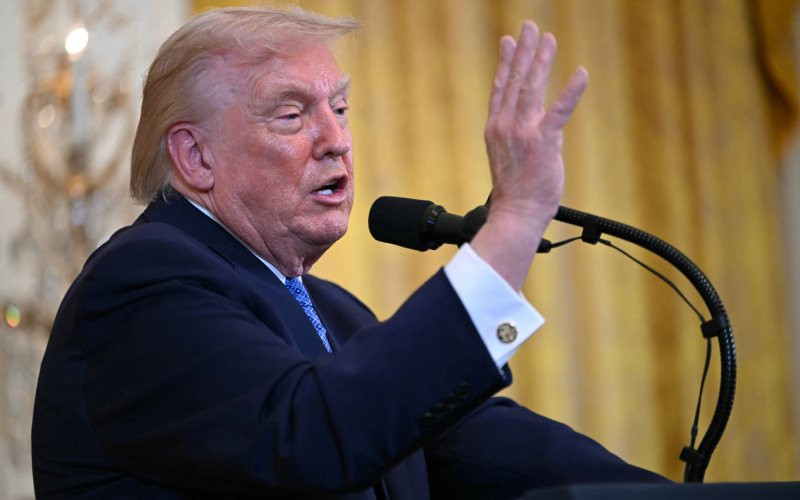
President Donald Trump on Tuesday, December 16, 2025, signed a proclamation imposing full travel restrictions and entry limitations on four additional African countries.The new additions, Burkina Faso, Mali, Niger, and South Sudan, bring the total number of fully restricted African nations to 12.These countries join the existing list of fully restricted nations, which includes Somalia, Sudan, Equatorial Guinea, the Democratic Republic of the Congo, Chad, Eritrea, and Libya. Additionally, Sierra Leone, which was previously under partial restrictions, will now face a full entry ban.In Burkina Faso, for instance, the primary reason for the restriction is that terrorist organisations continue to plan and conduct terrorist activities throughout the country. Furthermore, Burkina Faso’s refusal to accept back its deported nationals has also led to the restriction.Follow The Standard
channel
on WhatsAppMali, on the other hand, was restricted due to ongoing terrorist operations in certain areas, with armed conflict between the Malian government and armed groups continuing throughout the country.Trump also likened the situation in Niger to that of Burkina Faso and Mali, alleging that terrorists and their supporters are active in planning kidnappings and may attack anywhere in the country. Meanwhile, Sierra Leone and South Sudan were cited for failing to accept the return of their deported nationals.“According to the Overstay Report, Sierra Leone had a B-1/B-2 overstay rate of 16.48 percent and an F, M, and J visa overstay rate of 35.83 percent. According to the 2023 Overstay Report, Sierra Leone had a B-1/B-2 visa overstay rate of 15.43 percent and an F, M, and J visa overstay rate of 35.83 percent.”“Additionally, Sierra Leone has historically failed to accept back its removable nationals,” read the statement.While full bans were the focus for some, the President also extended and initiated partial restrictions for a wide range of other nations.Partial restrictions will continue for Burundi and Togo, while new partial limitations were imposed on: Tanzania, Benin, Angola, Malawi, Mauritania, Nigeria, Senegal, Zambia, Zimbabwe, The Gambia, Côte d’Ivoire, and Gabon.These measures, according to the White House, are primarily through visa overstay data.Angola, Benin, and Côte d’Ivoire have visa overstay rates for temporary visits (B-1/B-2) of 14.43 per cent, 12.34 per cent, and 8.47 per cent, respectively.These three nations also recorded overstay rates of 21.92 per cent, 36.77 per cent, and 17.77 per cent for students and exchange visitors (F, M, and J visas).Other nations, including Tanzania, Gabon, The Gambia, Malawi, Senegal, Zambia, and Zimbabwe, were also flagged for significant numbers of citizens overstaying their visas.“According to the Overstay Report, Tanzania had a B-1/B-2 visa overstay rate of 8.30 percent and an F, M, and J visa overstay rate of 13.97 percent.”Stay informed. Subscribe to our newsletterBy clicking on theSIGN UPbutton, you agree to ourTerms & Conditionsand thePrivacy PolicySIGN UPSimilarly, for Mauritania, the administration cited a B-1/B-2 overstay rate of 9.49 per cent and noted that it has little presence in certain parts of the country, creating screening and vetting difficulties.Stay Informed, Stay Empowered: Download the Standard ePaper App!Nigeria’s partial ban, however, was attributed to a combination of visa overstays and security threats. Trump noted that terrorist groups such as Boko Haram and the Islamic State, which operate freely in certain parts of Nigeria, contribute to substantial screening and vetting difficulties.According to Trump, these restrictions are essential for national security and the integrity of the U.S. immigration system.“The restrictions and limitations imposed by the Proclamation are necessary to prevent the entry of foreign nationals about whom the United States lacks sufficient information to assess the risks they pose, garner cooperation from foreign governments, enforce our immigration laws, and advance other important foreign policy, national security, and counterterrorism objectives,” read the statement.These new policy changes are scheduled to take effect onJanuary 1, 2026.Follow The Standard
channel
on WhatsApp
The new additions, Burkina Faso, Mali, Niger, and South Sudan, bring the total number of fully restricted African nations to 12.These countries join the existing list of fully restricted nations, which includes Somalia, Sudan, Equatorial Guinea, the Democratic Republic of the Congo, Chad, Eritrea, and Libya. Additionally, Sierra Leone, which was previously under partial restrictions, will now face a full entry ban.In Burkina Faso, for instance, the primary reason for the restriction is that terrorist organisations continue to plan and conduct terrorist activities throughout the country. Furthermore, Burkina Faso’s refusal to accept back its deported nationals has also led to the restriction.Follow The Standard
channel
on WhatsAppMali, on the other hand, was restricted due to ongoing terrorist operations in certain areas, with armed conflict between the Malian government and armed groups continuing throughout the country.Trump also likened the situation in Niger to that of Burkina Faso and Mali, alleging that terrorists and their supporters are active in planning kidnappings and may attack anywhere in the country. Meanwhile, Sierra Leone and South Sudan were cited for failing to accept the return of their deported nationals.“According to the Overstay Report, Sierra Leone had a B-1/B-2 overstay rate of 16.48 percent and an F, M, and J visa overstay rate of 35.83 percent. According to the 2023 Overstay Report, Sierra Leone had a B-1/B-2 visa overstay rate of 15.43 percent and an F, M, and J visa overstay rate of 35.83 percent.”“Additionally, Sierra Leone has historically failed to accept back its removable nationals,” read the statement.While full bans were the focus for some, the President also extended and initiated partial restrictions for a wide range of other nations.Partial restrictions will continue for Burundi and Togo, while new partial limitations were imposed on: Tanzania, Benin, Angola, Malawi, Mauritania, Nigeria, Senegal, Zambia, Zimbabwe, The Gambia, Côte d’Ivoire, and Gabon.These measures, according to the White House, are primarily through visa overstay data.Angola, Benin, and Côte d’Ivoire have visa overstay rates for temporary visits (B-1/B-2) of 14.43 per cent, 12.34 per cent, and 8.47 per cent, respectively.These three nations also recorded overstay rates of 21.92 per cent, 36.77 per cent, and 17.77 per cent for students and exchange visitors (F, M, and J visas).Other nations, including Tanzania, Gabon, The Gambia, Malawi, Senegal, Zambia, and Zimbabwe, were also flagged for significant numbers of citizens overstaying their visas.“According to the Overstay Report, Tanzania had a B-1/B-2 visa overstay rate of 8.30 percent and an F, M, and J visa overstay rate of 13.97 percent.”Stay informed. Subscribe to our newsletterBy clicking on theSIGN UPbutton, you agree to ourTerms & Conditionsand thePrivacy PolicySIGN UPSimilarly, for Mauritania, the administration cited a B-1/B-2 overstay rate of 9.49 per cent and noted that it has little presence in certain parts of the country, creating screening and vetting difficulties.Stay Informed, Stay Empowered: Download the Standard ePaper App!Nigeria’s partial ban, however, was attributed to a combination of visa overstays and security threats. Trump noted that terrorist groups such as Boko Haram and the Islamic State, which operate freely in certain parts of Nigeria, contribute to substantial screening and vetting difficulties.According to Trump, these restrictions are essential for national security and the integrity of the U.S. immigration system.“The restrictions and limitations imposed by the Proclamation are necessary to prevent the entry of foreign nationals about whom the United States lacks sufficient information to assess the risks they pose, garner cooperation from foreign governments, enforce our immigration laws, and advance other important foreign policy, national security, and counterterrorism objectives,” read the statement.These new policy changes are scheduled to take effect onJanuary 1, 2026.Follow The Standard
channel
on WhatsApp
These countries join the existing list of fully restricted nations, which includes Somalia, Sudan, Equatorial Guinea, the Democratic Republic of the Congo, Chad, Eritrea, and Libya. Additionally, Sierra Leone, which was previously under partial restrictions, will now face a full entry ban.In Burkina Faso, for instance, the primary reason for the restriction is that terrorist organisations continue to plan and conduct terrorist activities throughout the country. Furthermore, Burkina Faso’s refusal to accept back its deported nationals has also led to the restriction.Follow The Standard
channel
on WhatsAppMali, on the other hand, was restricted due to ongoing terrorist operations in certain areas, with armed conflict between the Malian government and armed groups continuing throughout the country.Trump also likened the situation in Niger to that of Burkina Faso and Mali, alleging that terrorists and their supporters are active in planning kidnappings and may attack anywhere in the country. Meanwhile, Sierra Leone and South Sudan were cited for failing to accept the return of their deported nationals.“According to the Overstay Report, Sierra Leone had a B-1/B-2 overstay rate of 16.48 percent and an F, M, and J visa overstay rate of 35.83 percent. According to the 2023 Overstay Report, Sierra Leone had a B-1/B-2 visa overstay rate of 15.43 percent and an F, M, and J visa overstay rate of 35.83 percent.”“Additionally, Sierra Leone has historically failed to accept back its removable nationals,” read the statement.While full bans were the focus for some, the President also extended and initiated partial restrictions for a wide range of other nations.Partial restrictions will continue for Burundi and Togo, while new partial limitations were imposed on: Tanzania, Benin, Angola, Malawi, Mauritania, Nigeria, Senegal, Zambia, Zimbabwe, The Gambia, Côte d’Ivoire, and Gabon.These measures, according to the White House, are primarily through visa overstay data.Angola, Benin, and Côte d’Ivoire have visa overstay rates for temporary visits (B-1/B-2) of 14.43 per cent, 12.34 per cent, and 8.47 per cent, respectively.These three nations also recorded overstay rates of 21.92 per cent, 36.77 per cent, and 17.77 per cent for students and exchange visitors (F, M, and J visas).Other nations, including Tanzania, Gabon, The Gambia, Malawi, Senegal, Zambia, and Zimbabwe, were also flagged for significant numbers of citizens overstaying their visas.“According to the Overstay Report, Tanzania had a B-1/B-2 visa overstay rate of 8.30 percent and an F, M, and J visa overstay rate of 13.97 percent.”Stay informed. Subscribe to our newsletterBy clicking on theSIGN UPbutton, you agree to ourTerms & Conditionsand thePrivacy PolicySIGN UPSimilarly, for Mauritania, the administration cited a B-1/B-2 overstay rate of 9.49 per cent and noted that it has little presence in certain parts of the country, creating screening and vetting difficulties.Stay Informed, Stay Empowered: Download the Standard ePaper App!Nigeria’s partial ban, however, was attributed to a combination of visa overstays and security threats. Trump noted that terrorist groups such as Boko Haram and the Islamic State, which operate freely in certain parts of Nigeria, contribute to substantial screening and vetting difficulties.According to Trump, these restrictions are essential for national security and the integrity of the U.S. immigration system.“The restrictions and limitations imposed by the Proclamation are necessary to prevent the entry of foreign nationals about whom the United States lacks sufficient information to assess the risks they pose, garner cooperation from foreign governments, enforce our immigration laws, and advance other important foreign policy, national security, and counterterrorism objectives,” read the statement.These new policy changes are scheduled to take effect onJanuary 1, 2026.Follow The Standard
channel
on WhatsApp
In Burkina Faso, for instance, the primary reason for the restriction is that terrorist organisations continue to plan and conduct terrorist activities throughout the country. Furthermore, Burkina Faso’s refusal to accept back its deported nationals has also led to the restriction.Follow The Standard
channel
on WhatsAppMali, on the other hand, was restricted due to ongoing terrorist operations in certain areas, with armed conflict between the Malian government and armed groups continuing throughout the country.Trump also likened the situation in Niger to that of Burkina Faso and Mali, alleging that terrorists and their supporters are active in planning kidnappings and may attack anywhere in the country. Meanwhile, Sierra Leone and South Sudan were cited for failing to accept the return of their deported nationals.“According to the Overstay Report, Sierra Leone had a B-1/B-2 overstay rate of 16.48 percent and an F, M, and J visa overstay rate of 35.83 percent. According to the 2023 Overstay Report, Sierra Leone had a B-1/B-2 visa overstay rate of 15.43 percent and an F, M, and J visa overstay rate of 35.83 percent.”“Additionally, Sierra Leone has historically failed to accept back its removable nationals,” read the statement.While full bans were the focus for some, the President also extended and initiated partial restrictions for a wide range of other nations.Partial restrictions will continue for Burundi and Togo, while new partial limitations were imposed on: Tanzania, Benin, Angola, Malawi, Mauritania, Nigeria, Senegal, Zambia, Zimbabwe, The Gambia, Côte d’Ivoire, and Gabon.These measures, according to the White House, are primarily through visa overstay data.Angola, Benin, and Côte d’Ivoire have visa overstay rates for temporary visits (B-1/B-2) of 14.43 per cent, 12.34 per cent, and 8.47 per cent, respectively.These three nations also recorded overstay rates of 21.92 per cent, 36.77 per cent, and 17.77 per cent for students and exchange visitors (F, M, and J visas).Other nations, including Tanzania, Gabon, The Gambia, Malawi, Senegal, Zambia, and Zimbabwe, were also flagged for significant numbers of citizens overstaying their visas.“According to the Overstay Report, Tanzania had a B-1/B-2 visa overstay rate of 8.30 percent and an F, M, and J visa overstay rate of 13.97 percent.”Stay informed. Subscribe to our newsletterBy clicking on theSIGN UPbutton, you agree to ourTerms & Conditionsand thePrivacy PolicySIGN UPSimilarly, for Mauritania, the administration cited a B-1/B-2 overstay rate of 9.49 per cent and noted that it has little presence in certain parts of the country, creating screening and vetting difficulties.Stay Informed, Stay Empowered: Download the Standard ePaper App!Nigeria’s partial ban, however, was attributed to a combination of visa overstays and security threats. Trump noted that terrorist groups such as Boko Haram and the Islamic State, which operate freely in certain parts of Nigeria, contribute to substantial screening and vetting difficulties.According to Trump, these restrictions are essential for national security and the integrity of the U.S. immigration system.“The restrictions and limitations imposed by the Proclamation are necessary to prevent the entry of foreign nationals about whom the United States lacks sufficient information to assess the risks they pose, garner cooperation from foreign governments, enforce our immigration laws, and advance other important foreign policy, national security, and counterterrorism objectives,” read the statement.These new policy changes are scheduled to take effect onJanuary 1, 2026.Follow The Standard
channel
on WhatsApp
Mali, on the other hand, was restricted due to ongoing terrorist operations in certain areas, with armed conflict between the Malian government and armed groups continuing throughout the country.Trump also likened the situation in Niger to that of Burkina Faso and Mali, alleging that terrorists and their supporters are active in planning kidnappings and may attack anywhere in the country. Meanwhile, Sierra Leone and South Sudan were cited for failing to accept the return of their deported nationals.“According to the Overstay Report, Sierra Leone had a B-1/B-2 overstay rate of 16.48 percent and an F, M, and J visa overstay rate of 35.83 percent. According to the 2023 Overstay Report, Sierra Leone had a B-1/B-2 visa overstay rate of 15.43 percent and an F, M, and J visa overstay rate of 35.83 percent.”“Additionally, Sierra Leone has historically failed to accept back its removable nationals,” read the statement.While full bans were the focus for some, the President also extended and initiated partial restrictions for a wide range of other nations.Partial restrictions will continue for Burundi and Togo, while new partial limitations were imposed on: Tanzania, Benin, Angola, Malawi, Mauritania, Nigeria, Senegal, Zambia, Zimbabwe, The Gambia, Côte d’Ivoire, and Gabon.These measures, according to the White House, are primarily through visa overstay data.Angola, Benin, and Côte d’Ivoire have visa overstay rates for temporary visits (B-1/B-2) of 14.43 per cent, 12.34 per cent, and 8.47 per cent, respectively.These three nations also recorded overstay rates of 21.92 per cent, 36.77 per cent, and 17.77 per cent for students and exchange visitors (F, M, and J visas).Other nations, including Tanzania, Gabon, The Gambia, Malawi, Senegal, Zambia, and Zimbabwe, were also flagged for significant numbers of citizens overstaying their visas.“According to the Overstay Report, Tanzania had a B-1/B-2 visa overstay rate of 8.30 percent and an F, M, and J visa overstay rate of 13.97 percent.”Stay informed. Subscribe to our newsletterBy clicking on theSIGN UPbutton, you agree to ourTerms & Conditionsand thePrivacy PolicySIGN UPSimilarly, for Mauritania, the administration cited a B-1/B-2 overstay rate of 9.49 per cent and noted that it has little presence in certain parts of the country, creating screening and vetting difficulties.Stay Informed, Stay Empowered: Download the Standard ePaper App!Nigeria’s partial ban, however, was attributed to a combination of visa overstays and security threats. Trump noted that terrorist groups such as Boko Haram and the Islamic State, which operate freely in certain parts of Nigeria, contribute to substantial screening and vetting difficulties.According to Trump, these restrictions are essential for national security and the integrity of the U.S. immigration system.“The restrictions and limitations imposed by the Proclamation are necessary to prevent the entry of foreign nationals about whom the United States lacks sufficient information to assess the risks they pose, garner cooperation from foreign governments, enforce our immigration laws, and advance other important foreign policy, national security, and counterterrorism objectives,” read the statement.These new policy changes are scheduled to take effect onJanuary 1, 2026.Follow The Standard
channel
on WhatsApp
Trump also likened the situation in Niger to that of Burkina Faso and Mali, alleging that terrorists and their supporters are active in planning kidnappings and may attack anywhere in the country. Meanwhile, Sierra Leone and South Sudan were cited for failing to accept the return of their deported nationals.“According to the Overstay Report, Sierra Leone had a B-1/B-2 overstay rate of 16.48 percent and an F, M, and J visa overstay rate of 35.83 percent. According to the 2023 Overstay Report, Sierra Leone had a B-1/B-2 visa overstay rate of 15.43 percent and an F, M, and J visa overstay rate of 35.83 percent.”“Additionally, Sierra Leone has historically failed to accept back its removable nationals,” read the statement.While full bans were the focus for some, the President also extended and initiated partial restrictions for a wide range of other nations.Partial restrictions will continue for Burundi and Togo, while new partial limitations were imposed on: Tanzania, Benin, Angola, Malawi, Mauritania, Nigeria, Senegal, Zambia, Zimbabwe, The Gambia, Côte d’Ivoire, and Gabon.These measures, according to the White House, are primarily through visa overstay data.Angola, Benin, and Côte d’Ivoire have visa overstay rates for temporary visits (B-1/B-2) of 14.43 per cent, 12.34 per cent, and 8.47 per cent, respectively.These three nations also recorded overstay rates of 21.92 per cent, 36.77 per cent, and 17.77 per cent for students and exchange visitors (F, M, and J visas).Other nations, including Tanzania, Gabon, The Gambia, Malawi, Senegal, Zambia, and Zimbabwe, were also flagged for significant numbers of citizens overstaying their visas.“According to the Overstay Report, Tanzania had a B-1/B-2 visa overstay rate of 8.30 percent and an F, M, and J visa overstay rate of 13.97 percent.”Stay informed. Subscribe to our newsletterBy clicking on theSIGN UPbutton, you agree to ourTerms & Conditionsand thePrivacy PolicySIGN UPSimilarly, for Mauritania, the administration cited a B-1/B-2 overstay rate of 9.49 per cent and noted that it has little presence in certain parts of the country, creating screening and vetting difficulties.Stay Informed, Stay Empowered: Download the Standard ePaper App!Nigeria’s partial ban, however, was attributed to a combination of visa overstays and security threats. Trump noted that terrorist groups such as Boko Haram and the Islamic State, which operate freely in certain parts of Nigeria, contribute to substantial screening and vetting difficulties.According to Trump, these restrictions are essential for national security and the integrity of the U.S. immigration system.“The restrictions and limitations imposed by the Proclamation are necessary to prevent the entry of foreign nationals about whom the United States lacks sufficient information to assess the risks they pose, garner cooperation from foreign governments, enforce our immigration laws, and advance other important foreign policy, national security, and counterterrorism objectives,” read the statement.These new policy changes are scheduled to take effect onJanuary 1, 2026.Follow The Standard
channel
on WhatsApp
“According to the Overstay Report, Sierra Leone had a B-1/B-2 overstay rate of 16.48 percent and an F, M, and J visa overstay rate of 35.83 percent. According to the 2023 Overstay Report, Sierra Leone had a B-1/B-2 visa overstay rate of 15.43 percent and an F, M, and J visa overstay rate of 35.83 percent.”“Additionally, Sierra Leone has historically failed to accept back its removable nationals,” read the statement.While full bans were the focus for some, the President also extended and initiated partial restrictions for a wide range of other nations.Partial restrictions will continue for Burundi and Togo, while new partial limitations were imposed on: Tanzania, Benin, Angola, Malawi, Mauritania, Nigeria, Senegal, Zambia, Zimbabwe, The Gambia, Côte d’Ivoire, and Gabon.These measures, according to the White House, are primarily through visa overstay data.Angola, Benin, and Côte d’Ivoire have visa overstay rates for temporary visits (B-1/B-2) of 14.43 per cent, 12.34 per cent, and 8.47 per cent, respectively.These three nations also recorded overstay rates of 21.92 per cent, 36.77 per cent, and 17.77 per cent for students and exchange visitors (F, M, and J visas).Other nations, including Tanzania, Gabon, The Gambia, Malawi, Senegal, Zambia, and Zimbabwe, were also flagged for significant numbers of citizens overstaying their visas.“According to the Overstay Report, Tanzania had a B-1/B-2 visa overstay rate of 8.30 percent and an F, M, and J visa overstay rate of 13.97 percent.”Stay informed. Subscribe to our newsletterBy clicking on theSIGN UPbutton, you agree to ourTerms & Conditionsand thePrivacy PolicySIGN UPSimilarly, for Mauritania, the administration cited a B-1/B-2 overstay rate of 9.49 per cent and noted that it has little presence in certain parts of the country, creating screening and vetting difficulties.Stay Informed, Stay Empowered: Download the Standard ePaper App!Nigeria’s partial ban, however, was attributed to a combination of visa overstays and security threats. Trump noted that terrorist groups such as Boko Haram and the Islamic State, which operate freely in certain parts of Nigeria, contribute to substantial screening and vetting difficulties.According to Trump, these restrictions are essential for national security and the integrity of the U.S. immigration system.“The restrictions and limitations imposed by the Proclamation are necessary to prevent the entry of foreign nationals about whom the United States lacks sufficient information to assess the risks they pose, garner cooperation from foreign governments, enforce our immigration laws, and advance other important foreign policy, national security, and counterterrorism objectives,” read the statement.These new policy changes are scheduled to take effect onJanuary 1, 2026.Follow The Standard
channel
on WhatsApp
“Additionally, Sierra Leone has historically failed to accept back its removable nationals,” read the statement.While full bans were the focus for some, the President also extended and initiated partial restrictions for a wide range of other nations.Partial restrictions will continue for Burundi and Togo, while new partial limitations were imposed on: Tanzania, Benin, Angola, Malawi, Mauritania, Nigeria, Senegal, Zambia, Zimbabwe, The Gambia, Côte d’Ivoire, and Gabon.These measures, according to the White House, are primarily through visa overstay data.Angola, Benin, and Côte d’Ivoire have visa overstay rates for temporary visits (B-1/B-2) of 14.43 per cent, 12.34 per cent, and 8.47 per cent, respectively.These three nations also recorded overstay rates of 21.92 per cent, 36.77 per cent, and 17.77 per cent for students and exchange visitors (F, M, and J visas).Other nations, including Tanzania, Gabon, The Gambia, Malawi, Senegal, Zambia, and Zimbabwe, were also flagged for significant numbers of citizens overstaying their visas.“According to the Overstay Report, Tanzania had a B-1/B-2 visa overstay rate of 8.30 percent and an F, M, and J visa overstay rate of 13.97 percent.”Stay informed. Subscribe to our newsletterBy clicking on theSIGN UPbutton, you agree to ourTerms & Conditionsand thePrivacy PolicySIGN UPSimilarly, for Mauritania, the administration cited a B-1/B-2 overstay rate of 9.49 per cent and noted that it has little presence in certain parts of the country, creating screening and vetting difficulties.Stay Informed, Stay Empowered: Download the Standard ePaper App!Nigeria’s partial ban, however, was attributed to a combination of visa overstays and security threats. Trump noted that terrorist groups such as Boko Haram and the Islamic State, which operate freely in certain parts of Nigeria, contribute to substantial screening and vetting difficulties.According to Trump, these restrictions are essential for national security and the integrity of the U.S. immigration system.“The restrictions and limitations imposed by the Proclamation are necessary to prevent the entry of foreign nationals about whom the United States lacks sufficient information to assess the risks they pose, garner cooperation from foreign governments, enforce our immigration laws, and advance other important foreign policy, national security, and counterterrorism objectives,” read the statement.These new policy changes are scheduled to take effect onJanuary 1, 2026.Follow The Standard
channel
on WhatsApp
While full bans were the focus for some, the President also extended and initiated partial restrictions for a wide range of other nations.Partial restrictions will continue for Burundi and Togo, while new partial limitations were imposed on: Tanzania, Benin, Angola, Malawi, Mauritania, Nigeria, Senegal, Zambia, Zimbabwe, The Gambia, Côte d’Ivoire, and Gabon.These measures, according to the White House, are primarily through visa overstay data.Angola, Benin, and Côte d’Ivoire have visa overstay rates for temporary visits (B-1/B-2) of 14.43 per cent, 12.34 per cent, and 8.47 per cent, respectively.These three nations also recorded overstay rates of 21.92 per cent, 36.77 per cent, and 17.77 per cent for students and exchange visitors (F, M, and J visas).Other nations, including Tanzania, Gabon, The Gambia, Malawi, Senegal, Zambia, and Zimbabwe, were also flagged for significant numbers of citizens overstaying their visas.“According to the Overstay Report, Tanzania had a B-1/B-2 visa overstay rate of 8.30 percent and an F, M, and J visa overstay rate of 13.97 percent.”Stay informed. Subscribe to our newsletterBy clicking on theSIGN UPbutton, you agree to ourTerms & Conditionsand thePrivacy PolicySIGN UPSimilarly, for Mauritania, the administration cited a B-1/B-2 overstay rate of 9.49 per cent and noted that it has little presence in certain parts of the country, creating screening and vetting difficulties.Stay Informed, Stay Empowered: Download the Standard ePaper App!Nigeria’s partial ban, however, was attributed to a combination of visa overstays and security threats. Trump noted that terrorist groups such as Boko Haram and the Islamic State, which operate freely in certain parts of Nigeria, contribute to substantial screening and vetting difficulties.According to Trump, these restrictions are essential for national security and the integrity of the U.S. immigration system.“The restrictions and limitations imposed by the Proclamation are necessary to prevent the entry of foreign nationals about whom the United States lacks sufficient information to assess the risks they pose, garner cooperation from foreign governments, enforce our immigration laws, and advance other important foreign policy, national security, and counterterrorism objectives,” read the statement.These new policy changes are scheduled to take effect onJanuary 1, 2026.Follow The Standard
channel
on WhatsApp
Partial restrictions will continue for Burundi and Togo, while new partial limitations were imposed on: Tanzania, Benin, Angola, Malawi, Mauritania, Nigeria, Senegal, Zambia, Zimbabwe, The Gambia, Côte d’Ivoire, and Gabon.These measures, according to the White House, are primarily through visa overstay data.Angola, Benin, and Côte d’Ivoire have visa overstay rates for temporary visits (B-1/B-2) of 14.43 per cent, 12.34 per cent, and 8.47 per cent, respectively.These three nations also recorded overstay rates of 21.92 per cent, 36.77 per cent, and 17.77 per cent for students and exchange visitors (F, M, and J visas).Other nations, including Tanzania, Gabon, The Gambia, Malawi, Senegal, Zambia, and Zimbabwe, were also flagged for significant numbers of citizens overstaying their visas.“According to the Overstay Report, Tanzania had a B-1/B-2 visa overstay rate of 8.30 percent and an F, M, and J visa overstay rate of 13.97 percent.”Stay informed. Subscribe to our newsletterBy clicking on theSIGN UPbutton, you agree to ourTerms & Conditionsand thePrivacy PolicySIGN UPSimilarly, for Mauritania, the administration cited a B-1/B-2 overstay rate of 9.49 per cent and noted that it has little presence in certain parts of the country, creating screening and vetting difficulties.Stay Informed, Stay Empowered: Download the Standard ePaper App!Nigeria’s partial ban, however, was attributed to a combination of visa overstays and security threats. Trump noted that terrorist groups such as Boko Haram and the Islamic State, which operate freely in certain parts of Nigeria, contribute to substantial screening and vetting difficulties.According to Trump, these restrictions are essential for national security and the integrity of the U.S. immigration system.“The restrictions and limitations imposed by the Proclamation are necessary to prevent the entry of foreign nationals about whom the United States lacks sufficient information to assess the risks they pose, garner cooperation from foreign governments, enforce our immigration laws, and advance other important foreign policy, national security, and counterterrorism objectives,” read the statement.These new policy changes are scheduled to take effect onJanuary 1, 2026.Follow The Standard
channel
on WhatsApp
These measures, according to the White House, are primarily through visa overstay data.Angola, Benin, and Côte d’Ivoire have visa overstay rates for temporary visits (B-1/B-2) of 14.43 per cent, 12.34 per cent, and 8.47 per cent, respectively.These three nations also recorded overstay rates of 21.92 per cent, 36.77 per cent, and 17.77 per cent for students and exchange visitors (F, M, and J visas).Other nations, including Tanzania, Gabon, The Gambia, Malawi, Senegal, Zambia, and Zimbabwe, were also flagged for significant numbers of citizens overstaying their visas.“According to the Overstay Report, Tanzania had a B-1/B-2 visa overstay rate of 8.30 percent and an F, M, and J visa overstay rate of 13.97 percent.”Stay informed. Subscribe to our newsletterBy clicking on theSIGN UPbutton, you agree to ourTerms & Conditionsand thePrivacy PolicySIGN UPSimilarly, for Mauritania, the administration cited a B-1/B-2 overstay rate of 9.49 per cent and noted that it has little presence in certain parts of the country, creating screening and vetting difficulties.Stay Informed, Stay Empowered: Download the Standard ePaper App!Nigeria’s partial ban, however, was attributed to a combination of visa overstays and security threats. Trump noted that terrorist groups such as Boko Haram and the Islamic State, which operate freely in certain parts of Nigeria, contribute to substantial screening and vetting difficulties.According to Trump, these restrictions are essential for national security and the integrity of the U.S. immigration system.“The restrictions and limitations imposed by the Proclamation are necessary to prevent the entry of foreign nationals about whom the United States lacks sufficient information to assess the risks they pose, garner cooperation from foreign governments, enforce our immigration laws, and advance other important foreign policy, national security, and counterterrorism objectives,” read the statement.These new policy changes are scheduled to take effect onJanuary 1, 2026.Follow The Standard
channel
on WhatsApp
Angola, Benin, and Côte d’Ivoire have visa overstay rates for temporary visits (B-1/B-2) of 14.43 per cent, 12.34 per cent, and 8.47 per cent, respectively.These three nations also recorded overstay rates of 21.92 per cent, 36.77 per cent, and 17.77 per cent for students and exchange visitors (F, M, and J visas).Other nations, including Tanzania, Gabon, The Gambia, Malawi, Senegal, Zambia, and Zimbabwe, were also flagged for significant numbers of citizens overstaying their visas.“According to the Overstay Report, Tanzania had a B-1/B-2 visa overstay rate of 8.30 percent and an F, M, and J visa overstay rate of 13.97 percent.”Stay informed. Subscribe to our newsletterBy clicking on theSIGN UPbutton, you agree to ourTerms & Conditionsand thePrivacy PolicySIGN UPSimilarly, for Mauritania, the administration cited a B-1/B-2 overstay rate of 9.49 per cent and noted that it has little presence in certain parts of the country, creating screening and vetting difficulties.Stay Informed, Stay Empowered: Download the Standard ePaper App!Nigeria’s partial ban, however, was attributed to a combination of visa overstays and security threats. Trump noted that terrorist groups such as Boko Haram and the Islamic State, which operate freely in certain parts of Nigeria, contribute to substantial screening and vetting difficulties.According to Trump, these restrictions are essential for national security and the integrity of the U.S. immigration system.“The restrictions and limitations imposed by the Proclamation are necessary to prevent the entry of foreign nationals about whom the United States lacks sufficient information to assess the risks they pose, garner cooperation from foreign governments, enforce our immigration laws, and advance other important foreign policy, national security, and counterterrorism objectives,” read the statement.These new policy changes are scheduled to take effect onJanuary 1, 2026.Follow The Standard
channel
on WhatsApp
These three nations also recorded overstay rates of 21.92 per cent, 36.77 per cent, and 17.77 per cent for students and exchange visitors (F, M, and J visas).Other nations, including Tanzania, Gabon, The Gambia, Malawi, Senegal, Zambia, and Zimbabwe, were also flagged for significant numbers of citizens overstaying their visas.“According to the Overstay Report, Tanzania had a B-1/B-2 visa overstay rate of 8.30 percent and an F, M, and J visa overstay rate of 13.97 percent.”Stay informed. Subscribe to our newsletterBy clicking on theSIGN UPbutton, you agree to ourTerms & Conditionsand thePrivacy PolicySIGN UPSimilarly, for Mauritania, the administration cited a B-1/B-2 overstay rate of 9.49 per cent and noted that it has little presence in certain parts of the country, creating screening and vetting difficulties.Stay Informed, Stay Empowered: Download the Standard ePaper App!Nigeria’s partial ban, however, was attributed to a combination of visa overstays and security threats. Trump noted that terrorist groups such as Boko Haram and the Islamic State, which operate freely in certain parts of Nigeria, contribute to substantial screening and vetting difficulties.According to Trump, these restrictions are essential for national security and the integrity of the U.S. immigration system.“The restrictions and limitations imposed by the Proclamation are necessary to prevent the entry of foreign nationals about whom the United States lacks sufficient information to assess the risks they pose, garner cooperation from foreign governments, enforce our immigration laws, and advance other important foreign policy, national security, and counterterrorism objectives,” read the statement.These new policy changes are scheduled to take effect onJanuary 1, 2026.Follow The Standard
channel
on WhatsApp
Other nations, including Tanzania, Gabon, The Gambia, Malawi, Senegal, Zambia, and Zimbabwe, were also flagged for significant numbers of citizens overstaying their visas.“According to the Overstay Report, Tanzania had a B-1/B-2 visa overstay rate of 8.30 percent and an F, M, and J visa overstay rate of 13.97 percent.”Stay informed. Subscribe to our newsletterBy clicking on theSIGN UPbutton, you agree to ourTerms & Conditionsand thePrivacy PolicySIGN UPSimilarly, for Mauritania, the administration cited a B-1/B-2 overstay rate of 9.49 per cent and noted that it has little presence in certain parts of the country, creating screening and vetting difficulties.Stay Informed, Stay Empowered: Download the Standard ePaper App!Nigeria’s partial ban, however, was attributed to a combination of visa overstays and security threats. Trump noted that terrorist groups such as Boko Haram and the Islamic State, which operate freely in certain parts of Nigeria, contribute to substantial screening and vetting difficulties.According to Trump, these restrictions are essential for national security and the integrity of the U.S. immigration system.“The restrictions and limitations imposed by the Proclamation are necessary to prevent the entry of foreign nationals about whom the United States lacks sufficient information to assess the risks they pose, garner cooperation from foreign governments, enforce our immigration laws, and advance other important foreign policy, national security, and counterterrorism objectives,” read the statement.These new policy changes are scheduled to take effect onJanuary 1, 2026.Follow The Standard
channel
on WhatsApp
“According to the Overstay Report, Tanzania had a B-1/B-2 visa overstay rate of 8.30 percent and an F, M, and J visa overstay rate of 13.97 percent.”Stay informed. Subscribe to our newsletterBy clicking on theSIGN UPbutton, you agree to ourTerms & Conditionsand thePrivacy PolicySIGN UPSimilarly, for Mauritania, the administration cited a B-1/B-2 overstay rate of 9.49 per cent and noted that it has little presence in certain parts of the country, creating screening and vetting difficulties.Stay Informed, Stay Empowered: Download the Standard ePaper App!Nigeria’s partial ban, however, was attributed to a combination of visa overstays and security threats. Trump noted that terrorist groups such as Boko Haram and the Islamic State, which operate freely in certain parts of Nigeria, contribute to substantial screening and vetting difficulties.According to Trump, these restrictions are essential for national security and the integrity of the U.S. immigration system.“The restrictions and limitations imposed by the Proclamation are necessary to prevent the entry of foreign nationals about whom the United States lacks sufficient information to assess the risks they pose, garner cooperation from foreign governments, enforce our immigration laws, and advance other important foreign policy, national security, and counterterrorism objectives,” read the statement.These new policy changes are scheduled to take effect onJanuary 1, 2026.Follow The Standard
channel
on WhatsApp
Similarly, for Mauritania, the administration cited a B-1/B-2 overstay rate of 9.49 per cent and noted that it has little presence in certain parts of the country, creating screening and vetting difficulties.Stay Informed, Stay Empowered: Download the Standard ePaper App!Nigeria’s partial ban, however, was attributed to a combination of visa overstays and security threats. Trump noted that terrorist groups such as Boko Haram and the Islamic State, which operate freely in certain parts of Nigeria, contribute to substantial screening and vetting difficulties.According to Trump, these restrictions are essential for national security and the integrity of the U.S. immigration system.“The restrictions and limitations imposed by the Proclamation are necessary to prevent the entry of foreign nationals about whom the United States lacks sufficient information to assess the risks they pose, garner cooperation from foreign governments, enforce our immigration laws, and advance other important foreign policy, national security, and counterterrorism objectives,” read the statement.These new policy changes are scheduled to take effect onJanuary 1, 2026.Follow The Standard
channel
on WhatsApp
Nigeria’s partial ban, however, was attributed to a combination of visa overstays and security threats. Trump noted that terrorist groups such as Boko Haram and the Islamic State, which operate freely in certain parts of Nigeria, contribute to substantial screening and vetting difficulties.According to Trump, these restrictions are essential for national security and the integrity of the U.S. immigration system.“The restrictions and limitations imposed by the Proclamation are necessary to prevent the entry of foreign nationals about whom the United States lacks sufficient information to assess the risks they pose, garner cooperation from foreign governments, enforce our immigration laws, and advance other important foreign policy, national security, and counterterrorism objectives,” read the statement.These new policy changes are scheduled to take effect onJanuary 1, 2026.Follow The Standard
channel
on WhatsApp
According to Trump, these restrictions are essential for national security and the integrity of the U.S. immigration system.“The restrictions and limitations imposed by the Proclamation are necessary to prevent the entry of foreign nationals about whom the United States lacks sufficient information to assess the risks they pose, garner cooperation from foreign governments, enforce our immigration laws, and advance other important foreign policy, national security, and counterterrorism objectives,” read the statement.These new policy changes are scheduled to take effect onJanuary 1, 2026.Follow The Standard
channel
on WhatsApp
“The restrictions and limitations imposed by the Proclamation are necessary to prevent the entry of foreign nationals about whom the United States lacks sufficient information to assess the risks they pose, garner cooperation from foreign governments, enforce our immigration laws, and advance other important foreign policy, national security, and counterterrorism objectives,” read the statement.These new policy changes are scheduled to take effect onJanuary 1, 2026.Follow The Standard
channel
on WhatsApp
These new policy changes are scheduled to take effect onJanuary 1, 2026.Follow The Standard
channel
on WhatsApp
Subscribe to our newsletter and stay updated on the latest developments and special
offers!
Pick your favourite topics below for a tailor made homepage just for you