
Win for Kenya as AGOA agreement extended for 3 years
Source: The Standard
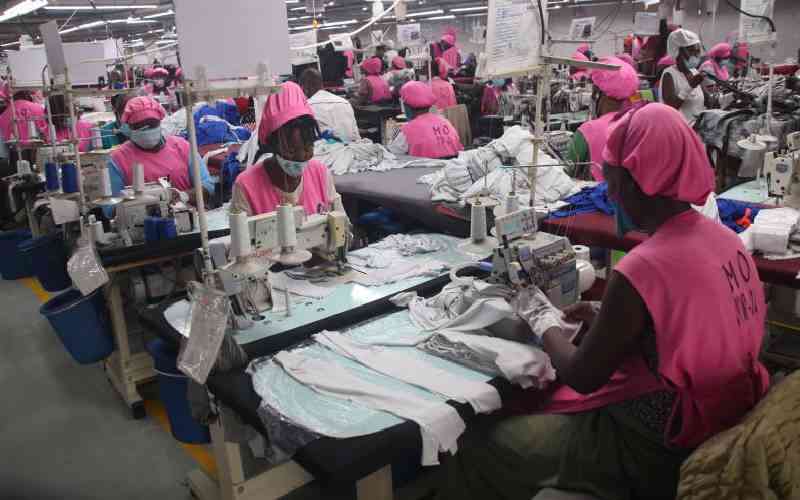
A new bill passed by the United States offers relief for Kenyan exports to the US.The textile and apparel sector has a renewed confidence for expansion after a Bill to extend the African Growth and Opportunity Act (AGOA) for a further three years was passed.The uncertainty that had engulfed the textile and apparel industries now gives way for grown after the United States House of Representatives passed a Bill, marking a critical milestone in US–Africa trade relations.Follow The Standard
channel
on WhatsAppAccording to the Ministry of Trade, discussions are ongoing on bilateral trade agreement that will cover other key sectors and further cement Kenya’s long-standing partnership with the United States.Trade CS Lee Kinyanjui said, one of the country’s key priority is expanding the export basket.“As a Ministry, we aim to grow exports of additional products under theAGOAframework beyond textiles, ensuring that Kenya fully leverages this opportunity to create jobs and generate wealth,” Kinyanjui said.Further, he revealed that there were discussions to enhance market access to the US for Kenyan products, during the recent visit by President William Ruto to Washington, DC.In Kenya, the textile and apparel industries operating within the Export Processing Zones (EPZs) employ over 80,000 people directly and an additional 250,000 indirectly.Kenya’smajor exports to the USinclude textiles and apparel, coffee, tea, horticultural products, and tourism services.Enacted in 2000, the Kenya-USAGOAagreement grants Kenya and other sub-Saharan African countries duty-free access to the US market for over 1,800 products, with a strong focus on textiles, apparel, agriculture and other goods.Kenya has been one of the program's top beneficiaries, particularly in the apparel and textile sector, where duty-free exports have supported significant growth, job creation -especially for women in export processing zones, and investment.The trade agreement originally expired on September 30, 2025, after its last 10-year extension in 2015. This lapse created uncertainty, with Kenyan exports such as apparel worth hundreds of millions, facing tariffs and risks to tens of thousands of jobs.This bill extendsAGOApreferences through December 31, 2028. The bill also allows refunds for duties paid on qualifying goods since the September 2025 expiry.The legislation now awaits US Senate approval and presidential signature, expected to proceed.Stay informed. Subscribe to our newsletterBy clicking on theSIGN UPbutton, you agree to ourTerms & Conditionsand thePrivacy PolicySIGN UPThe passing of the bill has been welcomed as a major boost for trade ties, job protection and export diversification.Stay Informed, Stay Empowered: Download the Standard ePaper App!This extension provides a relief for the country amid broader US trade policy shifts under President Donald Trump’s administration.In 2024, Kenya exported apparel and textiles worth approximately Sh60.6 billion (USD470 million) to the US underAGOA. This was a 19.2 per cent increase from Sh50.8 billion in 2023.Apparel volumes rose significantly, from 97.3 million pieces in 2023 to 116 million pieces in 2024.Overall exports to the US, including apparel, coffee, tea, macadamia nuts, and horticulture, hit a three-year high in the first eight months of 2025, reaching about Sh50.87 billion, as traders rushed shipments ahead of the originalAGOAexpiry in September 2025.In 2024,AGOA-accredited firms, mostly in EPZs, directly employed 66,804 workers, a 15.2 per cent increase from 58,002 in 2023,driven by increased ordersamid expiry concerns.Broader EPZ employment reached around 89,900 locals in 2024, with apparel dominating over 90 per cent ofAGOA-related jobs.Officials estimate the sector supports over 80,000 direct jobs in apparel and textiles and up to 250,000 indirect jobs.
The textile and apparel sector has a renewed confidence for expansion after a Bill to extend the African Growth and Opportunity Act (AGOA) for a further three years was passed.The uncertainty that had engulfed the textile and apparel industries now gives way for grown after the United States House of Representatives passed a Bill, marking a critical milestone in US–Africa trade relations.Follow The Standard
channel
on WhatsAppAccording to the Ministry of Trade, discussions are ongoing on bilateral trade agreement that will cover other key sectors and further cement Kenya’s long-standing partnership with the United States.Trade CS Lee Kinyanjui said, one of the country’s key priority is expanding the export basket.“As a Ministry, we aim to grow exports of additional products under theAGOAframework beyond textiles, ensuring that Kenya fully leverages this opportunity to create jobs and generate wealth,” Kinyanjui said.Further, he revealed that there were discussions to enhance market access to the US for Kenyan products, during the recent visit by President William Ruto to Washington, DC.In Kenya, the textile and apparel industries operating within the Export Processing Zones (EPZs) employ over 80,000 people directly and an additional 250,000 indirectly.Kenya’smajor exports to the USinclude textiles and apparel, coffee, tea, horticultural products, and tourism services.Enacted in 2000, the Kenya-USAGOAagreement grants Kenya and other sub-Saharan African countries duty-free access to the US market for over 1,800 products, with a strong focus on textiles, apparel, agriculture and other goods.Kenya has been one of the program's top beneficiaries, particularly in the apparel and textile sector, where duty-free exports have supported significant growth, job creation -especially for women in export processing zones, and investment.The trade agreement originally expired on September 30, 2025, after its last 10-year extension in 2015. This lapse created uncertainty, with Kenyan exports such as apparel worth hundreds of millions, facing tariffs and risks to tens of thousands of jobs.This bill extendsAGOApreferences through December 31, 2028. The bill also allows refunds for duties paid on qualifying goods since the September 2025 expiry.The legislation now awaits US Senate approval and presidential signature, expected to proceed.Stay informed. Subscribe to our newsletterBy clicking on theSIGN UPbutton, you agree to ourTerms & Conditionsand thePrivacy PolicySIGN UPThe passing of the bill has been welcomed as a major boost for trade ties, job protection and export diversification.Stay Informed, Stay Empowered: Download the Standard ePaper App!This extension provides a relief for the country amid broader US trade policy shifts under President Donald Trump’s administration.In 2024, Kenya exported apparel and textiles worth approximately Sh60.6 billion (USD470 million) to the US underAGOA. This was a 19.2 per cent increase from Sh50.8 billion in 2023.Apparel volumes rose significantly, from 97.3 million pieces in 2023 to 116 million pieces in 2024.Overall exports to the US, including apparel, coffee, tea, macadamia nuts, and horticulture, hit a three-year high in the first eight months of 2025, reaching about Sh50.87 billion, as traders rushed shipments ahead of the originalAGOAexpiry in September 2025.In 2024,AGOA-accredited firms, mostly in EPZs, directly employed 66,804 workers, a 15.2 per cent increase from 58,002 in 2023,driven by increased ordersamid expiry concerns.Broader EPZ employment reached around 89,900 locals in 2024, with apparel dominating over 90 per cent ofAGOA-related jobs.Officials estimate the sector supports over 80,000 direct jobs in apparel and textiles and up to 250,000 indirect jobs.
The uncertainty that had engulfed the textile and apparel industries now gives way for grown after the United States House of Representatives passed a Bill, marking a critical milestone in US–Africa trade relations.Follow The Standard
channel
on WhatsAppAccording to the Ministry of Trade, discussions are ongoing on bilateral trade agreement that will cover other key sectors and further cement Kenya’s long-standing partnership with the United States.Trade CS Lee Kinyanjui said, one of the country’s key priority is expanding the export basket.“As a Ministry, we aim to grow exports of additional products under theAGOAframework beyond textiles, ensuring that Kenya fully leverages this opportunity to create jobs and generate wealth,” Kinyanjui said.Further, he revealed that there were discussions to enhance market access to the US for Kenyan products, during the recent visit by President William Ruto to Washington, DC.In Kenya, the textile and apparel industries operating within the Export Processing Zones (EPZs) employ over 80,000 people directly and an additional 250,000 indirectly.Kenya’smajor exports to the USinclude textiles and apparel, coffee, tea, horticultural products, and tourism services.Enacted in 2000, the Kenya-USAGOAagreement grants Kenya and other sub-Saharan African countries duty-free access to the US market for over 1,800 products, with a strong focus on textiles, apparel, agriculture and other goods.Kenya has been one of the program's top beneficiaries, particularly in the apparel and textile sector, where duty-free exports have supported significant growth, job creation -especially for women in export processing zones, and investment.The trade agreement originally expired on September 30, 2025, after its last 10-year extension in 2015. This lapse created uncertainty, with Kenyan exports such as apparel worth hundreds of millions, facing tariffs and risks to tens of thousands of jobs.This bill extendsAGOApreferences through December 31, 2028. The bill also allows refunds for duties paid on qualifying goods since the September 2025 expiry.The legislation now awaits US Senate approval and presidential signature, expected to proceed.Stay informed. Subscribe to our newsletterBy clicking on theSIGN UPbutton, you agree to ourTerms & Conditionsand thePrivacy PolicySIGN UPThe passing of the bill has been welcomed as a major boost for trade ties, job protection and export diversification.Stay Informed, Stay Empowered: Download the Standard ePaper App!This extension provides a relief for the country amid broader US trade policy shifts under President Donald Trump’s administration.In 2024, Kenya exported apparel and textiles worth approximately Sh60.6 billion (USD470 million) to the US underAGOA. This was a 19.2 per cent increase from Sh50.8 billion in 2023.Apparel volumes rose significantly, from 97.3 million pieces in 2023 to 116 million pieces in 2024.Overall exports to the US, including apparel, coffee, tea, macadamia nuts, and horticulture, hit a three-year high in the first eight months of 2025, reaching about Sh50.87 billion, as traders rushed shipments ahead of the originalAGOAexpiry in September 2025.In 2024,AGOA-accredited firms, mostly in EPZs, directly employed 66,804 workers, a 15.2 per cent increase from 58,002 in 2023,driven by increased ordersamid expiry concerns.Broader EPZ employment reached around 89,900 locals in 2024, with apparel dominating over 90 per cent ofAGOA-related jobs.Officials estimate the sector supports over 80,000 direct jobs in apparel and textiles and up to 250,000 indirect jobs.
Follow The Standard
channel
on WhatsAppAccording to the Ministry of Trade, discussions are ongoing on bilateral trade agreement that will cover other key sectors and further cement Kenya’s long-standing partnership with the United States.Trade CS Lee Kinyanjui said, one of the country’s key priority is expanding the export basket.“As a Ministry, we aim to grow exports of additional products under theAGOAframework beyond textiles, ensuring that Kenya fully leverages this opportunity to create jobs and generate wealth,” Kinyanjui said.Further, he revealed that there were discussions to enhance market access to the US for Kenyan products, during the recent visit by President William Ruto to Washington, DC.In Kenya, the textile and apparel industries operating within the Export Processing Zones (EPZs) employ over 80,000 people directly and an additional 250,000 indirectly.Kenya’smajor exports to the USinclude textiles and apparel, coffee, tea, horticultural products, and tourism services.Enacted in 2000, the Kenya-USAGOAagreement grants Kenya and other sub-Saharan African countries duty-free access to the US market for over 1,800 products, with a strong focus on textiles, apparel, agriculture and other goods.Kenya has been one of the program's top beneficiaries, particularly in the apparel and textile sector, where duty-free exports have supported significant growth, job creation -especially for women in export processing zones, and investment.The trade agreement originally expired on September 30, 2025, after its last 10-year extension in 2015. This lapse created uncertainty, with Kenyan exports such as apparel worth hundreds of millions, facing tariffs and risks to tens of thousands of jobs.This bill extendsAGOApreferences through December 31, 2028. The bill also allows refunds for duties paid on qualifying goods since the September 2025 expiry.The legislation now awaits US Senate approval and presidential signature, expected to proceed.Stay informed. Subscribe to our newsletterBy clicking on theSIGN UPbutton, you agree to ourTerms & Conditionsand thePrivacy PolicySIGN UPThe passing of the bill has been welcomed as a major boost for trade ties, job protection and export diversification.Stay Informed, Stay Empowered: Download the Standard ePaper App!This extension provides a relief for the country amid broader US trade policy shifts under President Donald Trump’s administration.In 2024, Kenya exported apparel and textiles worth approximately Sh60.6 billion (USD470 million) to the US underAGOA. This was a 19.2 per cent increase from Sh50.8 billion in 2023.Apparel volumes rose significantly, from 97.3 million pieces in 2023 to 116 million pieces in 2024.Overall exports to the US, including apparel, coffee, tea, macadamia nuts, and horticulture, hit a three-year high in the first eight months of 2025, reaching about Sh50.87 billion, as traders rushed shipments ahead of the originalAGOAexpiry in September 2025.In 2024,AGOA-accredited firms, mostly in EPZs, directly employed 66,804 workers, a 15.2 per cent increase from 58,002 in 2023,driven by increased ordersamid expiry concerns.Broader EPZ employment reached around 89,900 locals in 2024, with apparel dominating over 90 per cent ofAGOA-related jobs.Officials estimate the sector supports over 80,000 direct jobs in apparel and textiles and up to 250,000 indirect jobs.
According to the Ministry of Trade, discussions are ongoing on bilateral trade agreement that will cover other key sectors and further cement Kenya’s long-standing partnership with the United States.Trade CS Lee Kinyanjui said, one of the country’s key priority is expanding the export basket.“As a Ministry, we aim to grow exports of additional products under theAGOAframework beyond textiles, ensuring that Kenya fully leverages this opportunity to create jobs and generate wealth,” Kinyanjui said.Further, he revealed that there were discussions to enhance market access to the US for Kenyan products, during the recent visit by President William Ruto to Washington, DC.In Kenya, the textile and apparel industries operating within the Export Processing Zones (EPZs) employ over 80,000 people directly and an additional 250,000 indirectly.Kenya’smajor exports to the USinclude textiles and apparel, coffee, tea, horticultural products, and tourism services.Enacted in 2000, the Kenya-USAGOAagreement grants Kenya and other sub-Saharan African countries duty-free access to the US market for over 1,800 products, with a strong focus on textiles, apparel, agriculture and other goods.Kenya has been one of the program's top beneficiaries, particularly in the apparel and textile sector, where duty-free exports have supported significant growth, job creation -especially for women in export processing zones, and investment.The trade agreement originally expired on September 30, 2025, after its last 10-year extension in 2015. This lapse created uncertainty, with Kenyan exports such as apparel worth hundreds of millions, facing tariffs and risks to tens of thousands of jobs.This bill extendsAGOApreferences through December 31, 2028. The bill also allows refunds for duties paid on qualifying goods since the September 2025 expiry.The legislation now awaits US Senate approval and presidential signature, expected to proceed.Stay informed. Subscribe to our newsletterBy clicking on theSIGN UPbutton, you agree to ourTerms & Conditionsand thePrivacy PolicySIGN UPThe passing of the bill has been welcomed as a major boost for trade ties, job protection and export diversification.Stay Informed, Stay Empowered: Download the Standard ePaper App!This extension provides a relief for the country amid broader US trade policy shifts under President Donald Trump’s administration.In 2024, Kenya exported apparel and textiles worth approximately Sh60.6 billion (USD470 million) to the US underAGOA. This was a 19.2 per cent increase from Sh50.8 billion in 2023.Apparel volumes rose significantly, from 97.3 million pieces in 2023 to 116 million pieces in 2024.Overall exports to the US, including apparel, coffee, tea, macadamia nuts, and horticulture, hit a three-year high in the first eight months of 2025, reaching about Sh50.87 billion, as traders rushed shipments ahead of the originalAGOAexpiry in September 2025.In 2024,AGOA-accredited firms, mostly in EPZs, directly employed 66,804 workers, a 15.2 per cent increase from 58,002 in 2023,driven by increased ordersamid expiry concerns.Broader EPZ employment reached around 89,900 locals in 2024, with apparel dominating over 90 per cent ofAGOA-related jobs.Officials estimate the sector supports over 80,000 direct jobs in apparel and textiles and up to 250,000 indirect jobs.
Trade CS Lee Kinyanjui said, one of the country’s key priority is expanding the export basket.“As a Ministry, we aim to grow exports of additional products under theAGOAframework beyond textiles, ensuring that Kenya fully leverages this opportunity to create jobs and generate wealth,” Kinyanjui said.Further, he revealed that there were discussions to enhance market access to the US for Kenyan products, during the recent visit by President William Ruto to Washington, DC.In Kenya, the textile and apparel industries operating within the Export Processing Zones (EPZs) employ over 80,000 people directly and an additional 250,000 indirectly.Kenya’smajor exports to the USinclude textiles and apparel, coffee, tea, horticultural products, and tourism services.Enacted in 2000, the Kenya-USAGOAagreement grants Kenya and other sub-Saharan African countries duty-free access to the US market for over 1,800 products, with a strong focus on textiles, apparel, agriculture and other goods.Kenya has been one of the program's top beneficiaries, particularly in the apparel and textile sector, where duty-free exports have supported significant growth, job creation -especially for women in export processing zones, and investment.The trade agreement originally expired on September 30, 2025, after its last 10-year extension in 2015. This lapse created uncertainty, with Kenyan exports such as apparel worth hundreds of millions, facing tariffs and risks to tens of thousands of jobs.This bill extendsAGOApreferences through December 31, 2028. The bill also allows refunds for duties paid on qualifying goods since the September 2025 expiry.The legislation now awaits US Senate approval and presidential signature, expected to proceed.Stay informed. Subscribe to our newsletterBy clicking on theSIGN UPbutton, you agree to ourTerms & Conditionsand thePrivacy PolicySIGN UPThe passing of the bill has been welcomed as a major boost for trade ties, job protection and export diversification.Stay Informed, Stay Empowered: Download the Standard ePaper App!This extension provides a relief for the country amid broader US trade policy shifts under President Donald Trump’s administration.In 2024, Kenya exported apparel and textiles worth approximately Sh60.6 billion (USD470 million) to the US underAGOA. This was a 19.2 per cent increase from Sh50.8 billion in 2023.Apparel volumes rose significantly, from 97.3 million pieces in 2023 to 116 million pieces in 2024.Overall exports to the US, including apparel, coffee, tea, macadamia nuts, and horticulture, hit a three-year high in the first eight months of 2025, reaching about Sh50.87 billion, as traders rushed shipments ahead of the originalAGOAexpiry in September 2025.In 2024,AGOA-accredited firms, mostly in EPZs, directly employed 66,804 workers, a 15.2 per cent increase from 58,002 in 2023,driven by increased ordersamid expiry concerns.Broader EPZ employment reached around 89,900 locals in 2024, with apparel dominating over 90 per cent ofAGOA-related jobs.Officials estimate the sector supports over 80,000 direct jobs in apparel and textiles and up to 250,000 indirect jobs.
“As a Ministry, we aim to grow exports of additional products under theAGOAframework beyond textiles, ensuring that Kenya fully leverages this opportunity to create jobs and generate wealth,” Kinyanjui said.Further, he revealed that there were discussions to enhance market access to the US for Kenyan products, during the recent visit by President William Ruto to Washington, DC.In Kenya, the textile and apparel industries operating within the Export Processing Zones (EPZs) employ over 80,000 people directly and an additional 250,000 indirectly.Kenya’smajor exports to the USinclude textiles and apparel, coffee, tea, horticultural products, and tourism services.Enacted in 2000, the Kenya-USAGOAagreement grants Kenya and other sub-Saharan African countries duty-free access to the US market for over 1,800 products, with a strong focus on textiles, apparel, agriculture and other goods.Kenya has been one of the program's top beneficiaries, particularly in the apparel and textile sector, where duty-free exports have supported significant growth, job creation -especially for women in export processing zones, and investment.The trade agreement originally expired on September 30, 2025, after its last 10-year extension in 2015. This lapse created uncertainty, with Kenyan exports such as apparel worth hundreds of millions, facing tariffs and risks to tens of thousands of jobs.This bill extendsAGOApreferences through December 31, 2028. The bill also allows refunds for duties paid on qualifying goods since the September 2025 expiry.The legislation now awaits US Senate approval and presidential signature, expected to proceed.Stay informed. Subscribe to our newsletterBy clicking on theSIGN UPbutton, you agree to ourTerms & Conditionsand thePrivacy PolicySIGN UPThe passing of the bill has been welcomed as a major boost for trade ties, job protection and export diversification.Stay Informed, Stay Empowered: Download the Standard ePaper App!This extension provides a relief for the country amid broader US trade policy shifts under President Donald Trump’s administration.In 2024, Kenya exported apparel and textiles worth approximately Sh60.6 billion (USD470 million) to the US underAGOA. This was a 19.2 per cent increase from Sh50.8 billion in 2023.Apparel volumes rose significantly, from 97.3 million pieces in 2023 to 116 million pieces in 2024.Overall exports to the US, including apparel, coffee, tea, macadamia nuts, and horticulture, hit a three-year high in the first eight months of 2025, reaching about Sh50.87 billion, as traders rushed shipments ahead of the originalAGOAexpiry in September 2025.In 2024,AGOA-accredited firms, mostly in EPZs, directly employed 66,804 workers, a 15.2 per cent increase from 58,002 in 2023,driven by increased ordersamid expiry concerns.Broader EPZ employment reached around 89,900 locals in 2024, with apparel dominating over 90 per cent ofAGOA-related jobs.Officials estimate the sector supports over 80,000 direct jobs in apparel and textiles and up to 250,000 indirect jobs.
Further, he revealed that there were discussions to enhance market access to the US for Kenyan products, during the recent visit by President William Ruto to Washington, DC.In Kenya, the textile and apparel industries operating within the Export Processing Zones (EPZs) employ over 80,000 people directly and an additional 250,000 indirectly.Kenya’smajor exports to the USinclude textiles and apparel, coffee, tea, horticultural products, and tourism services.Enacted in 2000, the Kenya-USAGOAagreement grants Kenya and other sub-Saharan African countries duty-free access to the US market for over 1,800 products, with a strong focus on textiles, apparel, agriculture and other goods.Kenya has been one of the program's top beneficiaries, particularly in the apparel and textile sector, where duty-free exports have supported significant growth, job creation -especially for women in export processing zones, and investment.The trade agreement originally expired on September 30, 2025, after its last 10-year extension in 2015. This lapse created uncertainty, with Kenyan exports such as apparel worth hundreds of millions, facing tariffs and risks to tens of thousands of jobs.This bill extendsAGOApreferences through December 31, 2028. The bill also allows refunds for duties paid on qualifying goods since the September 2025 expiry.The legislation now awaits US Senate approval and presidential signature, expected to proceed.Stay informed. Subscribe to our newsletterBy clicking on theSIGN UPbutton, you agree to ourTerms & Conditionsand thePrivacy PolicySIGN UPThe passing of the bill has been welcomed as a major boost for trade ties, job protection and export diversification.Stay Informed, Stay Empowered: Download the Standard ePaper App!This extension provides a relief for the country amid broader US trade policy shifts under President Donald Trump’s administration.In 2024, Kenya exported apparel and textiles worth approximately Sh60.6 billion (USD470 million) to the US underAGOA. This was a 19.2 per cent increase from Sh50.8 billion in 2023.Apparel volumes rose significantly, from 97.3 million pieces in 2023 to 116 million pieces in 2024.Overall exports to the US, including apparel, coffee, tea, macadamia nuts, and horticulture, hit a three-year high in the first eight months of 2025, reaching about Sh50.87 billion, as traders rushed shipments ahead of the originalAGOAexpiry in September 2025.In 2024,AGOA-accredited firms, mostly in EPZs, directly employed 66,804 workers, a 15.2 per cent increase from 58,002 in 2023,driven by increased ordersamid expiry concerns.Broader EPZ employment reached around 89,900 locals in 2024, with apparel dominating over 90 per cent ofAGOA-related jobs.Officials estimate the sector supports over 80,000 direct jobs in apparel and textiles and up to 250,000 indirect jobs.
In Kenya, the textile and apparel industries operating within the Export Processing Zones (EPZs) employ over 80,000 people directly and an additional 250,000 indirectly.Kenya’smajor exports to the USinclude textiles and apparel, coffee, tea, horticultural products, and tourism services.Enacted in 2000, the Kenya-USAGOAagreement grants Kenya and other sub-Saharan African countries duty-free access to the US market for over 1,800 products, with a strong focus on textiles, apparel, agriculture and other goods.Kenya has been one of the program's top beneficiaries, particularly in the apparel and textile sector, where duty-free exports have supported significant growth, job creation -especially for women in export processing zones, and investment.The trade agreement originally expired on September 30, 2025, after its last 10-year extension in 2015. This lapse created uncertainty, with Kenyan exports such as apparel worth hundreds of millions, facing tariffs and risks to tens of thousands of jobs.This bill extendsAGOApreferences through December 31, 2028. The bill also allows refunds for duties paid on qualifying goods since the September 2025 expiry.The legislation now awaits US Senate approval and presidential signature, expected to proceed.Stay informed. Subscribe to our newsletterBy clicking on theSIGN UPbutton, you agree to ourTerms & Conditionsand thePrivacy PolicySIGN UPThe passing of the bill has been welcomed as a major boost for trade ties, job protection and export diversification.Stay Informed, Stay Empowered: Download the Standard ePaper App!This extension provides a relief for the country amid broader US trade policy shifts under President Donald Trump’s administration.In 2024, Kenya exported apparel and textiles worth approximately Sh60.6 billion (USD470 million) to the US underAGOA. This was a 19.2 per cent increase from Sh50.8 billion in 2023.Apparel volumes rose significantly, from 97.3 million pieces in 2023 to 116 million pieces in 2024.Overall exports to the US, including apparel, coffee, tea, macadamia nuts, and horticulture, hit a three-year high in the first eight months of 2025, reaching about Sh50.87 billion, as traders rushed shipments ahead of the originalAGOAexpiry in September 2025.In 2024,AGOA-accredited firms, mostly in EPZs, directly employed 66,804 workers, a 15.2 per cent increase from 58,002 in 2023,driven by increased ordersamid expiry concerns.Broader EPZ employment reached around 89,900 locals in 2024, with apparel dominating over 90 per cent ofAGOA-related jobs.Officials estimate the sector supports over 80,000 direct jobs in apparel and textiles and up to 250,000 indirect jobs.
Kenya’smajor exports to the USinclude textiles and apparel, coffee, tea, horticultural products, and tourism services.Enacted in 2000, the Kenya-USAGOAagreement grants Kenya and other sub-Saharan African countries duty-free access to the US market for over 1,800 products, with a strong focus on textiles, apparel, agriculture and other goods.Kenya has been one of the program's top beneficiaries, particularly in the apparel and textile sector, where duty-free exports have supported significant growth, job creation -especially for women in export processing zones, and investment.The trade agreement originally expired on September 30, 2025, after its last 10-year extension in 2015. This lapse created uncertainty, with Kenyan exports such as apparel worth hundreds of millions, facing tariffs and risks to tens of thousands of jobs.This bill extendsAGOApreferences through December 31, 2028. The bill also allows refunds for duties paid on qualifying goods since the September 2025 expiry.The legislation now awaits US Senate approval and presidential signature, expected to proceed.Stay informed. Subscribe to our newsletterBy clicking on theSIGN UPbutton, you agree to ourTerms & Conditionsand thePrivacy PolicySIGN UPThe passing of the bill has been welcomed as a major boost for trade ties, job protection and export diversification.Stay Informed, Stay Empowered: Download the Standard ePaper App!This extension provides a relief for the country amid broader US trade policy shifts under President Donald Trump’s administration.In 2024, Kenya exported apparel and textiles worth approximately Sh60.6 billion (USD470 million) to the US underAGOA. This was a 19.2 per cent increase from Sh50.8 billion in 2023.Apparel volumes rose significantly, from 97.3 million pieces in 2023 to 116 million pieces in 2024.Overall exports to the US, including apparel, coffee, tea, macadamia nuts, and horticulture, hit a three-year high in the first eight months of 2025, reaching about Sh50.87 billion, as traders rushed shipments ahead of the originalAGOAexpiry in September 2025.In 2024,AGOA-accredited firms, mostly in EPZs, directly employed 66,804 workers, a 15.2 per cent increase from 58,002 in 2023,driven by increased ordersamid expiry concerns.Broader EPZ employment reached around 89,900 locals in 2024, with apparel dominating over 90 per cent ofAGOA-related jobs.Officials estimate the sector supports over 80,000 direct jobs in apparel and textiles and up to 250,000 indirect jobs.
Enacted in 2000, the Kenya-USAGOAagreement grants Kenya and other sub-Saharan African countries duty-free access to the US market for over 1,800 products, with a strong focus on textiles, apparel, agriculture and other goods.Kenya has been one of the program's top beneficiaries, particularly in the apparel and textile sector, where duty-free exports have supported significant growth, job creation -especially for women in export processing zones, and investment.The trade agreement originally expired on September 30, 2025, after its last 10-year extension in 2015. This lapse created uncertainty, with Kenyan exports such as apparel worth hundreds of millions, facing tariffs and risks to tens of thousands of jobs.This bill extendsAGOApreferences through December 31, 2028. The bill also allows refunds for duties paid on qualifying goods since the September 2025 expiry.The legislation now awaits US Senate approval and presidential signature, expected to proceed.Stay informed. Subscribe to our newsletterBy clicking on theSIGN UPbutton, you agree to ourTerms & Conditionsand thePrivacy PolicySIGN UPThe passing of the bill has been welcomed as a major boost for trade ties, job protection and export diversification.Stay Informed, Stay Empowered: Download the Standard ePaper App!This extension provides a relief for the country amid broader US trade policy shifts under President Donald Trump’s administration.In 2024, Kenya exported apparel and textiles worth approximately Sh60.6 billion (USD470 million) to the US underAGOA. This was a 19.2 per cent increase from Sh50.8 billion in 2023.Apparel volumes rose significantly, from 97.3 million pieces in 2023 to 116 million pieces in 2024.Overall exports to the US, including apparel, coffee, tea, macadamia nuts, and horticulture, hit a three-year high in the first eight months of 2025, reaching about Sh50.87 billion, as traders rushed shipments ahead of the originalAGOAexpiry in September 2025.In 2024,AGOA-accredited firms, mostly in EPZs, directly employed 66,804 workers, a 15.2 per cent increase from 58,002 in 2023,driven by increased ordersamid expiry concerns.Broader EPZ employment reached around 89,900 locals in 2024, with apparel dominating over 90 per cent ofAGOA-related jobs.Officials estimate the sector supports over 80,000 direct jobs in apparel and textiles and up to 250,000 indirect jobs.
Kenya has been one of the program's top beneficiaries, particularly in the apparel and textile sector, where duty-free exports have supported significant growth, job creation -especially for women in export processing zones, and investment.The trade agreement originally expired on September 30, 2025, after its last 10-year extension in 2015. This lapse created uncertainty, with Kenyan exports such as apparel worth hundreds of millions, facing tariffs and risks to tens of thousands of jobs.This bill extendsAGOApreferences through December 31, 2028. The bill also allows refunds for duties paid on qualifying goods since the September 2025 expiry.The legislation now awaits US Senate approval and presidential signature, expected to proceed.Stay informed. Subscribe to our newsletterBy clicking on theSIGN UPbutton, you agree to ourTerms & Conditionsand thePrivacy PolicySIGN UPThe passing of the bill has been welcomed as a major boost for trade ties, job protection and export diversification.Stay Informed, Stay Empowered: Download the Standard ePaper App!This extension provides a relief for the country amid broader US trade policy shifts under President Donald Trump’s administration.In 2024, Kenya exported apparel and textiles worth approximately Sh60.6 billion (USD470 million) to the US underAGOA. This was a 19.2 per cent increase from Sh50.8 billion in 2023.Apparel volumes rose significantly, from 97.3 million pieces in 2023 to 116 million pieces in 2024.Overall exports to the US, including apparel, coffee, tea, macadamia nuts, and horticulture, hit a three-year high in the first eight months of 2025, reaching about Sh50.87 billion, as traders rushed shipments ahead of the originalAGOAexpiry in September 2025.In 2024,AGOA-accredited firms, mostly in EPZs, directly employed 66,804 workers, a 15.2 per cent increase from 58,002 in 2023,driven by increased ordersamid expiry concerns.Broader EPZ employment reached around 89,900 locals in 2024, with apparel dominating over 90 per cent ofAGOA-related jobs.Officials estimate the sector supports over 80,000 direct jobs in apparel and textiles and up to 250,000 indirect jobs.
The trade agreement originally expired on September 30, 2025, after its last 10-year extension in 2015. This lapse created uncertainty, with Kenyan exports such as apparel worth hundreds of millions, facing tariffs and risks to tens of thousands of jobs.This bill extendsAGOApreferences through December 31, 2028. The bill also allows refunds for duties paid on qualifying goods since the September 2025 expiry.The legislation now awaits US Senate approval and presidential signature, expected to proceed.Stay informed. Subscribe to our newsletterBy clicking on theSIGN UPbutton, you agree to ourTerms & Conditionsand thePrivacy PolicySIGN UPThe passing of the bill has been welcomed as a major boost for trade ties, job protection and export diversification.Stay Informed, Stay Empowered: Download the Standard ePaper App!This extension provides a relief for the country amid broader US trade policy shifts under President Donald Trump’s administration.In 2024, Kenya exported apparel and textiles worth approximately Sh60.6 billion (USD470 million) to the US underAGOA. This was a 19.2 per cent increase from Sh50.8 billion in 2023.Apparel volumes rose significantly, from 97.3 million pieces in 2023 to 116 million pieces in 2024.Overall exports to the US, including apparel, coffee, tea, macadamia nuts, and horticulture, hit a three-year high in the first eight months of 2025, reaching about Sh50.87 billion, as traders rushed shipments ahead of the originalAGOAexpiry in September 2025.In 2024,AGOA-accredited firms, mostly in EPZs, directly employed 66,804 workers, a 15.2 per cent increase from 58,002 in 2023,driven by increased ordersamid expiry concerns.Broader EPZ employment reached around 89,900 locals in 2024, with apparel dominating over 90 per cent ofAGOA-related jobs.Officials estimate the sector supports over 80,000 direct jobs in apparel and textiles and up to 250,000 indirect jobs.
This bill extendsAGOApreferences through December 31, 2028. The bill also allows refunds for duties paid on qualifying goods since the September 2025 expiry.The legislation now awaits US Senate approval and presidential signature, expected to proceed.Stay informed. Subscribe to our newsletterBy clicking on theSIGN UPbutton, you agree to ourTerms & Conditionsand thePrivacy PolicySIGN UPThe passing of the bill has been welcomed as a major boost for trade ties, job protection and export diversification.Stay Informed, Stay Empowered: Download the Standard ePaper App!This extension provides a relief for the country amid broader US trade policy shifts under President Donald Trump’s administration.In 2024, Kenya exported apparel and textiles worth approximately Sh60.6 billion (USD470 million) to the US underAGOA. This was a 19.2 per cent increase from Sh50.8 billion in 2023.Apparel volumes rose significantly, from 97.3 million pieces in 2023 to 116 million pieces in 2024.Overall exports to the US, including apparel, coffee, tea, macadamia nuts, and horticulture, hit a three-year high in the first eight months of 2025, reaching about Sh50.87 billion, as traders rushed shipments ahead of the originalAGOAexpiry in September 2025.In 2024,AGOA-accredited firms, mostly in EPZs, directly employed 66,804 workers, a 15.2 per cent increase from 58,002 in 2023,driven by increased ordersamid expiry concerns.Broader EPZ employment reached around 89,900 locals in 2024, with apparel dominating over 90 per cent ofAGOA-related jobs.Officials estimate the sector supports over 80,000 direct jobs in apparel and textiles and up to 250,000 indirect jobs.
The legislation now awaits US Senate approval and presidential signature, expected to proceed.Stay informed. Subscribe to our newsletterBy clicking on theSIGN UPbutton, you agree to ourTerms & Conditionsand thePrivacy PolicySIGN UPThe passing of the bill has been welcomed as a major boost for trade ties, job protection and export diversification.Stay Informed, Stay Empowered: Download the Standard ePaper App!This extension provides a relief for the country amid broader US trade policy shifts under President Donald Trump’s administration.In 2024, Kenya exported apparel and textiles worth approximately Sh60.6 billion (USD470 million) to the US underAGOA. This was a 19.2 per cent increase from Sh50.8 billion in 2023.Apparel volumes rose significantly, from 97.3 million pieces in 2023 to 116 million pieces in 2024.Overall exports to the US, including apparel, coffee, tea, macadamia nuts, and horticulture, hit a three-year high in the first eight months of 2025, reaching about Sh50.87 billion, as traders rushed shipments ahead of the originalAGOAexpiry in September 2025.In 2024,AGOA-accredited firms, mostly in EPZs, directly employed 66,804 workers, a 15.2 per cent increase from 58,002 in 2023,driven by increased ordersamid expiry concerns.Broader EPZ employment reached around 89,900 locals in 2024, with apparel dominating over 90 per cent ofAGOA-related jobs.Officials estimate the sector supports over 80,000 direct jobs in apparel and textiles and up to 250,000 indirect jobs.
The passing of the bill has been welcomed as a major boost for trade ties, job protection and export diversification.Stay Informed, Stay Empowered: Download the Standard ePaper App!This extension provides a relief for the country amid broader US trade policy shifts under President Donald Trump’s administration.In 2024, Kenya exported apparel and textiles worth approximately Sh60.6 billion (USD470 million) to the US underAGOA. This was a 19.2 per cent increase from Sh50.8 billion in 2023.Apparel volumes rose significantly, from 97.3 million pieces in 2023 to 116 million pieces in 2024.Overall exports to the US, including apparel, coffee, tea, macadamia nuts, and horticulture, hit a three-year high in the first eight months of 2025, reaching about Sh50.87 billion, as traders rushed shipments ahead of the originalAGOAexpiry in September 2025.In 2024,AGOA-accredited firms, mostly in EPZs, directly employed 66,804 workers, a 15.2 per cent increase from 58,002 in 2023,driven by increased ordersamid expiry concerns.Broader EPZ employment reached around 89,900 locals in 2024, with apparel dominating over 90 per cent ofAGOA-related jobs.Officials estimate the sector supports over 80,000 direct jobs in apparel and textiles and up to 250,000 indirect jobs.
This extension provides a relief for the country amid broader US trade policy shifts under President Donald Trump’s administration.In 2024, Kenya exported apparel and textiles worth approximately Sh60.6 billion (USD470 million) to the US underAGOA. This was a 19.2 per cent increase from Sh50.8 billion in 2023.Apparel volumes rose significantly, from 97.3 million pieces in 2023 to 116 million pieces in 2024.Overall exports to the US, including apparel, coffee, tea, macadamia nuts, and horticulture, hit a three-year high in the first eight months of 2025, reaching about Sh50.87 billion, as traders rushed shipments ahead of the originalAGOAexpiry in September 2025.In 2024,AGOA-accredited firms, mostly in EPZs, directly employed 66,804 workers, a 15.2 per cent increase from 58,002 in 2023,driven by increased ordersamid expiry concerns.Broader EPZ employment reached around 89,900 locals in 2024, with apparel dominating over 90 per cent ofAGOA-related jobs.Officials estimate the sector supports over 80,000 direct jobs in apparel and textiles and up to 250,000 indirect jobs.
In 2024, Kenya exported apparel and textiles worth approximately Sh60.6 billion (USD470 million) to the US underAGOA. This was a 19.2 per cent increase from Sh50.8 billion in 2023.Apparel volumes rose significantly, from 97.3 million pieces in 2023 to 116 million pieces in 2024.Overall exports to the US, including apparel, coffee, tea, macadamia nuts, and horticulture, hit a three-year high in the first eight months of 2025, reaching about Sh50.87 billion, as traders rushed shipments ahead of the originalAGOAexpiry in September 2025.In 2024,AGOA-accredited firms, mostly in EPZs, directly employed 66,804 workers, a 15.2 per cent increase from 58,002 in 2023,driven by increased ordersamid expiry concerns.Broader EPZ employment reached around 89,900 locals in 2024, with apparel dominating over 90 per cent ofAGOA-related jobs.Officials estimate the sector supports over 80,000 direct jobs in apparel and textiles and up to 250,000 indirect jobs.
Apparel volumes rose significantly, from 97.3 million pieces in 2023 to 116 million pieces in 2024.Overall exports to the US, including apparel, coffee, tea, macadamia nuts, and horticulture, hit a three-year high in the first eight months of 2025, reaching about Sh50.87 billion, as traders rushed shipments ahead of the originalAGOAexpiry in September 2025.In 2024,AGOA-accredited firms, mostly in EPZs, directly employed 66,804 workers, a 15.2 per cent increase from 58,002 in 2023,driven by increased ordersamid expiry concerns.Broader EPZ employment reached around 89,900 locals in 2024, with apparel dominating over 90 per cent ofAGOA-related jobs.Officials estimate the sector supports over 80,000 direct jobs in apparel and textiles and up to 250,000 indirect jobs.
Overall exports to the US, including apparel, coffee, tea, macadamia nuts, and horticulture, hit a three-year high in the first eight months of 2025, reaching about Sh50.87 billion, as traders rushed shipments ahead of the originalAGOAexpiry in September 2025.In 2024,AGOA-accredited firms, mostly in EPZs, directly employed 66,804 workers, a 15.2 per cent increase from 58,002 in 2023,driven by increased ordersamid expiry concerns.Broader EPZ employment reached around 89,900 locals in 2024, with apparel dominating over 90 per cent ofAGOA-related jobs.Officials estimate the sector supports over 80,000 direct jobs in apparel and textiles and up to 250,000 indirect jobs.
In 2024,AGOA-accredited firms, mostly in EPZs, directly employed 66,804 workers, a 15.2 per cent increase from 58,002 in 2023,driven by increased ordersamid expiry concerns.Broader EPZ employment reached around 89,900 locals in 2024, with apparel dominating over 90 per cent ofAGOA-related jobs.Officials estimate the sector supports over 80,000 direct jobs in apparel and textiles and up to 250,000 indirect jobs.
Broader EPZ employment reached around 89,900 locals in 2024, with apparel dominating over 90 per cent ofAGOA-related jobs.Officials estimate the sector supports over 80,000 direct jobs in apparel and textiles and up to 250,000 indirect jobs.
Officials estimate the sector supports over 80,000 direct jobs in apparel and textiles and up to 250,000 indirect jobs.
Subscribe to our newsletter and stay updated on the latest developments and special
offers!
Pick your favourite topics below for a tailor made homepage just for you