
Writer and filmmaker Meja Mwangi is dead
Source: The Standard
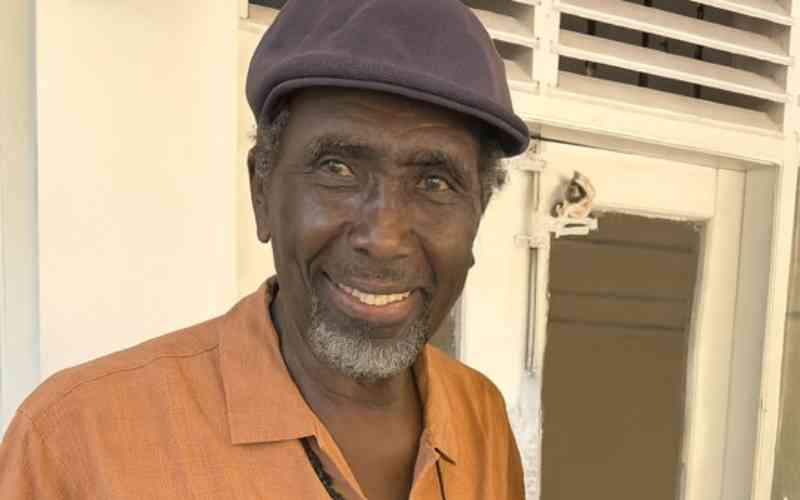
Kenyan writer and filmmaker David Dominic Mwangi, popularly known as Meja Mwangi, is dead.Mwangi passed away in Malindi on Thursday, December 11, at the age of 78.He was widely regarded as one of Kenya’s most influential literary figures, admired for his vivid storytelling and his commitment to portraying the social realities of ordinary Kenyans.Follow The Standard
channel
on WhatsAppPublishers, fellow writers and readers expressed sadness at his passing, remembering him as a voice of honesty and courage whose works captured the struggles, humour and resilience of everyday life.“Meja Mwangi made my childhood imagination wander. Such a great writer,” X user Hamza K wrote.Another added, “He shaped the literary direction of an entire generation with his work. RIP Meja Mwangi. You may be gone, but you live on in your books and in the minds of the millions you enthralled.”Born in Nanyuki, Mwangi emerged on the Kenyan literary scene in the early 1970s and quickly became one of the country’s most respected novelists.His first published novel,Kill Me Quick(1973), won the Jomo Kenyatta Prize for Literature, establishing him as a fresh and important voice in African writing.He went on to publish several acclaimed works, includingGoing Down River Road(1976) andThe Cockroach Dance(1979). These novels examined urban poverty, crime and the daily struggles of young people in Nairobi and other Kenyan towns.His writing was marked by realism, sharp social insight and unforgettable characters.Another notable work is theCarcase for Hounds(1974), which explored the Mau Mau liberation struggle, reflecting on Kenya’s painful colonial past and the sacrifices made during the fight for independence.Mwangi also wrote short stories and children’s books, showcasing his range and versatility as a storyteller.Beyond literature, he made significant contributions to film and media, working as a screenwriter, assistant director and casting professional. Several of his works were translated into multiple languages and adapted for film, earning him international recognition.Stay informed. Subscribe to our newsletterBy clicking on theSIGN UPbutton, you agree to ourTerms & Conditionsand thePrivacy PolicySIGN UPFollow The Standard
channel
on WhatsApp
Mwangi passed away in Malindi on Thursday, December 11, at the age of 78.He was widely regarded as one of Kenya’s most influential literary figures, admired for his vivid storytelling and his commitment to portraying the social realities of ordinary Kenyans.Follow The Standard
channel
on WhatsAppPublishers, fellow writers and readers expressed sadness at his passing, remembering him as a voice of honesty and courage whose works captured the struggles, humour and resilience of everyday life.“Meja Mwangi made my childhood imagination wander. Such a great writer,” X user Hamza K wrote.Another added, “He shaped the literary direction of an entire generation with his work. RIP Meja Mwangi. You may be gone, but you live on in your books and in the minds of the millions you enthralled.”Born in Nanyuki, Mwangi emerged on the Kenyan literary scene in the early 1970s and quickly became one of the country’s most respected novelists.His first published novel,Kill Me Quick(1973), won the Jomo Kenyatta Prize for Literature, establishing him as a fresh and important voice in African writing.He went on to publish several acclaimed works, includingGoing Down River Road(1976) andThe Cockroach Dance(1979). These novels examined urban poverty, crime and the daily struggles of young people in Nairobi and other Kenyan towns.His writing was marked by realism, sharp social insight and unforgettable characters.Another notable work is theCarcase for Hounds(1974), which explored the Mau Mau liberation struggle, reflecting on Kenya’s painful colonial past and the sacrifices made during the fight for independence.Mwangi also wrote short stories and children’s books, showcasing his range and versatility as a storyteller.Beyond literature, he made significant contributions to film and media, working as a screenwriter, assistant director and casting professional. Several of his works were translated into multiple languages and adapted for film, earning him international recognition.Stay informed. Subscribe to our newsletterBy clicking on theSIGN UPbutton, you agree to ourTerms & Conditionsand thePrivacy PolicySIGN UPFollow The Standard
channel
on WhatsApp
He was widely regarded as one of Kenya’s most influential literary figures, admired for his vivid storytelling and his commitment to portraying the social realities of ordinary Kenyans.Follow The Standard
channel
on WhatsAppPublishers, fellow writers and readers expressed sadness at his passing, remembering him as a voice of honesty and courage whose works captured the struggles, humour and resilience of everyday life.“Meja Mwangi made my childhood imagination wander. Such a great writer,” X user Hamza K wrote.Another added, “He shaped the literary direction of an entire generation with his work. RIP Meja Mwangi. You may be gone, but you live on in your books and in the minds of the millions you enthralled.”Born in Nanyuki, Mwangi emerged on the Kenyan literary scene in the early 1970s and quickly became one of the country’s most respected novelists.His first published novel,Kill Me Quick(1973), won the Jomo Kenyatta Prize for Literature, establishing him as a fresh and important voice in African writing.He went on to publish several acclaimed works, includingGoing Down River Road(1976) andThe Cockroach Dance(1979). These novels examined urban poverty, crime and the daily struggles of young people in Nairobi and other Kenyan towns.His writing was marked by realism, sharp social insight and unforgettable characters.Another notable work is theCarcase for Hounds(1974), which explored the Mau Mau liberation struggle, reflecting on Kenya’s painful colonial past and the sacrifices made during the fight for independence.Mwangi also wrote short stories and children’s books, showcasing his range and versatility as a storyteller.Beyond literature, he made significant contributions to film and media, working as a screenwriter, assistant director and casting professional. Several of his works were translated into multiple languages and adapted for film, earning him international recognition.Stay informed. Subscribe to our newsletterBy clicking on theSIGN UPbutton, you agree to ourTerms & Conditionsand thePrivacy PolicySIGN UPFollow The Standard
channel
on WhatsApp
Publishers, fellow writers and readers expressed sadness at his passing, remembering him as a voice of honesty and courage whose works captured the struggles, humour and resilience of everyday life.“Meja Mwangi made my childhood imagination wander. Such a great writer,” X user Hamza K wrote.Another added, “He shaped the literary direction of an entire generation with his work. RIP Meja Mwangi. You may be gone, but you live on in your books and in the minds of the millions you enthralled.”Born in Nanyuki, Mwangi emerged on the Kenyan literary scene in the early 1970s and quickly became one of the country’s most respected novelists.His first published novel,Kill Me Quick(1973), won the Jomo Kenyatta Prize for Literature, establishing him as a fresh and important voice in African writing.He went on to publish several acclaimed works, includingGoing Down River Road(1976) andThe Cockroach Dance(1979). These novels examined urban poverty, crime and the daily struggles of young people in Nairobi and other Kenyan towns.His writing was marked by realism, sharp social insight and unforgettable characters.Another notable work is theCarcase for Hounds(1974), which explored the Mau Mau liberation struggle, reflecting on Kenya’s painful colonial past and the sacrifices made during the fight for independence.Mwangi also wrote short stories and children’s books, showcasing his range and versatility as a storyteller.Beyond literature, he made significant contributions to film and media, working as a screenwriter, assistant director and casting professional. Several of his works were translated into multiple languages and adapted for film, earning him international recognition.Stay informed. Subscribe to our newsletterBy clicking on theSIGN UPbutton, you agree to ourTerms & Conditionsand thePrivacy PolicySIGN UPFollow The Standard
channel
on WhatsApp
“Meja Mwangi made my childhood imagination wander. Such a great writer,” X user Hamza K wrote.Another added, “He shaped the literary direction of an entire generation with his work. RIP Meja Mwangi. You may be gone, but you live on in your books and in the minds of the millions you enthralled.”Born in Nanyuki, Mwangi emerged on the Kenyan literary scene in the early 1970s and quickly became one of the country’s most respected novelists.His first published novel,Kill Me Quick(1973), won the Jomo Kenyatta Prize for Literature, establishing him as a fresh and important voice in African writing.He went on to publish several acclaimed works, includingGoing Down River Road(1976) andThe Cockroach Dance(1979). These novels examined urban poverty, crime and the daily struggles of young people in Nairobi and other Kenyan towns.His writing was marked by realism, sharp social insight and unforgettable characters.Another notable work is theCarcase for Hounds(1974), which explored the Mau Mau liberation struggle, reflecting on Kenya’s painful colonial past and the sacrifices made during the fight for independence.Mwangi also wrote short stories and children’s books, showcasing his range and versatility as a storyteller.Beyond literature, he made significant contributions to film and media, working as a screenwriter, assistant director and casting professional. Several of his works were translated into multiple languages and adapted for film, earning him international recognition.Stay informed. Subscribe to our newsletterBy clicking on theSIGN UPbutton, you agree to ourTerms & Conditionsand thePrivacy PolicySIGN UPFollow The Standard
channel
on WhatsApp
Another added, “He shaped the literary direction of an entire generation with his work. RIP Meja Mwangi. You may be gone, but you live on in your books and in the minds of the millions you enthralled.”Born in Nanyuki, Mwangi emerged on the Kenyan literary scene in the early 1970s and quickly became one of the country’s most respected novelists.His first published novel,Kill Me Quick(1973), won the Jomo Kenyatta Prize for Literature, establishing him as a fresh and important voice in African writing.He went on to publish several acclaimed works, includingGoing Down River Road(1976) andThe Cockroach Dance(1979). These novels examined urban poverty, crime and the daily struggles of young people in Nairobi and other Kenyan towns.His writing was marked by realism, sharp social insight and unforgettable characters.Another notable work is theCarcase for Hounds(1974), which explored the Mau Mau liberation struggle, reflecting on Kenya’s painful colonial past and the sacrifices made during the fight for independence.Mwangi also wrote short stories and children’s books, showcasing his range and versatility as a storyteller.Beyond literature, he made significant contributions to film and media, working as a screenwriter, assistant director and casting professional. Several of his works were translated into multiple languages and adapted for film, earning him international recognition.Stay informed. Subscribe to our newsletterBy clicking on theSIGN UPbutton, you agree to ourTerms & Conditionsand thePrivacy PolicySIGN UPFollow The Standard
channel
on WhatsApp
Born in Nanyuki, Mwangi emerged on the Kenyan literary scene in the early 1970s and quickly became one of the country’s most respected novelists.His first published novel,Kill Me Quick(1973), won the Jomo Kenyatta Prize for Literature, establishing him as a fresh and important voice in African writing.He went on to publish several acclaimed works, includingGoing Down River Road(1976) andThe Cockroach Dance(1979). These novels examined urban poverty, crime and the daily struggles of young people in Nairobi and other Kenyan towns.His writing was marked by realism, sharp social insight and unforgettable characters.Another notable work is theCarcase for Hounds(1974), which explored the Mau Mau liberation struggle, reflecting on Kenya’s painful colonial past and the sacrifices made during the fight for independence.Mwangi also wrote short stories and children’s books, showcasing his range and versatility as a storyteller.Beyond literature, he made significant contributions to film and media, working as a screenwriter, assistant director and casting professional. Several of his works were translated into multiple languages and adapted for film, earning him international recognition.Stay informed. Subscribe to our newsletterBy clicking on theSIGN UPbutton, you agree to ourTerms & Conditionsand thePrivacy PolicySIGN UPFollow The Standard
channel
on WhatsApp
His first published novel,Kill Me Quick(1973), won the Jomo Kenyatta Prize for Literature, establishing him as a fresh and important voice in African writing.He went on to publish several acclaimed works, includingGoing Down River Road(1976) andThe Cockroach Dance(1979). These novels examined urban poverty, crime and the daily struggles of young people in Nairobi and other Kenyan towns.His writing was marked by realism, sharp social insight and unforgettable characters.Another notable work is theCarcase for Hounds(1974), which explored the Mau Mau liberation struggle, reflecting on Kenya’s painful colonial past and the sacrifices made during the fight for independence.Mwangi also wrote short stories and children’s books, showcasing his range and versatility as a storyteller.Beyond literature, he made significant contributions to film and media, working as a screenwriter, assistant director and casting professional. Several of his works were translated into multiple languages and adapted for film, earning him international recognition.Stay informed. Subscribe to our newsletterBy clicking on theSIGN UPbutton, you agree to ourTerms & Conditionsand thePrivacy PolicySIGN UPFollow The Standard
channel
on WhatsApp
He went on to publish several acclaimed works, includingGoing Down River Road(1976) andThe Cockroach Dance(1979). These novels examined urban poverty, crime and the daily struggles of young people in Nairobi and other Kenyan towns.His writing was marked by realism, sharp social insight and unforgettable characters.Another notable work is theCarcase for Hounds(1974), which explored the Mau Mau liberation struggle, reflecting on Kenya’s painful colonial past and the sacrifices made during the fight for independence.Mwangi also wrote short stories and children’s books, showcasing his range and versatility as a storyteller.Beyond literature, he made significant contributions to film and media, working as a screenwriter, assistant director and casting professional. Several of his works were translated into multiple languages and adapted for film, earning him international recognition.Stay informed. Subscribe to our newsletterBy clicking on theSIGN UPbutton, you agree to ourTerms & Conditionsand thePrivacy PolicySIGN UPFollow The Standard
channel
on WhatsApp
His writing was marked by realism, sharp social insight and unforgettable characters.Another notable work is theCarcase for Hounds(1974), which explored the Mau Mau liberation struggle, reflecting on Kenya’s painful colonial past and the sacrifices made during the fight for independence.Mwangi also wrote short stories and children’s books, showcasing his range and versatility as a storyteller.Beyond literature, he made significant contributions to film and media, working as a screenwriter, assistant director and casting professional. Several of his works were translated into multiple languages and adapted for film, earning him international recognition.Stay informed. Subscribe to our newsletterBy clicking on theSIGN UPbutton, you agree to ourTerms & Conditionsand thePrivacy PolicySIGN UPFollow The Standard
channel
on WhatsApp
Another notable work is theCarcase for Hounds(1974), which explored the Mau Mau liberation struggle, reflecting on Kenya’s painful colonial past and the sacrifices made during the fight for independence.Mwangi also wrote short stories and children’s books, showcasing his range and versatility as a storyteller.Beyond literature, he made significant contributions to film and media, working as a screenwriter, assistant director and casting professional. Several of his works were translated into multiple languages and adapted for film, earning him international recognition.Stay informed. Subscribe to our newsletterBy clicking on theSIGN UPbutton, you agree to ourTerms & Conditionsand thePrivacy PolicySIGN UPFollow The Standard
channel
on WhatsApp
Mwangi also wrote short stories and children’s books, showcasing his range and versatility as a storyteller.Beyond literature, he made significant contributions to film and media, working as a screenwriter, assistant director and casting professional. Several of his works were translated into multiple languages and adapted for film, earning him international recognition.Stay informed. Subscribe to our newsletterBy clicking on theSIGN UPbutton, you agree to ourTerms & Conditionsand thePrivacy PolicySIGN UPFollow The Standard
channel
on WhatsApp
Beyond literature, he made significant contributions to film and media, working as a screenwriter, assistant director and casting professional. Several of his works were translated into multiple languages and adapted for film, earning him international recognition.Stay informed. Subscribe to our newsletterBy clicking on theSIGN UPbutton, you agree to ourTerms & Conditionsand thePrivacy PolicySIGN UPFollow The Standard
channel
on WhatsApp
Subscribe to our newsletter and stay updated on the latest developments and special
offers!
Pick your favourite topics below for a tailor made homepage just for you