
Zero to One programme, a relief to many in Dagoretti South
Source: The Standard
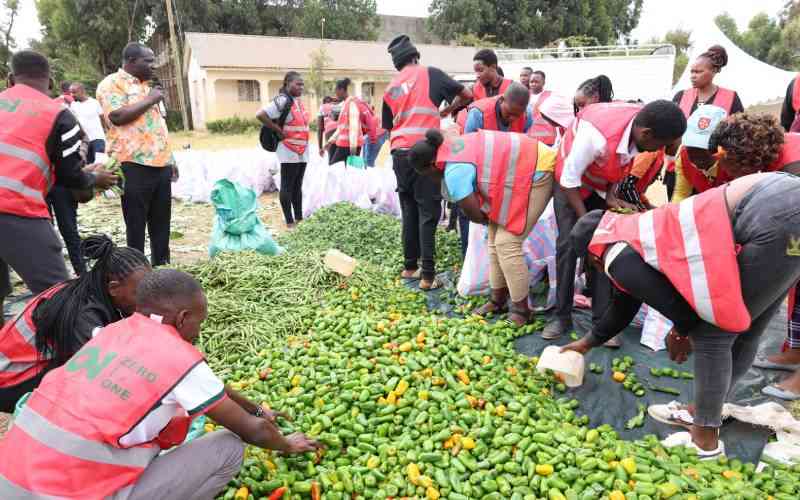
At least 200 vulnerable families in Dagoretti South, Nairobi, have received a lifeline through a food distribution and livelihoods initiative dubbed Zero to One, spearheaded by local food firm Vibo Eats.The programme aims to cushion low-income households against hunger while promoting self-reliance, reducing food wastageand supporting small-scale enterprise.The initiative, which has already been rolled out in several parts of Nairobi County, focuses on distributing fresh farm produce to vulnerable households and linking beneficiaries to income-generating opportunities.Speaking during the distribution exercise at the Dagoretti South Deputy County Commissioner’s compound, Vibo Eats Operations Manager Rachel Mwangi said the programme promotes healthy eating while ensuring food reaches those most in need.Follow The Standard
channel
on WhatsApp“We are distributing fresh vegetables to promote healthy diets while cushioning families against hunger,” Mwangi said.“We work closely with local chiefs and community-based organisations to identify the most vulnerable, including children’s homes, recovering drug users and disadvantaged households.”Veronicah Wanjiru, a Sukuma wiki vendor from Dagoretti, said the approach stands out because it empowers families economically.“This is different from cash handouts. We are given stock to sell, which helps us earn a living and support our families,” Wanjiru said.Another beneficiary, Samson Gichaga from Ngina Road, said the donation has come at a critical time as many households struggle with rising living costs.“These are tough economic times. This support will help my family put food on the table,” he said.Similar sentiments were echoed by Jane Nyambura, who said her family often goes without meals due to high food prices.“Sometimes you sleep hungry because you have no option. This programme has brought hope,” she said.For Florence Kinzi, access to food has been a daily struggle. Living with a disability and staying alone, she saidfinancial constraintshave even affected her family’s access to education.“One of my siblings could not join junior secondary school because we lacked money,” Kinzi said, appealing to the government to increase support for vulnerable persons.Vibo Eats CEO Joseph Kariuki said the Zero to One programme is deliberately designed to move beneficiaries from dependency to self-reliance.Stay informed. Subscribe to our newsletterBy clicking on theSIGN UPbutton, you agree to ourTerms & Conditionsand thePrivacy PolicySIGN UP“This is not about short-term handouts. We want people to earn and grow,” Kariuki said.Stay Informed, Stay Empowered: Download the Standard ePaper App!He explained that beneficiaries are introduced to a structured business model where they sell fresh produce through small kiosks and shops.Under the model, groups of three beneficiaries are vetted by local chiefs and administrators before receiving organic produce worth Sh50,000 or more, including tomatoes, cabbages, onions, carrots and potatoes.Beneficiaries retain 40 per cent of the profits, while 60 per cent is remitted back to the company, eliminating the need forstart-up capital.Unsold produce is returned to a company-run food bank and redistributed to vulnerable households and children’s homes to minimise wastage.Kariuki said the programme currently supports over 2,000 beneficiaries across Nairobi County, with plans to expand to other counties and recruit at least 1,500 volunteers in each sub-county, in collaboration with local administrators.Follow The Standard
channel
on WhatsApp
The programme aims to cushion low-income households against hunger while promoting self-reliance, reducing food wastageand supporting small-scale enterprise.The initiative, which has already been rolled out in several parts of Nairobi County, focuses on distributing fresh farm produce to vulnerable households and linking beneficiaries to income-generating opportunities.Speaking during the distribution exercise at the Dagoretti South Deputy County Commissioner’s compound, Vibo Eats Operations Manager Rachel Mwangi said the programme promotes healthy eating while ensuring food reaches those most in need.Follow The Standard
channel
on WhatsApp“We are distributing fresh vegetables to promote healthy diets while cushioning families against hunger,” Mwangi said.“We work closely with local chiefs and community-based organisations to identify the most vulnerable, including children’s homes, recovering drug users and disadvantaged households.”Veronicah Wanjiru, a Sukuma wiki vendor from Dagoretti, said the approach stands out because it empowers families economically.“This is different from cash handouts. We are given stock to sell, which helps us earn a living and support our families,” Wanjiru said.Another beneficiary, Samson Gichaga from Ngina Road, said the donation has come at a critical time as many households struggle with rising living costs.“These are tough economic times. This support will help my family put food on the table,” he said.Similar sentiments were echoed by Jane Nyambura, who said her family often goes without meals due to high food prices.“Sometimes you sleep hungry because you have no option. This programme has brought hope,” she said.For Florence Kinzi, access to food has been a daily struggle. Living with a disability and staying alone, she saidfinancial constraintshave even affected her family’s access to education.“One of my siblings could not join junior secondary school because we lacked money,” Kinzi said, appealing to the government to increase support for vulnerable persons.Vibo Eats CEO Joseph Kariuki said the Zero to One programme is deliberately designed to move beneficiaries from dependency to self-reliance.Stay informed. Subscribe to our newsletterBy clicking on theSIGN UPbutton, you agree to ourTerms & Conditionsand thePrivacy PolicySIGN UP“This is not about short-term handouts. We want people to earn and grow,” Kariuki said.Stay Informed, Stay Empowered: Download the Standard ePaper App!He explained that beneficiaries are introduced to a structured business model where they sell fresh produce through small kiosks and shops.Under the model, groups of three beneficiaries are vetted by local chiefs and administrators before receiving organic produce worth Sh50,000 or more, including tomatoes, cabbages, onions, carrots and potatoes.Beneficiaries retain 40 per cent of the profits, while 60 per cent is remitted back to the company, eliminating the need forstart-up capital.Unsold produce is returned to a company-run food bank and redistributed to vulnerable households and children’s homes to minimise wastage.Kariuki said the programme currently supports over 2,000 beneficiaries across Nairobi County, with plans to expand to other counties and recruit at least 1,500 volunteers in each sub-county, in collaboration with local administrators.Follow The Standard
channel
on WhatsApp
The initiative, which has already been rolled out in several parts of Nairobi County, focuses on distributing fresh farm produce to vulnerable households and linking beneficiaries to income-generating opportunities.Speaking during the distribution exercise at the Dagoretti South Deputy County Commissioner’s compound, Vibo Eats Operations Manager Rachel Mwangi said the programme promotes healthy eating while ensuring food reaches those most in need.Follow The Standard
channel
on WhatsApp“We are distributing fresh vegetables to promote healthy diets while cushioning families against hunger,” Mwangi said.“We work closely with local chiefs and community-based organisations to identify the most vulnerable, including children’s homes, recovering drug users and disadvantaged households.”Veronicah Wanjiru, a Sukuma wiki vendor from Dagoretti, said the approach stands out because it empowers families economically.“This is different from cash handouts. We are given stock to sell, which helps us earn a living and support our families,” Wanjiru said.Another beneficiary, Samson Gichaga from Ngina Road, said the donation has come at a critical time as many households struggle with rising living costs.“These are tough economic times. This support will help my family put food on the table,” he said.Similar sentiments were echoed by Jane Nyambura, who said her family often goes without meals due to high food prices.“Sometimes you sleep hungry because you have no option. This programme has brought hope,” she said.For Florence Kinzi, access to food has been a daily struggle. Living with a disability and staying alone, she saidfinancial constraintshave even affected her family’s access to education.“One of my siblings could not join junior secondary school because we lacked money,” Kinzi said, appealing to the government to increase support for vulnerable persons.Vibo Eats CEO Joseph Kariuki said the Zero to One programme is deliberately designed to move beneficiaries from dependency to self-reliance.Stay informed. Subscribe to our newsletterBy clicking on theSIGN UPbutton, you agree to ourTerms & Conditionsand thePrivacy PolicySIGN UP“This is not about short-term handouts. We want people to earn and grow,” Kariuki said.Stay Informed, Stay Empowered: Download the Standard ePaper App!He explained that beneficiaries are introduced to a structured business model where they sell fresh produce through small kiosks and shops.Under the model, groups of three beneficiaries are vetted by local chiefs and administrators before receiving organic produce worth Sh50,000 or more, including tomatoes, cabbages, onions, carrots and potatoes.Beneficiaries retain 40 per cent of the profits, while 60 per cent is remitted back to the company, eliminating the need forstart-up capital.Unsold produce is returned to a company-run food bank and redistributed to vulnerable households and children’s homes to minimise wastage.Kariuki said the programme currently supports over 2,000 beneficiaries across Nairobi County, with plans to expand to other counties and recruit at least 1,500 volunteers in each sub-county, in collaboration with local administrators.Follow The Standard
channel
on WhatsApp
Speaking during the distribution exercise at the Dagoretti South Deputy County Commissioner’s compound, Vibo Eats Operations Manager Rachel Mwangi said the programme promotes healthy eating while ensuring food reaches those most in need.Follow The Standard
channel
on WhatsApp“We are distributing fresh vegetables to promote healthy diets while cushioning families against hunger,” Mwangi said.“We work closely with local chiefs and community-based organisations to identify the most vulnerable, including children’s homes, recovering drug users and disadvantaged households.”Veronicah Wanjiru, a Sukuma wiki vendor from Dagoretti, said the approach stands out because it empowers families economically.“This is different from cash handouts. We are given stock to sell, which helps us earn a living and support our families,” Wanjiru said.Another beneficiary, Samson Gichaga from Ngina Road, said the donation has come at a critical time as many households struggle with rising living costs.“These are tough economic times. This support will help my family put food on the table,” he said.Similar sentiments were echoed by Jane Nyambura, who said her family often goes without meals due to high food prices.“Sometimes you sleep hungry because you have no option. This programme has brought hope,” she said.For Florence Kinzi, access to food has been a daily struggle. Living with a disability and staying alone, she saidfinancial constraintshave even affected her family’s access to education.“One of my siblings could not join junior secondary school because we lacked money,” Kinzi said, appealing to the government to increase support for vulnerable persons.Vibo Eats CEO Joseph Kariuki said the Zero to One programme is deliberately designed to move beneficiaries from dependency to self-reliance.Stay informed. Subscribe to our newsletterBy clicking on theSIGN UPbutton, you agree to ourTerms & Conditionsand thePrivacy PolicySIGN UP“This is not about short-term handouts. We want people to earn and grow,” Kariuki said.Stay Informed, Stay Empowered: Download the Standard ePaper App!He explained that beneficiaries are introduced to a structured business model where they sell fresh produce through small kiosks and shops.Under the model, groups of three beneficiaries are vetted by local chiefs and administrators before receiving organic produce worth Sh50,000 or more, including tomatoes, cabbages, onions, carrots and potatoes.Beneficiaries retain 40 per cent of the profits, while 60 per cent is remitted back to the company, eliminating the need forstart-up capital.Unsold produce is returned to a company-run food bank and redistributed to vulnerable households and children’s homes to minimise wastage.Kariuki said the programme currently supports over 2,000 beneficiaries across Nairobi County, with plans to expand to other counties and recruit at least 1,500 volunteers in each sub-county, in collaboration with local administrators.Follow The Standard
channel
on WhatsApp
“We are distributing fresh vegetables to promote healthy diets while cushioning families against hunger,” Mwangi said.“We work closely with local chiefs and community-based organisations to identify the most vulnerable, including children’s homes, recovering drug users and disadvantaged households.”Veronicah Wanjiru, a Sukuma wiki vendor from Dagoretti, said the approach stands out because it empowers families economically.“This is different from cash handouts. We are given stock to sell, which helps us earn a living and support our families,” Wanjiru said.Another beneficiary, Samson Gichaga from Ngina Road, said the donation has come at a critical time as many households struggle with rising living costs.“These are tough economic times. This support will help my family put food on the table,” he said.Similar sentiments were echoed by Jane Nyambura, who said her family often goes without meals due to high food prices.“Sometimes you sleep hungry because you have no option. This programme has brought hope,” she said.For Florence Kinzi, access to food has been a daily struggle. Living with a disability and staying alone, she saidfinancial constraintshave even affected her family’s access to education.“One of my siblings could not join junior secondary school because we lacked money,” Kinzi said, appealing to the government to increase support for vulnerable persons.Vibo Eats CEO Joseph Kariuki said the Zero to One programme is deliberately designed to move beneficiaries from dependency to self-reliance.Stay informed. Subscribe to our newsletterBy clicking on theSIGN UPbutton, you agree to ourTerms & Conditionsand thePrivacy PolicySIGN UP“This is not about short-term handouts. We want people to earn and grow,” Kariuki said.Stay Informed, Stay Empowered: Download the Standard ePaper App!He explained that beneficiaries are introduced to a structured business model where they sell fresh produce through small kiosks and shops.Under the model, groups of three beneficiaries are vetted by local chiefs and administrators before receiving organic produce worth Sh50,000 or more, including tomatoes, cabbages, onions, carrots and potatoes.Beneficiaries retain 40 per cent of the profits, while 60 per cent is remitted back to the company, eliminating the need forstart-up capital.Unsold produce is returned to a company-run food bank and redistributed to vulnerable households and children’s homes to minimise wastage.Kariuki said the programme currently supports over 2,000 beneficiaries across Nairobi County, with plans to expand to other counties and recruit at least 1,500 volunteers in each sub-county, in collaboration with local administrators.Follow The Standard
channel
on WhatsApp
“We work closely with local chiefs and community-based organisations to identify the most vulnerable, including children’s homes, recovering drug users and disadvantaged households.”Veronicah Wanjiru, a Sukuma wiki vendor from Dagoretti, said the approach stands out because it empowers families economically.“This is different from cash handouts. We are given stock to sell, which helps us earn a living and support our families,” Wanjiru said.Another beneficiary, Samson Gichaga from Ngina Road, said the donation has come at a critical time as many households struggle with rising living costs.“These are tough economic times. This support will help my family put food on the table,” he said.Similar sentiments were echoed by Jane Nyambura, who said her family often goes without meals due to high food prices.“Sometimes you sleep hungry because you have no option. This programme has brought hope,” she said.For Florence Kinzi, access to food has been a daily struggle. Living with a disability and staying alone, she saidfinancial constraintshave even affected her family’s access to education.“One of my siblings could not join junior secondary school because we lacked money,” Kinzi said, appealing to the government to increase support for vulnerable persons.Vibo Eats CEO Joseph Kariuki said the Zero to One programme is deliberately designed to move beneficiaries from dependency to self-reliance.Stay informed. Subscribe to our newsletterBy clicking on theSIGN UPbutton, you agree to ourTerms & Conditionsand thePrivacy PolicySIGN UP“This is not about short-term handouts. We want people to earn and grow,” Kariuki said.Stay Informed, Stay Empowered: Download the Standard ePaper App!He explained that beneficiaries are introduced to a structured business model where they sell fresh produce through small kiosks and shops.Under the model, groups of three beneficiaries are vetted by local chiefs and administrators before receiving organic produce worth Sh50,000 or more, including tomatoes, cabbages, onions, carrots and potatoes.Beneficiaries retain 40 per cent of the profits, while 60 per cent is remitted back to the company, eliminating the need forstart-up capital.Unsold produce is returned to a company-run food bank and redistributed to vulnerable households and children’s homes to minimise wastage.Kariuki said the programme currently supports over 2,000 beneficiaries across Nairobi County, with plans to expand to other counties and recruit at least 1,500 volunteers in each sub-county, in collaboration with local administrators.Follow The Standard
channel
on WhatsApp
Veronicah Wanjiru, a Sukuma wiki vendor from Dagoretti, said the approach stands out because it empowers families economically.“This is different from cash handouts. We are given stock to sell, which helps us earn a living and support our families,” Wanjiru said.Another beneficiary, Samson Gichaga from Ngina Road, said the donation has come at a critical time as many households struggle with rising living costs.“These are tough economic times. This support will help my family put food on the table,” he said.Similar sentiments were echoed by Jane Nyambura, who said her family often goes without meals due to high food prices.“Sometimes you sleep hungry because you have no option. This programme has brought hope,” she said.For Florence Kinzi, access to food has been a daily struggle. Living with a disability and staying alone, she saidfinancial constraintshave even affected her family’s access to education.“One of my siblings could not join junior secondary school because we lacked money,” Kinzi said, appealing to the government to increase support for vulnerable persons.Vibo Eats CEO Joseph Kariuki said the Zero to One programme is deliberately designed to move beneficiaries from dependency to self-reliance.Stay informed. Subscribe to our newsletterBy clicking on theSIGN UPbutton, you agree to ourTerms & Conditionsand thePrivacy PolicySIGN UP“This is not about short-term handouts. We want people to earn and grow,” Kariuki said.Stay Informed, Stay Empowered: Download the Standard ePaper App!He explained that beneficiaries are introduced to a structured business model where they sell fresh produce through small kiosks and shops.Under the model, groups of three beneficiaries are vetted by local chiefs and administrators before receiving organic produce worth Sh50,000 or more, including tomatoes, cabbages, onions, carrots and potatoes.Beneficiaries retain 40 per cent of the profits, while 60 per cent is remitted back to the company, eliminating the need forstart-up capital.Unsold produce is returned to a company-run food bank and redistributed to vulnerable households and children’s homes to minimise wastage.Kariuki said the programme currently supports over 2,000 beneficiaries across Nairobi County, with plans to expand to other counties and recruit at least 1,500 volunteers in each sub-county, in collaboration with local administrators.Follow The Standard
channel
on WhatsApp
“This is different from cash handouts. We are given stock to sell, which helps us earn a living and support our families,” Wanjiru said.Another beneficiary, Samson Gichaga from Ngina Road, said the donation has come at a critical time as many households struggle with rising living costs.“These are tough economic times. This support will help my family put food on the table,” he said.Similar sentiments were echoed by Jane Nyambura, who said her family often goes without meals due to high food prices.“Sometimes you sleep hungry because you have no option. This programme has brought hope,” she said.For Florence Kinzi, access to food has been a daily struggle. Living with a disability and staying alone, she saidfinancial constraintshave even affected her family’s access to education.“One of my siblings could not join junior secondary school because we lacked money,” Kinzi said, appealing to the government to increase support for vulnerable persons.Vibo Eats CEO Joseph Kariuki said the Zero to One programme is deliberately designed to move beneficiaries from dependency to self-reliance.Stay informed. Subscribe to our newsletterBy clicking on theSIGN UPbutton, you agree to ourTerms & Conditionsand thePrivacy PolicySIGN UP“This is not about short-term handouts. We want people to earn and grow,” Kariuki said.Stay Informed, Stay Empowered: Download the Standard ePaper App!He explained that beneficiaries are introduced to a structured business model where they sell fresh produce through small kiosks and shops.Under the model, groups of three beneficiaries are vetted by local chiefs and administrators before receiving organic produce worth Sh50,000 or more, including tomatoes, cabbages, onions, carrots and potatoes.Beneficiaries retain 40 per cent of the profits, while 60 per cent is remitted back to the company, eliminating the need forstart-up capital.Unsold produce is returned to a company-run food bank and redistributed to vulnerable households and children’s homes to minimise wastage.Kariuki said the programme currently supports over 2,000 beneficiaries across Nairobi County, with plans to expand to other counties and recruit at least 1,500 volunteers in each sub-county, in collaboration with local administrators.Follow The Standard
channel
on WhatsApp
Another beneficiary, Samson Gichaga from Ngina Road, said the donation has come at a critical time as many households struggle with rising living costs.“These are tough economic times. This support will help my family put food on the table,” he said.Similar sentiments were echoed by Jane Nyambura, who said her family often goes without meals due to high food prices.“Sometimes you sleep hungry because you have no option. This programme has brought hope,” she said.For Florence Kinzi, access to food has been a daily struggle. Living with a disability and staying alone, she saidfinancial constraintshave even affected her family’s access to education.“One of my siblings could not join junior secondary school because we lacked money,” Kinzi said, appealing to the government to increase support for vulnerable persons.Vibo Eats CEO Joseph Kariuki said the Zero to One programme is deliberately designed to move beneficiaries from dependency to self-reliance.Stay informed. Subscribe to our newsletterBy clicking on theSIGN UPbutton, you agree to ourTerms & Conditionsand thePrivacy PolicySIGN UP“This is not about short-term handouts. We want people to earn and grow,” Kariuki said.Stay Informed, Stay Empowered: Download the Standard ePaper App!He explained that beneficiaries are introduced to a structured business model where they sell fresh produce through small kiosks and shops.Under the model, groups of three beneficiaries are vetted by local chiefs and administrators before receiving organic produce worth Sh50,000 or more, including tomatoes, cabbages, onions, carrots and potatoes.Beneficiaries retain 40 per cent of the profits, while 60 per cent is remitted back to the company, eliminating the need forstart-up capital.Unsold produce is returned to a company-run food bank and redistributed to vulnerable households and children’s homes to minimise wastage.Kariuki said the programme currently supports over 2,000 beneficiaries across Nairobi County, with plans to expand to other counties and recruit at least 1,500 volunteers in each sub-county, in collaboration with local administrators.Follow The Standard
channel
on WhatsApp
“These are tough economic times. This support will help my family put food on the table,” he said.Similar sentiments were echoed by Jane Nyambura, who said her family often goes without meals due to high food prices.“Sometimes you sleep hungry because you have no option. This programme has brought hope,” she said.For Florence Kinzi, access to food has been a daily struggle. Living with a disability and staying alone, she saidfinancial constraintshave even affected her family’s access to education.“One of my siblings could not join junior secondary school because we lacked money,” Kinzi said, appealing to the government to increase support for vulnerable persons.Vibo Eats CEO Joseph Kariuki said the Zero to One programme is deliberately designed to move beneficiaries from dependency to self-reliance.Stay informed. Subscribe to our newsletterBy clicking on theSIGN UPbutton, you agree to ourTerms & Conditionsand thePrivacy PolicySIGN UP“This is not about short-term handouts. We want people to earn and grow,” Kariuki said.Stay Informed, Stay Empowered: Download the Standard ePaper App!He explained that beneficiaries are introduced to a structured business model where they sell fresh produce through small kiosks and shops.Under the model, groups of three beneficiaries are vetted by local chiefs and administrators before receiving organic produce worth Sh50,000 or more, including tomatoes, cabbages, onions, carrots and potatoes.Beneficiaries retain 40 per cent of the profits, while 60 per cent is remitted back to the company, eliminating the need forstart-up capital.Unsold produce is returned to a company-run food bank and redistributed to vulnerable households and children’s homes to minimise wastage.Kariuki said the programme currently supports over 2,000 beneficiaries across Nairobi County, with plans to expand to other counties and recruit at least 1,500 volunteers in each sub-county, in collaboration with local administrators.Follow The Standard
channel
on WhatsApp
Similar sentiments were echoed by Jane Nyambura, who said her family often goes without meals due to high food prices.“Sometimes you sleep hungry because you have no option. This programme has brought hope,” she said.For Florence Kinzi, access to food has been a daily struggle. Living with a disability and staying alone, she saidfinancial constraintshave even affected her family’s access to education.“One of my siblings could not join junior secondary school because we lacked money,” Kinzi said, appealing to the government to increase support for vulnerable persons.Vibo Eats CEO Joseph Kariuki said the Zero to One programme is deliberately designed to move beneficiaries from dependency to self-reliance.Stay informed. Subscribe to our newsletterBy clicking on theSIGN UPbutton, you agree to ourTerms & Conditionsand thePrivacy PolicySIGN UP“This is not about short-term handouts. We want people to earn and grow,” Kariuki said.Stay Informed, Stay Empowered: Download the Standard ePaper App!He explained that beneficiaries are introduced to a structured business model where they sell fresh produce through small kiosks and shops.Under the model, groups of three beneficiaries are vetted by local chiefs and administrators before receiving organic produce worth Sh50,000 or more, including tomatoes, cabbages, onions, carrots and potatoes.Beneficiaries retain 40 per cent of the profits, while 60 per cent is remitted back to the company, eliminating the need forstart-up capital.Unsold produce is returned to a company-run food bank and redistributed to vulnerable households and children’s homes to minimise wastage.Kariuki said the programme currently supports over 2,000 beneficiaries across Nairobi County, with plans to expand to other counties and recruit at least 1,500 volunteers in each sub-county, in collaboration with local administrators.Follow The Standard
channel
on WhatsApp
“Sometimes you sleep hungry because you have no option. This programme has brought hope,” she said.For Florence Kinzi, access to food has been a daily struggle. Living with a disability and staying alone, she saidfinancial constraintshave even affected her family’s access to education.“One of my siblings could not join junior secondary school because we lacked money,” Kinzi said, appealing to the government to increase support for vulnerable persons.Vibo Eats CEO Joseph Kariuki said the Zero to One programme is deliberately designed to move beneficiaries from dependency to self-reliance.Stay informed. Subscribe to our newsletterBy clicking on theSIGN UPbutton, you agree to ourTerms & Conditionsand thePrivacy PolicySIGN UP“This is not about short-term handouts. We want people to earn and grow,” Kariuki said.Stay Informed, Stay Empowered: Download the Standard ePaper App!He explained that beneficiaries are introduced to a structured business model where they sell fresh produce through small kiosks and shops.Under the model, groups of three beneficiaries are vetted by local chiefs and administrators before receiving organic produce worth Sh50,000 or more, including tomatoes, cabbages, onions, carrots and potatoes.Beneficiaries retain 40 per cent of the profits, while 60 per cent is remitted back to the company, eliminating the need forstart-up capital.Unsold produce is returned to a company-run food bank and redistributed to vulnerable households and children’s homes to minimise wastage.Kariuki said the programme currently supports over 2,000 beneficiaries across Nairobi County, with plans to expand to other counties and recruit at least 1,500 volunteers in each sub-county, in collaboration with local administrators.Follow The Standard
channel
on WhatsApp
For Florence Kinzi, access to food has been a daily struggle. Living with a disability and staying alone, she saidfinancial constraintshave even affected her family’s access to education.“One of my siblings could not join junior secondary school because we lacked money,” Kinzi said, appealing to the government to increase support for vulnerable persons.Vibo Eats CEO Joseph Kariuki said the Zero to One programme is deliberately designed to move beneficiaries from dependency to self-reliance.Stay informed. Subscribe to our newsletterBy clicking on theSIGN UPbutton, you agree to ourTerms & Conditionsand thePrivacy PolicySIGN UP“This is not about short-term handouts. We want people to earn and grow,” Kariuki said.Stay Informed, Stay Empowered: Download the Standard ePaper App!He explained that beneficiaries are introduced to a structured business model where they sell fresh produce through small kiosks and shops.Under the model, groups of three beneficiaries are vetted by local chiefs and administrators before receiving organic produce worth Sh50,000 or more, including tomatoes, cabbages, onions, carrots and potatoes.Beneficiaries retain 40 per cent of the profits, while 60 per cent is remitted back to the company, eliminating the need forstart-up capital.Unsold produce is returned to a company-run food bank and redistributed to vulnerable households and children’s homes to minimise wastage.Kariuki said the programme currently supports over 2,000 beneficiaries across Nairobi County, with plans to expand to other counties and recruit at least 1,500 volunteers in each sub-county, in collaboration with local administrators.Follow The Standard
channel
on WhatsApp
“One of my siblings could not join junior secondary school because we lacked money,” Kinzi said, appealing to the government to increase support for vulnerable persons.Vibo Eats CEO Joseph Kariuki said the Zero to One programme is deliberately designed to move beneficiaries from dependency to self-reliance.Stay informed. Subscribe to our newsletterBy clicking on theSIGN UPbutton, you agree to ourTerms & Conditionsand thePrivacy PolicySIGN UP“This is not about short-term handouts. We want people to earn and grow,” Kariuki said.Stay Informed, Stay Empowered: Download the Standard ePaper App!He explained that beneficiaries are introduced to a structured business model where they sell fresh produce through small kiosks and shops.Under the model, groups of three beneficiaries are vetted by local chiefs and administrators before receiving organic produce worth Sh50,000 or more, including tomatoes, cabbages, onions, carrots and potatoes.Beneficiaries retain 40 per cent of the profits, while 60 per cent is remitted back to the company, eliminating the need forstart-up capital.Unsold produce is returned to a company-run food bank and redistributed to vulnerable households and children’s homes to minimise wastage.Kariuki said the programme currently supports over 2,000 beneficiaries across Nairobi County, with plans to expand to other counties and recruit at least 1,500 volunteers in each sub-county, in collaboration with local administrators.Follow The Standard
channel
on WhatsApp
Vibo Eats CEO Joseph Kariuki said the Zero to One programme is deliberately designed to move beneficiaries from dependency to self-reliance.Stay informed. Subscribe to our newsletterBy clicking on theSIGN UPbutton, you agree to ourTerms & Conditionsand thePrivacy PolicySIGN UP“This is not about short-term handouts. We want people to earn and grow,” Kariuki said.Stay Informed, Stay Empowered: Download the Standard ePaper App!He explained that beneficiaries are introduced to a structured business model where they sell fresh produce through small kiosks and shops.Under the model, groups of three beneficiaries are vetted by local chiefs and administrators before receiving organic produce worth Sh50,000 or more, including tomatoes, cabbages, onions, carrots and potatoes.Beneficiaries retain 40 per cent of the profits, while 60 per cent is remitted back to the company, eliminating the need forstart-up capital.Unsold produce is returned to a company-run food bank and redistributed to vulnerable households and children’s homes to minimise wastage.Kariuki said the programme currently supports over 2,000 beneficiaries across Nairobi County, with plans to expand to other counties and recruit at least 1,500 volunteers in each sub-county, in collaboration with local administrators.Follow The Standard
channel
on WhatsApp
“This is not about short-term handouts. We want people to earn and grow,” Kariuki said.Stay Informed, Stay Empowered: Download the Standard ePaper App!He explained that beneficiaries are introduced to a structured business model where they sell fresh produce through small kiosks and shops.Under the model, groups of three beneficiaries are vetted by local chiefs and administrators before receiving organic produce worth Sh50,000 or more, including tomatoes, cabbages, onions, carrots and potatoes.Beneficiaries retain 40 per cent of the profits, while 60 per cent is remitted back to the company, eliminating the need forstart-up capital.Unsold produce is returned to a company-run food bank and redistributed to vulnerable households and children’s homes to minimise wastage.Kariuki said the programme currently supports over 2,000 beneficiaries across Nairobi County, with plans to expand to other counties and recruit at least 1,500 volunteers in each sub-county, in collaboration with local administrators.Follow The Standard
channel
on WhatsApp
He explained that beneficiaries are introduced to a structured business model where they sell fresh produce through small kiosks and shops.Under the model, groups of three beneficiaries are vetted by local chiefs and administrators before receiving organic produce worth Sh50,000 or more, including tomatoes, cabbages, onions, carrots and potatoes.Beneficiaries retain 40 per cent of the profits, while 60 per cent is remitted back to the company, eliminating the need forstart-up capital.Unsold produce is returned to a company-run food bank and redistributed to vulnerable households and children’s homes to minimise wastage.Kariuki said the programme currently supports over 2,000 beneficiaries across Nairobi County, with plans to expand to other counties and recruit at least 1,500 volunteers in each sub-county, in collaboration with local administrators.Follow The Standard
channel
on WhatsApp
Under the model, groups of three beneficiaries are vetted by local chiefs and administrators before receiving organic produce worth Sh50,000 or more, including tomatoes, cabbages, onions, carrots and potatoes.Beneficiaries retain 40 per cent of the profits, while 60 per cent is remitted back to the company, eliminating the need forstart-up capital.Unsold produce is returned to a company-run food bank and redistributed to vulnerable households and children’s homes to minimise wastage.Kariuki said the programme currently supports over 2,000 beneficiaries across Nairobi County, with plans to expand to other counties and recruit at least 1,500 volunteers in each sub-county, in collaboration with local administrators.Follow The Standard
channel
on WhatsApp
Beneficiaries retain 40 per cent of the profits, while 60 per cent is remitted back to the company, eliminating the need forstart-up capital.Unsold produce is returned to a company-run food bank and redistributed to vulnerable households and children’s homes to minimise wastage.Kariuki said the programme currently supports over 2,000 beneficiaries across Nairobi County, with plans to expand to other counties and recruit at least 1,500 volunteers in each sub-county, in collaboration with local administrators.Follow The Standard
channel
on WhatsApp
Unsold produce is returned to a company-run food bank and redistributed to vulnerable households and children’s homes to minimise wastage.Kariuki said the programme currently supports over 2,000 beneficiaries across Nairobi County, with plans to expand to other counties and recruit at least 1,500 volunteers in each sub-county, in collaboration with local administrators.Follow The Standard
channel
on WhatsApp
Kariuki said the programme currently supports over 2,000 beneficiaries across Nairobi County, with plans to expand to other counties and recruit at least 1,500 volunteers in each sub-county, in collaboration with local administrators.Follow The Standard
channel
on WhatsApp
Subscribe to our newsletter and stay updated on the latest developments and special
offers!
Pick your favourite topics below for a tailor made homepage just for you